
.svg)
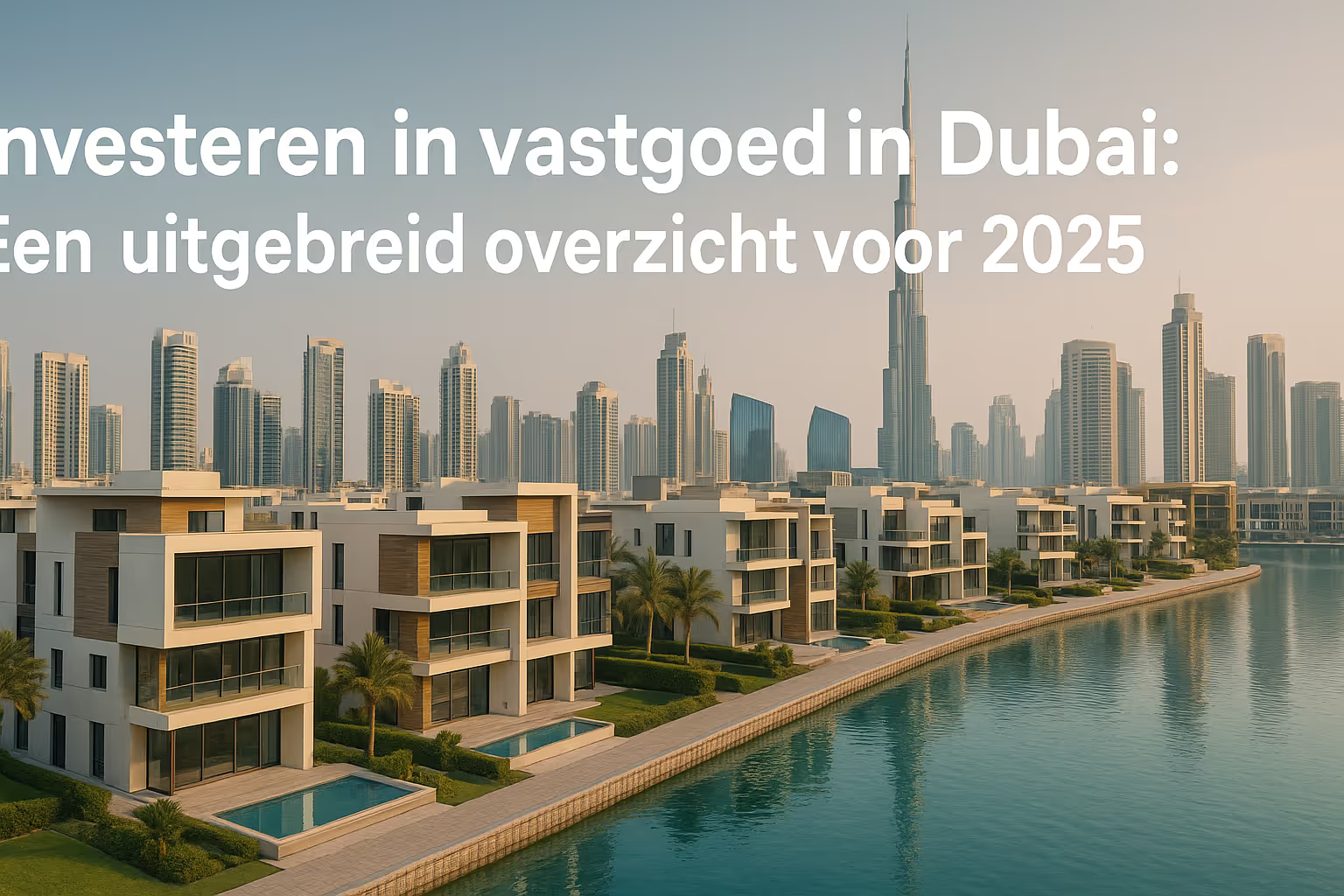


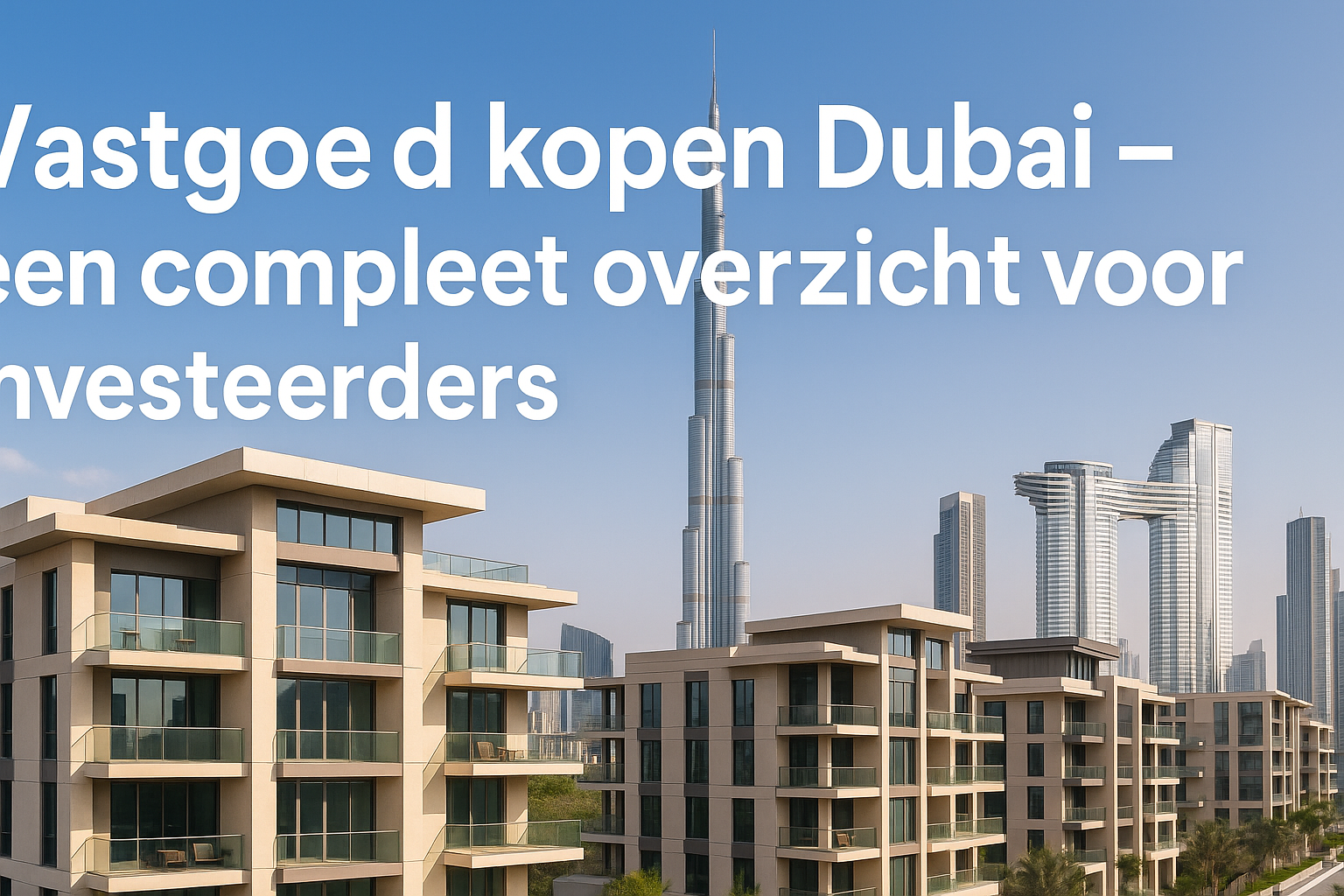
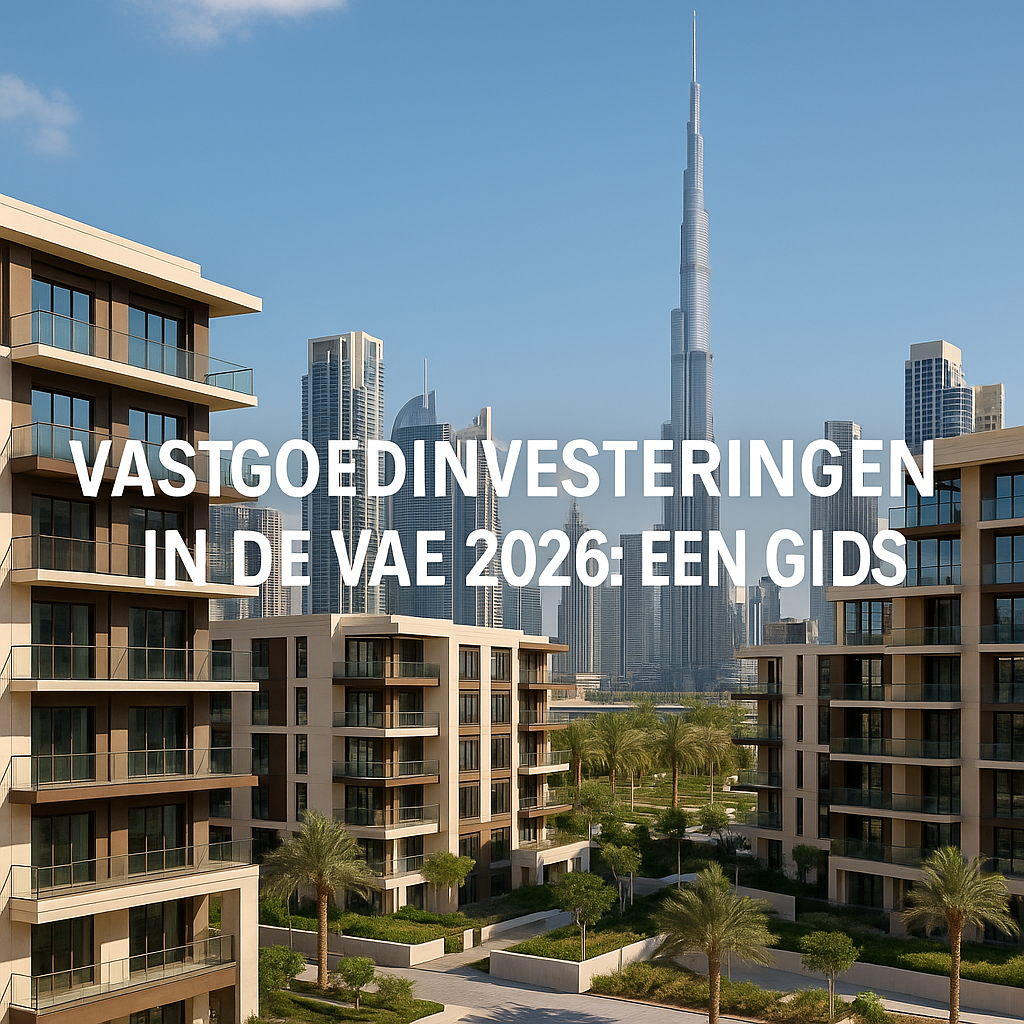
Vastgoedbelegging in Dubai: Een uitgebreid overzicht voor 2025
Introductie
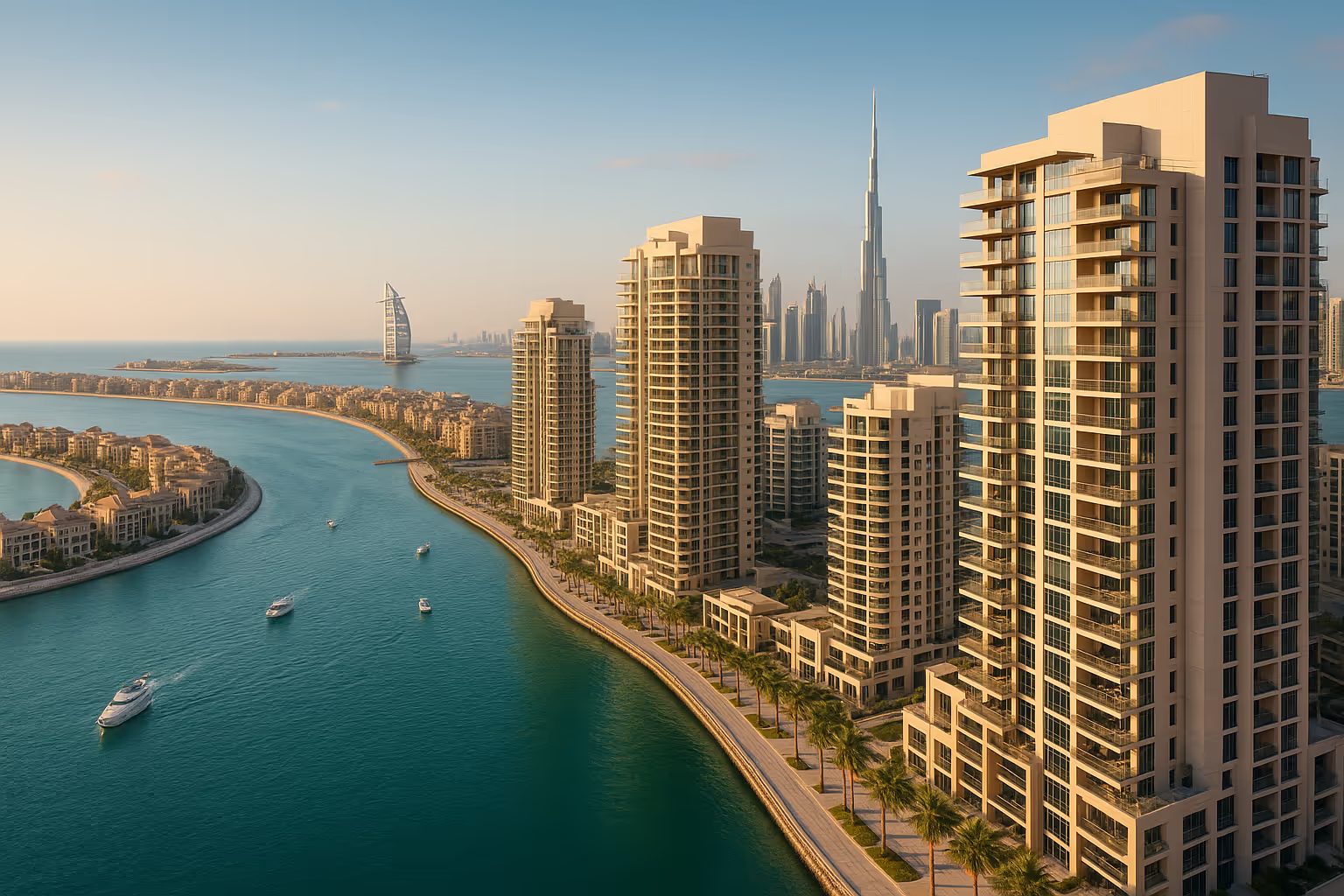
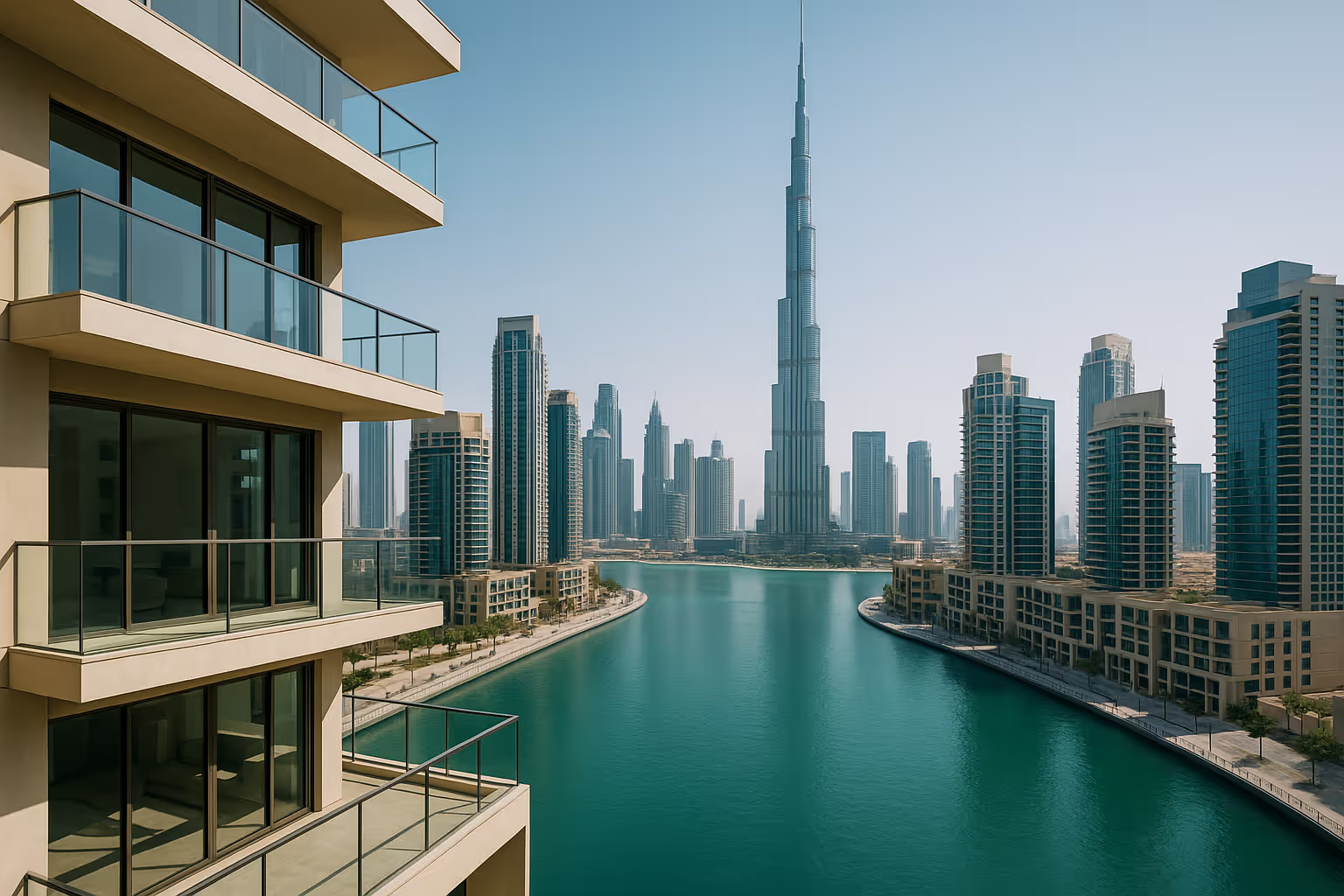
Vastgoedbelegging in Dubai staat hoog op de agenda van veel mensen vanwege de mondiale aantrekkingskracht van de stad. Dubai wordt gekenmerkt door moderniteit, luxe en een snel groeiende economie. Het is niet alleen een magneet voor toeristen, maar ook voor investeerders die rendement zoeken uit residentieel of commercieel vastgoed. De stad blijft zich uitbreiden, met indrukwekkende bouwprojecten en infrastructuurverbeteringen die gepland zijn voor 2025. Dit creëert toenemende mogelijkheden voor internationale kopers die willen profiteren van de groeiende vastgoedmarkt.
In deze blog onderzoeken we waarom vastgoedbelegging in Dubai zo aantrekkelijk is, met speciale aandacht voor de nieuwste trends, juridische aspecten, mogelijke valkuilen en praktisch advies. We bespreken ook hoe de vastgoedmarkt zich verhoudt tot economische en demografische ontwikkelingen in de Verenigde Arabische Emiraten. Degenen die niet alleen overwegen te investeren maar ook in Dubai willen wonen, vinden nuttige informatie over vereiste documenten en visumopties in onze gids over Dubai: verhuizen met je gezin - visumgids 2025 voor Nederlandse burgers. Het is belangrijk te beseffen dat grondige voorbereiding essentieel is bij het nemen van aanzienlijke financiële beslissingen op een dynamische markt zoals die van Dubai.
Er zijn talloze redenen waarom mensen naar Dubai kijken. De internationale reputatie van de stad als handels- en reiscentrum is een sterke drijfveer voor vastgoedbeleidsinvesteringen. In de volgende secties bespreken we in detail hoe vraag en aanbod worden beïnvloed door bevolkingsgroei, economische stabiliteit en steun van de regering. Door deze factoren diepgaand te onderzoeken, bouwt je een solide basis voor een goed geïnformeerde investeringsbeslissing. Laten we de belangrijkste marktont wikkelingen en prijstrends voor 2025 onderzoeken, zodat je een duidelijk beeld krijgt van het potentieel in de komende jaren.
Marktont wikkelingen en prijstrends in Dubai voor 2025
De vastgoedmarkt in Dubai staat bekend om zijn dynamiek, maar in de aanloop naar 2025 zien we nog duidelijkere positieve bewegingen. Volgens recente gegevens van Consultancy-me volgen vastgoedprijzen een opwaarts traject, vooral in gewilde buurten die populair zijn bij expats en lokale kopers. Deze prijsstijging wordt verder bevestigd door statistieken van de Dubai Land Department, die aantonen dat de vraag naar zowel appartementen als villa's stijgt. Hoewel schommelingen altijd mogelijk zijn, is de algemene trend opwaarts, vooral in segmenten waar een duidelijk verband bestaat tussen bevolkingsgroei en woningvraag.
Een van de bijdragende factoren is de belangrijke rol die Dubai speelt als internationaal zakencentrum. Grote bedrijven vestigen hun regionale hoofdkantoren daar, wat leidt tot vraag naar zowel commerciële kantoorruimten als high-end appartementen. Bovendien geeft marktonderzoek aan dat potentiële huurders en kopers naar gebieden kijken die goed bereikbaar zijn en ruime voorzieningen bieden, zoals scholen, supermarkten en recreatiefaciliteiten. Dit heeft ertoe geleid dat bepaalde buurten, zoals Dubai Marina en Business Bay, aan populariteit hebben gewonnen. Bekende bronnen zoals Gulf News benadrukken dat de combinatie van infrastructuurprojecten en nieuwe ont wikkelingen een stabiel klimaat biedt voor verdere prijsstijgingen.
Bovendien blijft de bevolkingsgroei in de Verenigde Arabische Emiraten stijgen, wat volgens verschillende rapporten direct de vraag naar premium en middle-segment huisvesting beïnvloedt. Zoals beschreven in Dubai's bevolkingsgroei, is er een groeiende groep expats die zich op lange termijn willen vestigen, wat leidt tot aanvullende vraag naar huurpanden en koopkansen. Deze situatie stelt vastgoedbeleggers in staat zich op zowel korte- als lange-termijn verhuurstrategieën te concentreren, vooral in buurten die een stabiel huuropbrengstrendement bieden. Ondanks mogelijke mondiale economische tegenwind maken deze positieve marktignalen Dubai een aantrekkelijke optie voor beleggers die willen profiteren van toekomstige groei.
Belangrijkste vastgoedsegmenten en hotspots in Dubai
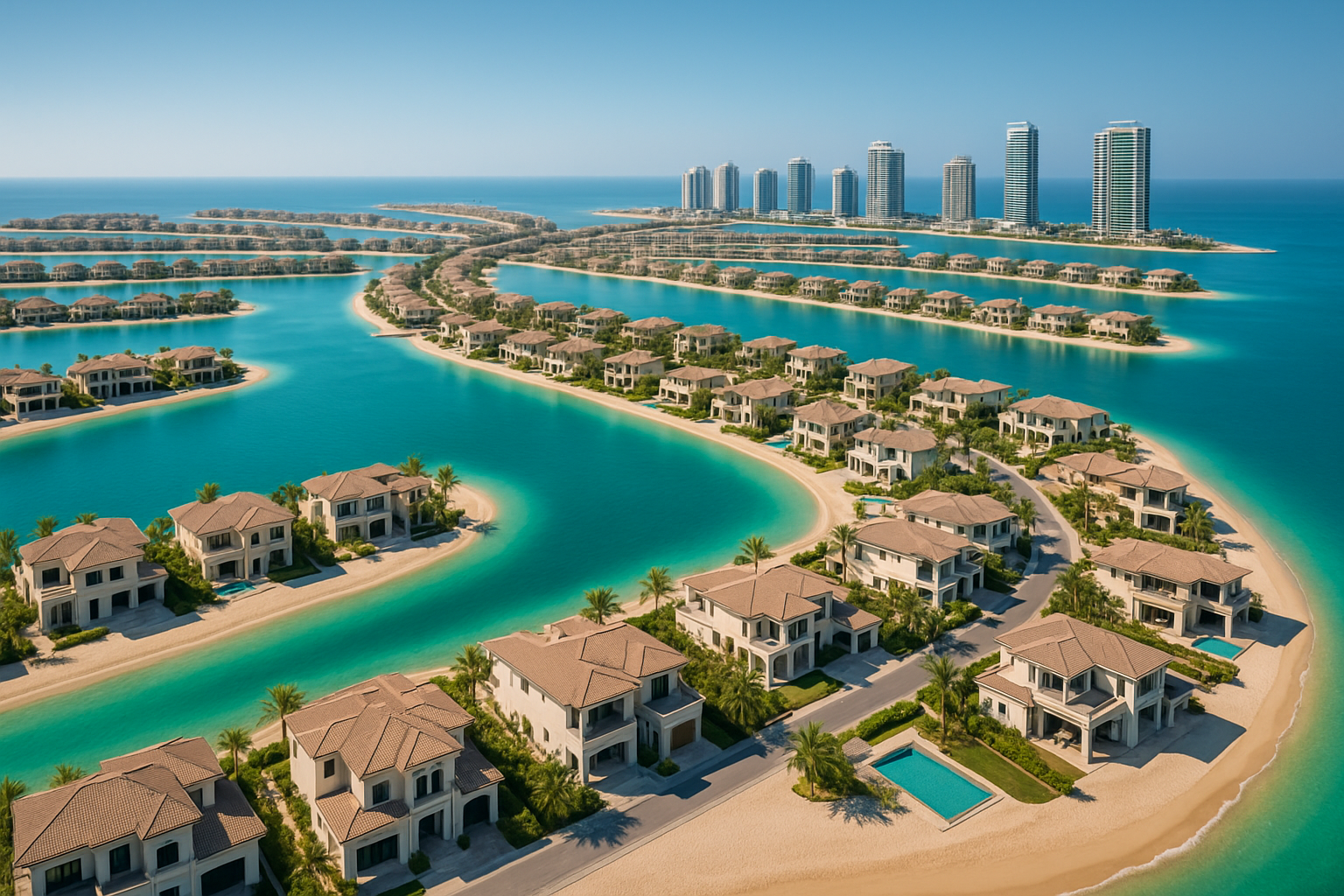
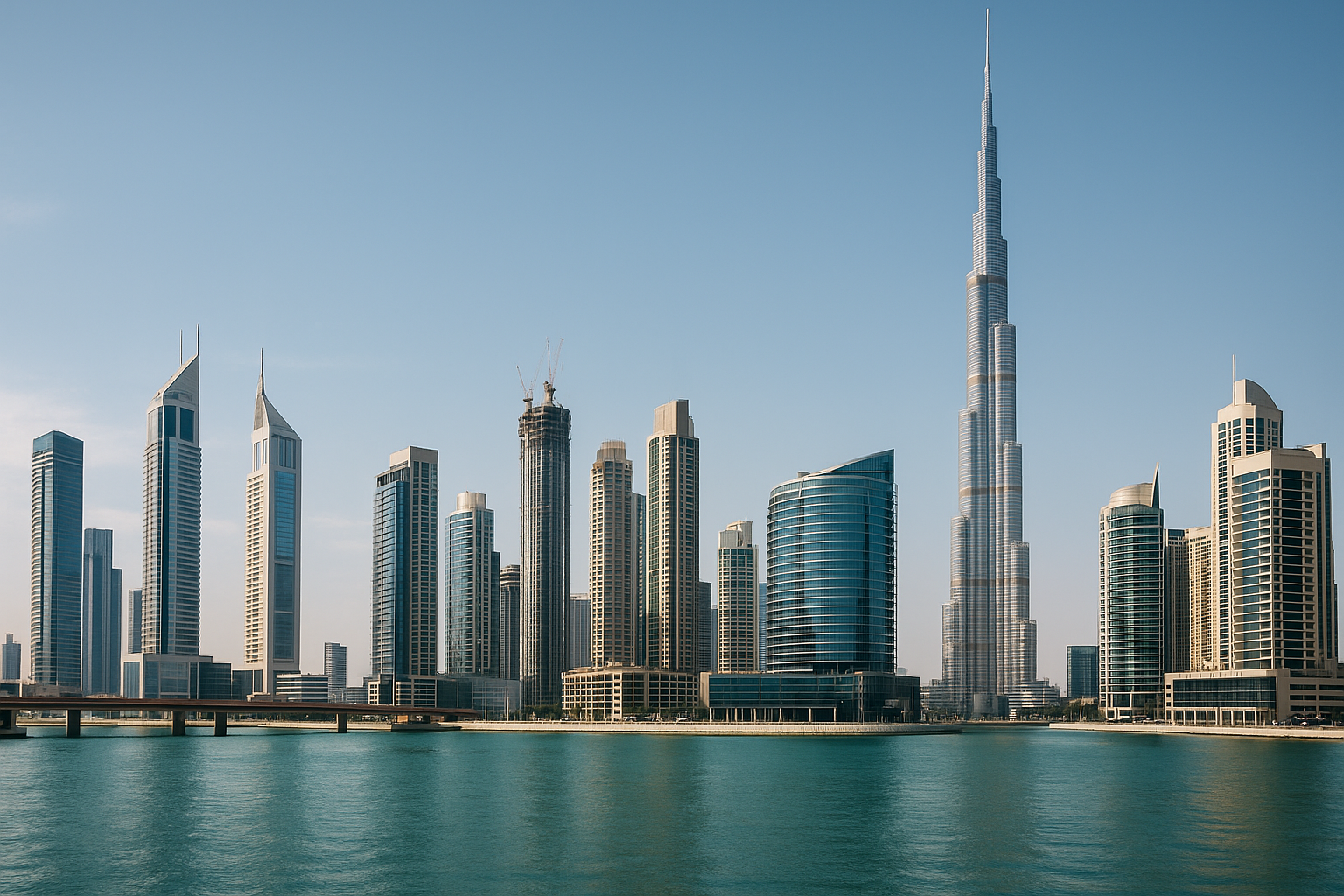
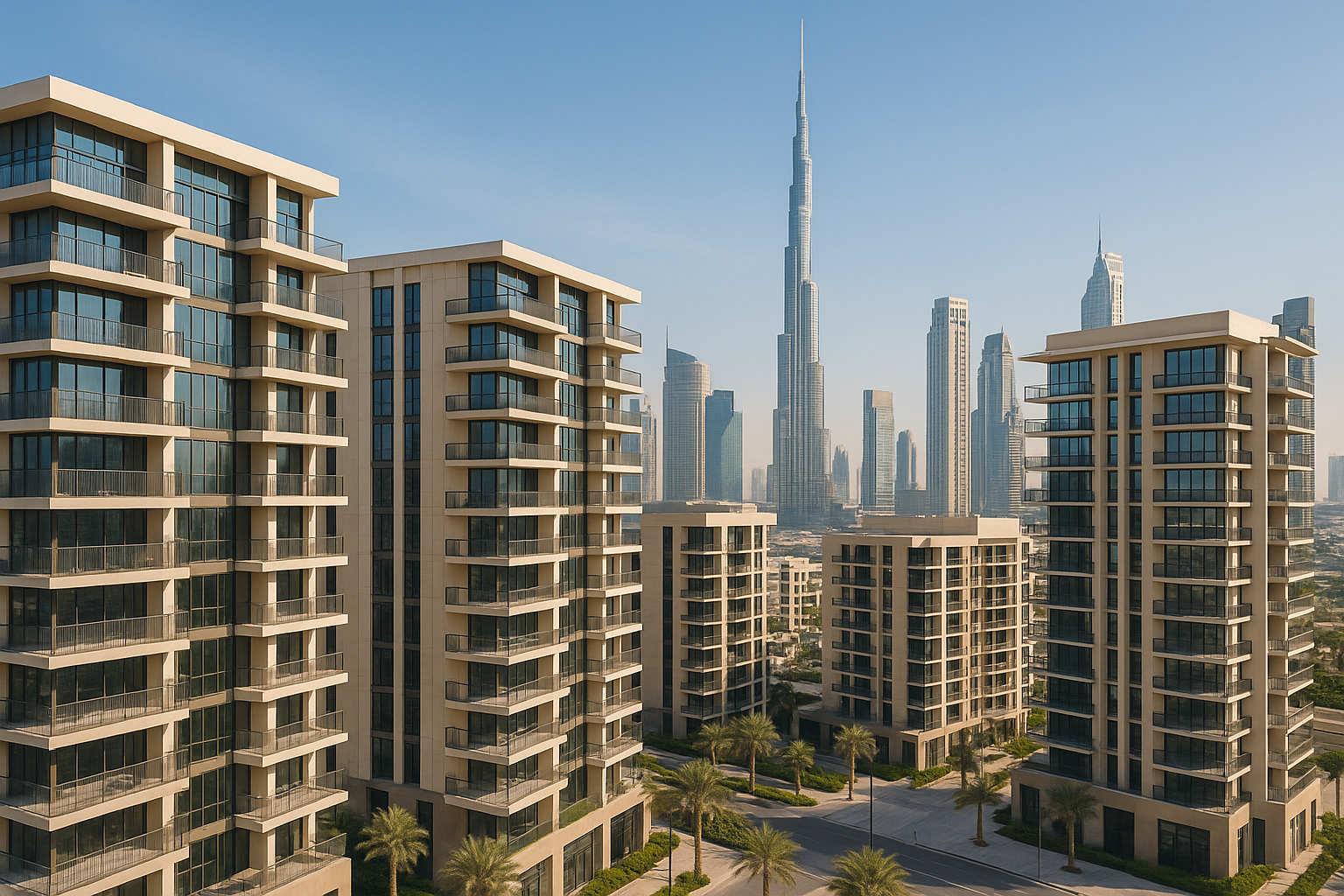
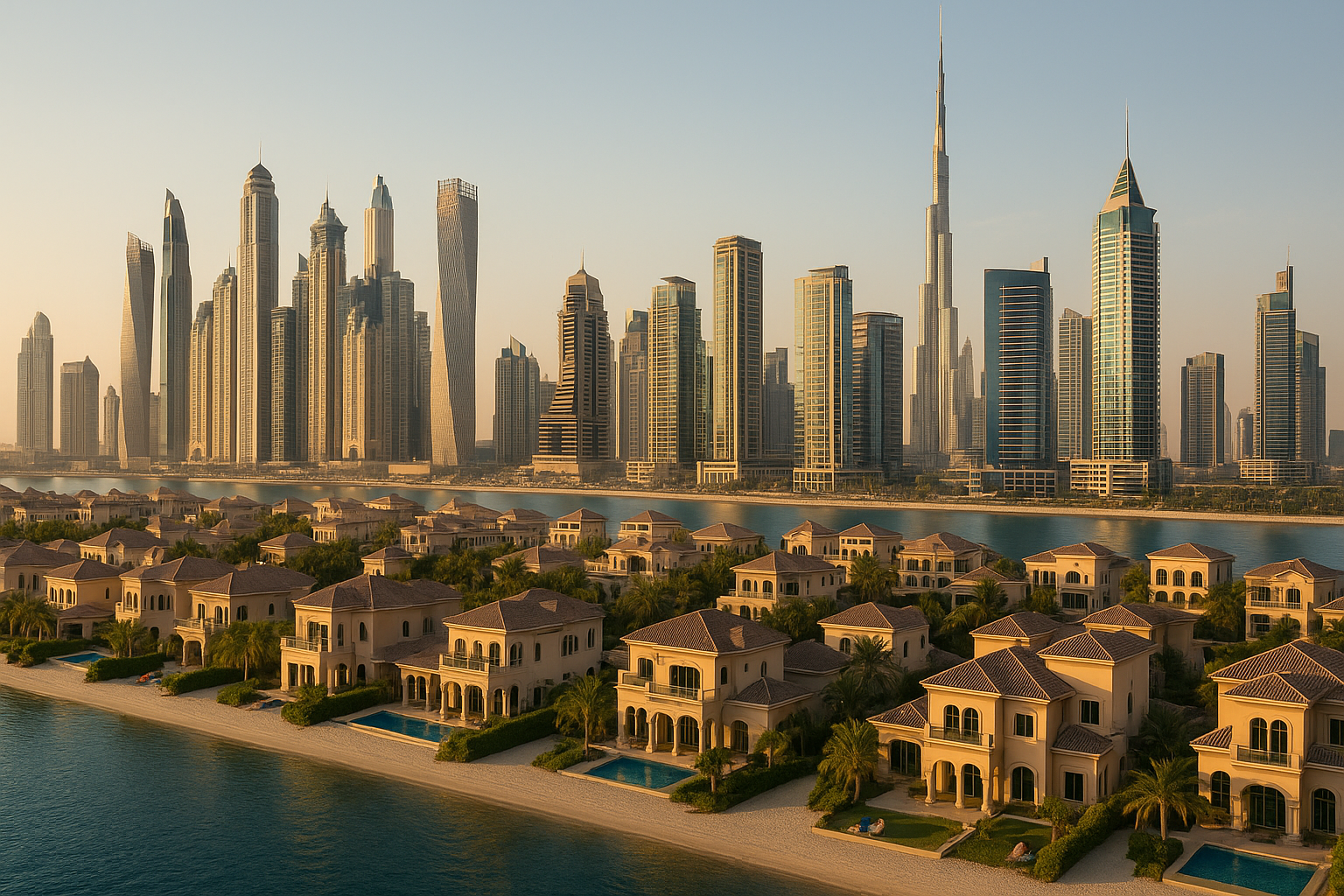
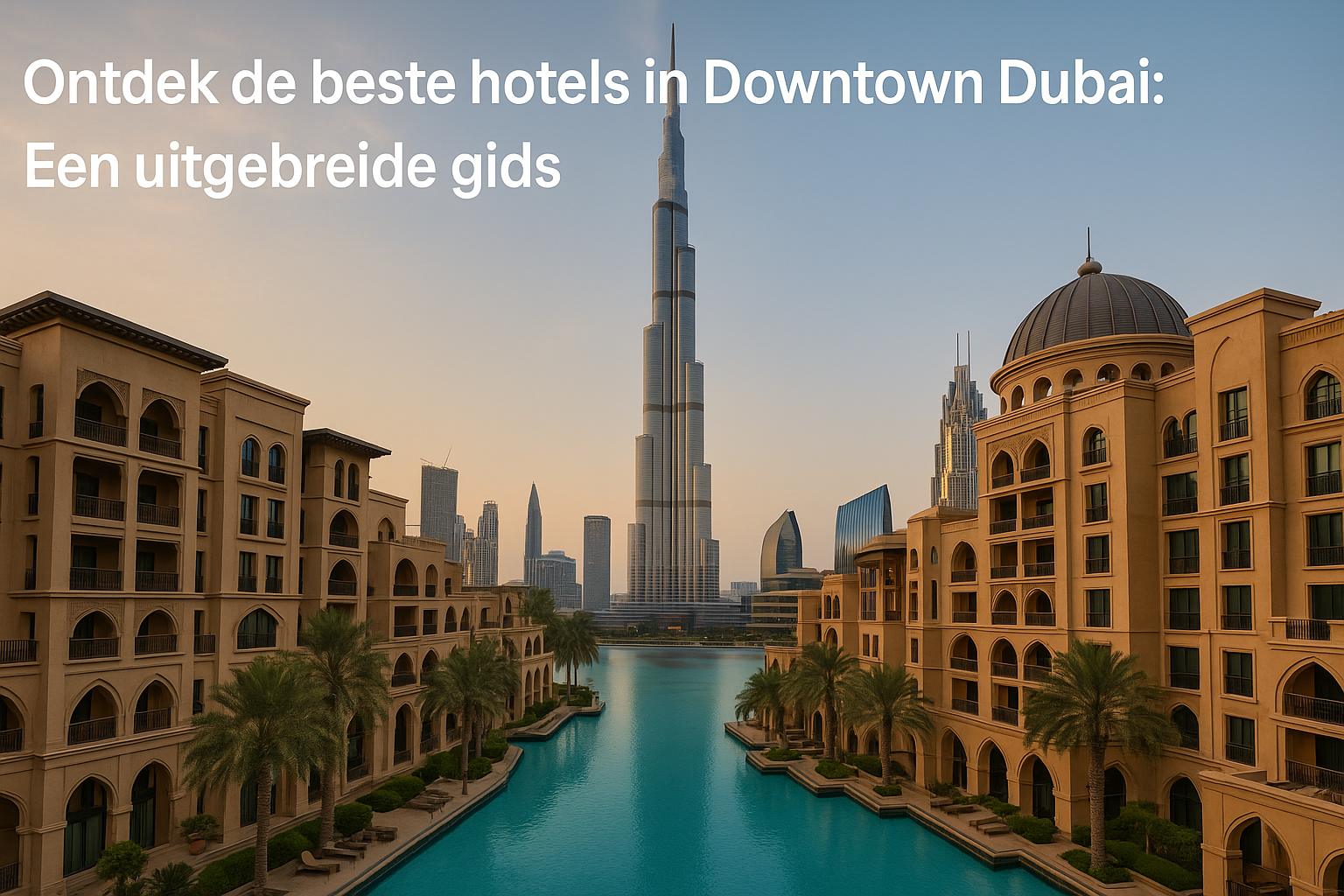
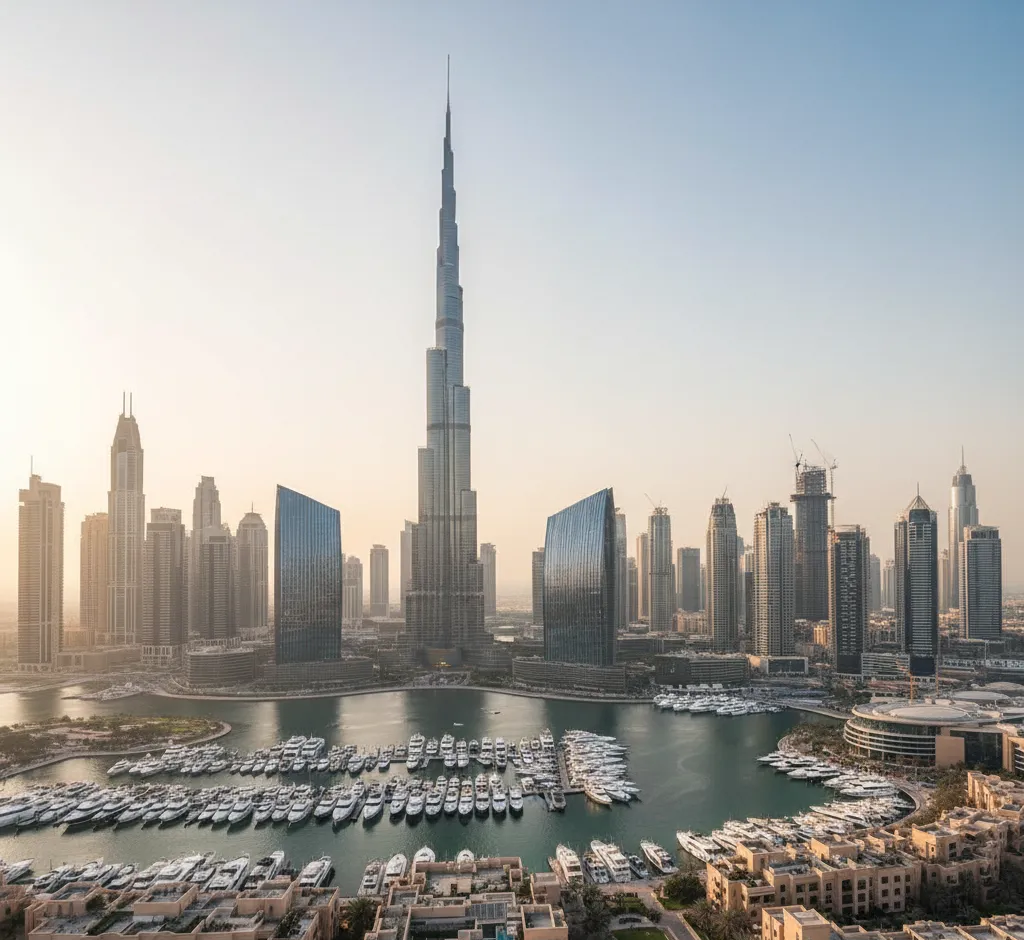
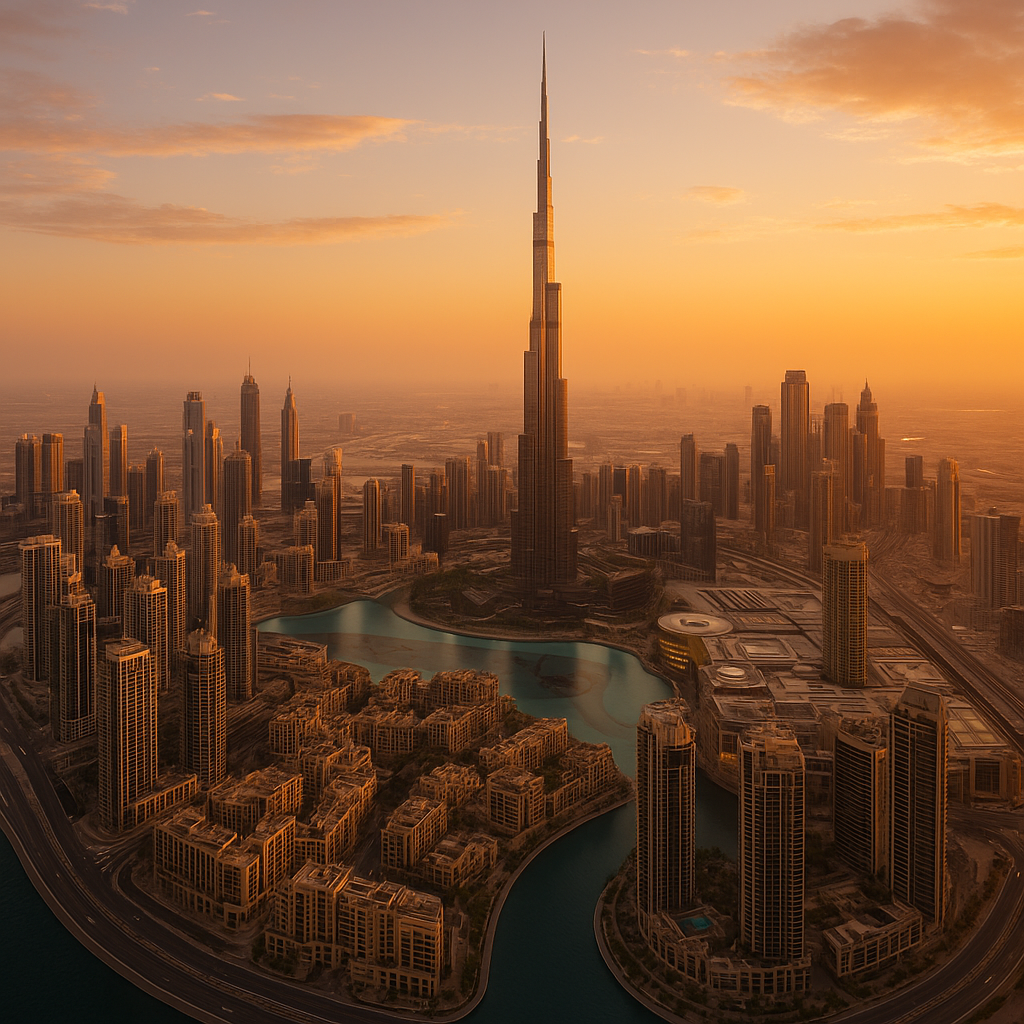
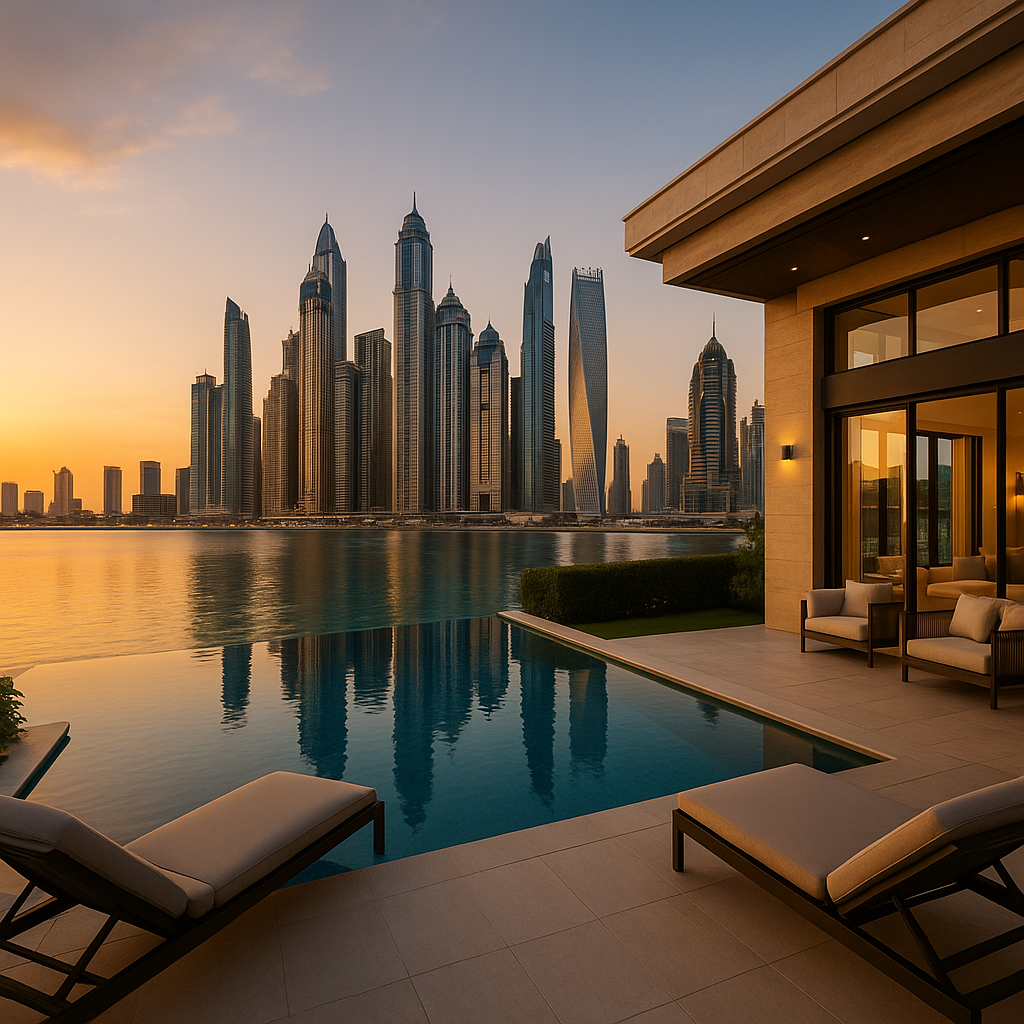
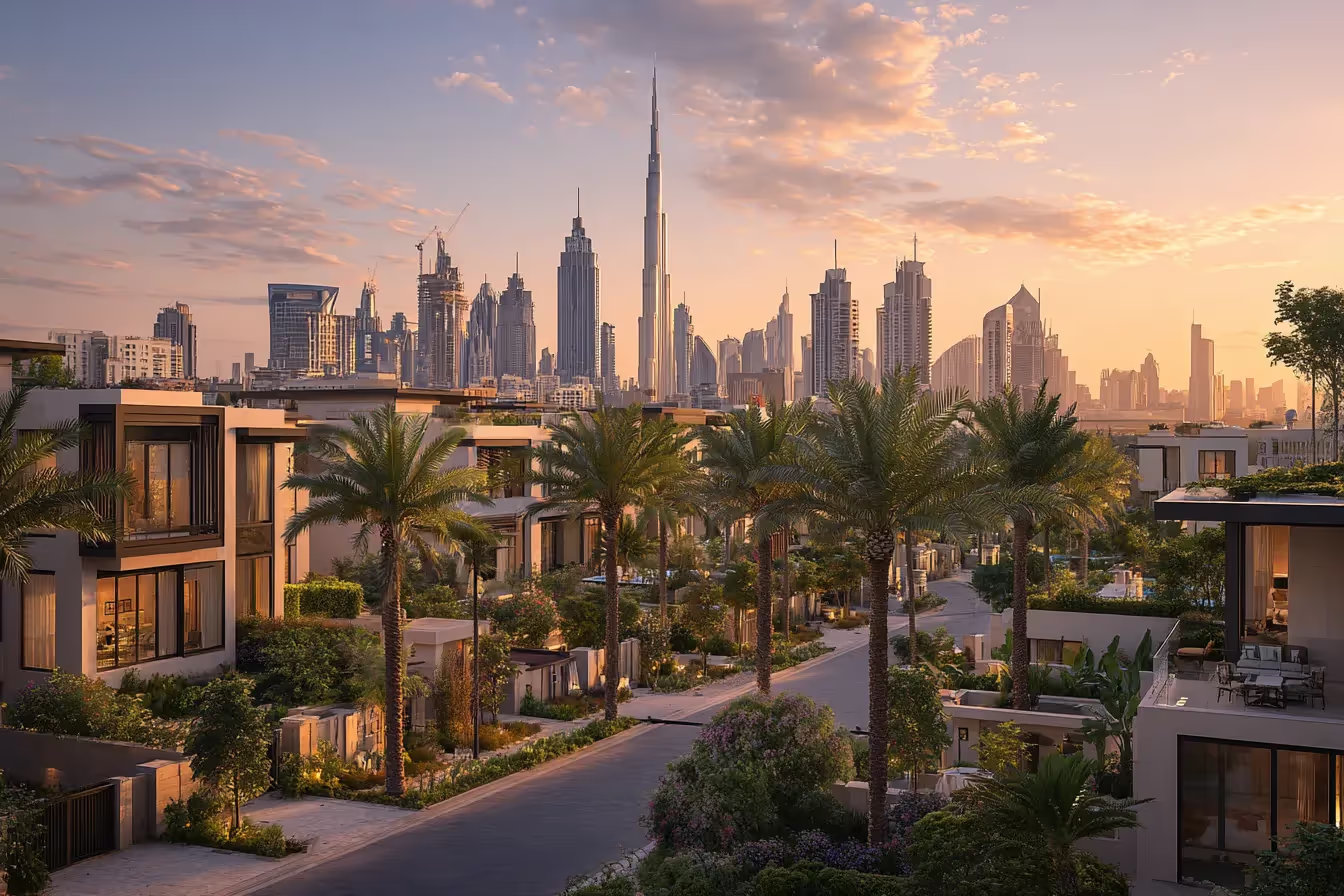
In Dubai kunnen de belangrijkste vastgoedsegmenten worden onderverdeeld in residentieel, commercieel en industrieel vastgoed. Traditioneel waren luxe appartementen en ruime villa's in gebieden zoals Downtown Dubai en Palm Jumeirah de voornaamste attracties. Echter, nieuwere gebieden winnen ook terrein. Opkomende hotspots zijn Dubai Marina en Business Bay, die regelmatig worden genoemd in publicaties van Gulf News. Deze gebieden profiteren van goed gepland stadsontwerp, gemakkelijke toegang tot snelwegen en openbaar vervoer, en een uitgebreid aanbod van restaurants en winkels.
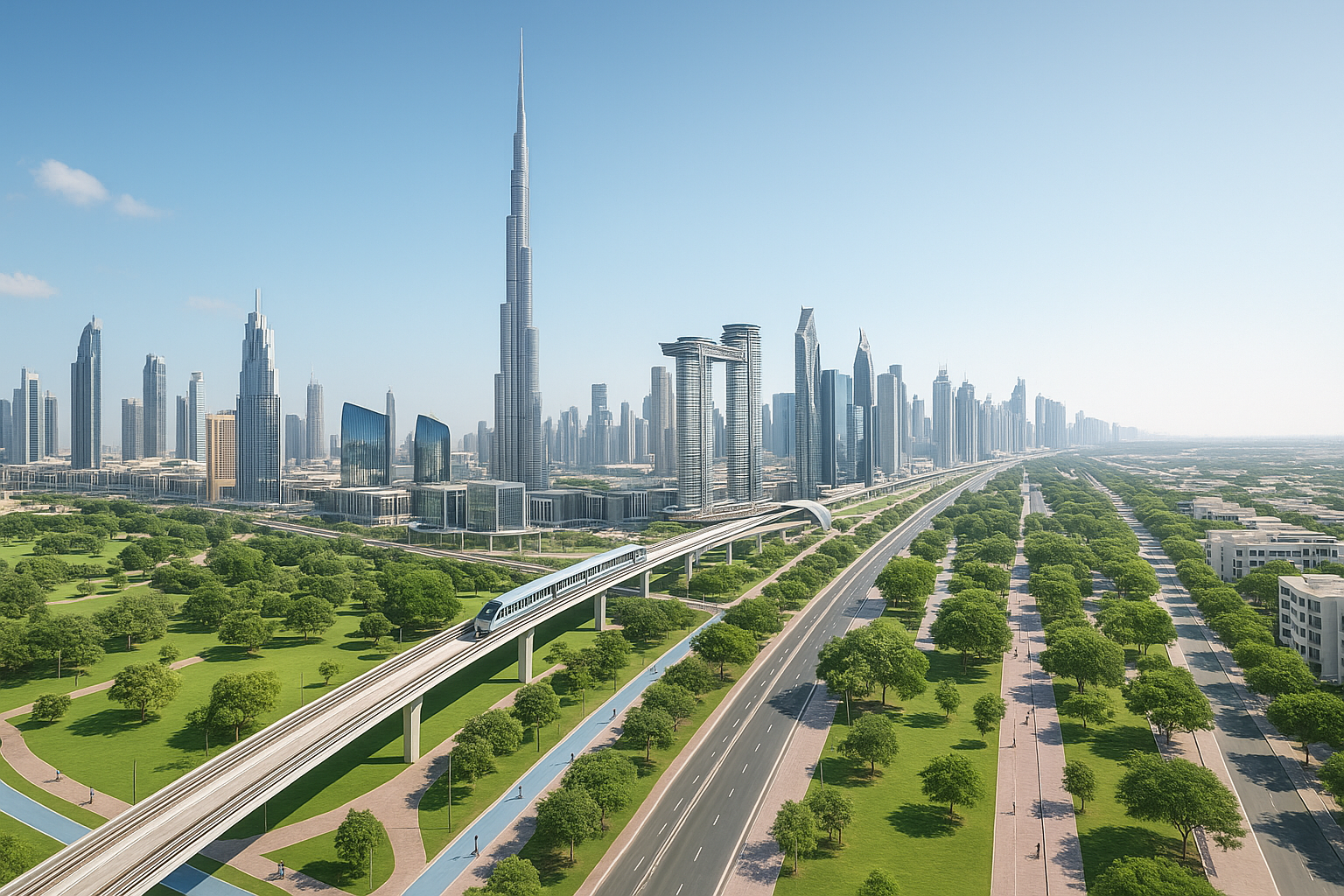
Naast de meer traditionele gebieden groeit de aandacht voor buurten die profiteren van infrastructuuruitbreidingen. Een voorbeeld is de ont wikkeling rond de Dubai Metro Blue Line. De metroverbindingen zorgen voor kortere reistijden en verbeterde toegankelijkheid. Dit creëert nieuwe locaties die aantrekkelijk zijn voor zowel residentiële als kantoorruimten. De impact van deze lijn is tweeërlei - het verbetert de mobiliteit en zet extra druk op gebieden rond stations, wat de vraag naar vastgoed opdrijft. De waarschijnlijkheid van een prijsverhogend effect in deze omringende buurten is aanzienlijk, waardoor vroege toetreding tot deze gebieden bijzonder interessant is voor beleggers.
Tot slot zijn er speciale zones en vrijhandelszones in Dubai waar internationale bedrijven genieten van een duidelijke set economische voordelen. Deze vrijhandelszones, vaak opgericht om bepaalde sectoren te bedienen (bijv. IT of media), bieden bedrijven gunstige bedrijfsomstandigheden en trekken een gestage toestroom van internationale specialisten aan die huisvesting in de onmiddellijke omgeving zoeken. Deze gebieden dragen aanzienlijk bij aan de vraag naar hoogwaardig vastgoed in de buurt van zakenparken. Dit creëert een kettingreactie - belegging in goed gelegen projecten bevordert waardegroei en garandeert sterke huuraussichten.
Voordelen van vastgoedbelegging in Dubai
Een van de grootste voordelen van vastgoedbelegging in Dubai is de fiscaal gunstige omgeving voor buitenlandse eigenaren. In tegenstelling tot veel westerse landen wordt geen belasting op meerwaarden geheven op vastgoedverkopen, en huurinkomsten zijn over het algemeen onbelast. Volgens vergelijkende studies, inclusief Vastgoedbeheer in Nederland versus Dubai, kunnen beleggers daarom een hoger nettoresultaat bereiken. De aantrekkingskracht van de markt wordt verder versterkt door het relatief eenvoudige proces van het inschakelen van agenten en vastgoedmanagers, waardoor zelfs externe beleggers hun portefeuille naadloos kunnen beheren.
Dubai biedt ook een sterke economische basis, deels vanwege markdiversificatie. Hoewel de economie ooit principalmente afhankelijk was van olie, is de focus nu verschoven naar handel, toerisme en financiële diensten. Deze diversificatie versterkt de weerstand van de stad tegen economische schommelingen en geeft beleggers vertrouwen in de stabiliteit van hun vastgoedhoudingen. Bovendien zijn internationale veiligheidsnormen en regelgeving in recente jaren aangescherpt, wat een stabiel juridisch kader biedt dat bijdraagt aan het vertrouwen van buitenlandse kopers.
Tot slot positioneert Dubai zich als een regionaal knooppunt voor reizen en handel. Als gevolg hiervan vinden talrijke internationale evenementen, conferenties en beurzen plaats in de stad. Dit trekt een diverse menigte zakenmedewerkers, toeristen en expats aan die huisvesting zoeken voor zowel korte als langere verblijven. Vanwege deze voortdurende stroom van bezoekers en tijdelijke werknemers zijn zowel kortetermijnverhuren (via vakantieverhuurplatforms) als langetermijnverhuren zeer aantrekkelijk. Dit resulteert in hoge bezettingsgraad, wat de waarschijnlijkheid van consistent rendement verhoogt. Het vermogen om gemakkelijk te schakelen tussen lange- en korttermijnverhuren is een belangrijk argument voor veel beleggers die ervoor kiezen specifiek in Dubai te investeren.
Juridische en regelgevingsaspecten
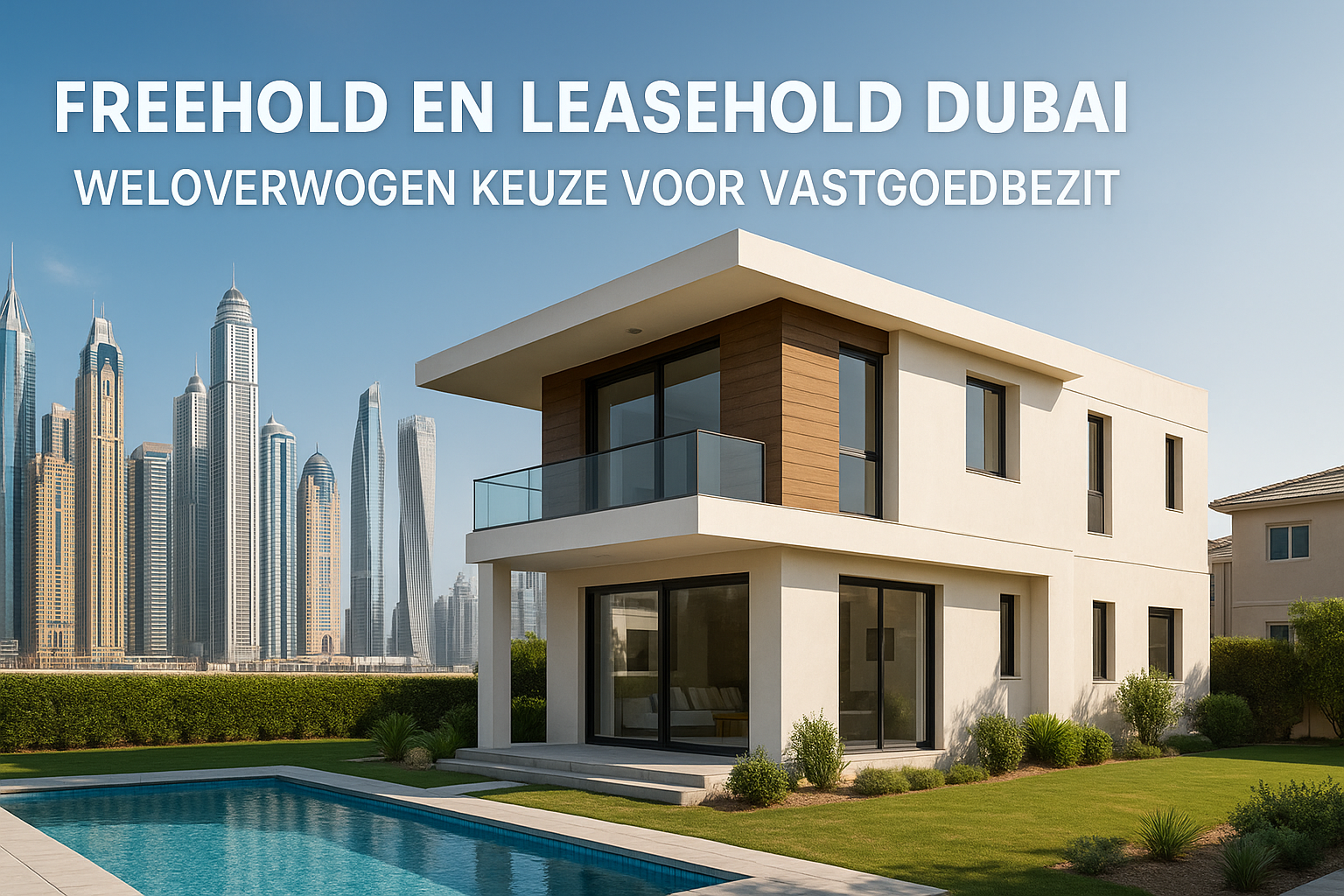
De juridische infrastructuur voor vastgoed in Dubai is modern en wordt voortdurend verbeterd. Een belangrijk concept is het onderscheid tussen eigendom en erfpacht. Bij eigendom kan een belegger volledige eigendomsrechten verkrijgen in aangewezen gebieden, terwijl erfpacht verwijst naar een lang-termijn gebruiksrecht voor een bepaalde periode, vaak 99 jaar. Deze regelingen worden georganiseerd en gemonitord door lokale autoriteiten, waaronder de Dubai Land Department (DLD). De DLD verstrekt duidelijke richtlijnen voor vastgoedregistratie en zorgt ervoor dat eigendom op transparante wijze wordt geregistreerd.
Een kenmerk van de juridische structuur is dat veel projecten zich bevinden in speciale zones waar internationale regelgeving van toepassing is. Buitenlandse kopers doen er goed aan zich goed te laten adviseren door lokale juristen die gespecialiseerd zijn in vastgoedtransacties, zodat alle juridische aspecten van aankoop en financiering correct worden afgehandeld. Daarnaast kunnen servicekosten en verplichte gemeentelijke bijdragen van toepassing zijn op bepaalde projecten en gemeenschappen. Deze variëren per gebied en ontwikkelaar. Wie goed voorbereiding treft, kan op lange termijn profiteren van een stabiele juridische omgeving en duidelijke kaders, wat het aantrekkelijk maken van vastgoedbelegging in Dubai verder versterkt.
Voor beleggers die zich verdiepen in de toekomstplannen van de stad, is het raadzaam het Dubai 2040 Masterplan in te zien. Dit plan stelt richtlijnen vast voor stedelijke ontwikkeling, mobiliteitsverheteringen en duurzaamheid. Het kader biedt inzicht in hoe verschillende buurten in de komende decennia zullen worden ontwikkeld. Dit stelt beleggers in staat vooruit te plannen en te beoordelen welke gebieden relatief snel aan waarde kunnen winnen dankzij infrastructuurveranderingen en nieuwe economische stimuli in die gebieden.
Risico's en overwegingen bij vastgoedbelegging
Hoewel vastgoedbelegging in Dubai veel voordelen biedt, is het belangrijk de mogelijke risico's niet over het hoofd te zien. Een primaire overweging is de marktdynamica. Net als op elke vastgoedmarkt kunnen prijzen fluctueren en kunnen wereldwijde economische omstandigheden van invloed zijn. Hoewel Dubai zich na vorige correcties heeft getoond weerbarstig te zijn, moeten beleggers rekening houden met de mogelijkheid dat prijsstijgingen niet lineair doorgaan.
Een tweede factor is liquiditeit. De vastgoedmarkt kan minder liquide zijn dan bijvoorbeeld de aandelenmarkt. Dit betekent dat een snelle verkoop niet altijd mogelijk is zonder prijsconcurreren. Daarnaast speelt de reputatie en betrouwbaarheid van ontwikkelaars een belangrijke rol. Er zijn talrijke gerenommeerde ontwikkelaars actief op de markt, maar ook nieuwkomers. Als je kiest voor een partij met een onduidelijk trackrecord, kun je worden geconfronteerd met vertragingen bij oplevering of substandaard bouwkwaliteit. Het is daarom raadzaam grondige due diligence uit te voeren en lokale experts te raadplegen. Dit geldt ook voor juridische aspecten: onderzoek of alle vergunningen in orde zijn voordat je contracten ondertekent.
Bovendien is er het mogelijke risico van overaanbod. Door de snelle groei van de stad kan het voorkomen dat gedurende een korte periode te veel eenheden op de markt komen, wat kan leiden tot tijdelijke druk op huurbijdragen of wederverkoopwaarden. Daarom is het essentieel op de hoogte te blijven van huidige marktgegevens. Op deze manier kun je beter beoordelen welke gebieden en projecten mogelijk met stijgend aanbod te kampen hebben, en waar de vraag relatief stabiel blijft. Door grondig onderzoek te doen en altijd een buffer in te kalkuleren, kun je je belegging beter beschermen tegen onverwachte marktschokken.
Praktische tips voor toekomstige beleggers
Wie in vastgoed in Dubai wil beleggen, doet er goed aan te beginnen met een duidelijk plan. Definieer je financiële doelstellingen van tevoren, inclusief de gewenste duur van je belegging en je strategie (bijvoorbeeld langdurige verhuur of snelle wederverkoop). Zet je beschikbare budget in kaart en verken verschillende financieringsopties. Enkele banken in Dubai bieden hypotheken aan buitenlandse kopers, maar de voorwaarden kunnen afwijken van wat je in Nederland of elders gewend bent.
Een cruciale stap is het inschakelen van betrouwbare adviseurs. Een lokale makelaar kan inzicht geven in huidige marktprijzen, reputaties van ontwikkelaars en waardetrends in specifieke buurten. Een jurist met kennis van DLD-regelgeving en vastgoedrecht in Dubai kan je begeleiden bij het opstellen van waterdichte contracten. Blijf voortdurend informatie krijgen uit recente bronnen, zoals statistieken van de Dubai Land Department en nieuwsoverzichten. Het artikel over Dubais bevolkingsgroei kan je helpen toekomstige verwachtingen voor de woningmarkt beter te begrijpen.
Let ook goed op de keuze van locatie. Probeer gebieden te kiezen die een combinatie bieden van infrastructuur, voorzieningen en blijvende vraag. Kies voor ontwikkelaars met een bewezen trackrecord en houd rekening met verborgen kosten bij het evalueren van projecten, zoals service- en onderhoudskosten. Tot slot is het verstandig een realistische tijdshorizon aan te houden en te begrijpen dat opbrengsten pas na enige tijd zullen worden gerealiseerd. Door proactief te werk te gaan en je beslissingen op grondig onderzoek te baseren, vergroot je de kans op een succesvolle belegging.
Conclusie en toekomstperspectief
Al met al biedt vastgoedbelegging in Dubai in 2025 een interessant vooruitzicht voor zowel novicebeleggers als ervaren beleggers. De recente marktontwikkelingen wijzen op aanhoudende groei en een divers aanbod - van luxe appartementen in Downtown Dubai tot veelbelovende vrije handelszones. De duidelijke regelgeving en belastingvoordelen maken het proces relatief eenvoudig in vergelijking met andere internationale metropolen. Het is echter belangrijk de mogelijke markt- en ontwikkelaarsrisico's in overweging te nemen. Grondige voorbereiding en degelijk advies zijn onmisbare voorwaarden om valkuilen te vermijden.
Nu de stad dient als hub voor handel, toerisme en internationale evenementen, zal vastgoedvraag waarschijnlijk in de komende jaren hoog blijven. De duurzaamheid van de markt wordt ondersteund door een stabiele economische basis en de visie van de lokale regering. Documenten en plannen zoals het Dubai 2040 Masterplan demonstreren verder de inzet voor voortdurende groei, innovatie en stedelijke ontwikkeling. Dit betekent dat beleggers op middellange tot lange termijn kunnen profiteren van nieuwe impulsen in de stad, zoals extra openbaartransportlijnen, verbeterde leefbaarheid en een toename van hooggekwalificeerde werkgelegenheid.
Als je de sterktes van de markt combineert met een goed begrip van de juridische en praktische aspecten, is vastgoedbelegging in Dubai een verstandige keuze. De vooruitzichten voor 2025 en daarna zijn positief, met nadruk op grotere transparantie, verbeterde regelgeving en diversificatie. De meest succesvolle beleggers zijn doorgaans degenen die op het juiste moment de markt betreden, goed gefundeerde beslissingen nemen en op de hoogte blijven van de laatste ontwikkelingen. Deze aanpak draagt bij aan het maximaliseren van hun kansen op het opbouwen van een duurzaam en winstgevend vastgoedportefeuille in een stad vol mogelijkheden.
Veelgestelde vragen
Kan ik als buitenlandse koper eigendomseigendom in Dubai verwerven?
Ja, buitenlandse kopers kunnen vol eigendom verkrijgen in speciaal aangewezen freeholdgebieden in Dubai. De Dubai Land Department bijgeeft records van welke gebieden hiervoor geschikt zijn. Buiten deze regio's kan men doorgaans alleen erfpachtrechten verkrijgen, wat neerkomt op een langdurig gebruiksrecht. Het is daarom raadzaam zorgvuldig te verifiëren of het beoogde project binnen een freeholdgebied valt, zodat je precies weet welke rechten je verwerft. Lokale agenten en juristen kunnen hierbij assistentie bieden.
Hoe veilig is vastgoedbelegging in Dubai?
Vastgoedbelegging in Dubai wordt over het algemeen beschouwd als relatief veilig. De stad heeft strikte regelgeving en transparante registratiesystemen die vastgoedfraude moeilijk maken. De economische motor van Dubai is ook divers, waardoor vastgoedprijzen minder afhankelijk zijn van schommelingen in olieprijzen. Desalniettemin bestaat altijd een zekere mate van marktrisico. Wereldwijde economische veranderingen kunnen de vraag beïnvloeden, dus grondig onderzoek en risicoverbreding blijven essentieel.
Wat zijn de voornaamste kosten van vastgoed in Dubai?
Naast de aankoopprijs betaal je een registratiegebeur aan de Dubai Land Department, doorgaans een percentage van de aankoopprijs. Makelaarsprovision en juridische honoraria worden ook doorgaans in rekening gebracht. Veel projecten hebben ook een jaarlijkse servicecharge, die per ontwikkelaar en eigendomstype verschilt. Vraag naar deze kosten van tevoren om een realistisch beeld van je totale financiële verplichtingen te krijgen. Dit helpt je om verassingen na overdracht te vermijden.
Moet ik lokale deskundigen inschakelen voor mijn vastgoedaankoop?
Het wordt sterk aanbevolen lokale professionals in te schakelen. Een ervaren makelaar kent de markt, begrijpt waar huur- en aankoopvraag het hoogst is, en kan ontwikkelaars en projecten beoordelen op betrouwbaarheid. Een lokale jurist is van onschatbare waarde voor het beoordelen van contracten, eigendomsstatus en eventuele beperkingen. Deze professionele begeleiding stroomlijnt je aankoopproces en vermindert het risico op problemen op lange termijn.
Wat is de toekomstvisie van de stad volgens het Dubai 2040 Masterplan?
Het Dubai 2040 Masterplan ziet voortdurende groei en verdere modernisering van de stad voor. Er worden extra investeringen gedaan in infrastructuur, openbaar vervoer en duurzame bouwconcepten. Levenskwaliteit staat centraal in deze visie - meer parken en voorzieningen zijn gepland om de aantrekkelijkheid van de stad voor bewoners en bezoekers te vergroten. Dit zal naar verwachting vastgoedbeleggingen op langere termijn nog aantrekkelijker maken, aangezien er grotere vraag naar woningen en commerciële ruimte kan ontstaan in goed uitgeruste wijken.
Meer weten over investeren in Dubai vastgoed?
Wil je dit onderwerp toepassen op jouw situatie? Download de gratis Dubai vastgoed gids, bekijk het actuele Dubai vastgoed aanbod of plan een gratis gesprek met Dubai-Property.nl.
















.png)
.png)

.png)



.avif)
.avif)









.svg)
.svg)
.svg)