
.svg)
.png)


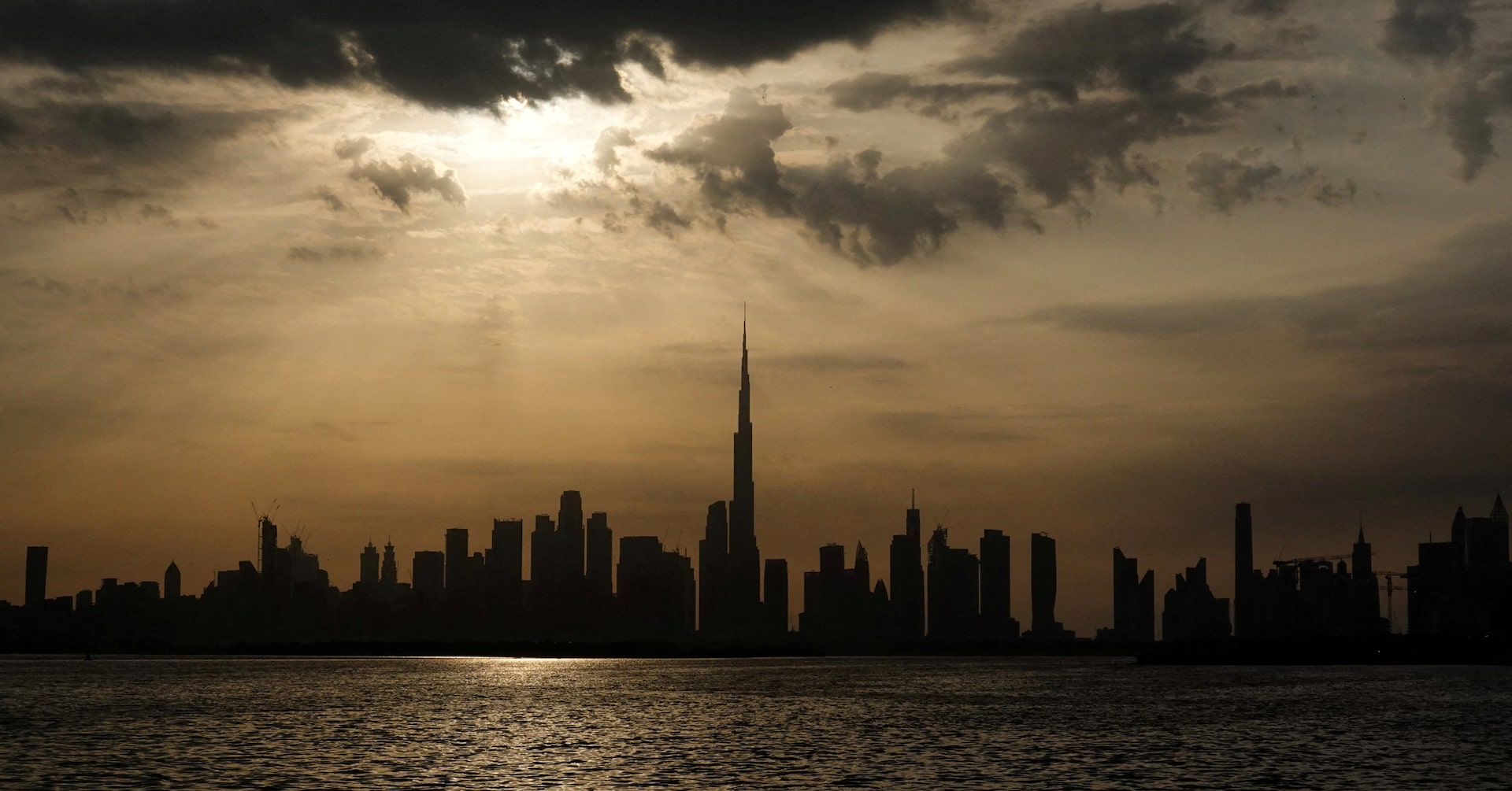
De vastgoedmarkt van Dubai staat wereldwijd bekend om haar dynamische en sterk cyclische karakter. De afgelopen tien jaar (2015 tot 2025) illustreren dit perfect: de markt onderging een langdurige correctie, kreeg een klap tijdens de pandemie en beleefde vervolgens ongekende groei in het premiumsegment.
Het begrijpen van deze marktcycli is essentieel voor investeerders die hun strategie willen afstemmen op duurzame groei en toekomstige kansen.
Marktfase 1: De lange correctiecyclus (2015-2020)
Na het sterke herstel van 2012-2014, grotendeels gedreven door de aankondiging van Expo 2020, betrad de markt een langdurige neerwaartse cyclus.

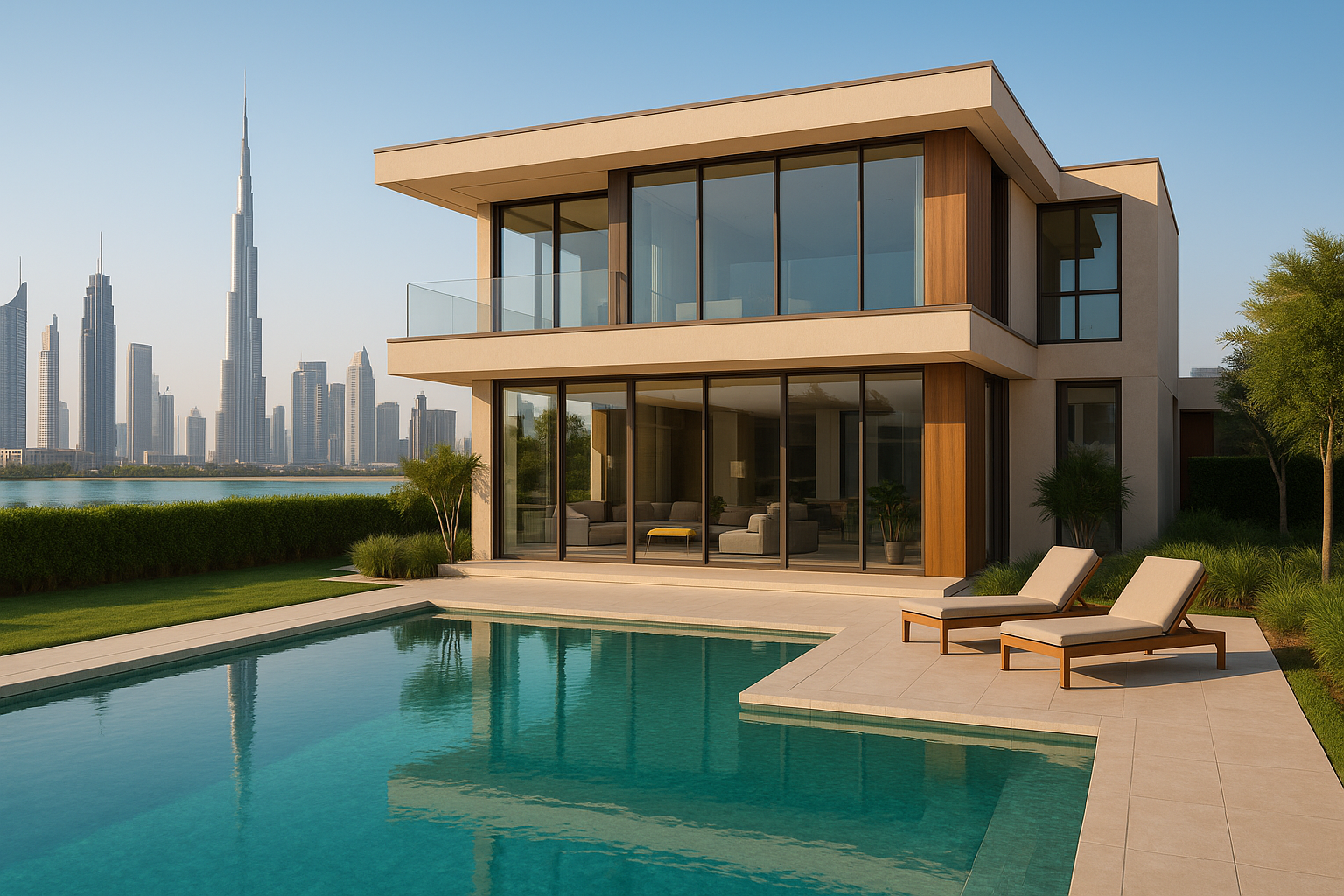
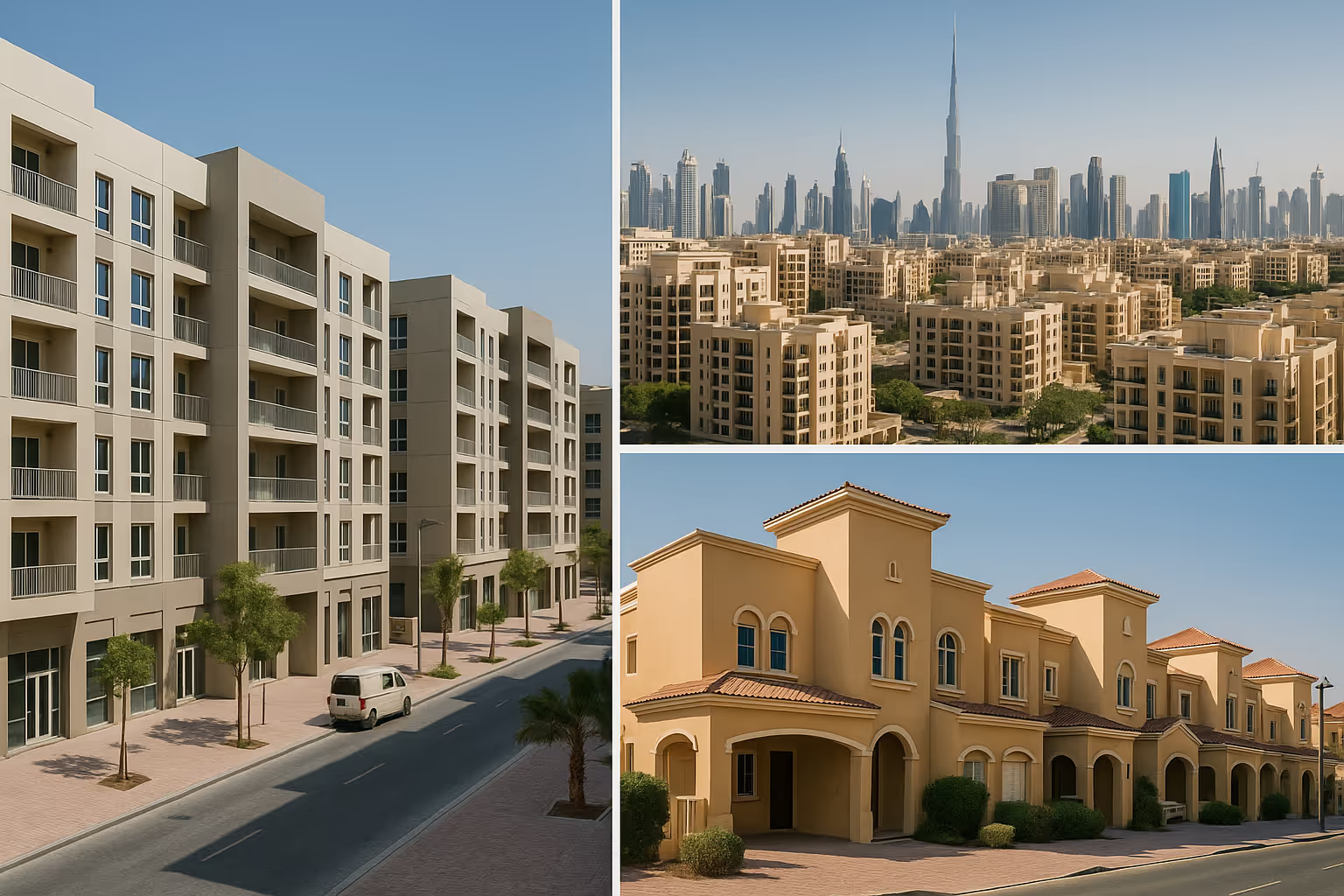
Tijdens deze fase daalde de prijs per m² tot het laagste niveau sinds 2012. Villa's presteerden stabieler dan appartementen, omdat de vraag naar grotere wooneenheden en gezinshuizen relatief sterk bleef.
Marktfase 2: Het herstel en de luxeboom (2021-2024)
Vanaf 2021 begon de markt aan een sterk en snel herstel, ondersteund door economische en demografische factoren.

Drie factoren achter de explosieve groei:
- Golden Visa en fiscaal kader: De VAE werd een "veilige haven" voor vermogen uit Europa, Rusland en Azië, aangetrokken door de belastingvrije structuur en lange termijnvisums.
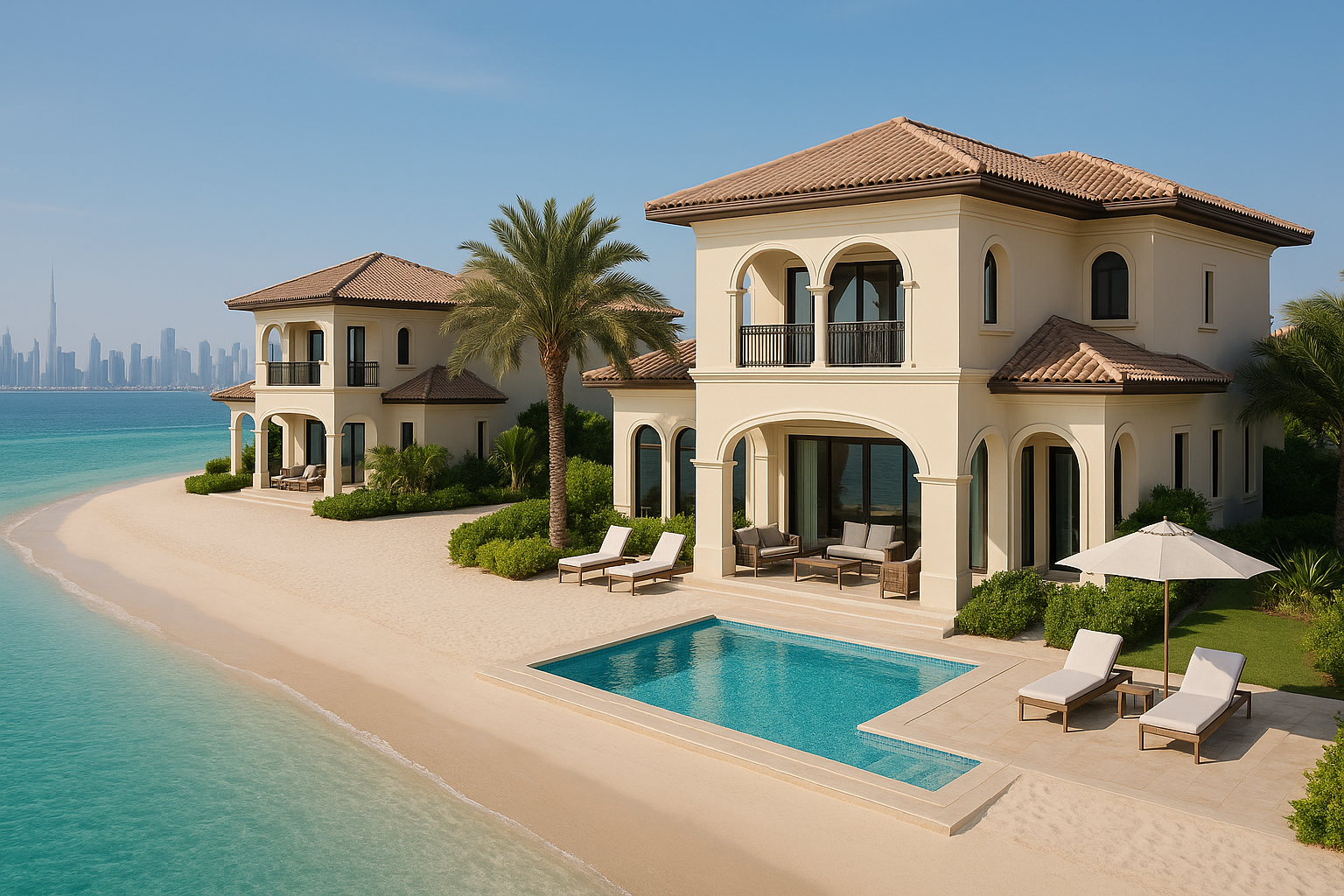
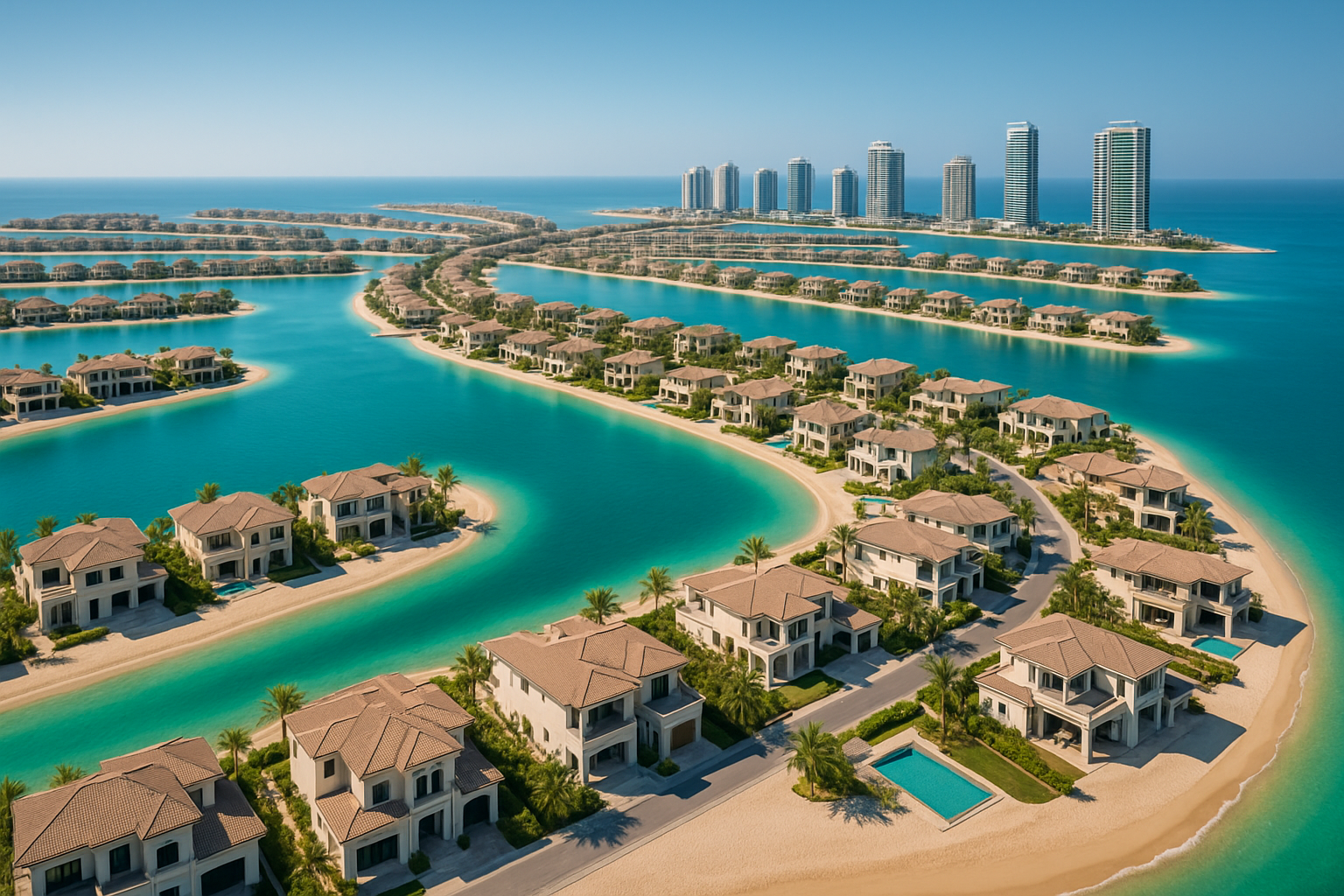
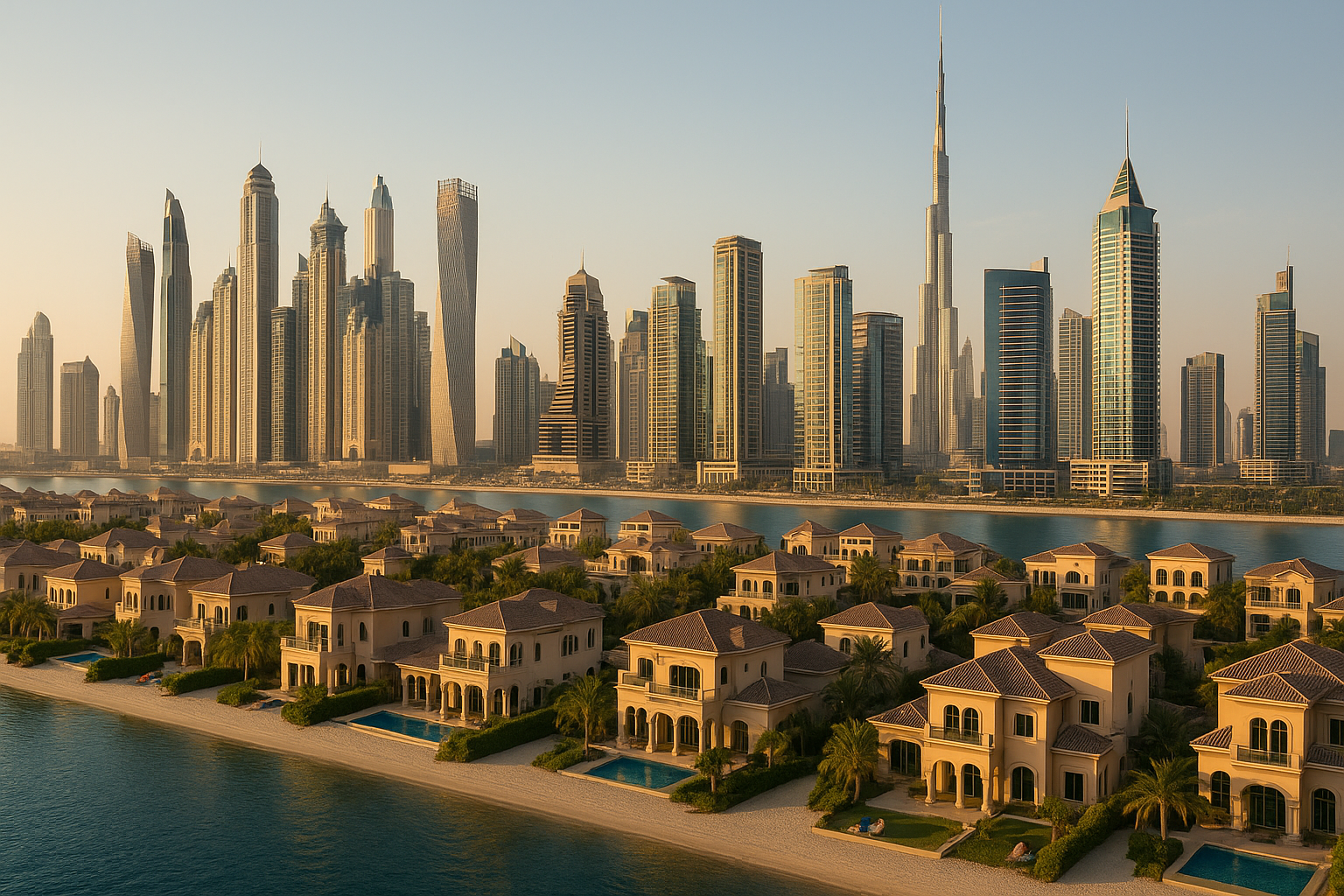
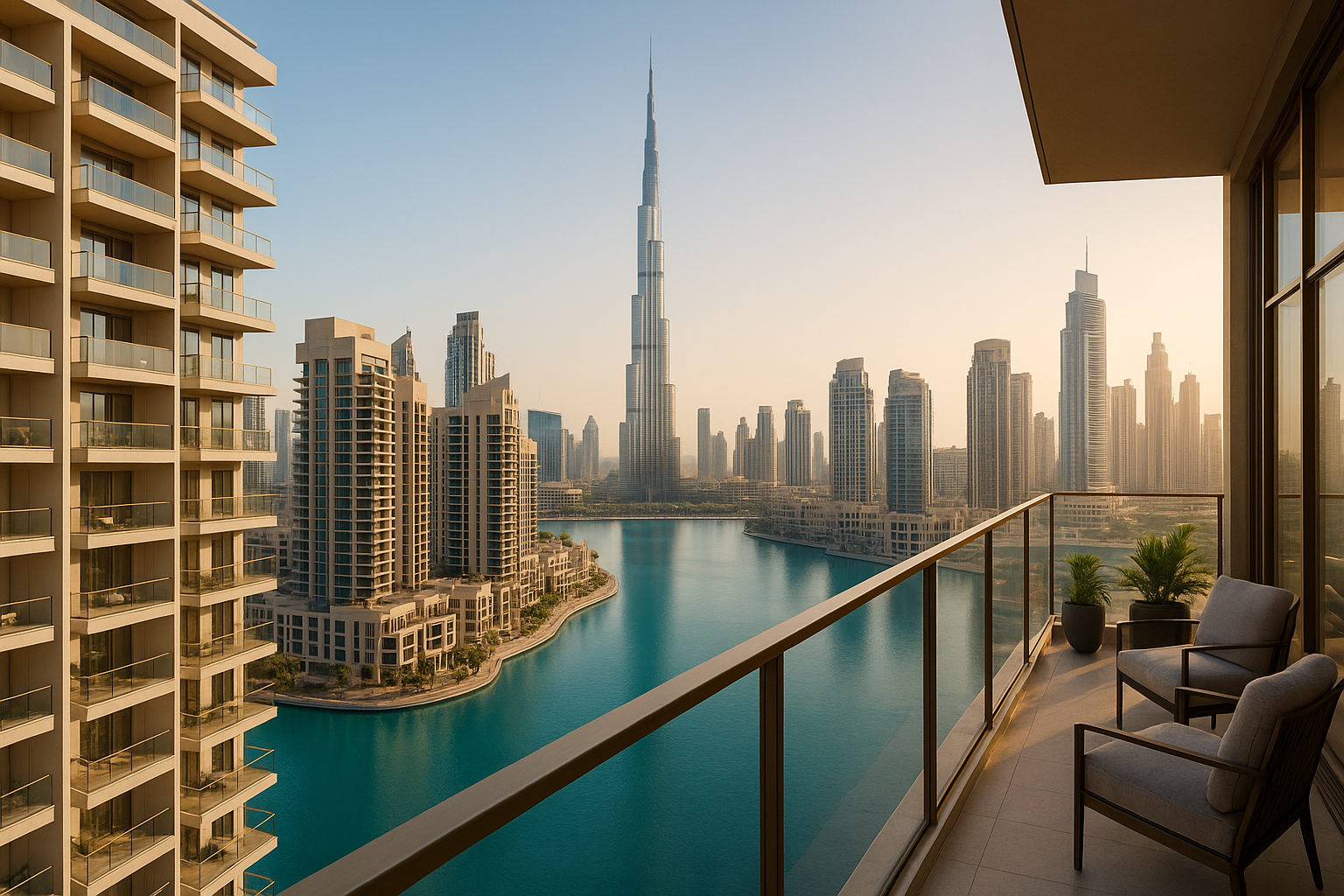
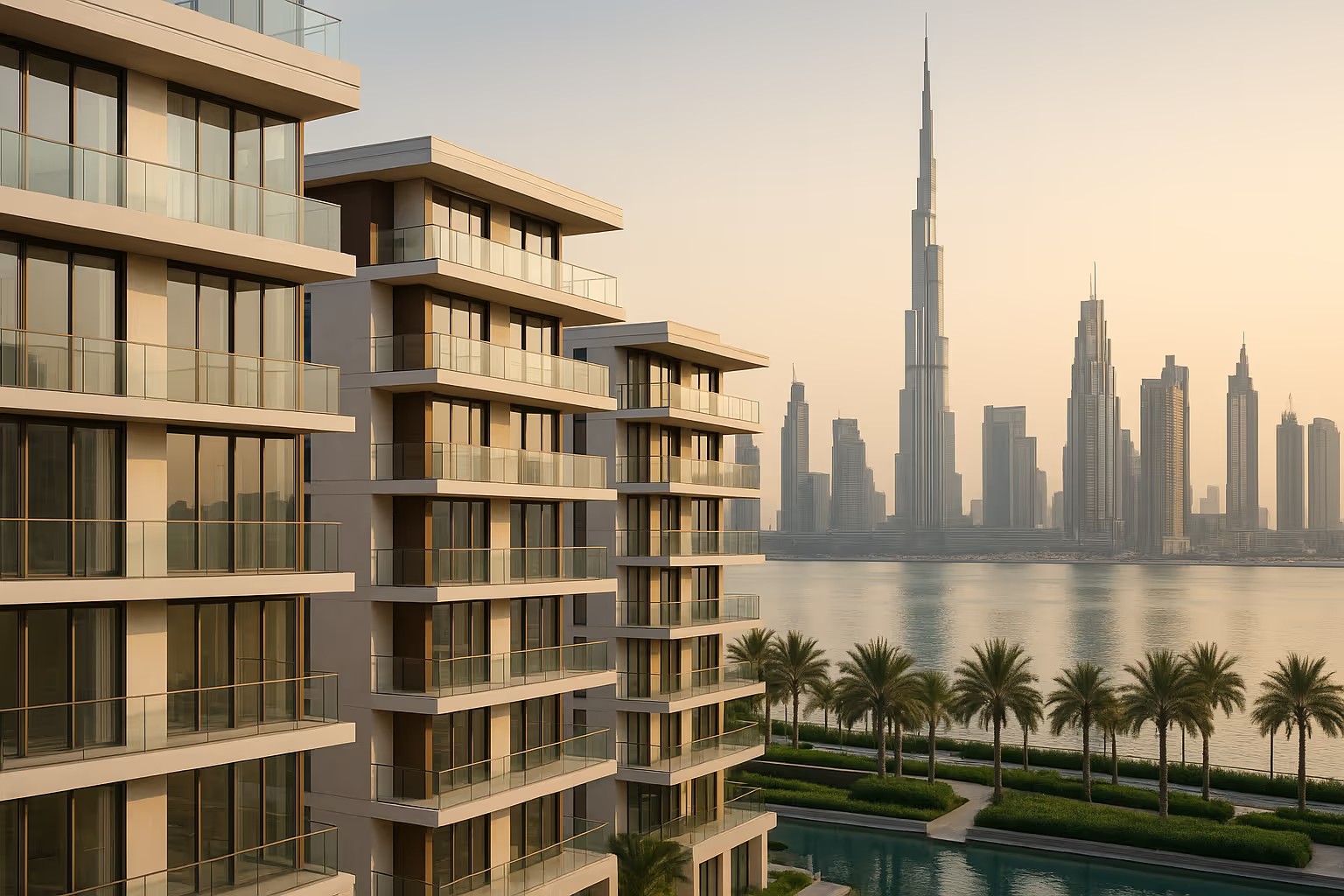
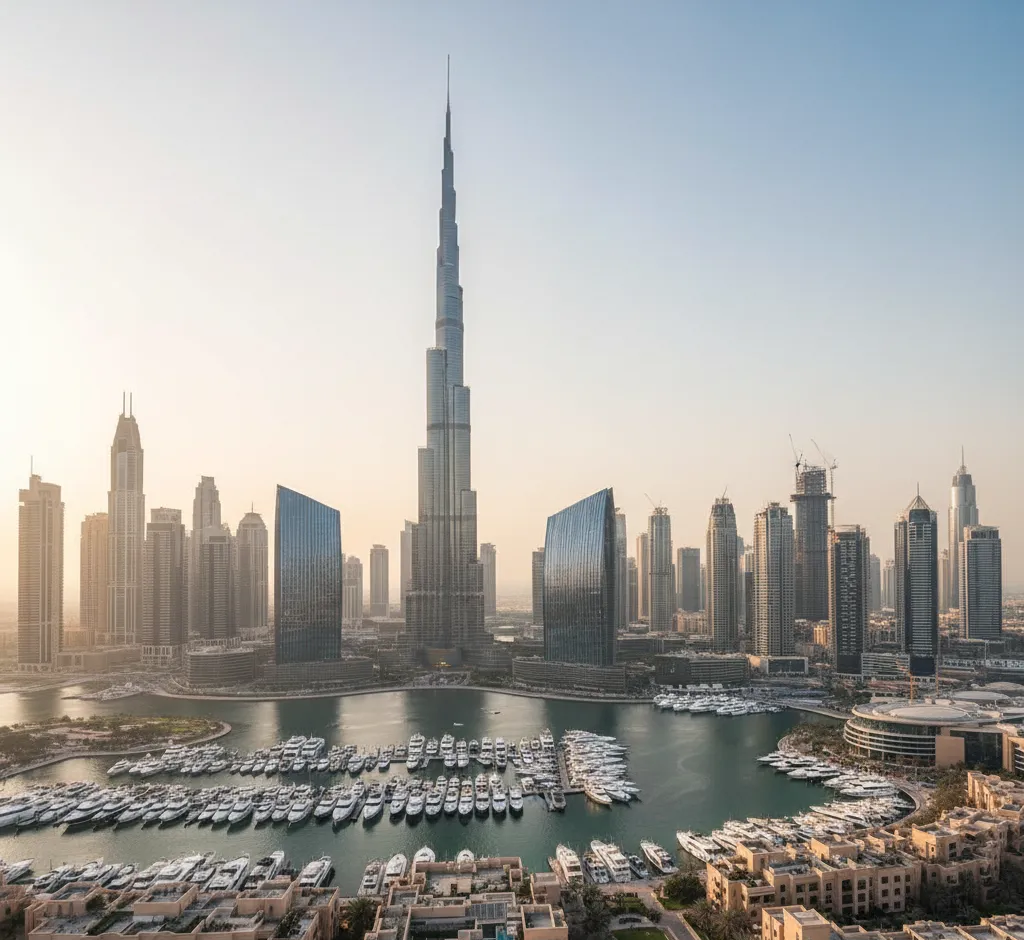
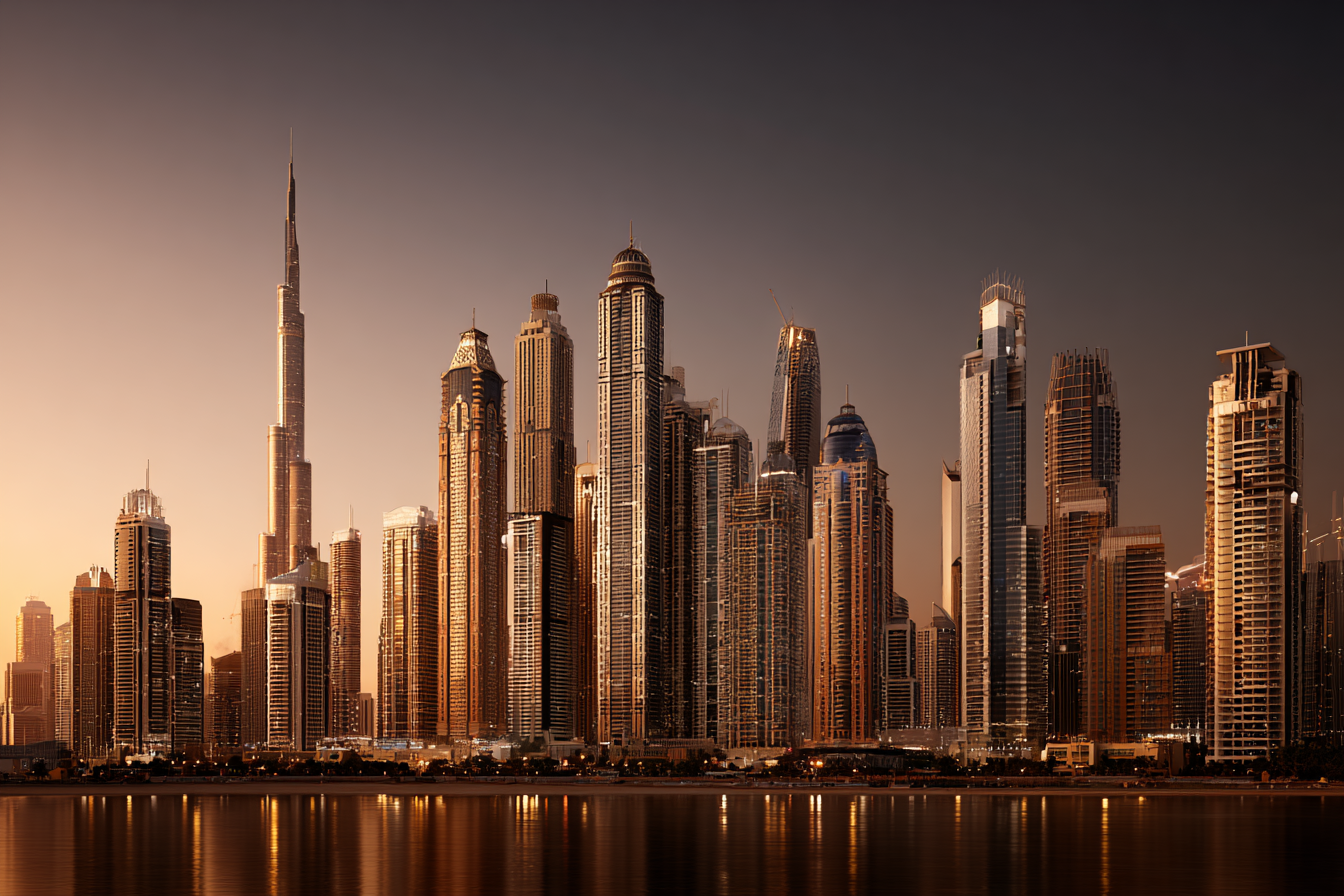
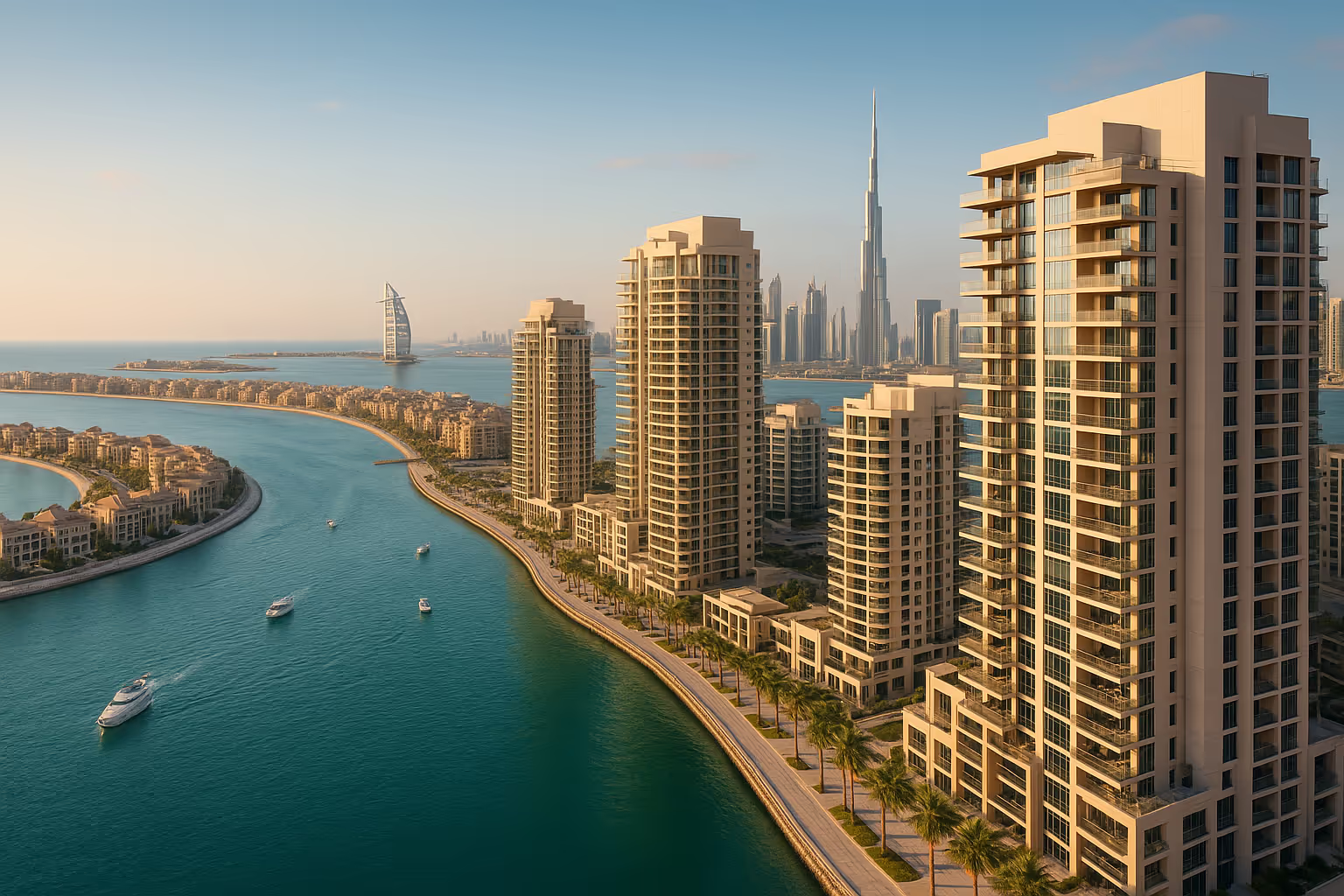
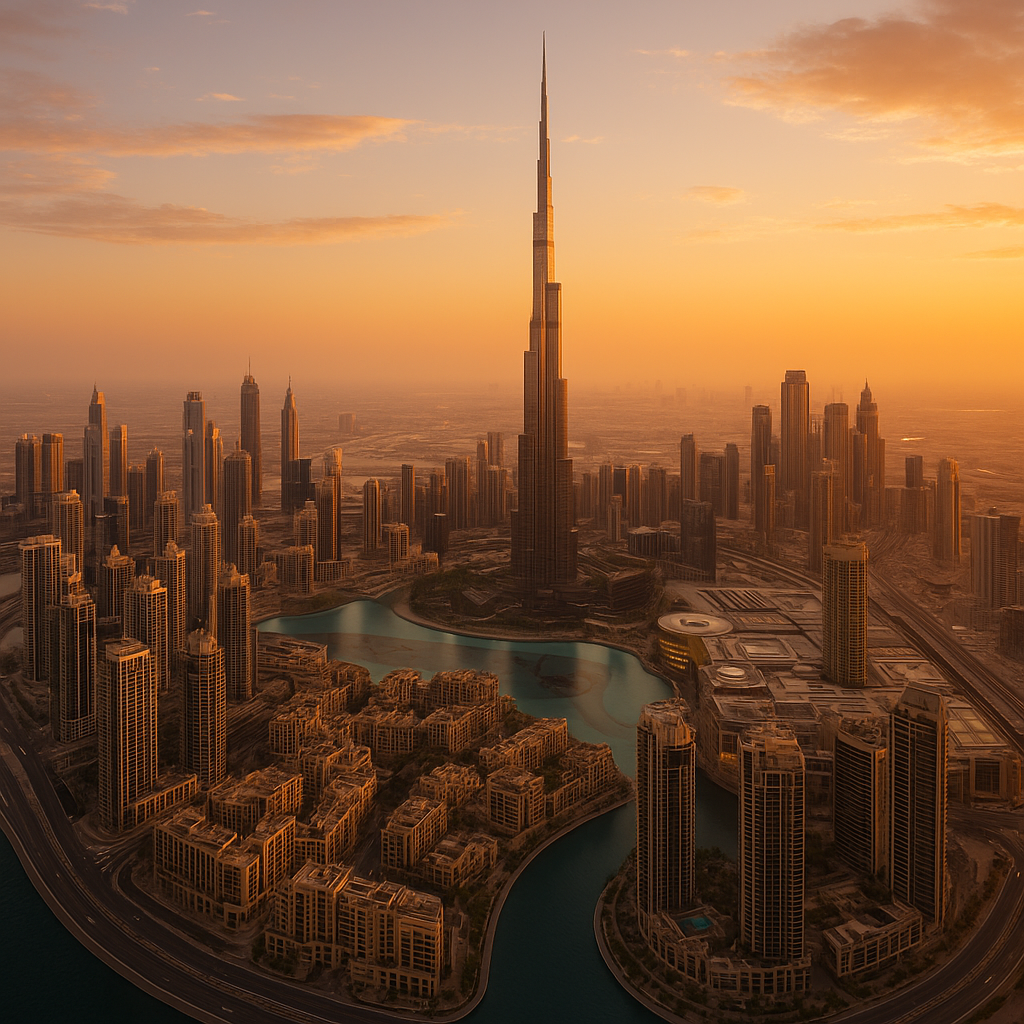
- Luxesegment: Premiumgebieden zoals Palm Jumeirah en Downtown Dubai zagen prijzen in bepaalde segmenten sinds 2020 verdubbelen, met villa's en premiumwoning voorop.
- Off-Plan dominantie: Verkopen van projecten in ontwikkeling overstegen herverkopen, wat vertrouwen in de toekomstige groei van de stad bevestigde.
Marktfase 3: Rijpe stabilisatie (2025 en verder)
In 2025 constateren marktexperts een normalisatie van de markt. De massale stijgingen van 2022 en 2023 zijn gematigd, wat wijst op een gezondere, meer fundamenteel gedreven markt.
- Outlook 2025: De groei blijft positief maar vertraagt tot een duurzamer tempo van ongeveer 5%-8% over de meeste segmenten.
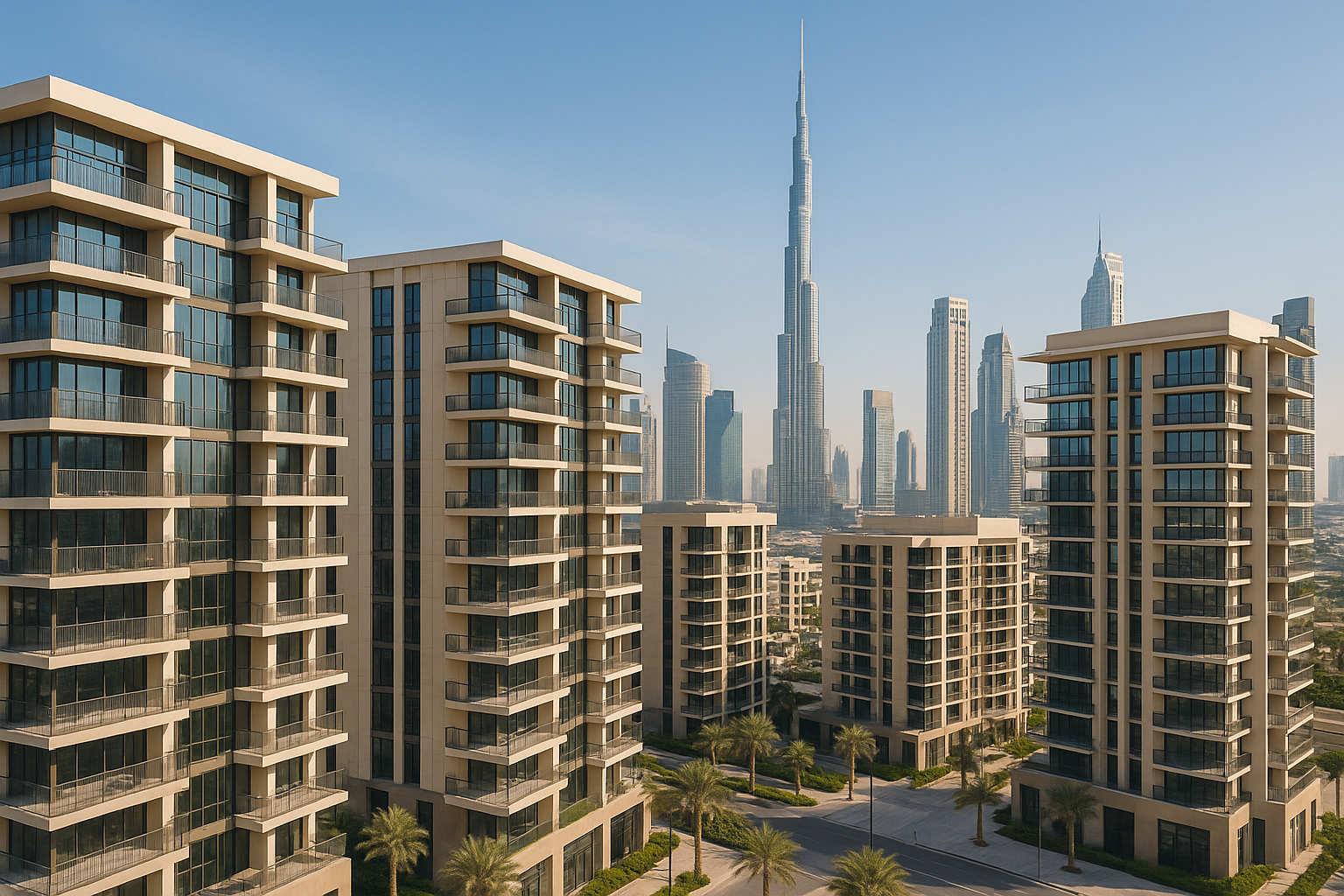
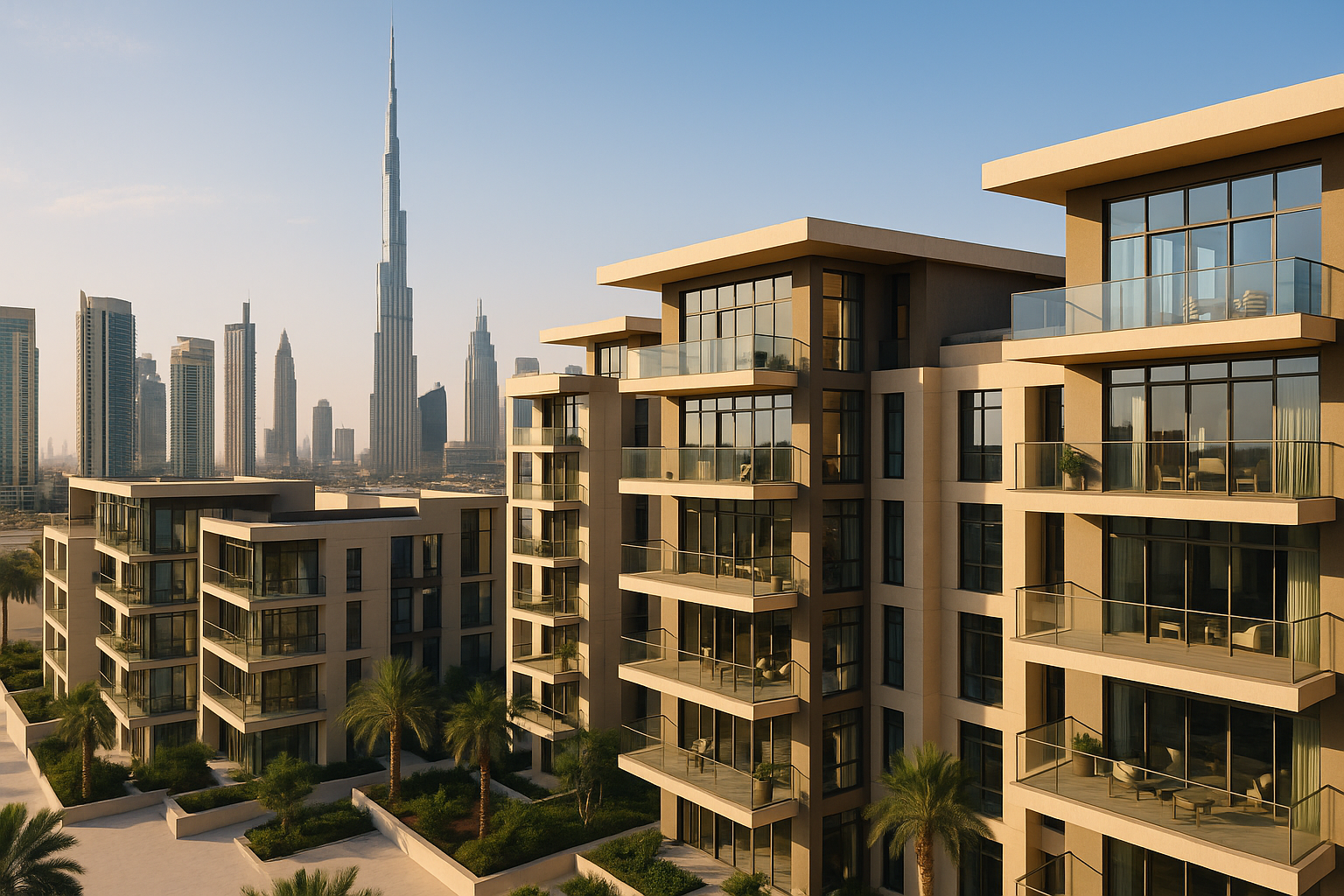
- Focus op appartementen: Hoewel villa's duur blijven, stuwen middenmarkt appartementen in gebieden als Jumeirah Village Circle (JVC) en Dubai Silicon Oasis (DSO) de transactievolume en huuropbrengsten (ROI) aan.
Conclusie voor investeerders
De afgelopen tien jaar tonen aan dat Dubais markt veerkrachtig en innovatief is. Het dieptepunt van 2020 ligt ver achter ons. De huidige fase vraagt om strategisch inzicht:
- Vroeg instappen in Off-Plan projecten die nog in de ontwikkelingsfase verkeren om toekomstige waardegroei te benutten.
- Focus op het middenmarktsegment voor hoge huuropbrengsten en snel verhuringspotentieel.
Bronnen
- Top Luxury Property (mei 2025): Analyse van 10-jaarprijstrends, inclusief de daling van 2015-2020 en herstelherstelpercentages.
- Dubai Land Department (DLD): Officiële transactievolumes en prijsindices voor de periode 2014-2024.
- Marktanalyse (grote makelaars en consultantsbureaus): Geconsolideerde gegevens over gemiddelde prijs per vierkante meter en de prestatie van villa's versus appartementen gedurende de marktcycli.
Meer weten over investeren in Dubai vastgoed?
Wil je dit onderwerp toepassen op jouw situatie? Download de gratis Dubai vastgoed gids, bekijk het actuele Dubai vastgoed aanbod of plan een gratis gesprek met Dubai-Property.nl.








.png)

.png)
.avif)
.avif)





.svg)
.svg)
.svg)