
.svg)


Dubai Vastgoed: Compleet Gids voor de Huizenmarkt, Investeringsmogelijkheden en Financiering
Introductie
Meegroeien met economische groei spreekt veel ondernemers aan, en Dubai vastgoed staat volop in de schijnwerpers. De visie van een internationale stad met torenhoge wolkenkrabbers, een levendige cultuur en talrijke zakelijke kansen spreekt tot de verbeelding. In deze gids duiken we in de belangrijkste aspecten van de Dubai huizenmarkt, van de basisprincipes tot de nieuwste trends. Ons doel is je een duidelijk en uitgebreid beeld te geven van alle mogelijkheden en aandachtspunten.
De voornaamste reden om in Dubai te investeren komt vaak voort uit de belastingvoordelen en solide infrastructuur. Bovendien heeft de stad een unieke aantrekkingskracht voor expats van over de hele wereld. Of je nu een woning voor uzelf zoekt of een eigendom in overweging neemt voor huurinkomsten, er zijn ontelbare mogelijkheden om in Dubai te investeren. De lokale regering en autoriteiten zoals het Dubai Land Department maken duidelijk welke stappen buitenlandse investeerders moeten nemen om vastgoedeigenaar te worden.
Met deze uitgebreide gids kun je aan de slag gaan, ongeacht je ervaring op de vastgoedmarkt. We stellen je in staat om te begrijpen wat je moet overwegen bij het kiezen van een hypotheek in Dubai of het gebruikmaken van andere vormen van vastgoedfinanciering. We besteden ook aandacht aan het belang van locatiekeuze en het volgen van Dubai vastgoedtrends, zodat je competitief blijft.
Eerder hebben verschillende rapporten van makelaarsbureaus en internationale onderzoeksfirma's bevestigd dat er blijvende vraag bestaat naar residentiële eigendommen, kantoren en winkelvastgoed. Met andere woorden, als je goed geïnformeerd bent, kun je profiteren van wat wellicht de meest veelbelovende markt in het Midden-Oosten op dit moment is. Laten we samen de redenen, processen en tips onderzoeken die relevant zijn voor investeren in Dubai vastgoed.
Overzicht van de Dubai Huizenmarkt
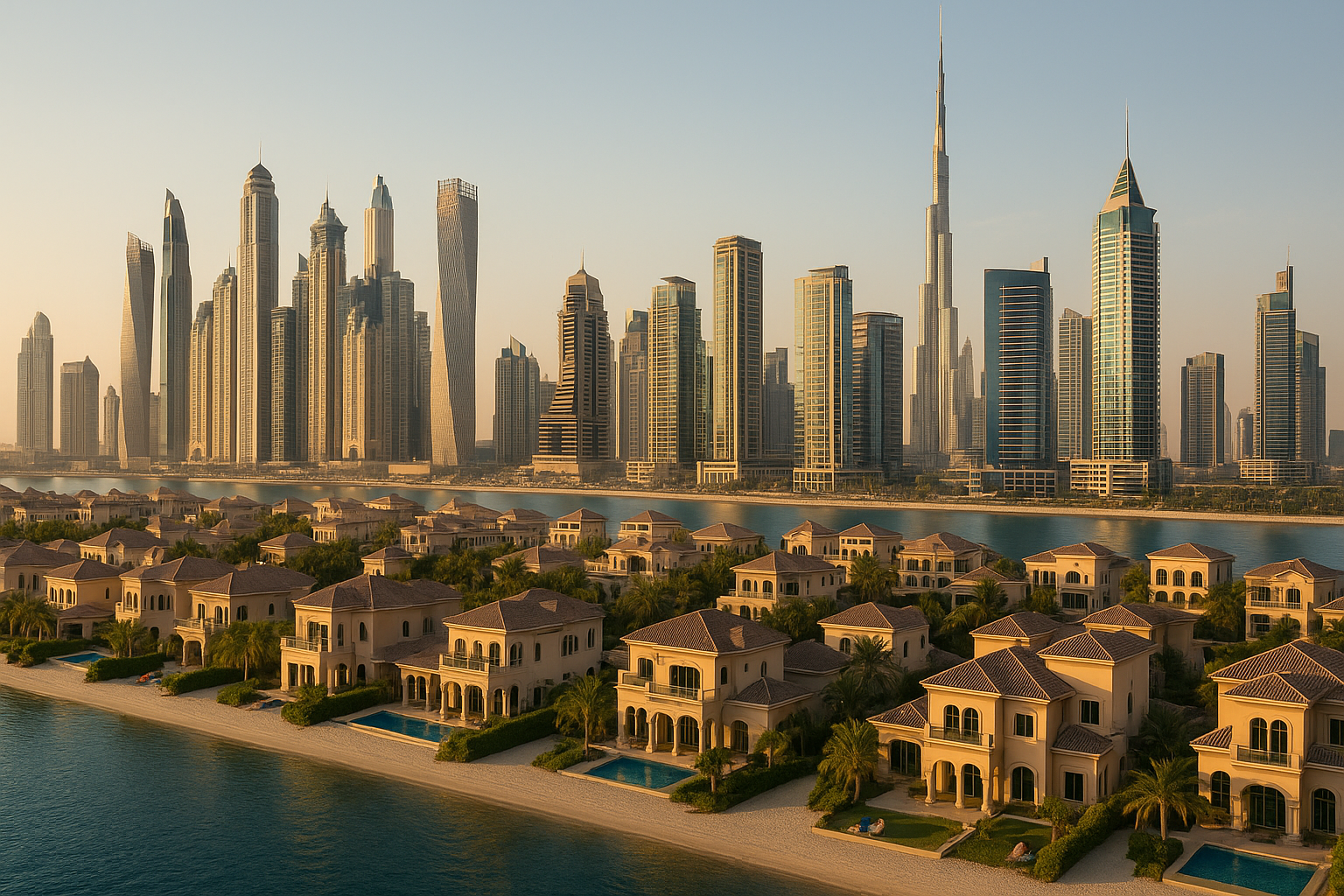
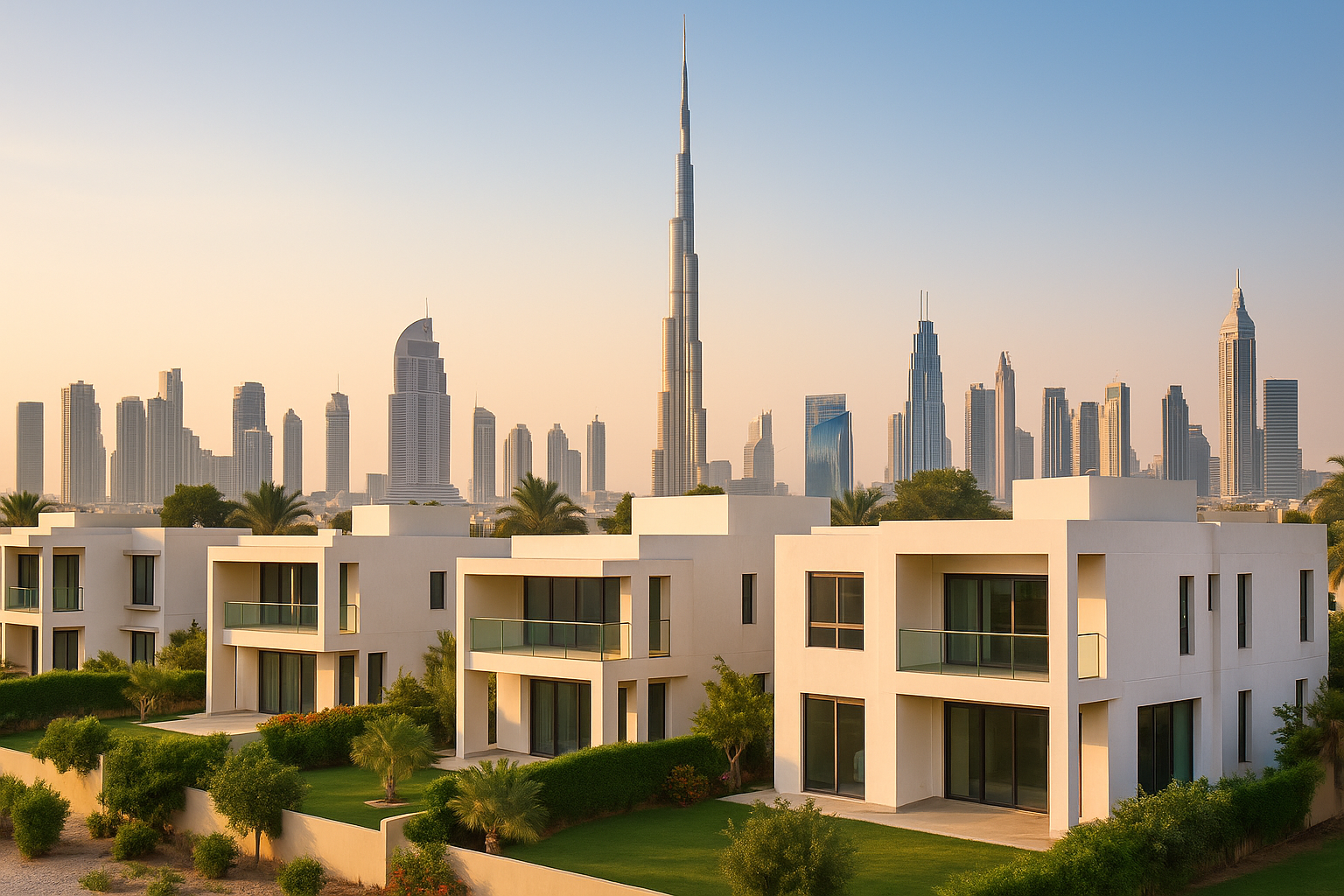
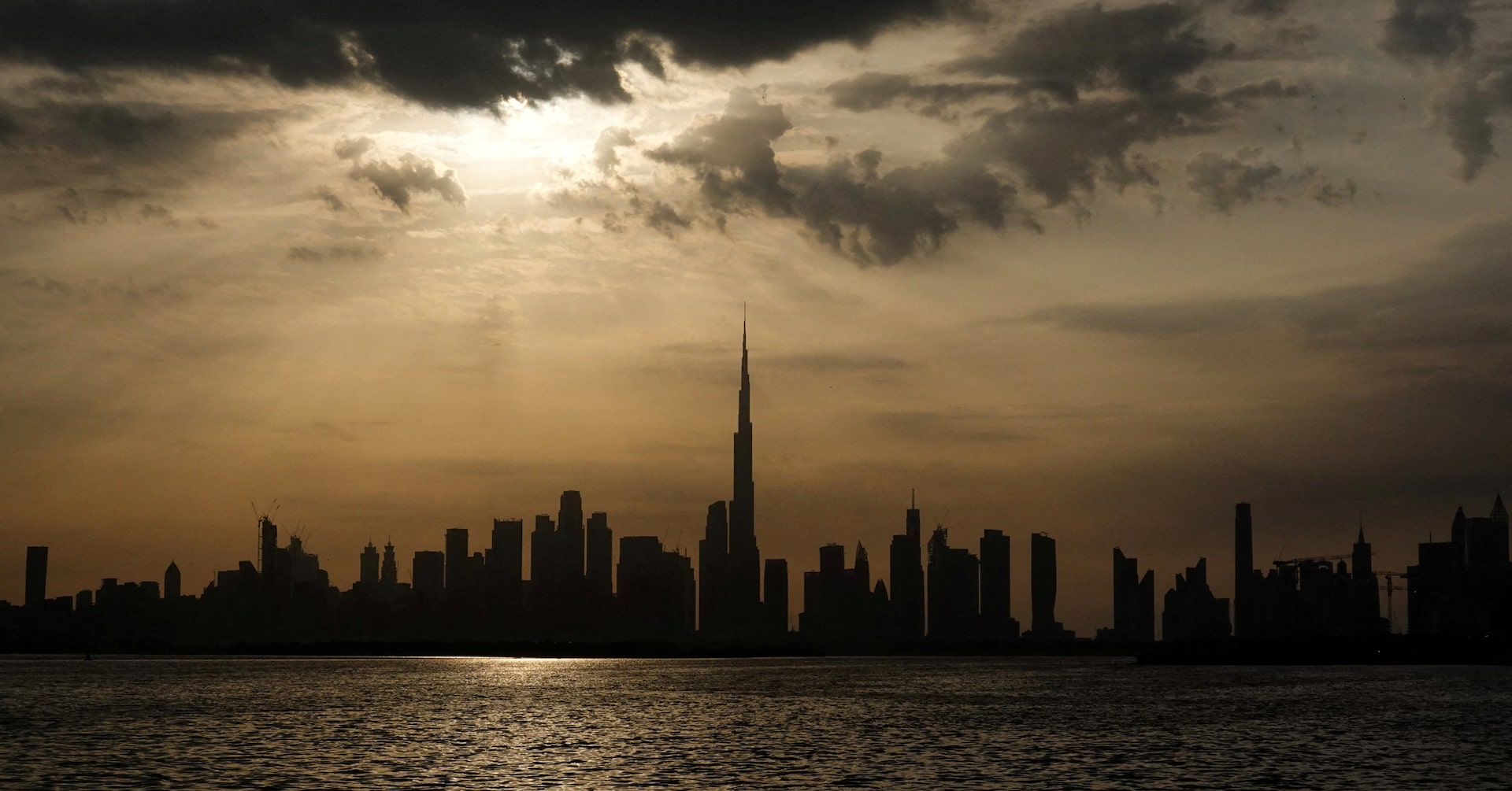
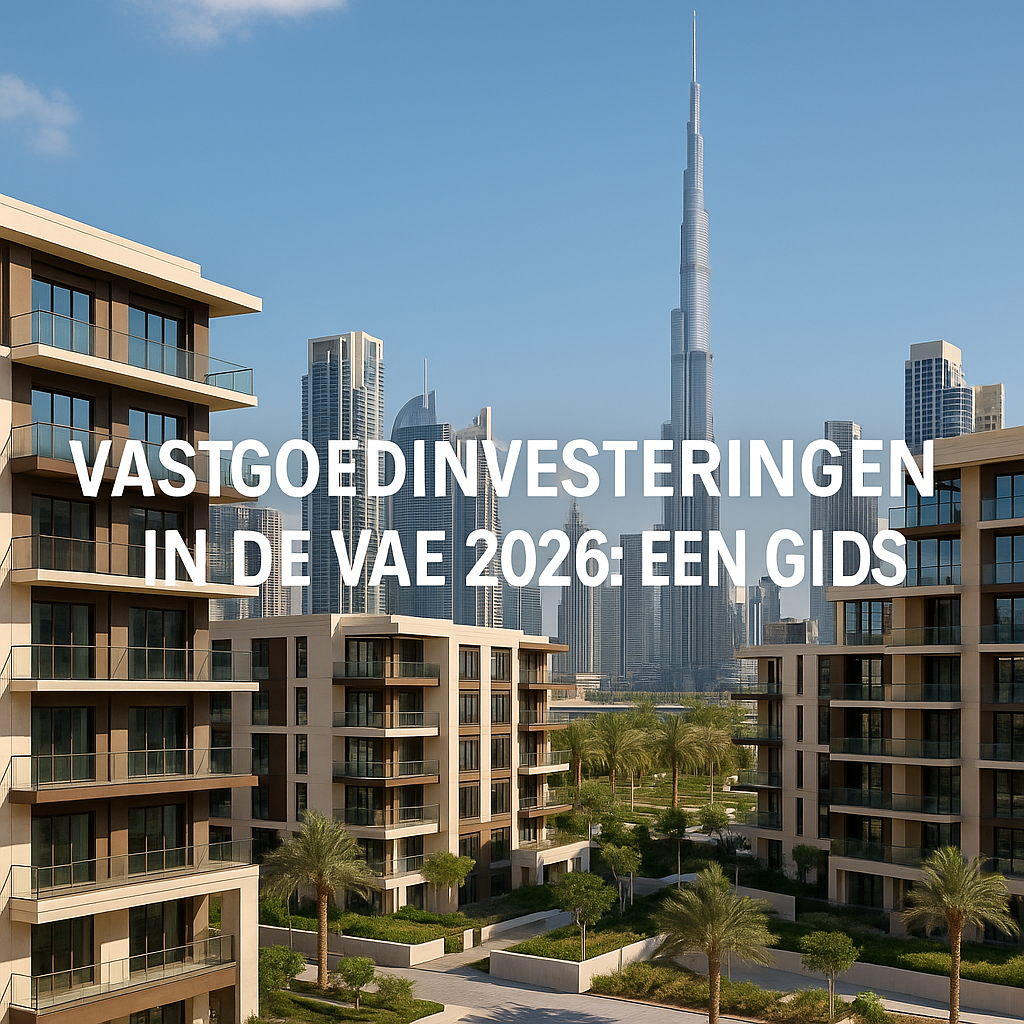
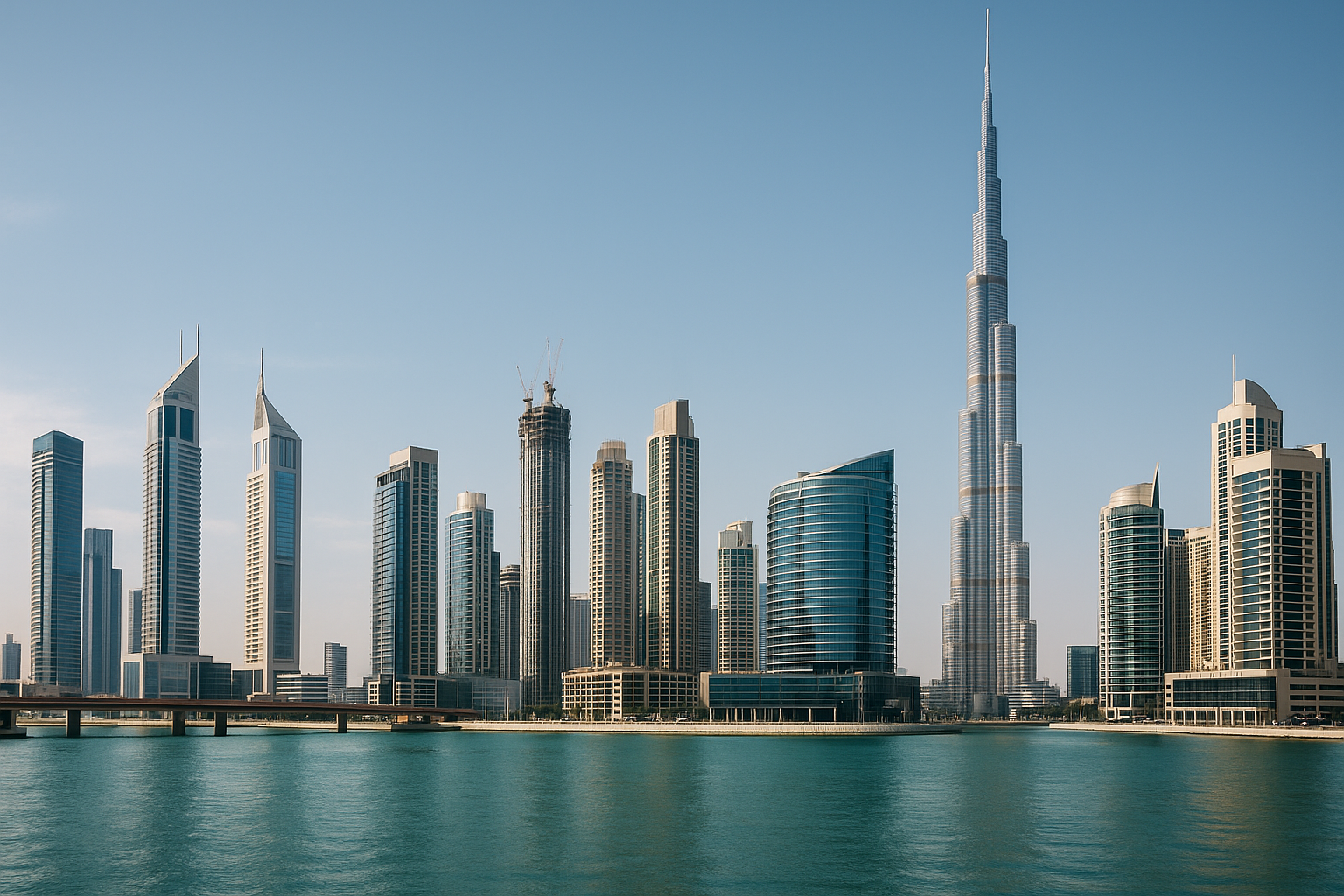
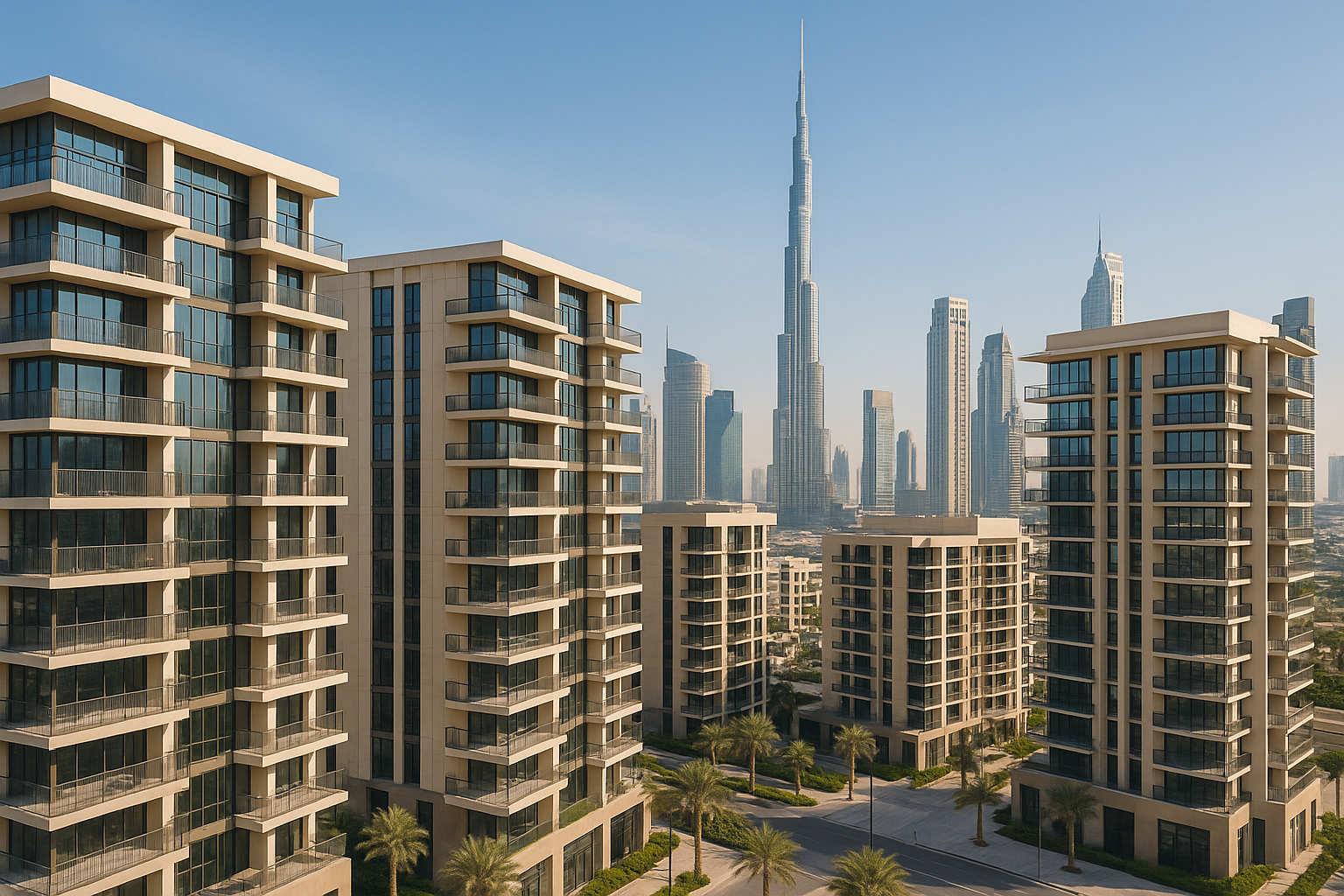
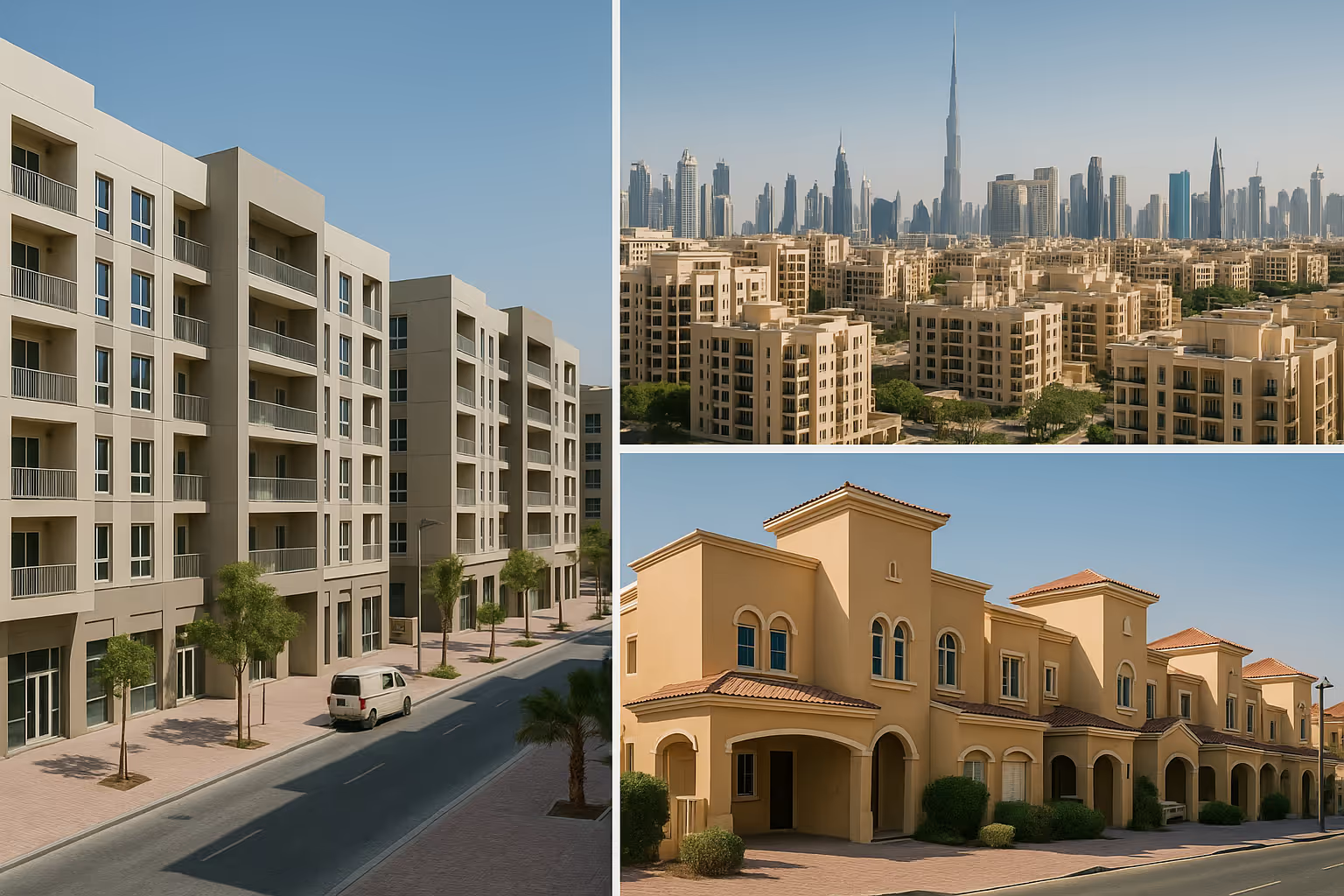
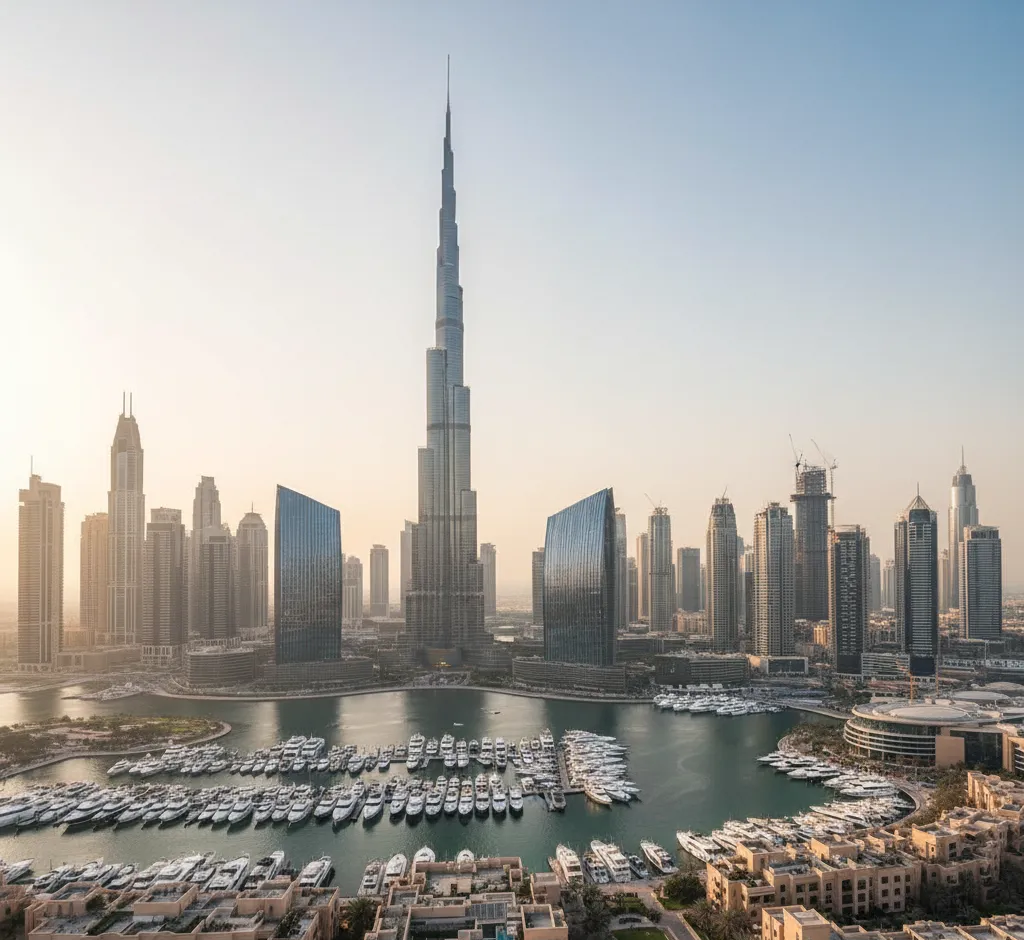
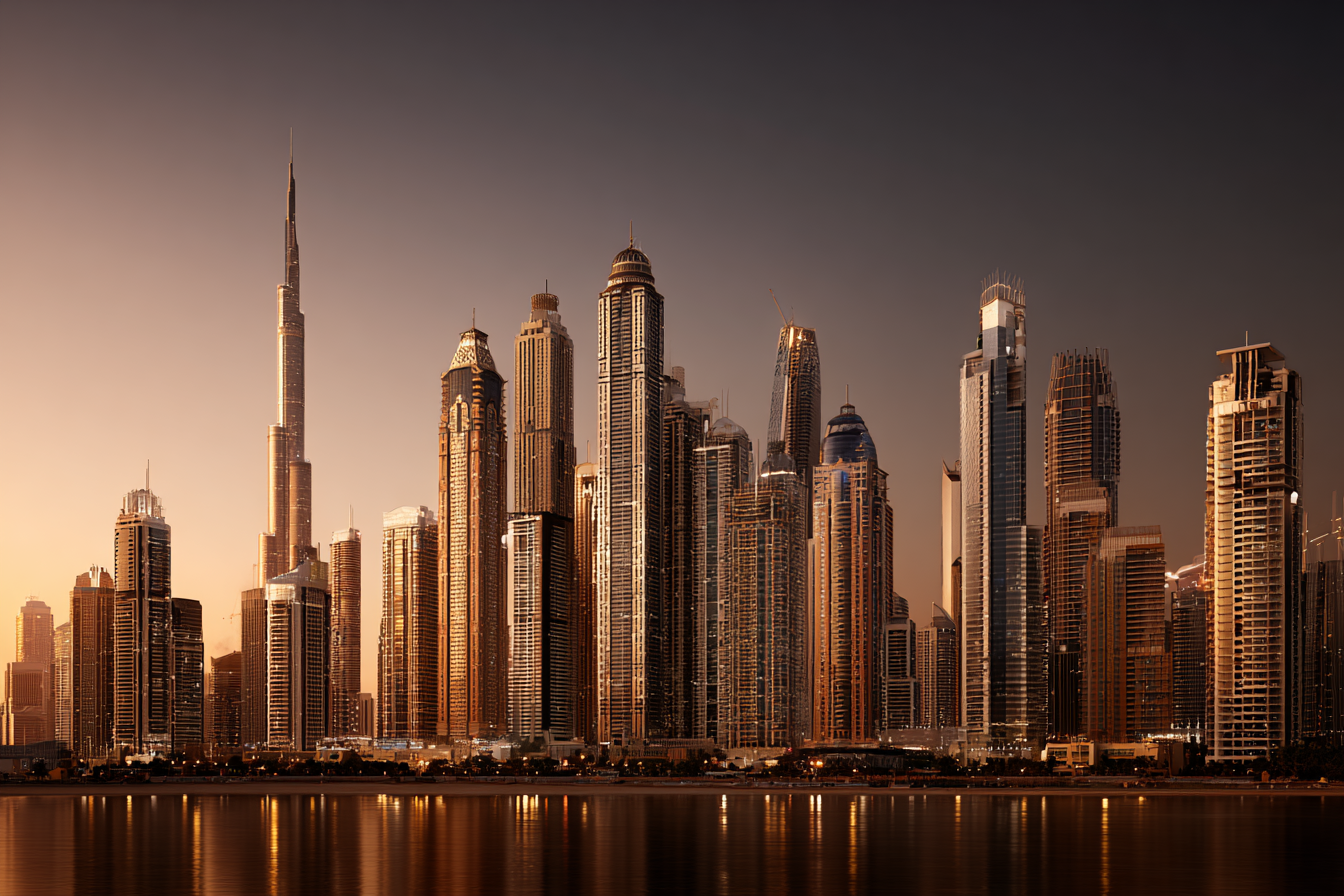
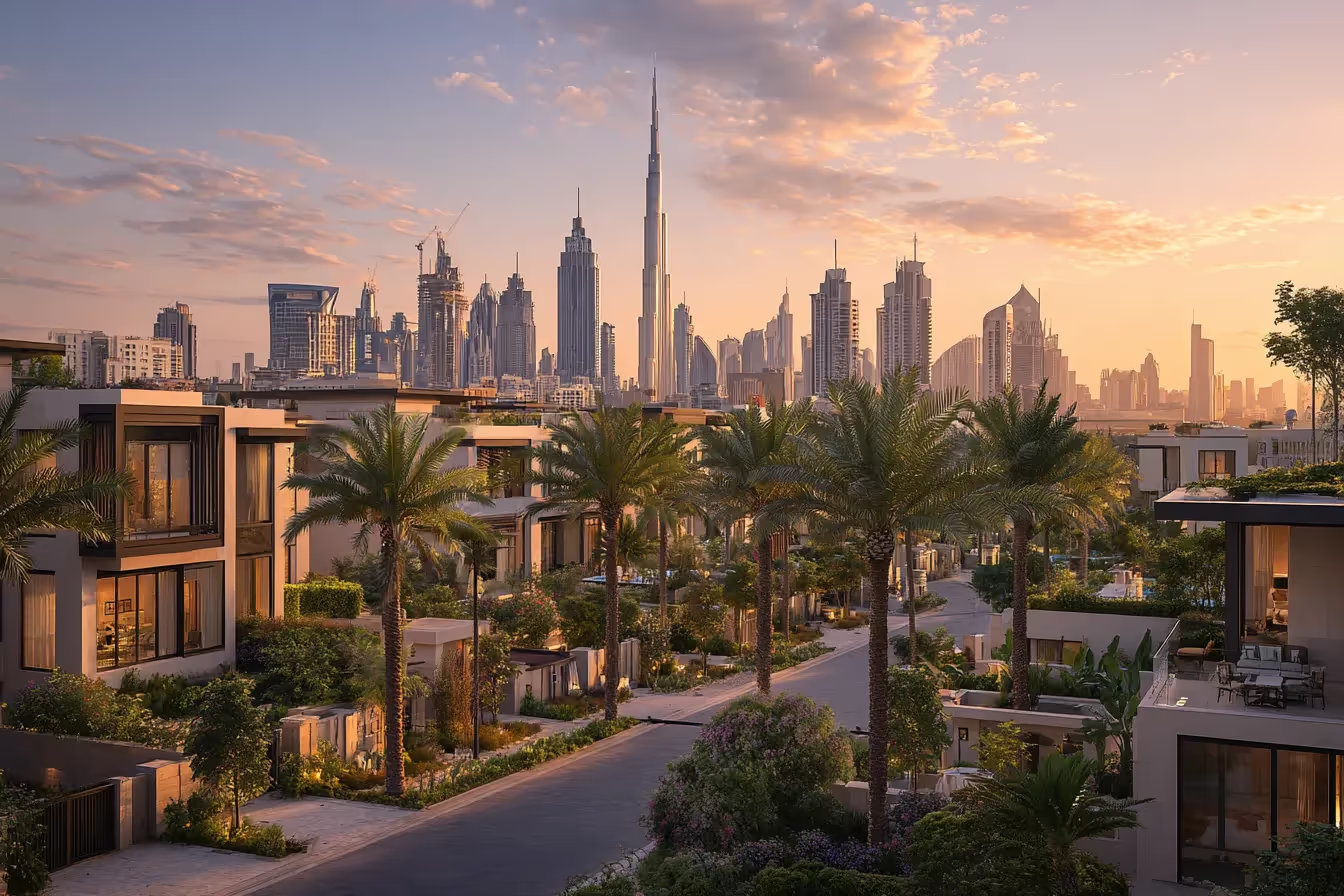
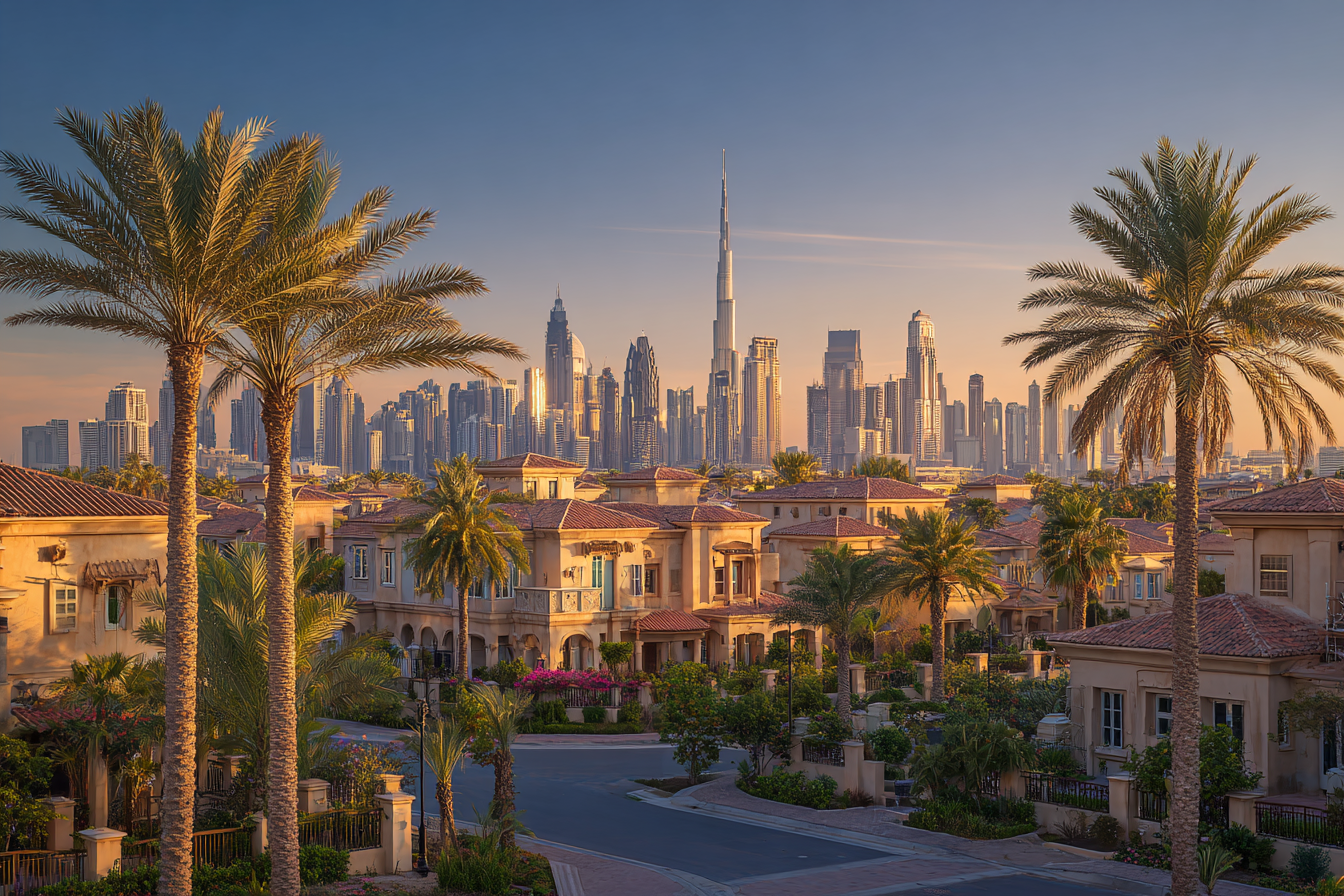
De Dubai huizenmarkt is uitgebreid en biedt voor iedereen iets. Van torenhoge wolkenkrabbers langs Sheikh Zayed Road tot rustige villa-gemeenschappen aan de randen, de verscheidenheid is enorm. Door de aanwezigheid van talrijke expats en internationale bedrijven blijft de woningvraag consistent sterk. Grote spelers in vastgoedanalyse, zoals Savills en Global Property Guide, stellen vast dat Dubai consistent hoge verkoop- en verhuurcijfers ziet. Nieuwe projecten worden ook jaarlijks afgerond, wat luxe residences en mid-range appartementen aan het aanbod toevoegt.
Een van de drijvende krachten achter deze consistente groei is de regering, die de vastgoedmarkt via verschillende maatregelen stimuleert. Er zijn zones waar buitenlandse investeerders volledige eigendomsrechten kunnen verwerven - iets wat in veel andere landen beperkt is. De vrijhandelszones zijn populair bij startups, wat de vraag naar werknemershuisvesting verhoogt. Tegelijkertijd blijft Dubai investeren in toerisme, wat ook positief uitwerkt op de vastgoedsector.
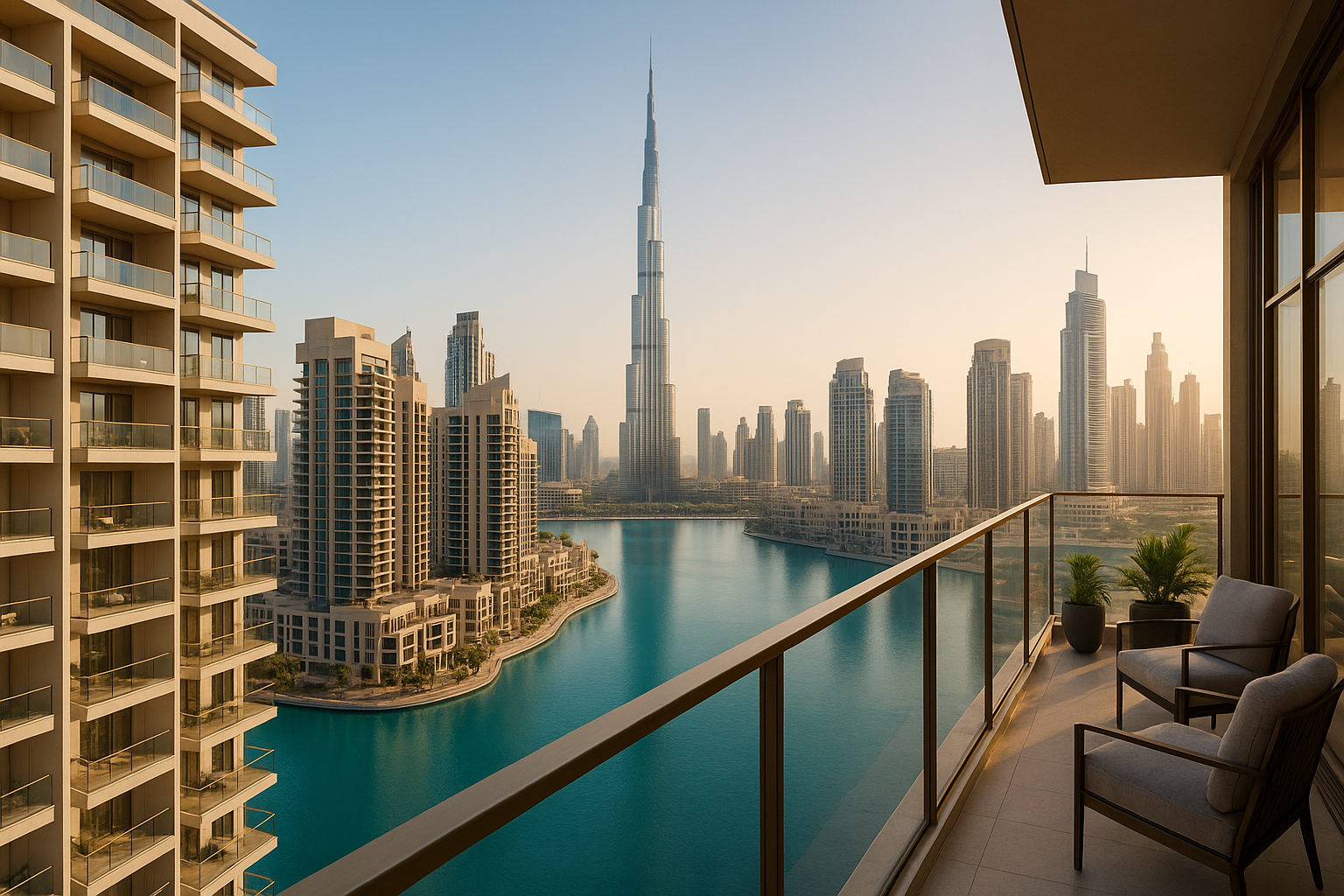
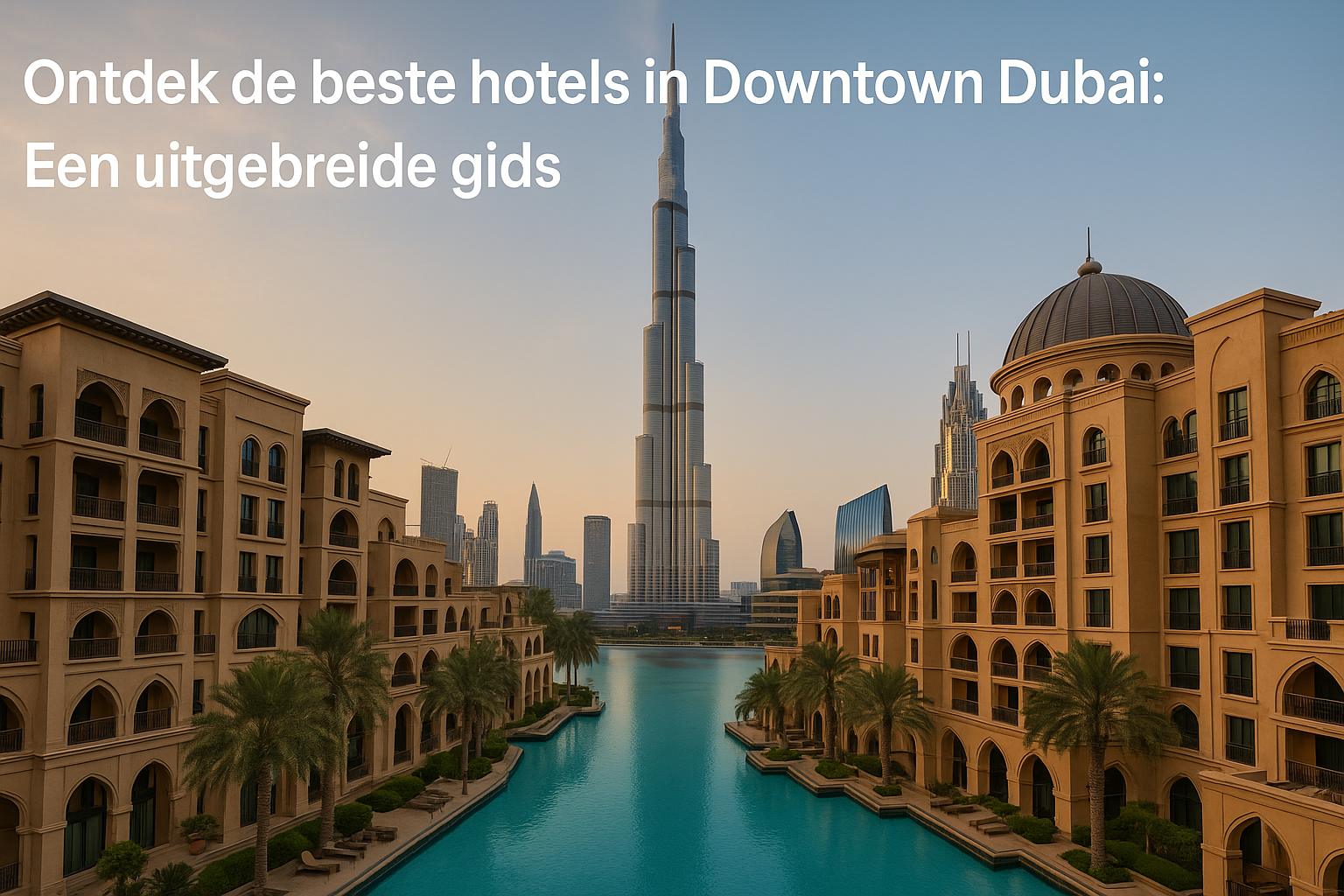
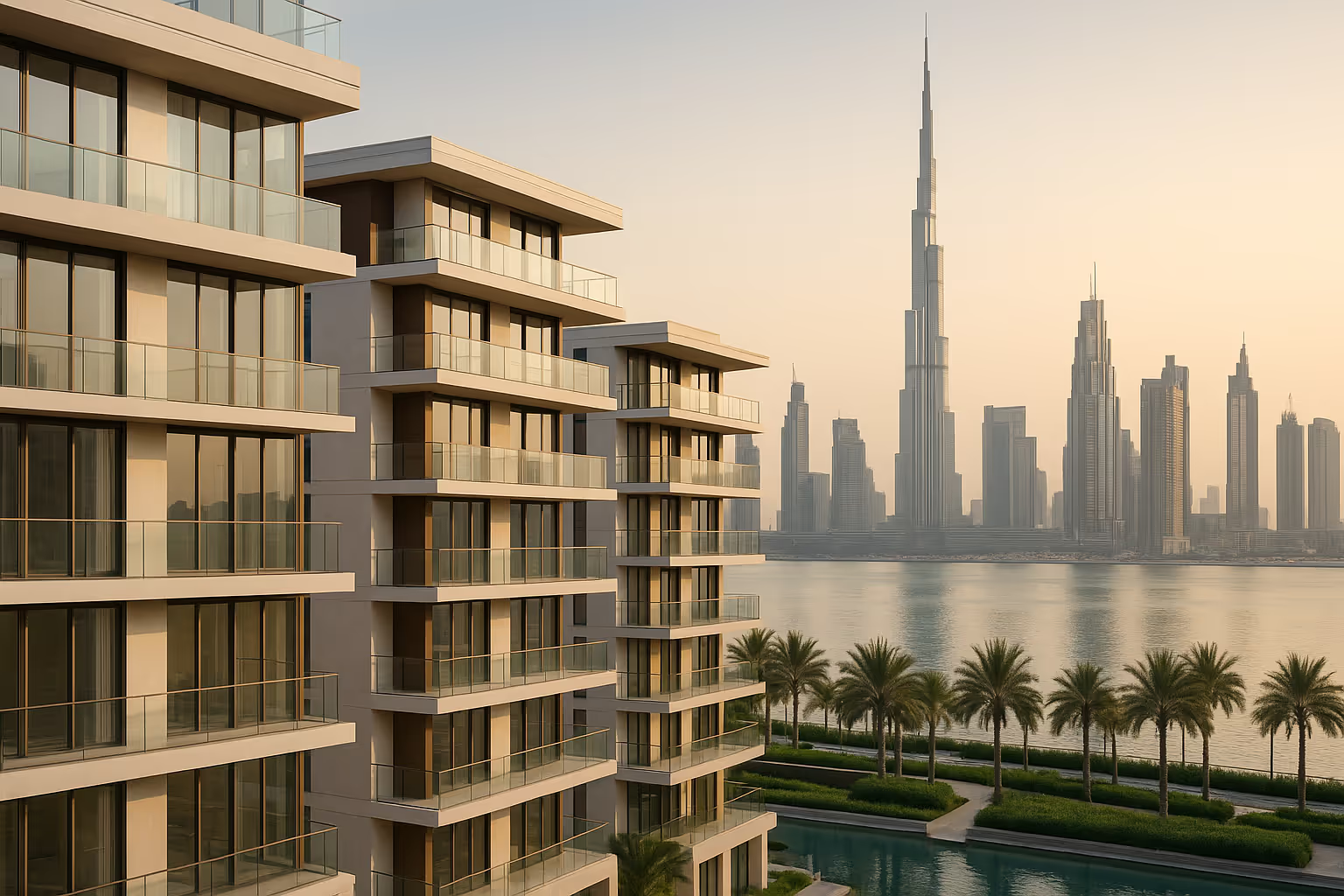
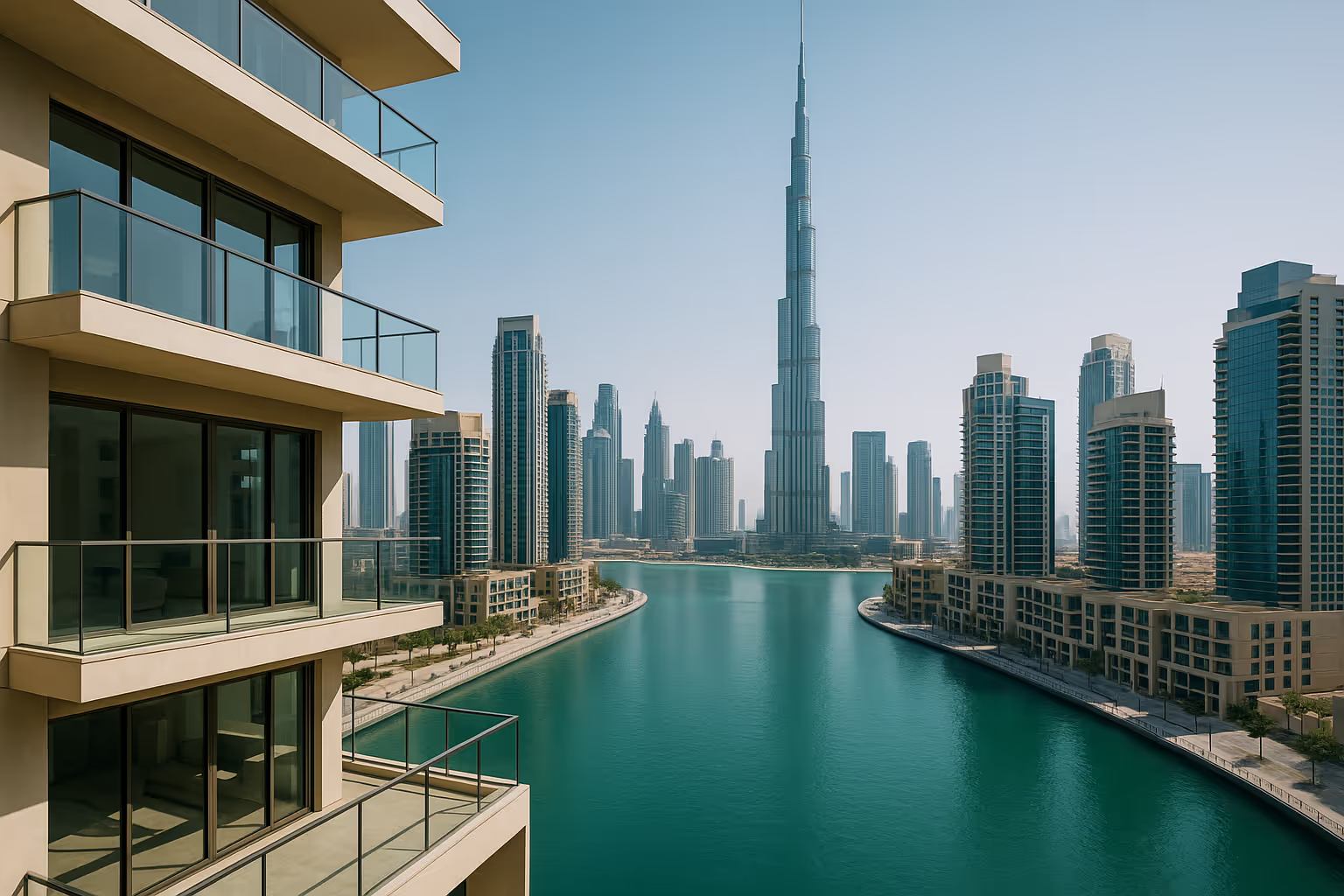
De stabilisering van huurprijzen is een nieuwe trend. Na jaren van stijgingen is het natuurlijk dat de markt in bepaalde gebieden zich heroriënteert. Dit leidt tot een gezonder evenwicht tussen aanbod en vraag. Men mag echter niet vergeten dat in de meest gezochte buurten de concurrentie onder huurders fel blijft. Denk aan gebieden als Downtown Dubai of Dubai Marina, waar de vraag naar hoogwaardig afgewerkte eigendommen altijd sterk blijft.
Om te begrijpen waar de mogelijkheden liggen, is het essentieel om de gegevens van het Dubai Land Department te volgen. Deze autoriteit registreert alle transacties en publiceert statistieken over prijsschommelingen en trends. Het is verstandig om marktrapportages zelf te raadplegen of met lokale experts te spreken. Veel investeerders combineren de gegevens met hun eigen strategie, zodat zij exact weten welke buurten of eigendomstypes het beste zijn om in te investeren. Voor diepgaande informatie over bevolkingsgroei en de impact ervan op de huizenmarkt, zie dit uitgebreide artikel.
Investeringsmogelijkheden en het Proces van Investeren in Dubai
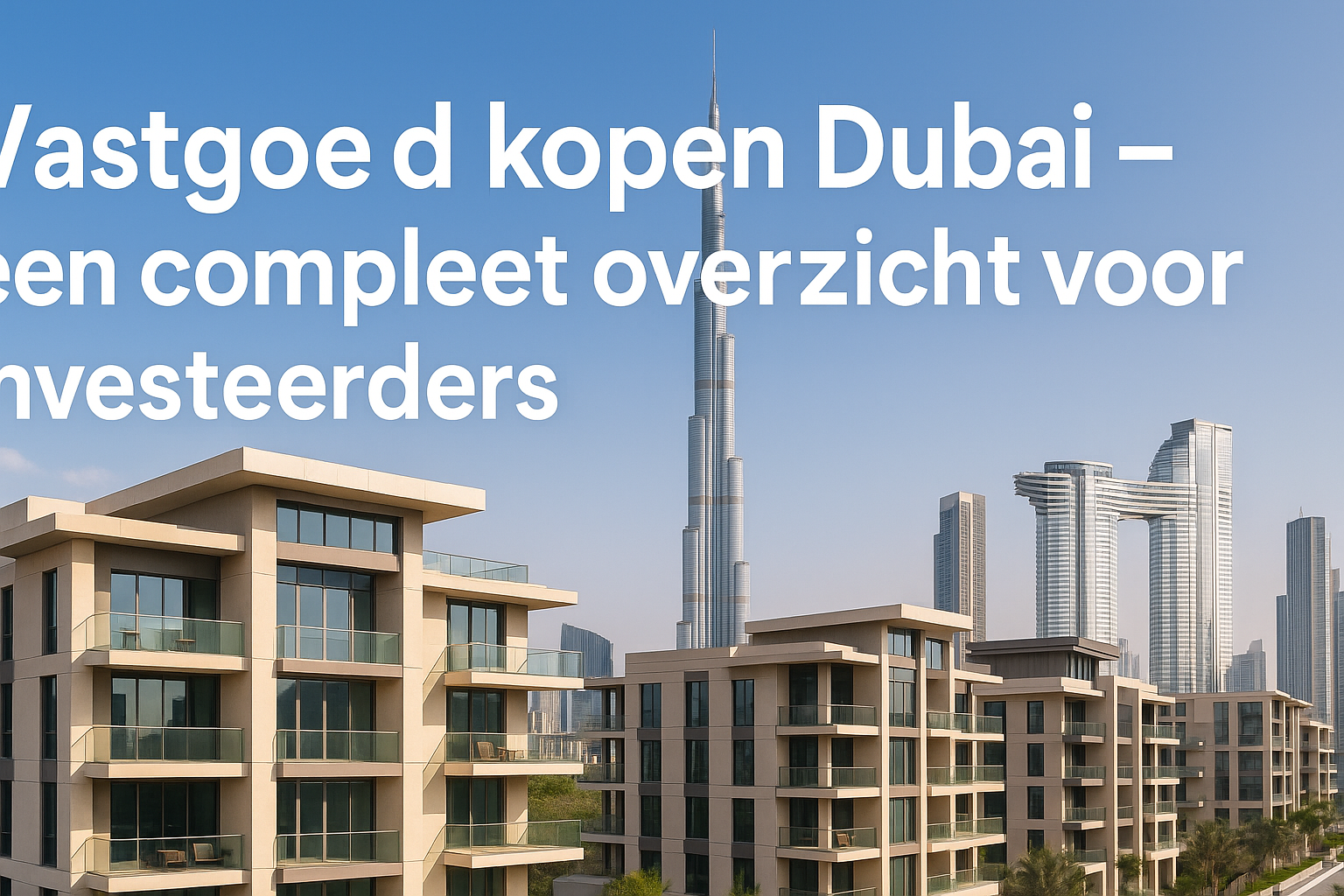
Wie overweegt in Dubai te investeren, doet er goed aan eerst het brede scala aan mogelijkheden te verkennen. Je zou residentieel vastgoed kunnen overwegen, zoals appartementen en villa's, maar ook commercieel vastgoed zoals kantoorruimte of winkels. Een groot voordeel is dat je dankzij het "freehold" systeem in aangewezen zones als buitenlander volledige eigendom hebt. Dit maakt Dubai uniek vergeleken met andere Golfstaten en aantrekkelijk voor internationale investeerders die naar duidelijke eigendomsrechten zoeken.
Het Dubai Land Department speelt een cruciale rol in het proces. Ze registreren alle eigendomsoverdrachten en bieden een transparant platform met informatie over vastgoedtransacties. Investeren in Dubai volgt doorgaans een gestructureerd proces: je onderzoekt de locatie, verifieert de makelaar en notaris, en controleert dat alle juridische documenten in orde zijn. Denk aan akten van eigendom, bouwvergunningen en contracten. Houd er ook rekening mee dat je mogelijk een geldig visum nodig hebt, afhankelijk van de duur van je verblijf. Meer details vind je in de visumgids voor Nederlandse burgers.
Een interessante benadering is het kopen van off-plan vastgoed - projecten die nog onder constructie staan of in de ontwerpfase. Dit kan financieel aantrekkelijk zijn, omdat projectontwikkelaars vaak competitieve betalingsplannen bieden. De uitdaging is echter dat voltooiingstermijnen kunnen verschuiven. Je hebt daarom een duidelijk beeld nodig van de reputatie van de projectontwikkelaar en de verwachte groei van de buurt waar constructie plaatsvindt. Een gouden tip is om naar de track record van eerder afgeleverde projecten van de ontwikkelaar te kijken.
Bovendien is het werken met erkende makelaars en juridische adviseurs essentieel. Ze helpen niet alleen het juiste eigendom te vinden, maar zorgen er ook voor dat alle papierwerk correct wordt ingevuld. Door deze zorgvuldigheid na te leven, vermijdt je op lange termijn onaangename verassingen. Als je meer wilt lezen over de details van investeren in Dubai, inclusief nuttige tips over rendement en veelvoorkomende valkuilen, bezoek dit artikel. Het biedt inzicht in het financiële potentieel en geeft richtlijnen voor risicominimalisatie.
Financiering en Hypotheekopties in Dubai
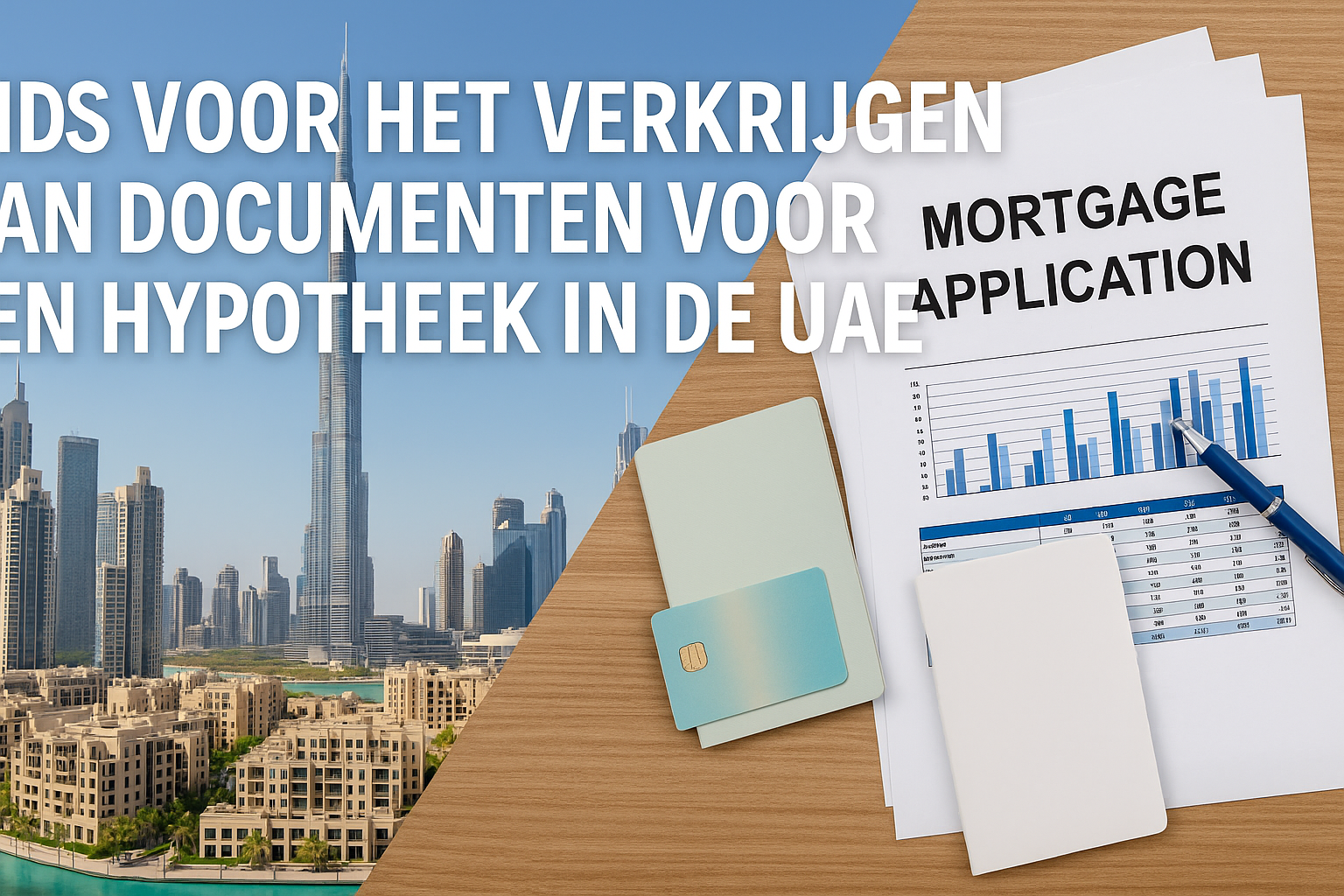
De meeste particuliere kopers die vastgoed in Dubai aankopen maken gebruik van financiering of een hypotheek. Een Dubai hypotheek is zeker niet beperkt tot inwoners van de Verenigde Arabische Emiraten; expats kwalificeren ook, mits zij aan bepaalde inkomenseisen en kredietchecks voldoen. Banken vereisen doorgaans een aanbetaling van 20% tot 50%, afhankelijk van het type aankoop en het risicoprofiel. Rentetarieven fluctueren, dus het is verstandig om offertes van meerdere kredietverstrekkers op te vragen.
Naast reguliere banken in Dubai zijn er internationale banken die hypotheken voor de lokale markt aanbieden. Je zou daarom kunnen overwegen of het voordeliger is om met een bank uit je thuisland te werken of met een lokale bank die de Dubai markt op zijn duimpje kent. De voorwaarden kunnen aanzienlijk verschillen, en het is belangrijk om te bepalen of je de voorkeur geeft aan een vast of variabel tarief en welke looptijd voor je het best uitkomt. In sommige gevallen zijn combinatieopties beschikbaar die je kunnen profiteren van carrière- of inkomstenbijzonderheden.
Dubai vastgoedfinanciering gaat niet alleen over de rentevoet. Valutarisico's spelen ook een rol, vooral wanneer je inkomsten niet in Dirham worden uitbetaald. Een plotselinge wisselkoersverandering kan je maandelijkse betalingen beïnvloeden. Bovendien stellen sommige kredietverstrekkers strikte voorwaarden op vervroegde aflossing, boetes of verhuring van je eigendom aan derden. Dit zijn aspecten die je zorgvuldig moet controleren voordat je een contract ondertekent. Het kan de moeite waard zijn om juridisch advies in te winnen van specialisten met ervaring in lokale wetgeving en praktijken.
Als je wilt dat het aankopingsproces soepel verloopt, begin vroeg met het vergelijken van aanbiedingen. Vaak vinden kopers een geschikt eigendom alleen om te ontdekken dat de hypotheekregeling duurder is dan verwacht. Wees proactief: vraag rentetarieven op, lees recensies van andere expat-kopers en raadpleeg vastgoedadviseurs. Op deze manier kun je zeker zijn dat je de meest gunstige voorwaarden hebt en dat je financiering naadloos aansluit op je persoonlijke en financiële situatie. Een nuttige bron voor betaalbare opties vind je in deze gids.
Marktupdate en Trends in Dubai Vastgoed
De vraag hoe de markt evolueert staat op ieders lijstje. Dubai is de afgelopen jaren uitgegroeid tot een van de meest dynamische steden ter wereld, gedreven door aanhoudende bevolkingsgroei, infrastructuurinvesteringen en toenemend toerisme. Toch voorspellen analisten dat na enkele jaren van aanzienlijke huuraanpassingen een fase van relatieve stabilisering aanstaande is. Dit betekent niet dat de markt afkoelt; veeleer ontstaat er een natuurlijk evenwicht tussen kopers en verkopers.
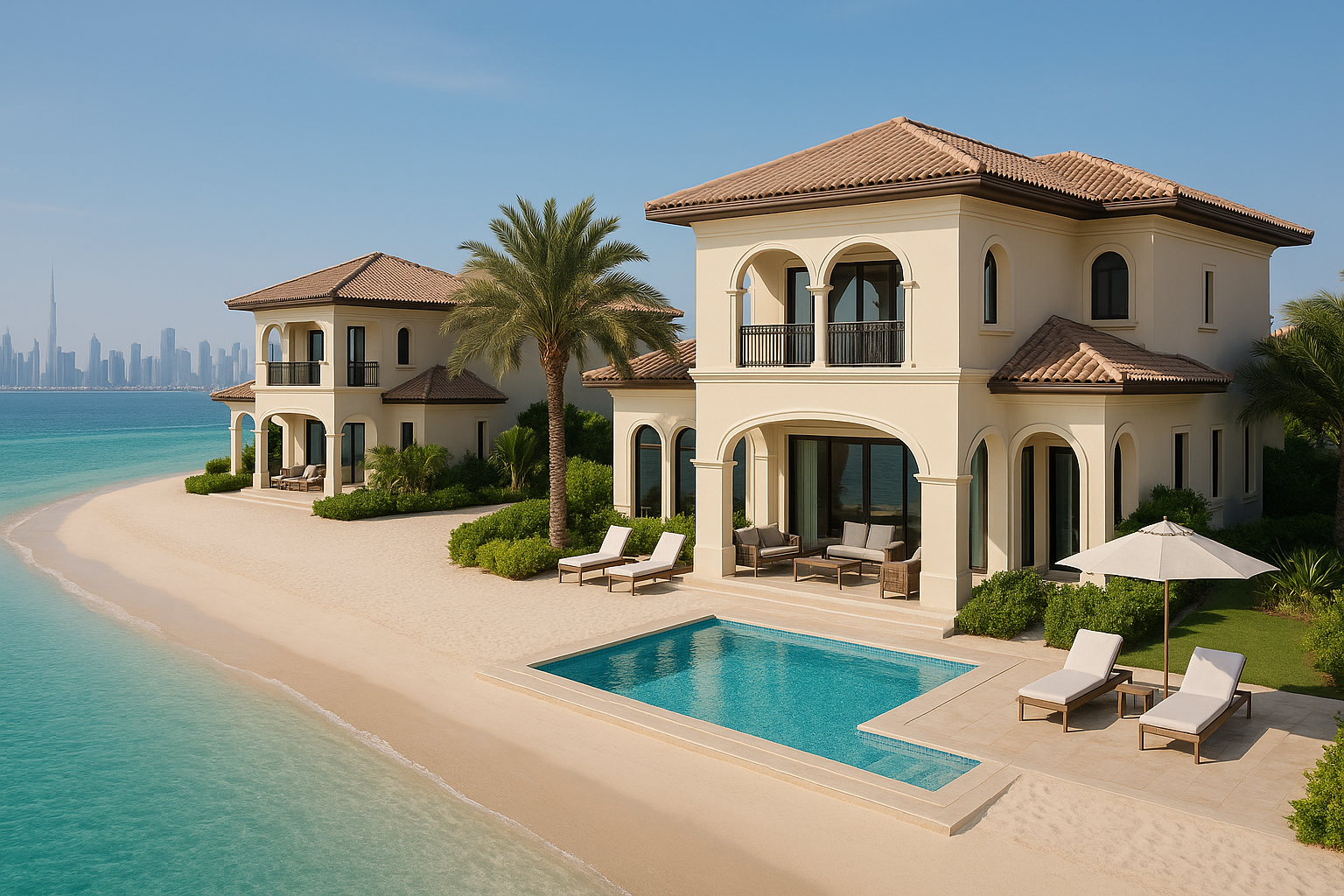
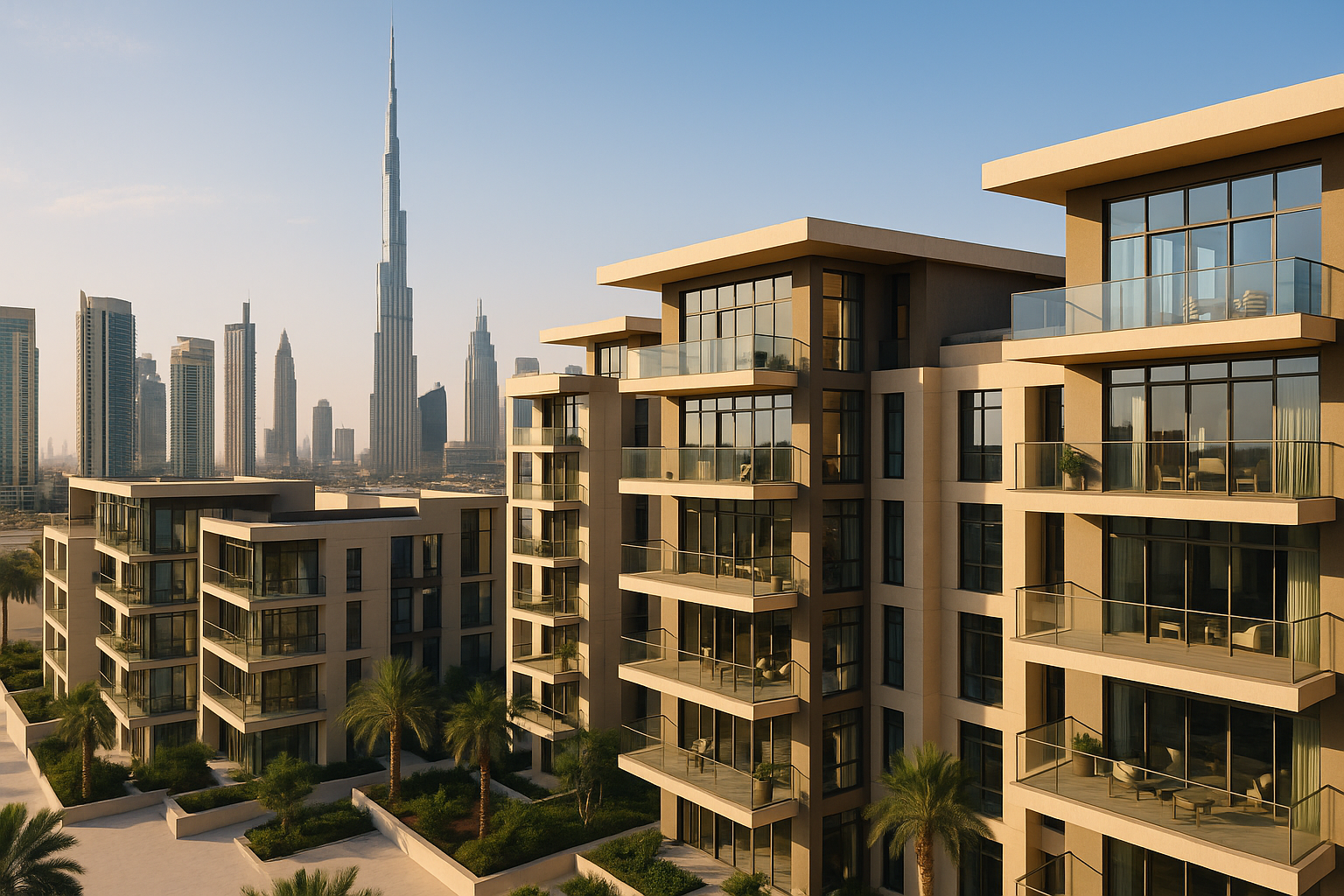
Deze stabilisering kan samenvallen met mogelijkheden in het topsegment van de markt. De luxe vastgoedsector blijft populair onder vermogensrijke individuen uit Europa, Azië en het MENA-gebied. Projecten met exclusieve voorzieningen, zoals privéstranden en panoramische uitzichten, behouden sterke aantrekkingskracht. Intussen meldt Gulf News dat vooral jonge professionals en gezinnen het mid-range en betaalbare segment blijven stimuleren. Ze zoeken bestemmingen met goede bereikbaarheid en nabijheid van scholen.
Ook opmerkelijk zijn de politieke stabiliteit en de regelgeving die de regering invoert. Het Dubai Land Department werkt nauw samen met andere autoriteiten om transparantie en vertrouwen te bevorderen. Het eigendomsoverdrachtsproces is sterk geautomatiseerd, met als doel bureaucratie te minimaliseren. Deze aanpak, gecombineerd met beslissend regeringsbeleid, trekt een groeiend aantal investeerders aan. Bij speculaties op toekomstige prijsstijgingen is het verstandig de aandacht gericht te houden op de belangrijkste drijfveren van stedelijke groei - werkgelegenheid, infrastructuurprojecten en beleid dat expats welkom heet.
Visumregelingen veranderen ook en kunnen aanzienlijke gevolgen hebben voor de onroerende-goedmarkt. Het zogenaamde gouden visum, waarover je meer kunt lezen in dit artikel, biedt investeerders de mogelijkheid onder bepaalde voorwaarden langetermijnverblijfsrechten te verkrijgen. Dit geeft extra motivatie om niet alleen naar kortetermijninvesteringen te kijken. Het is daarom essentieel voortdurend op de hoogte te blijven van trends op de Dubai-vastgoedmarkt, omdat de markt snel evolueert en nieuwe regelgeving grote effecten op je rendement kan hebben.
Praktische tips voor kopers en investeerders
Voor iedereen die overweegt onroerend goed in Dubai te kopen, is grondige voorbereiding onmisbaar. Ten eerste is locatiekeuze doorslaggevend voor je toekomstige rendement - kiest je voor een centraal gelegen appartement in de buurt van zakenwijken, of voor een opkomende buitenwijk die net aan populariteit begint te winnen? Steden als Dubai staan bekend om wijken, elk met hun eigen duidelijke identiteit. Dubai Marina is ideaal voor sommigen vanwege het levendige nachtleven, terwijl Jumeirah Village Circle geliefd is vanwege zijn serene sfeer. Zie ook deze locatiegids voor aanvullende informatie.
Het is ook verstandig goed op de hoogte te zijn van de juridische regels die voor expats gelden. Bij bepaalde restricties of vergunningsprocessen kun je bijvoorbeeld tegen moeilijkheden aanlopen als je in een gated community wilt wonen. Zorg ervoor dat je begrijpt hoe lang leaseovereenkomsten lopen, wat je opties zijn voor vervroegde beëindiging of verlenging, en wat je rechten en plichten zijn. Dubai verschilt in dit opzicht van Nederland, dus het is raadzaam grondig onderzoek te doen of een juridisch deskundige te raadplegen.
De manier waarop onroerend goed wordt beheerd en onderhouden kan aanzienlijk verschillen van wat je gewend bent in je thuisland. Vastgoedmanagement in Dubai kan heel anders zijn georganiseerd, met managers die 24 uur per dag beschikbaar zijn voor reparaties, maar die ook vaak striktere regels hanteren over wat huurders wel of niet mogen wijzigen. Een vergelijkende analyse van vastgoedmanagement in Nederland versus Dubai, en waarom Dubai door veel investeerders de voorkeur verdient, vind je in dit artikel. Dit zal je beter voorbereiden op wat er komt kijken bij het verhuren of beheren van je eigendom.
Tot slot is het waardevol de lokale cultuur en gebruiken te respecteren. Hoewel Dubai een zeer internationaal stadje is, blijven religieuze en culturele tradities diep geworteld. Ook bepaalde regels rond luide evenementen, openbaar gedrag en religieuze feestdagen kunnen gevolgen hebben voor huurders of potentiële kopers. Door hier rekening mee te houden, vergroot je de kans op een aangename samenwerking met lokale partijen en expats, en staat je sterker in de markt.
Conclusie
De vastgoedmarkt van Dubai blijft indrukwekkend en biedt een breed scala aan investeringsmogelijkheden. Of je op zoek bent naar hoge rendementen, een strategische locatie voor je gezin of gewoon een woning in een stad vol innovatie - de kans is groot dat je het in Dubai vindt. De rol van het Dubai Land Department en het transparante aankoopproces wekken vertrouwen, vooral in combinatie met deskundige begeleiding van gecertificeerde agenten en notarissen. Hou altijd culturele verschillen en lokale regelgeving in gedachten.
Dankzij vrije handelszones en belastingvoordelen is investeren in Dubai een uitstekende mogelijkheid om je kapitaal te laten groeien. Met de juiste voorbereiding, due diligence en een duidelijk financieringsplan, zoals een hypotheek in Dubai, ben je goed op weg. Het is ook verstandig de voortgang van aanstaande infrastructuurprojecten in de gaten te houden, omdat deze de waarde van bepaalde buurten verder kunnen stimuleren. Houd internationale nieuws en rapporten van brancheorganisaties, zoals Global Property Guide, in de gaten om op de hoogte te blijven.
Tot slot staat niets je in de weg om diep in dit onderwerp in te duiken. Vergelijk verschillende buurten, spreek met experts en blijf op de hoogte van de laatste Dubai-vastgoedtrends. Als het gaat om investeren in Dubai, is kennis echt macht. Met de informatie die je uit deze gids heeft opgedaan, vergroot je aanzienlijk je kansen op een succesvolle investering die bij je persoonlijke situatie past. Voor je het weet, plukt je de vruchten van duurzame groei in een van de meest fascinerende stadsgezichten ter wereld.
Veelgestelde vragen
Hoeveel eigen vermogen heb ik nodig om onroerend goed in Dubai te kopen?
Dit hangt af van het type eigendom dat je aankoopt en de vereisten van de bank. Doorgaans is een aanbetaling van 20 tot 50 procent vereist. Voor luxeprojecten kan het startkapitaal hoger liggen. Banken houden ook rekening met andere criteria, zoals inkomen en kredietwaardigheid. Het is verstandig meerdere financiële instellingen te raadplegen en hun voorwaarden te vergelijken voordat je een definitief besluit neemt.
Wat is de rol van het Dubai Land Department bij mijn aankoop?
Het Dubai Land Department registreert alle eigendomsoverdrachten en geeft een transparant overzicht van de onroerende-goedmarkt. Zij hanteren regelgeving, juridische kaders en zorgen voor veilige eigendomsrechten. Voor je investering biedt dit zekerheid - je kunt verifiëren of het eigendom juridisch geregistreerd is en of de eigenaar werkelijk bevoegd is om te verkopen. Dit voorkomt eventuele onduidelijkheid over eigendomsrechten.
Is het risico van wisselkoersfluctuaties aanzienlijk bij een hypotheek in Dubai?
Als je inkomsten of spaargelden in een ander valutum dan de Dirham zijn, kunnen wisselkoersfluctuaties zeker een rol spelen. Als je bijvoorbeeld in euro's betaalt en de Dirham plotseling stijgt in waarde, zullen je maandelijkse kosten toenemen. Daarom is het belangrijk mogelijke wisselkoersfluctuaties in je budget in te calculeren. Sommige banken bieden oplossingen om dit risico te beperken, maar zoek altijd deskundig advies.
Kan ik mijn eigendom in Dubai verhuren als ik daar zelf niet woon?
Ja, dat kun je, op voorwaarde dat je de juiste vergunningen regelt en zich aan lokale regelgeving houdt. In veel gevallen is het verhuren van je eigendom een aantrekkelijke optie, omdat de vraag van expats en zakenreizigers hoog kan zijn. Zorg ervoor dat je goed op de hoogte bent van de huurwetgeving in Dubai, zodat je precies weet welke rechten en plichten je als verhuurder hebt. Dit helpt je onaangename verrassingen te voorkomen.
Meer weten over investeren in Dubai vastgoed?
Wil je dit onderwerp toepassen op jouw situatie? Download de gratis Dubai vastgoed gids, bekijk het actuele Dubai vastgoed aanbod of plan een gratis gesprek met Dubai-Property.nl.


















.png)
.png)

.png)






.avif)
.avif)












.svg)
.svg)
.svg)