
.svg)
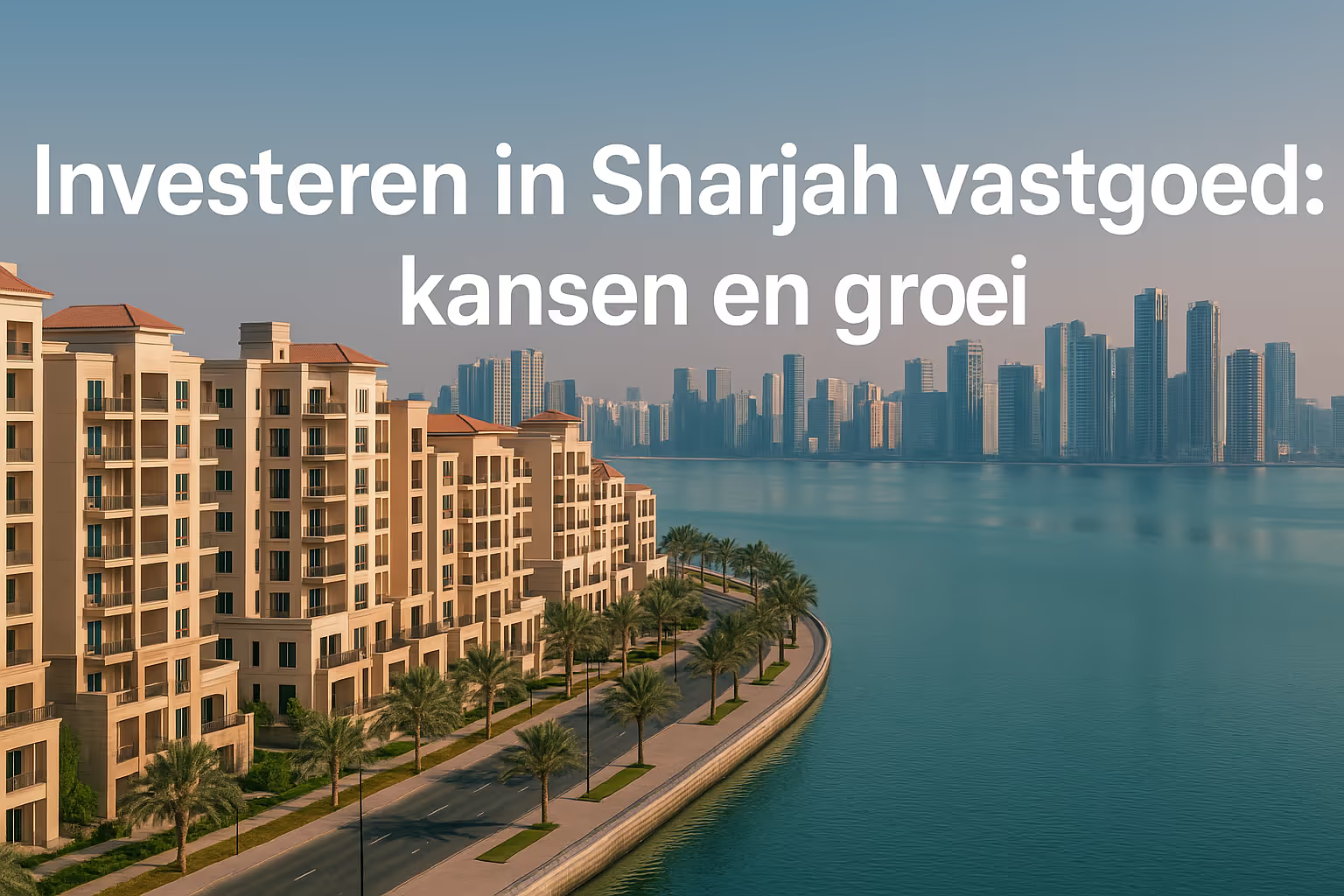


Investeren in Sharjah Vastgoed
Inleiding
Investeren in Sharjah vastgoed lijkt op het eerste gezicht minder populair dan investeren in Dubai of Abu Dhabi. Maar in de afgelopen jaren is Sharjah zich snel ontwikkeld tot een belangrijke speler op de vastgoedmarkt van de Verenigde Arabische Emiraten. Het emiraat ligt aan de Perzische Golf en profiteert van een gunstige ligging, stabiele regelgeving en lage belastingen. Sharjah heeft ook een relatief jonge bevolking en een groeiende expat-gemeenschap, wat zorgt voor een gestage vraag naar woningen.
Dankzij verschillende overheidsinitiatieven, zoals nieuwe spoorlijnen, wegen en andere infrastructuurprojecten, blijft Sharjah aantrekkelijk voor investeerders die een combinatie van betaalbaarheid en hoog rendementspotentieel zoeken. De historische betekenis van Sharjah als cultureel hart van de VAE is een extra voordeel: toeristen en expats waarderen het emiraat om zijn musea, eilanden en traditionele souks. Dit alles maakt de Sharjah-woningmarkt dynamisch en aantrekkelijk voor wie op zoek is naar stabiele en groeiende vastgoedinvesteringen. Je kunt ook meer lezen over de groeiende expatmarkt en de impact ervan op vastgoed in ons artikel over de bevolkingsgroei van Dubai en de impact ervan op de woningmarkt.
Overzicht van de Sharjah Woningmarkt
De vraag naar vastgoed in Sharjah is in de afgelopen jaren aanzienlijk toegenomen, onder meer door de toestroom van expats en jonge gezinnen die op zoek zijn naar kwalitatieve maar betaalbare woonruimte. De Sharjah-woningmarkt wordt gekenmerkt door een vrij evenwichtige verhouding tussen vraag en aanbod, hoewel sommige populaire wijken sterke prijsstijgingen hebben gezien. Veel investeerders worden aangetrokken door de lage instapprijs vergeleken met het naburige Dubai, terwijl huurrendementen in bepaalde gebieden zeer competitief kunnen zijn.
Een belangrijk voordeel van de Sharjah-woningmarkt is het concept van Sharjah-eigendom in volle eigendom. Buitenlandse kopers kunnen volledige eigendomsrechten verwerven in aangewezen gebieden, vergelijkbaar met volle eigendomsrechten in andere emiraten. Dit betekent dat een niet-Emiraat of niet-GCC-burger, mits aan de vereisten wordt voldaan, volledig eigendom kan hebben van onroerend goed in deze zones. Vergelijkbare mogelijkheden bestaan in Dubai, waar verschillende volle-eigendomszones internationale kopers aantrekken. In Sharjah geeft dit volle eigendom de markt een boost, omdat een groter aantal investeerders graag wil kopen. Lees meer over dergelijke eigendomsrechten in onze vergelijking van vastgoedbeheer in Nederland versus Dubai.
Bovendien investeert de regering van Sharjah zwaar in infrastructuurontwikkeling, inclusief nieuw openbaar vervoer en verbeterde wegen, om verbindingen met andere emiraten en het stadscentrum te vergemakkelijken. Dit verbetert niet alleen de bereikbaarheid van bepaalde wijken, maar verhoogt ook de algehele aantrekkingskracht voor gezinnen en professionals die in Sharjah willen wonen en werken.
Hoewel de huidige trends bemoedigend zijn, beïnvloeden wereldwijde economische omstandigheden natuurlijk ook de vastgoedprijzen in Sharjah. Dit maakt het belangrijk dat investeerders verstandig te werk gaan, de markt analyseren en zorgvuldig nadenken over de lange termijn-ontwikkelingen in het emiraat.
Beste Gebieden in Sharjah voor Vastgoedinvesteerders
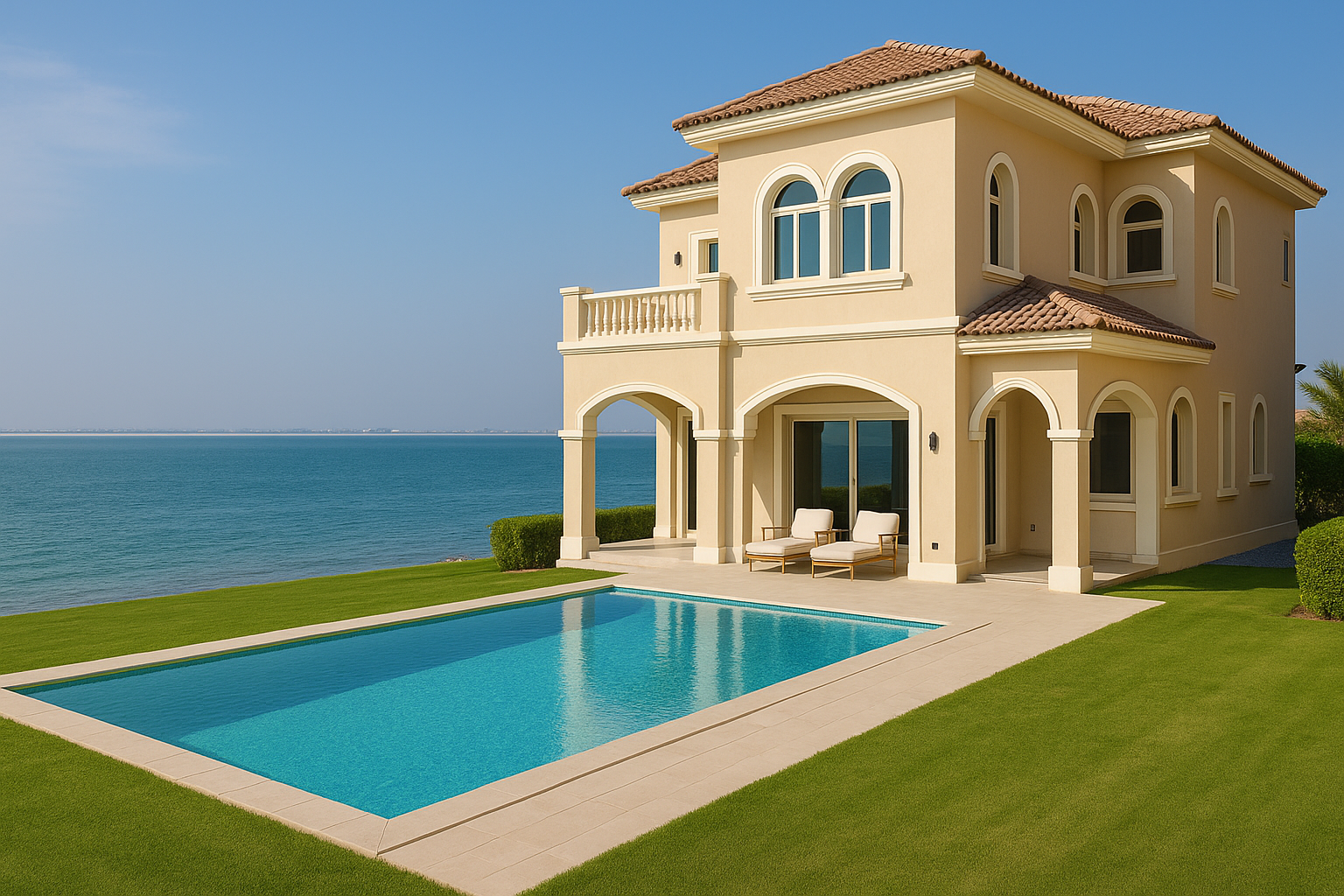
Wanneer mensen aan Sharjah denken, denken zij al snel aan wijken dicht bij de grens met Dubai. Deze strategische ligging maakt het woon-werkverkeer naar het naburige emiraat gemakkelijk, wat ideaal is voor forensen en expats die in Dubai werken maar liever in Sharjah wonen. De wijken Al Nahda, Al Majaz, Al Qasba en Al Khan zijn daarom erg populair. Elk van deze gebieden heeft zijn eigen charme en voorzieningen, waaronder winkelcentra, scholen, parken en boulevard aan het water. De nabijheid van Dubai zorgt er doorgaans voor dat de huiszoeken in deze wijken sterk blijven.
Al Nahda staat bekend om zijn moderne appartementen en redelijke huurprijzen. Al Majaz, aan de kust gelegen, bestaat voornamelijk uit appartementen met uitzicht op de Khalid Lagune, wat de aantrekkingskracht voor gezinnen en jonge professionals vergroot. Al Qasba is populair om zijn boulevard aan het water, restaurants en recreatiefaciliteiten, terwijl Al Khan indruk maakt met zijn strand en levendige omgeving. Voor wie een diepgaand onderzoek wil doen naar stedelijke ontwikkeling in de VAE, is ons blog over de toekomst van Dubai met het Masterplan 2040 een nuttige referentie. De lessen en groeikansen die Dubai ervaart, kunnen een voorbode zijn van wat Sharjah te wachten staat.
Gegevens laten zien dat onroerend goed in deze gebieden in recente jaren gestaag in waarde is gestegen. Investeren in een buy-to-let-object is populair in deze wijken. De combinatie van solide huurinkomsten en toekomstige waardegroei maakt deze regio's aantrekkelijk voor verschillende soorten investeerders. Het is echter belangrijk om de juiste balans te vinden tussen huurprijs, onderhoudskosten en verwachte vacaturepercentages. Op deze manier kun je het meest geschikte buurtgedeelte het best selecteren om een solide rendement op lange termijn te behalen.
Voor aspirant-investeerders loont het om het potentieel van meerdere wijken te vergelijken en bij voorkeur een lokale makelaar te raadplegen. Een grondige vergelijking van voorzieningen, vervoersopties en toekomstige projecten helpt bij het kiezen van het juiste gebied. De doorslaggevende factor is hoe goed een wijk is voorbereid op verdere bevolkingsgroei en economische ontwikkeling.
Budget-vriendelijk Vastgoed in Sharjah
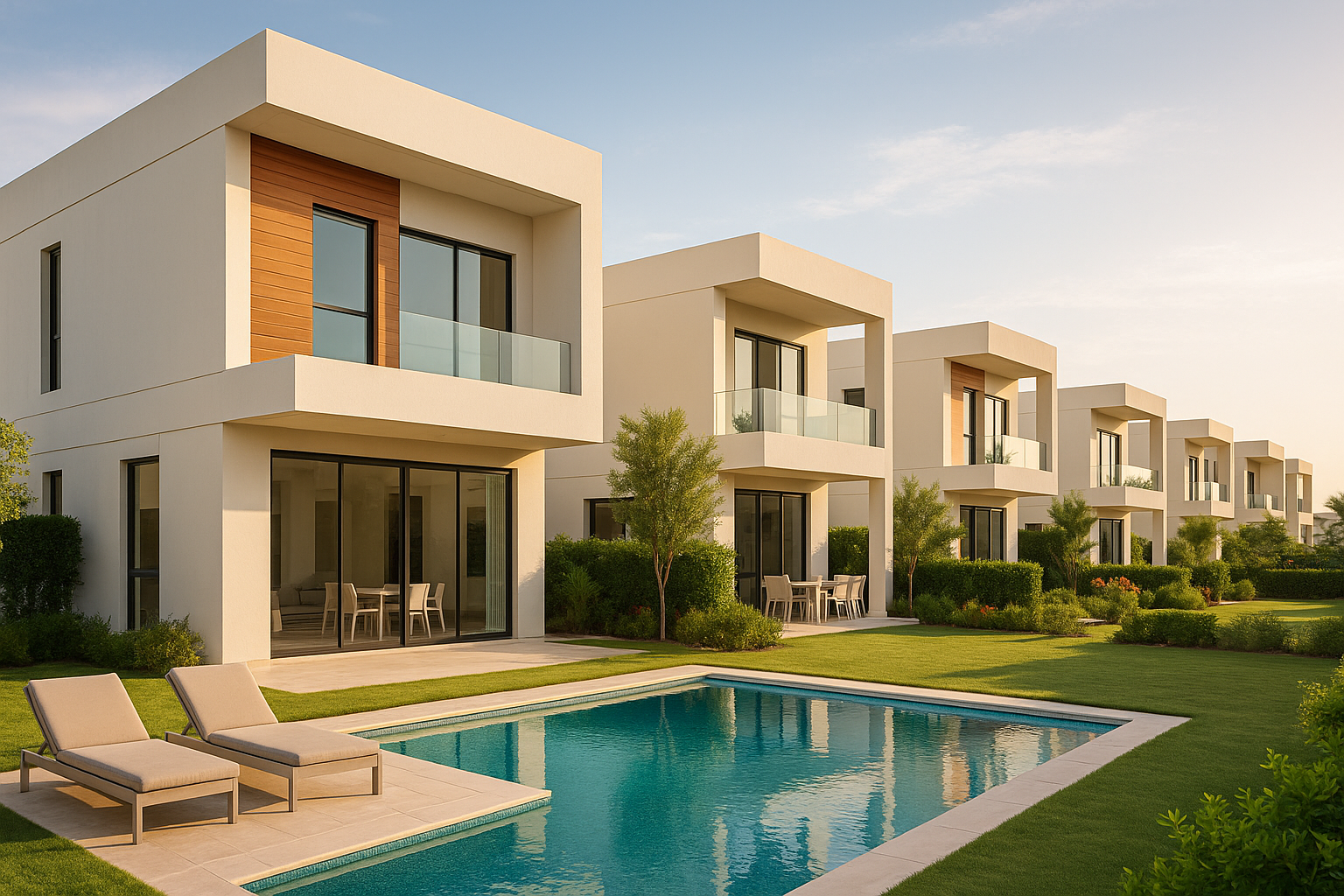
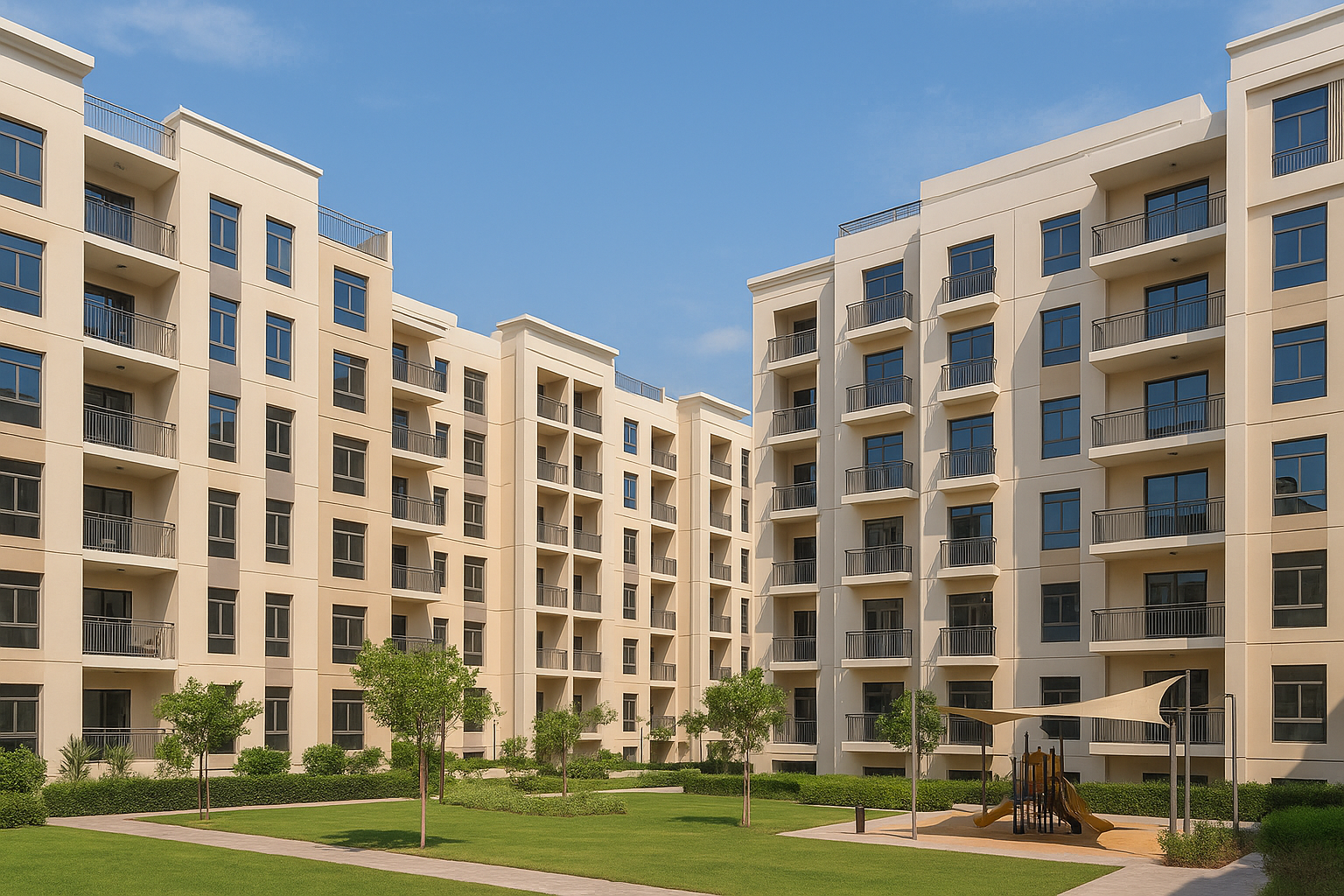
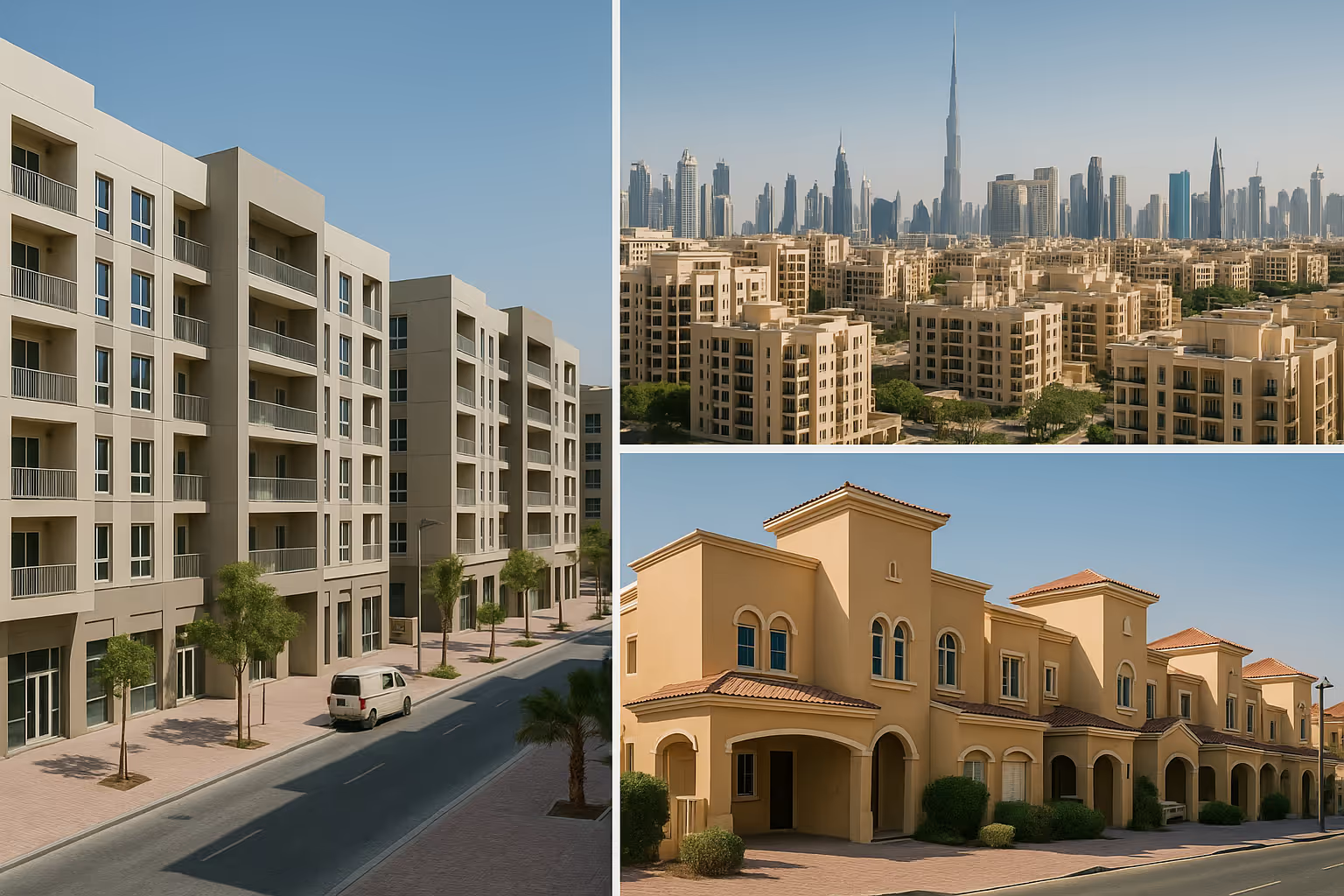
Hoewel Sharjah veel ruimte biedt voor luxe vastgoed, staat het emiraat ook bekend om zijn competitief geprijsde eigenschappen. Deze woningen zijn vaak kleiner, eenvoudiger afgewerkt en soms gelegen in ontwikkelingszones iets verder van de kust of stadscentra. Voor eerstekeer-families, jonge professionals of expats met een beperkt budget zijn dit ideale opties. De lagere aankoopprijs kan voordelig zijn voor investeerders die nog geen groot kapitaal hebben maar voet aan de grond willen krijgen op de VAE-vastgoedmarkt. Maandelijkse hypotheekkosten in Sharjah zijn vaak lager dan op bepaalde duurdere locaties in de regio.
De populariteit van deze betaalbare eigendommen groeit, mede vanwege de aanhoudende werkgelegenheid en het stabiele karakter van Sharjah. Een appartement in deze categorie kan, afhankelijk van de locatie, ook een respectabel rendement opleveren. De vraag naar betaalbare woningen, vooral van expats, is sterker dan ooit in Sharjah. Voor huurders die Sharjah versus Dubai afwegen, raad ik je ook aan ons artikel over vastgoedbeheer en de expat-huurmarkt in Dubai te lezen. Dit geeft je inzicht in regionale verschillen en tarieven, waardoor je een geïnformeerd besluit kunt nemen.
Vooral in wijken waar nieuwe projecten ontstaan, kunnen budget-eigendommen in de loop van de tijd extra waarde opleveren. Denk aan locaties waar winkels, scholen of recreatiefaciliteiten worden ontwikkeld. Een groot voordeel van Sharjah is de relatieve betaalbaarheid vergeleken met de topwijken van Dubai of Abu Dhabi. Deze relatief lage drempel maakt het aantrekkelijker voor diverse groepen om de stap naar eigendom van onroerend goed in Sharjah te zetten.
Uiteraard moet je als investeerder goed letten op aanvullende kosten, zoals servicekosten, onderhoud en mogelijke renovaties. Maar gezien de sterke vraag zal een goed onderhouden appartement in een betaalbare prijsklasse bijna altijd aantrekkelijk blijven voor huurders. Het kiezen van een budget-vriendelijk object kan daarom een verantwoorde ingang zijn in de wereld van vastgoedinvestering.
Sharjah Off-Plan Aankopen: Kansen en Risico's
Naast bestaande eigendommen zijn off-plan vastgoedprojecten een opkomend onderwerp in Sharjah. Bij een off-plan aankoop investeert je in een object dat nog onder constructie staat of zelfs slechts op papier bestaat. Dit kan je de mogelijkheid geven om te profiteren van lagere aankoopprijzen en flexibele betalingsplannen. Bij bepaalde projecten kun je ook de indeling of afwerkingen aanpassen. Dit biedt een persoonlijk tintje en extra aantrekkingskracht voor toekomstige huurders of kopers.
Er zijn echter ook risico's verbonden aan off-plan investeringen. Voltooiing kan worden vertraagd door bouwuitdagingen, financiëringsproblemen met de ontwikkelaar of onvoorziene omstandigheden in de toeleveringsketen. Bovendien kunnen economische fluctuaties of plotselinge wijzigingen in wetten en regelgeving van invloed zijn op de uiteindelijke waarde van het object. Het is daarom essentieel om een gerenommeerde ontwikkelaar te kiezen, beoordelingen en referenties te controleren en duidelijkheid te krijgen over garanties voor constructie en eventuele compensatieregels voor vertraging.
Ondanks de risico's leveren off-plan projecten op lange termijn vaak voordeel op. Veel investeerders rekenen op waardegroei zodra het project is voltooid, vooral als dit zich in een gebied met groeipotentieel bevindt. Het concept van Sharjah-rendementen is hier relevant: wie nu instapt in een betrouwbaar project, zou binnen enkele jaren aanzienlijke winsten kunnen zien. Voor vergelijkbare inzichten in ambitieuze infrastructuurprojecten, kun je ons blog raadplegen over de nieuwe ontwikkelingen in de Dubai Metro Blauwe Lijn. Hoewel het project in Dubai plaatsvindt, werken de dynamiek van grootschalige mobiliteits- en constructie-initiatieven vaak op dezelfde manier in de gehele VAE.
Een tip voor degenen die een off-plan aankoop overwegen: let goed op het betalingsschema. Sommige ontwikkelaars bieden aflossingsplannen aan die doorlopen tot het project is voltooid. Anderen hanteren een systeem waarbij je een groot deel vooraf betaalt. Het is verstandig om voldoende financiële reserves beschikbaar te hebben voor onvoorziene kosten. Op deze manier vermindert je als belegger het risico op liquiditeitsproblemen als het project vertraging oploopt of de bouwkosten stijgen.
Beleggen vanuit een expat-perspectief
Expatriaten spelen een prominente rol in de vastgoeddynamiek van Sharjah. Dankzij eigendom in volle eigendom in verschillende gebieden van Sharjah kunnen buitenlandse kopers in een toenemend aantal projecten en wijken volledige of gedeeltelijke eigenaren worden. Dit varieert van tijd tot tijd per locatie, aangezien regelgeving kan veranderen. Als expat is het essentieel om goed geïnformeerd te blijven over de nieuwste wetten en regelgeving. Het is ook nuttig om te weten of speciale hypotheekvoordelen, investeerdersvisa of andere stimuleringsprogramma's beschikbaar zijn voor buitenlandse onderdanen.
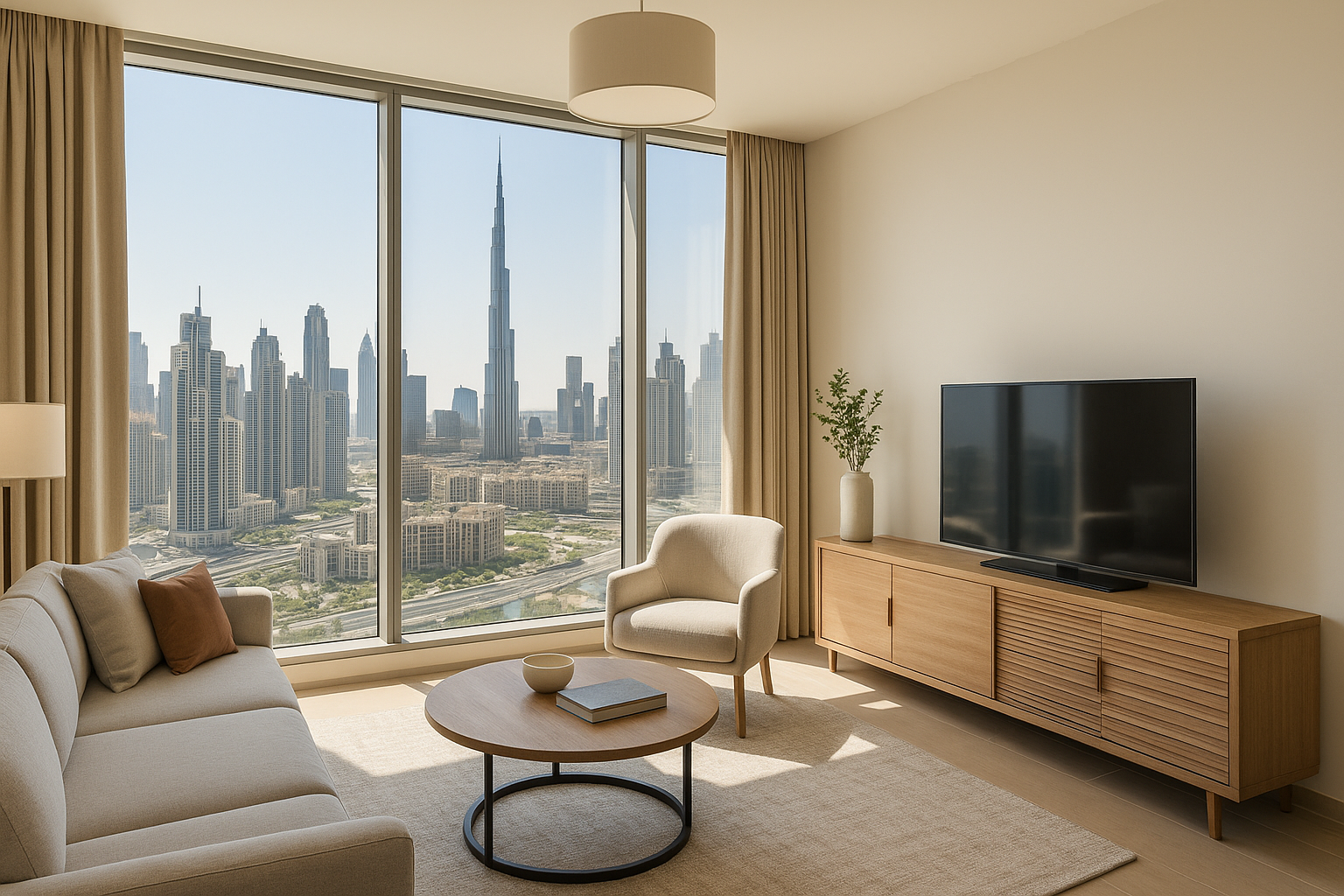
Een groot voordeel voor expats is de mogelijkheid om in Sharjah te wonen en te werken, terwijl de levensstandaard vaak lager is dan in enkele andere emiraten. Velen kiezen ervoor om een woning in Sharjah aan te kopen en deze zelf te bewonen of te verhuren. Naast aankoopregels moet je als expat ook rekening houden met verzekeringen, notariskosten en registratieprocedures bij het Sharjah Department of Real Estate Registration. Voor degenen die een breder inzicht willen in visumoties en juridische formaliteiten in naburige emiraten, raden wij onze uitgebreide gids over verhuizen met je gezin naar Dubai - visumgids aan. Veel procedures vertonen overeenkomsten in alle emiraten.
Vanuit fiscaal oogpunt is Sharjah ook aantrekkelijk voor buitenlandse beleggers. In de praktijk zijn er geen inkomstenbelastingen op huuropbrengsten, wat betekent dat nettowinstmarges hoger zijn dan in landen waar huuropbrengsten belast worden. Echter, er zijn andere kosten van toepassing, zoals gemeentelijke heffingen en mogelijke servicekosten binnen bepaalde appartementencomplexen. Het is belangrijk om deze kosten vooraf in te calculeren of advies van een expert in te winnen.
Voor expats die overwegen zich op langere termijn in Sharjah te vestigen, kan woningeigendom grotere zekerheid en financiële stabiliteit bieden. Als belegger is het raadzaam om te onderzoeken of de verwachte huuropbrengsten en mogelijke waardetoename van de woning opwegen tegen de aankoop- en onderhoudskosten. Op deze manier voorkomt je vervelende verrassingen.
Verwachte rendementen op vastgoed in Sharjah
Het vooruitzicht voor de vastgoedmarkt in Sharjah is positief. Gedreven door aanhoudende bevolkingsgroei, verdere infrastructuurontwikkeling en aantrekkelijk beleid voor buitenlandse beleggers, wordt een stabiele stijging van vastgoedprijzen en huuropbrengsten verwacht. Met name in de eerder genoemde populaire wijken rond Al Nahda, Al Majaz, Al Qasba en Al Khan kan de waardetoename doorgaan. Er zijn ook mogelijkheden in nieuw ontwikkelde gebieden, vooral wanneer deze goed aansluiten op lokale voorzieningen of vervoersknooppunten.
Factoren die rendementen beïnvloeden zijn locatie, eigendomstype, onderhoudsconditie en huidige vraag van potentiële huurders. Voor degenen die afwegen welk investeringstype het best aan hun doelstellingen voldoet, is het nuttig om dieper in te gaan op cijfers en vergelijkingen zoals we doen in onze inhoud over vastgoedrendementen en investeringsstrategieën in Dubai. Hoewel Sharjah en Dubai verschillende vastgoedmarkten hebben, zijn er ook parallellen die inzicht bieden in wat Sharjah in de toekomst kan verwachten.
Een belangrijk element voor rendementen is de groeiende diversiteit in het bedrijfsleven van Sharjah. Het emiraat ontwikkelt zich steeds meer tot een hub voor onderwijs, cultuur en toerisme. Sharjah trekt jaarlijks bezoekers aan met internationale kunst- en culturfestivals, evenals handelsbeurzen en conferenties die economische kansen creëren. Bedrijven die zich in Sharjah vestigen, hebben huisvesting nodig voor hun werknemers, wat de vraag naar huurwoningen stimuleert.
Hoewel de toekomst veelbelovend lijkt, is het belangrijk om realistische verwachtingen te handhaven. Een project kan fantastisch lijken, maar als de locatie of beoogde gebruik niet aansluit bij de marktvraag, kunnen rendementen tegenvallen. Zorg er daarom voor dat je een goed doordachte strategie hebt die rekening houdt met een potentieel onvoorspelbaar economisch klimaat. Diversificatie van investeringen en het handhaven van een langetermijnvisie voor vastgoed vormen een solide basis.
Duurzaamheid en duurzame projecten in Sharjah
Sharjah onderneemt stappen om een duurzame en groene vastgoedsetor te bevorderen. Verschillende projecten zijn al gelanceerd die voldoen aan strikte energienormen en gebruikmaken van milieuvriendelijke bouwmaterialen. Zulke aardebevingsbestendige en isolerende materialen verminderen energiekosten en dragen bij aan een gezondere leefomgeving. Sommige nieuwe ontwikkelingen introduceren groene daken, regenwater-inzameling en geavanceerde afvalbeheersingssystemen.
Verder ontstaan zogenaamde 'smart communities' in Sharjah, die technologische toepassingen benutten om water- en energieverbruik te optimaliseren. Denk aan LED-verlichting in openbare ruimten, sensorgestuurde irrigatiesystemen en oplaadpunten voor elektrische voertuigen. Dergelijke initiatieven sluiten aan bij bredere duurzaamheidsambities in de regio, een trend die ook zichtbaar is in Dubai. De regering van Sharjah implementeert stimuleringmaatregelen om zonne-energie verder in bestaande gebouwen te integreren, vergelijkbaar met de benadering achter complexe infrastructuurplannen in Dubai, zoals het 20-minuten stadsconcept. Meer informatie over duurzame mobiliteit in de VAE is te vinden in ons blog over de Dubai Metro Blue Line.
De focus op duurzaamheid kan op lange termijn voordelig zijn voor beleggers. Energiekosten dalen, de ecologische reputatie van het project verbetert en potentiële huurders die duurzaam wonen waarderen worden sterker aangetrokken tot groene concepten. De vraag naar dergelijke milieuvriendelijke projecten naar verwachting stijgen, met name onder hoogopgeleide expats en jonge gezinnen die een positieve impact op hun leefomgeving willen hebben.
Bovendien creëren duurzame gebouwen, door hun energiebesparing en innovatieve kenmerken, een gevoel van toekomstgericht wonen voor bewoners. Ze passen goed in de bredere stedebouw die Sharjah bevordert. De vastgoedmarkt wordt zo nog diverser, wat kan leiden tot betere opties voor beleggers. Dus als je overweegt in Sharjah te investeren, is het de moeite waard om extra aandacht aan milieuvriendelijke kenmerken te besteden. Deze details kunnen het verschil maken voor zowel de waarde van de woning als de tevredenheid van toekomstige huurders.
Conclusie en aanbevelingen
Sharjah is in veel opzichten een ideale markt voor een breed scala aan beleggers. Met zijn groeiende bevolking, stabiele economische vooruitzichten en toenemende focus op duurzaamheid biedt het emiraat een sterk toekomstperspectief. Of je nu een starter bent met een beperkt budget, een ervaren belegger die stabiele rendementen zoekt, of een expat die je kapitaal wil diversificeren - Sharjah heeft iets voor iedereen.
Investeren in vastgoed in Sharjah kan winstgevend zijn omdat prijzen in bepaalde segmenten nog relatief laag zijn, terwijl de stad in snel tempo blijft zich ontwikkelen. Door de juiste wijk, eigendomstype te kiezen en idealiter een betrouwbare makelaar, verhoogt je je kansen op een sterk rendement. Neem voldoende tijd om juridische aspecten, investeringsrisico's en financieringsopties te onderzoeken. Op deze manier kun je met vertrouwen beginnen.
We raden aan niet uitsluitend op algemene cijfers te vertrouwen, maar ook met lokale deskundigen, vastgoedontwikkelaars en juridisch adviseurs te spreken. Zij kunnen informatie geven over het juridische kader, markttrends en mogelijke voltooiingsrisico's. Verken ook alternatieven en vergelijk Sharjah met andere emiraten - deze vergelijking geeft je vaak een breder perspectief. Op deze manier behoudt je controle over je investeringsstrategie.
Sharjah is wellicht minder bekend dan Dubai of Abu Dhabi, maar de mogelijkheden die het emiraat biedt zijn aanzienlijk. Wees dus vroeg en zoek projecten die aan je doelstellingen voldoen. Wil je breed geïnformeerd blijven over investeren in de VAE? Dan raden wij je aan ook onze andere blogs te lezen. Op deze manier blijft je op de hoogte van alle relevante ontwikkelingen en vergroot je je kansen op geslaagde investeringen in deze fascinerende regio.
Veelgestelde vragen
Hoe verhoudt Sharjah zich tot Dubai op het gebied van vastgoedprijzen?
Sharjah staat bekend om zijn relatief lagere vastgoedprijzen in vergelijking met Dubai. Dit is deels te wijten aan de locatie, maar ook omdat Dubai langer een internationaal zakencentrum is. Desondanks stijgen de prijzen in Sharjah gestaag, vooral in wijken dicht bij de grens met Dubai.
Is eigendom in volle eigendom in Sharjah beschikbaar voor alle buitenlandse kopers?
Niet in alle wijken, maar in specifieke aangewezen gebieden. Deze zones in volle eigendom zijn vergelijkbaar met die in Dubai. Via deze regeling kunnen niet-GCC-onderdanen volledige eigenaar van een woning worden, wat de markt bijzonder aantrekkelijk maakt voor buitenlandse beleggers.
Is er een minimaal of maximaal investeringsbedrag vereist?
In Sharjah geldt geen officiële drempelbedrag voor het investeren in vastgoed, maar projectontwikkelaars kunnen bepaalde minimumprijzen stellen. Betaalbare appartementen bieden vaak een goed startpunt voor beginnende beleggers, terwijl luxueuze gebouwen meer kapitaal vereisen.
Welke documenten heb ik als expat nodig om vastgoed te kopen?
Als expatriaat moet je doorgaans een geldig paspoort, verblijfsvisum en inkomstenverklaring overleggen. Daarnaast vereisen banken en ontwikkelaars vaak documenten met betrekking tot financiering. Voor specifieke informatie adviseren wij je contact op te nemen met een lokale juridisch adviseur.
Hoe schat ik de toekomstige waarde van mijn investering in Sharjah in?
Je kunt kijken naar trends in bevolkingsgroei, economische ontwikkeling, infrastructuurprojecten en beleid voor buitenlandse investeerders. Het is ook verstandig om verschillende bronnen te raadplegen, zoals marktanalyses, makelaarsbureaus en statistieken van de regering. Combineer deze inzichten om een goed onderbouwde toekomstvisie te vormen.
Meer weten over investeren in Dubai vastgoed?
Wil je dit onderwerp toepassen op jouw situatie? Download de gratis Dubai vastgoed gids, bekijk het actuele Dubai vastgoed aanbod of plan een gratis gesprek met Dubai-Property.nl.











.png)
.png)

.png)


.avif)
.avif)










.svg)
.svg)
.svg)