
.svg)
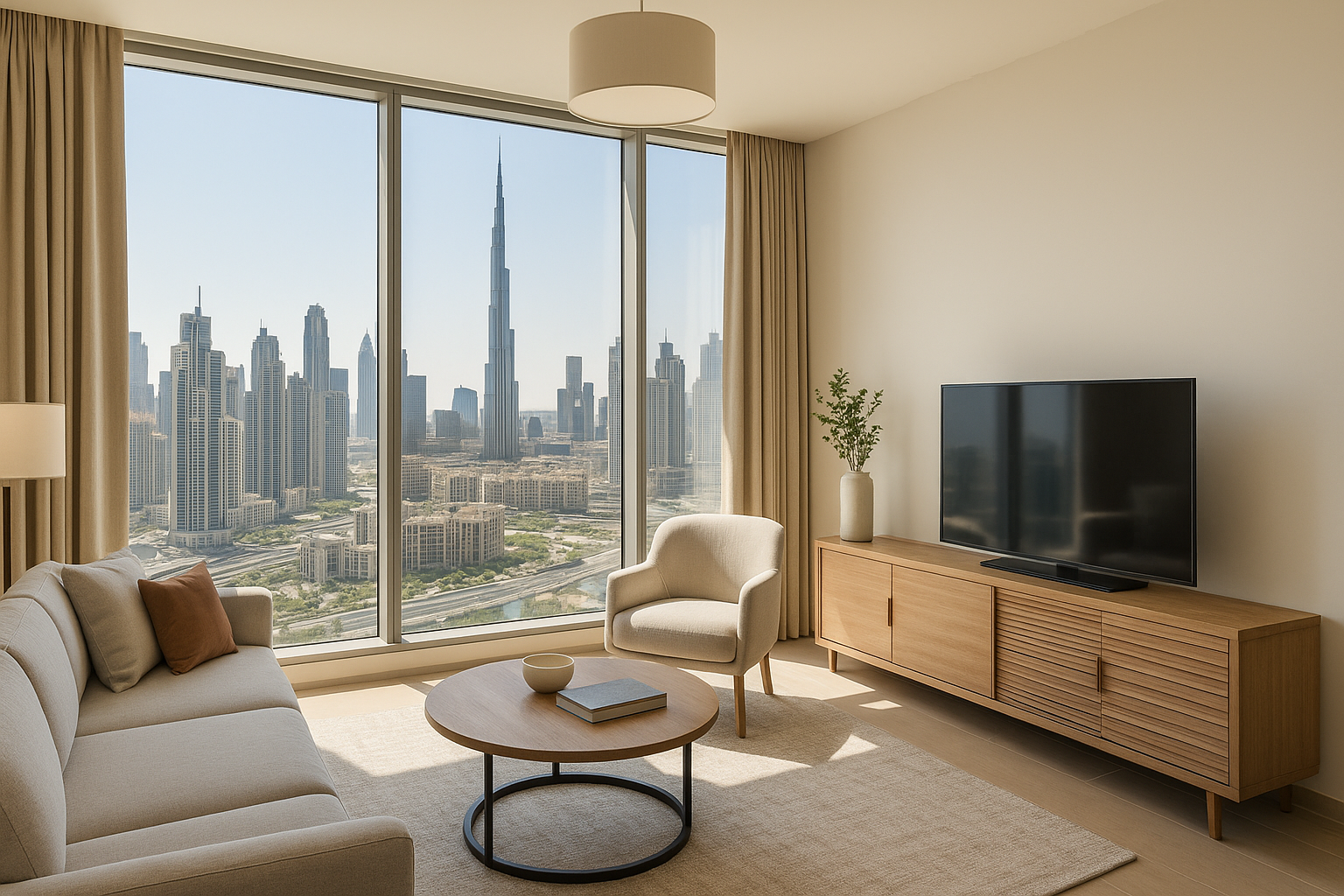


Appartement huren Downtown Dubai – complete gids voor expats en gezinnen
Inleiding
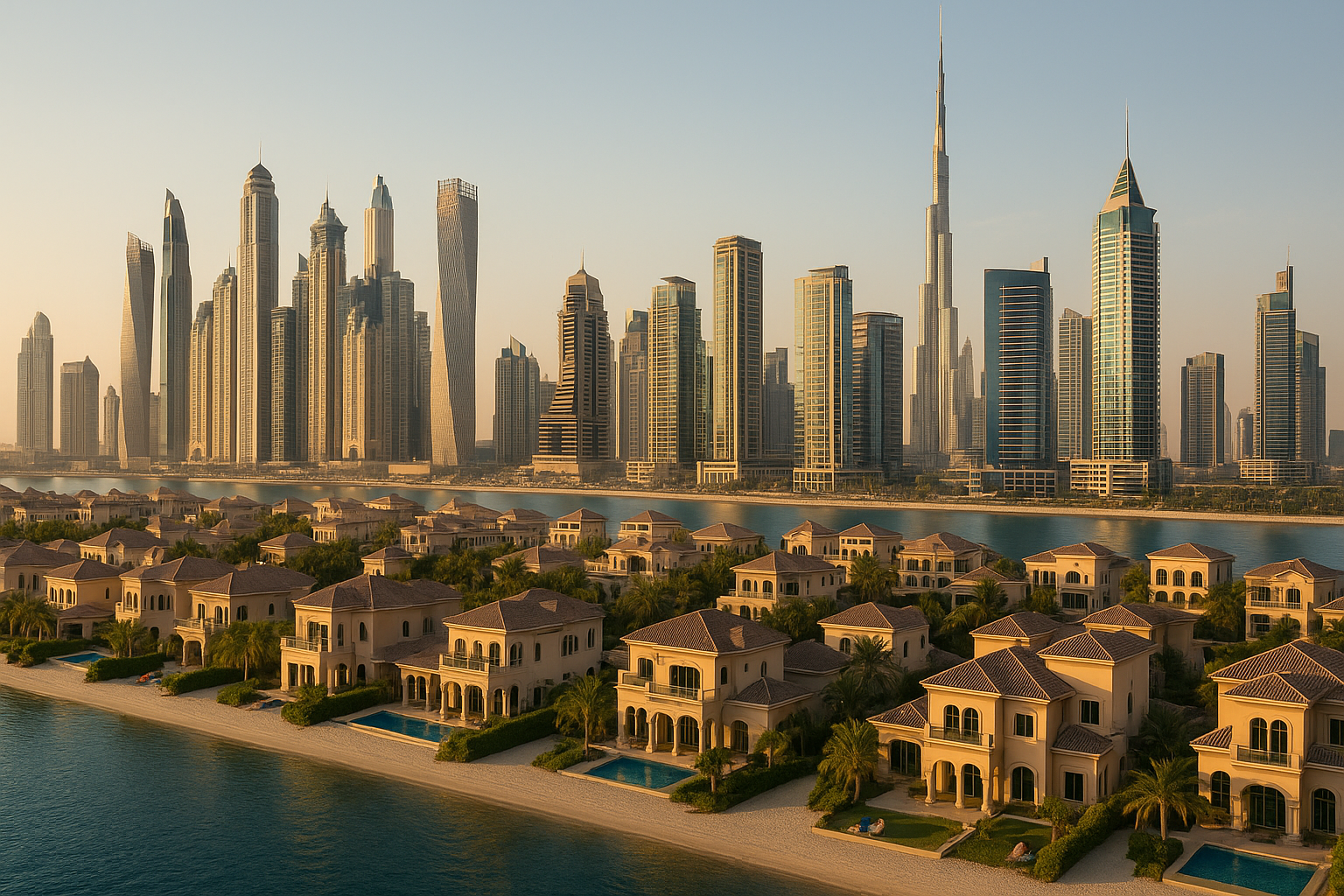
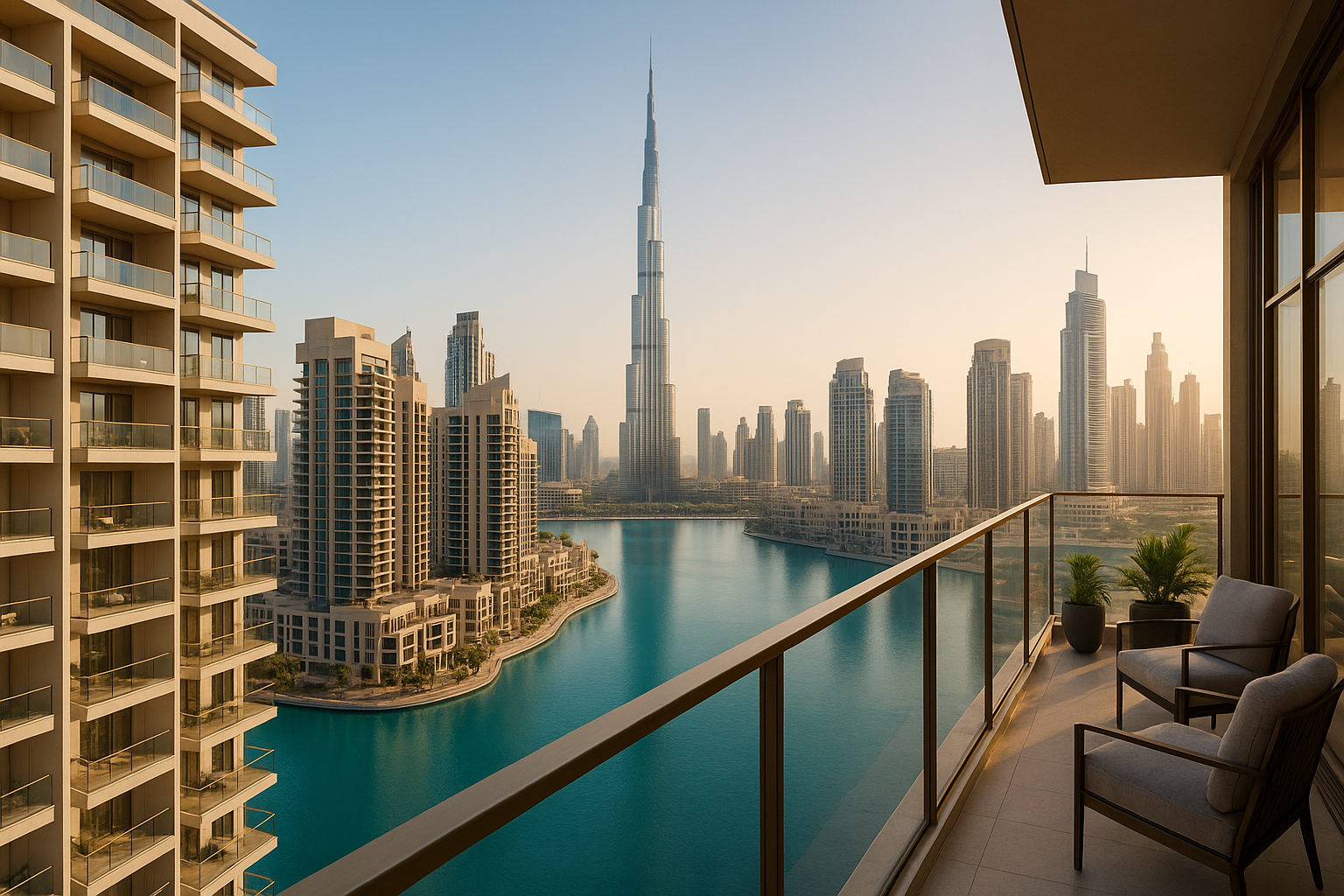
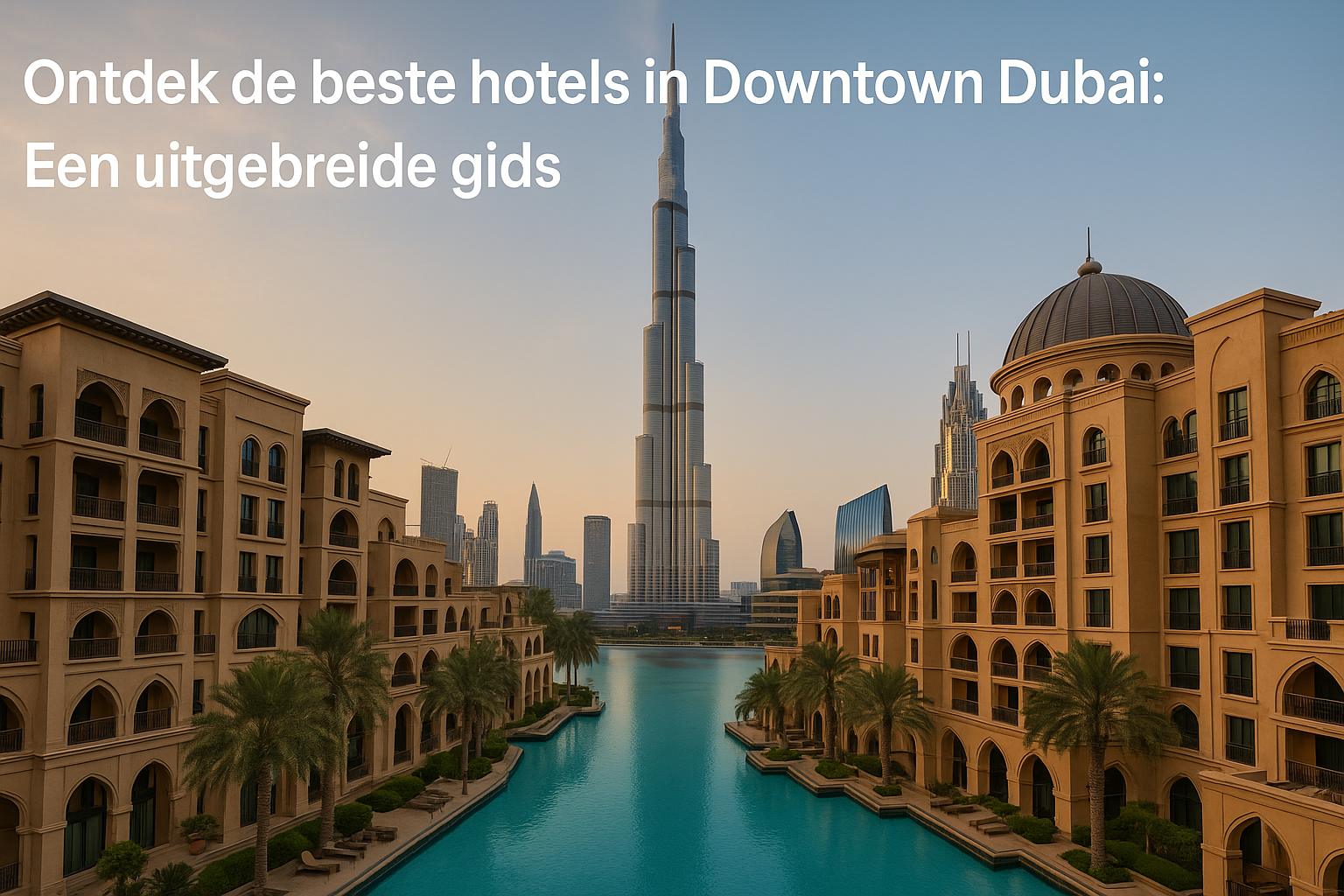
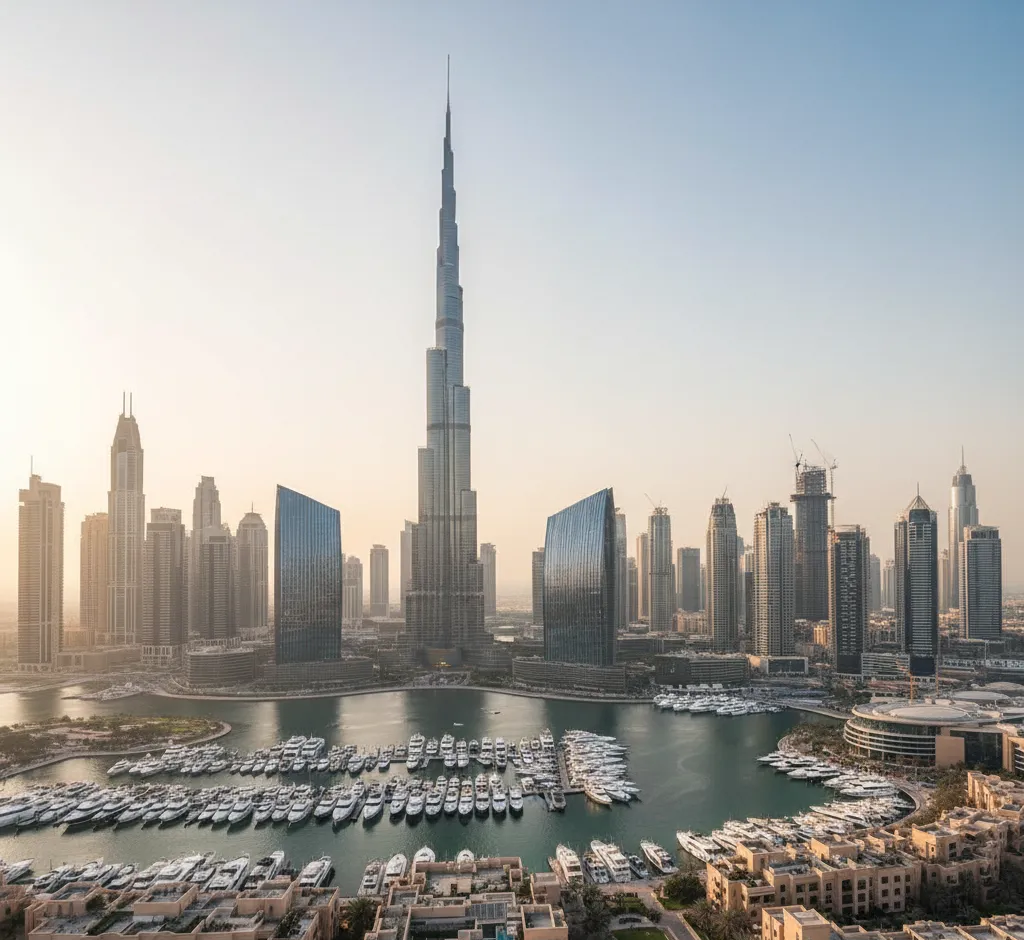
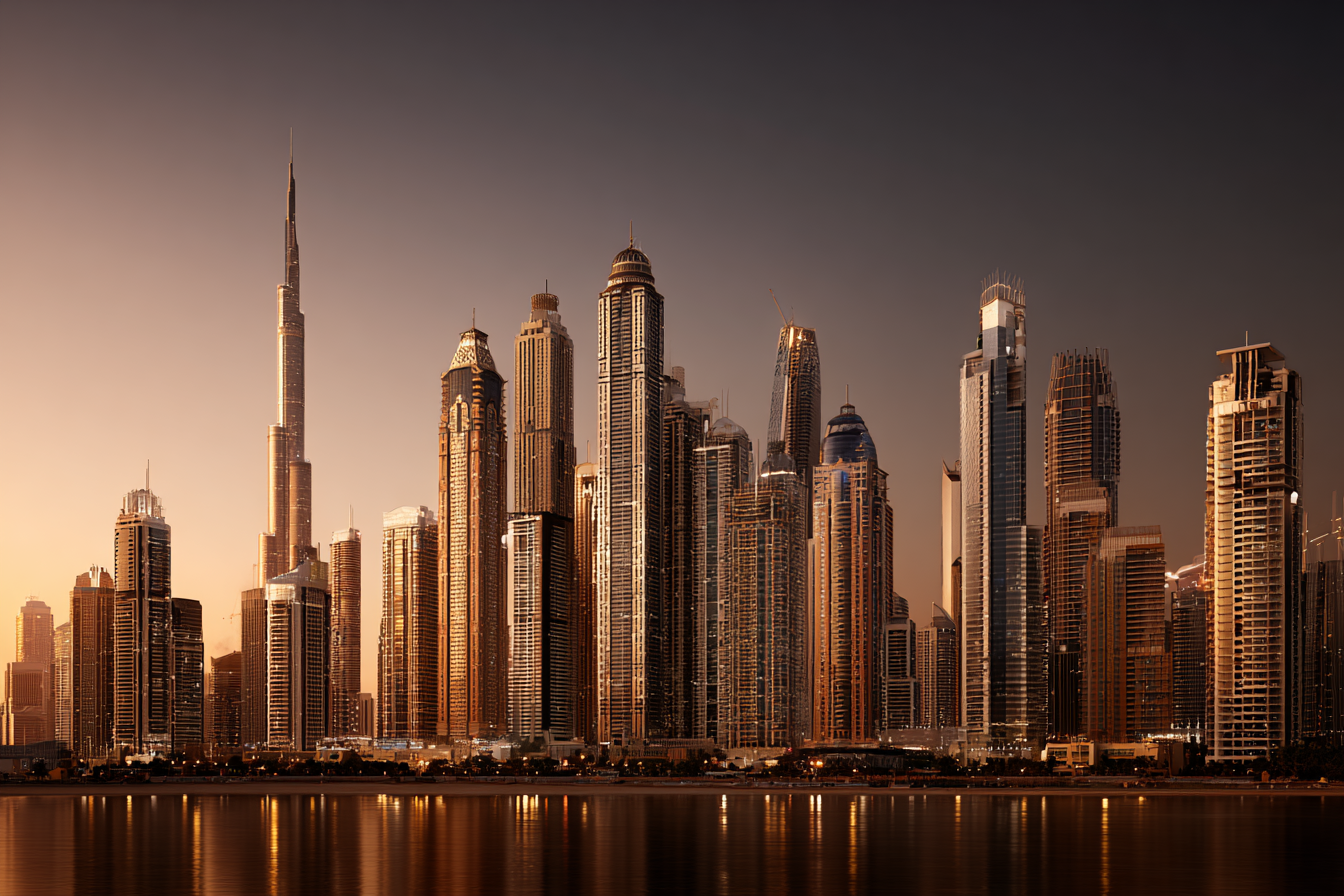
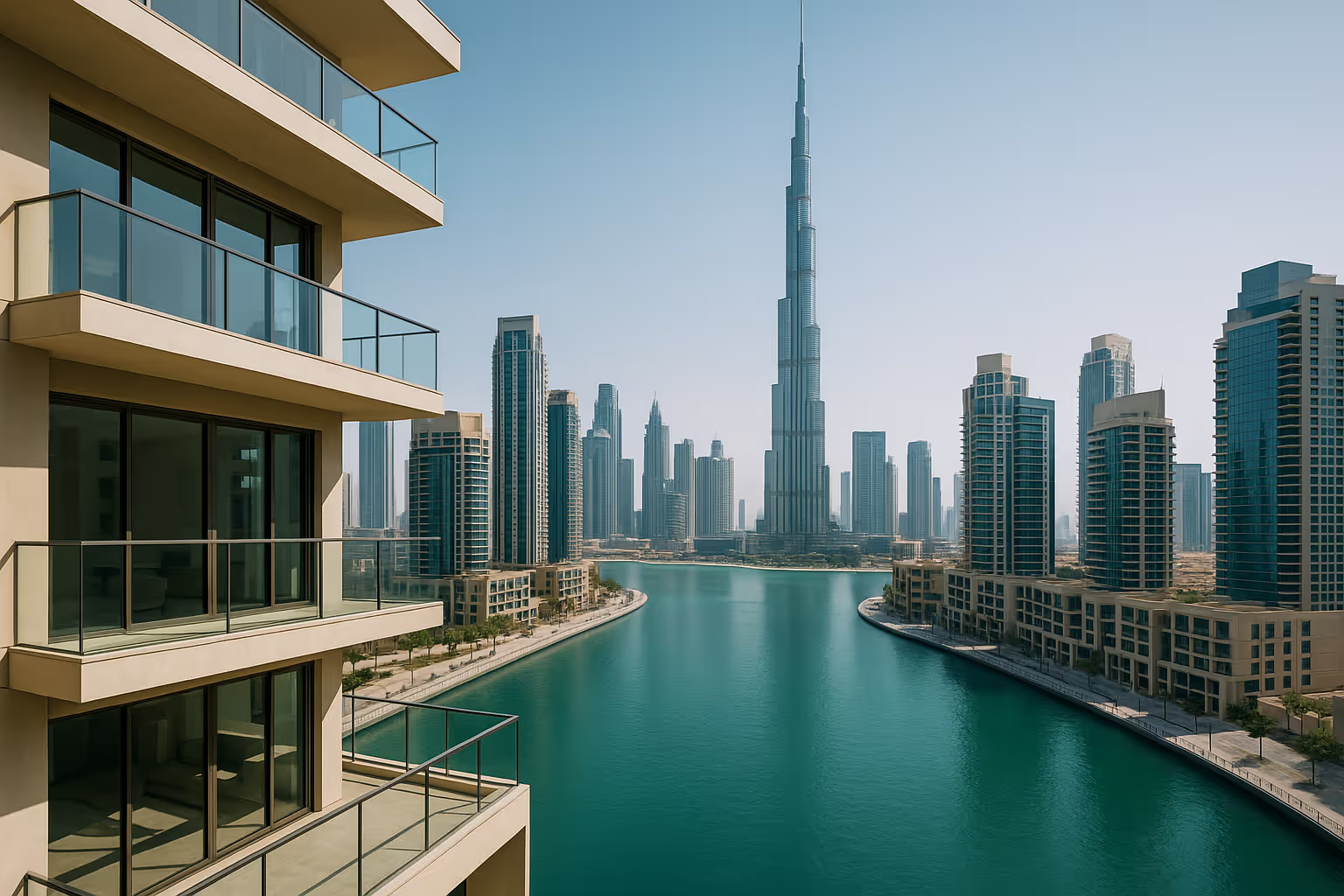
Appartementen huren in Downtown Dubai staat bekend als een dynamische keuze voor zowel expats als gezinnen. De vraag naar woningen in deze bruisende wijk groeit gestaag, mede door het centrale karakter van Downtown en de talloze faciliteiten die het gebied biedt. Volgens gegevens van het Dubai Statistics Center is er een constante instroom van nieuwe expats in de stad, wat zich vertaalt in een toenemende vraag naar kwaliteitswoningen op een toplocatie. Bewoners waarderen de moderne infrastructuur en de nabijheid van iconische attracties zoals de Burj Khalifa, The Dubai Mall en diverse culturele hotspots. Deze combinatie van gemakkelijke bereikbaarheid, moderne voorzieningen en internationale sfeer maakt Downtown tot een aantrekkelijke woonplek voor mensen die graag in het hart van de stad willen wonen, werken en ontspannen.
Voor gezinnen is Downtown Dubai eveneens aanlokkelijk. Ondanks dat sommige mensen veronderstellen dat het vooral gericht is op zakelijke professionals, zijn er scholen en crèches in de buurt, plus tal van recreatieve voorzieningen voor kinderen. Ook de vele voetgangersvriendelijke zones, parken en sportfaciliteiten dragen bij aan de gezinsvriendelijke reputatie van de wijk. Expats ervaren Downtown Dubai als een plek waar comfort en luxe samengaan met praktische gemakken. Bovendien biedt de buurt een multiculturele gemeenschap: je ontmoet er mensen van over de hele wereld, wat de integratie vergemakkelijkt.
In deze uitgebreide gids verduidelijken we alle relevante aspecten van het huren van een appartement in Downtown Dubai. We belichten huurcontracten, de belangrijkste wet- en regelgeving, de bestaande infrastructuur en de verschillende soorten woningen die je er kunt vinden. Ook praktische zaken, zoals verhuizen met je gezin, komen aan bod. Zo bespreken we onder meer de essentiële visa- en documentvereisten en de impact van het openbaar vervoer op de keuze voor een huurwoning. Wil je nog meer weten over verhuizen met het gezin, dan kun je de informatie raadplegen uit onze uitgebreide gids over Dubai: verhuizen met je gezin - visumgids 2025 voor Nederlandse burgers.
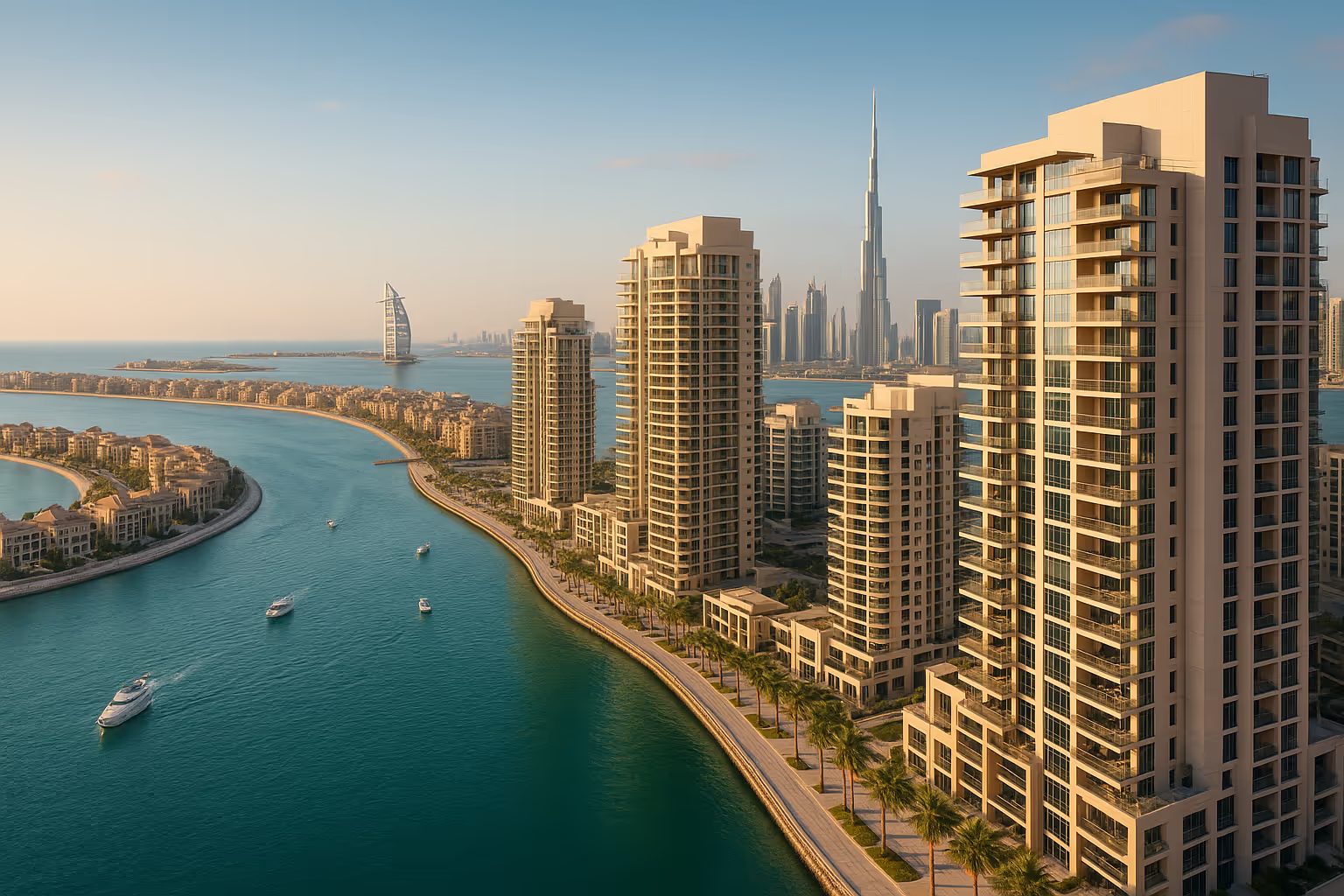
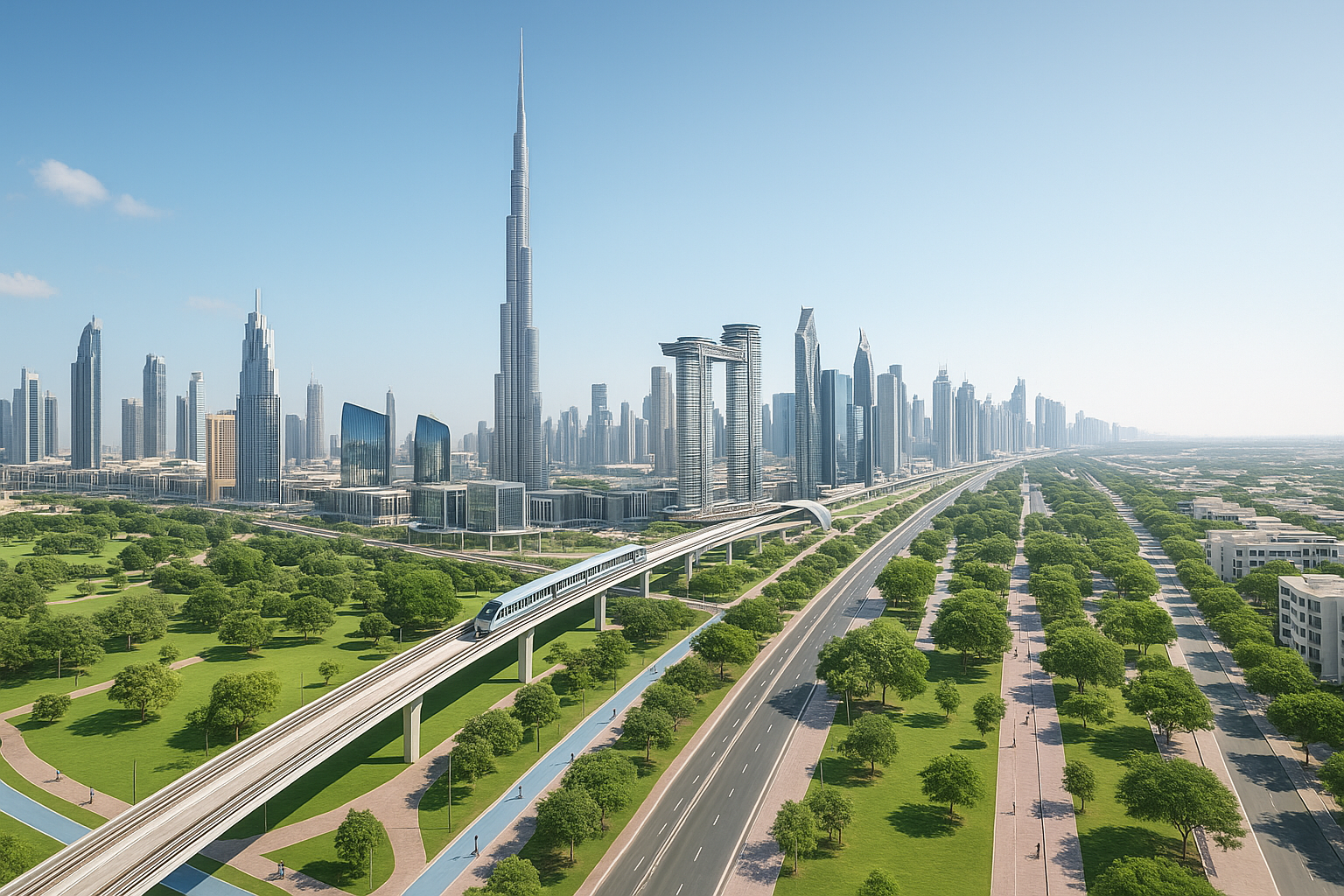
Downtown Dubai wordt vaak het ‘kloppende hart’ van de stad genoemd. Door de aanwezigheid van prestigieuze winkelcentra en een grote variëteit aan restaurants en uitgaansgelegenheden is er altijd wat te doen. Tegelijk functioneert de wijk ook als een uitstekende uitvalsbasis naar andere delen van de stad, mede dankzij de uitgebreide metrolijnen van de Roads & Transport Authority. Of je nu een expat bent die een verhuizing overweegt of een gezin dat op zoek is naar een veilige, comfortabele woonomgeving, Downtown Dubai biedt talloze mogelijkheden. In de volgende secties vertellen we je alles wat je moet weten om essentieel voorbereid te zijn.
Overzicht van de woningmarkt in Downtown Dubai
De woningmarkt in Downtown Dubai is volop in beweging. De vraag naar huurwoningen houdt gelijke tred met de groeiende expatpopulatie en de stedelijke ontwikkeling die Dubai doormaakt. Volgens updates van het Knight Frank rapport en recente artikelen in Khaleej Times zijn de huurprijzen in populaire wijken, waaronder Downtown, de afgelopen jaren gestegen. Toch zijn er in Downtown Dubai zowel betaalbare opties als superluxe appartementen beschikbaar. Door de inspanningen van projectontwikkelaars en de stimulans van de overheid is de diversiteit aan vastgoedtypen toegenomen. Zo zijn er studio’s die voornamelijk aantrekkelijk zijn voor alleenstaanden of stellen, maar ook grotere gezinsappartementen met meerdere slaapkamers en hoger afwerkingsniveau.
Deze brede waaier aan woonopties is mede ontstaan dankzij de veranderende voorkeuren van nieuwe bewoners. Dat brengt voordelen met zich mee voor huurders die flexibiliteit willen in termen van prijs, woninggrootte en contractduur. Waar men voorheen vooral keek naar koopwoningen, is de interesse in huren de laatste jaren flink toegenomen. Het Knight Frank onderzoek voorspelt dat de trend van toenemende huren in Downtown zich zal voortzetten, mede omdat veel professionals en gezinnen de zekerheid van een flexibele woonvorm verkiezen boven de langetermijnverplichting van een hypotheek. Dit sluit aan bij de algemene ontwikkelingen in de stad, waar internationale bedrijven zich vestigen en een relatief jongere populatie op zoek is naar woonruimte met een stedelijk karakter.
In lijn met deze veranderingen stimuleren lokale autoriteiten een stabiele en transparante huurmarkt. Het Dubai Land Department heeft bijvoorbeeld diverse regelgeving en digitale systemen geïmplementeerd (zoals Ejari) om zowel huurders als verhuurders te beschermen. Hierdoor is de drempel om te huren lager en kunnen geïnteresseerden met vertrouwen de markt betreden. Daarnaast hebben diverse eigenaren en vastgoedbeheerders hun diensten afgestemd op de noden van expats. Zij bieden meertalige contracten, gedeelde voorzieningen in moderne torencomplexen en efficiënte onderhoudsdiensten. Door deze mate van service en comfort stappen steeds meer mensen in de huurmarkt. Verder worden gemeubileerde woningen steeds populairder, vooral onder expats die tijdelijk in Dubai verblijven en geen volledige inboedel willen aanschaffen.
Bij het verkennen van de woningmarkt in Downtown Dubai is het zinvol om te kijken naar de langetermijnplannen van de stad. Dubai streeft ernaar een mondiale trekpleister te zijn voor bedrijven, toeristen en talentvolle individuen, en Downtown vormt het visitekaartje daarvan. Daardoor verwacht men dat de vraag naar hoogwaardig vastgoed op deze plek zal blijven groeien. Wie zich thuis wil voelen in het epicentrum van deze vooruitgang kan in Downtown een woning vinden die past bij uiteenlopende budgetten en levensstijlen. In de volgende secties gaan we dieper in op de soorten huurwoningen en vertellen we waar je op moet letten bij het kiezen van een geschikte locatie.
Soorten huurwoningen in Downtown Dubai
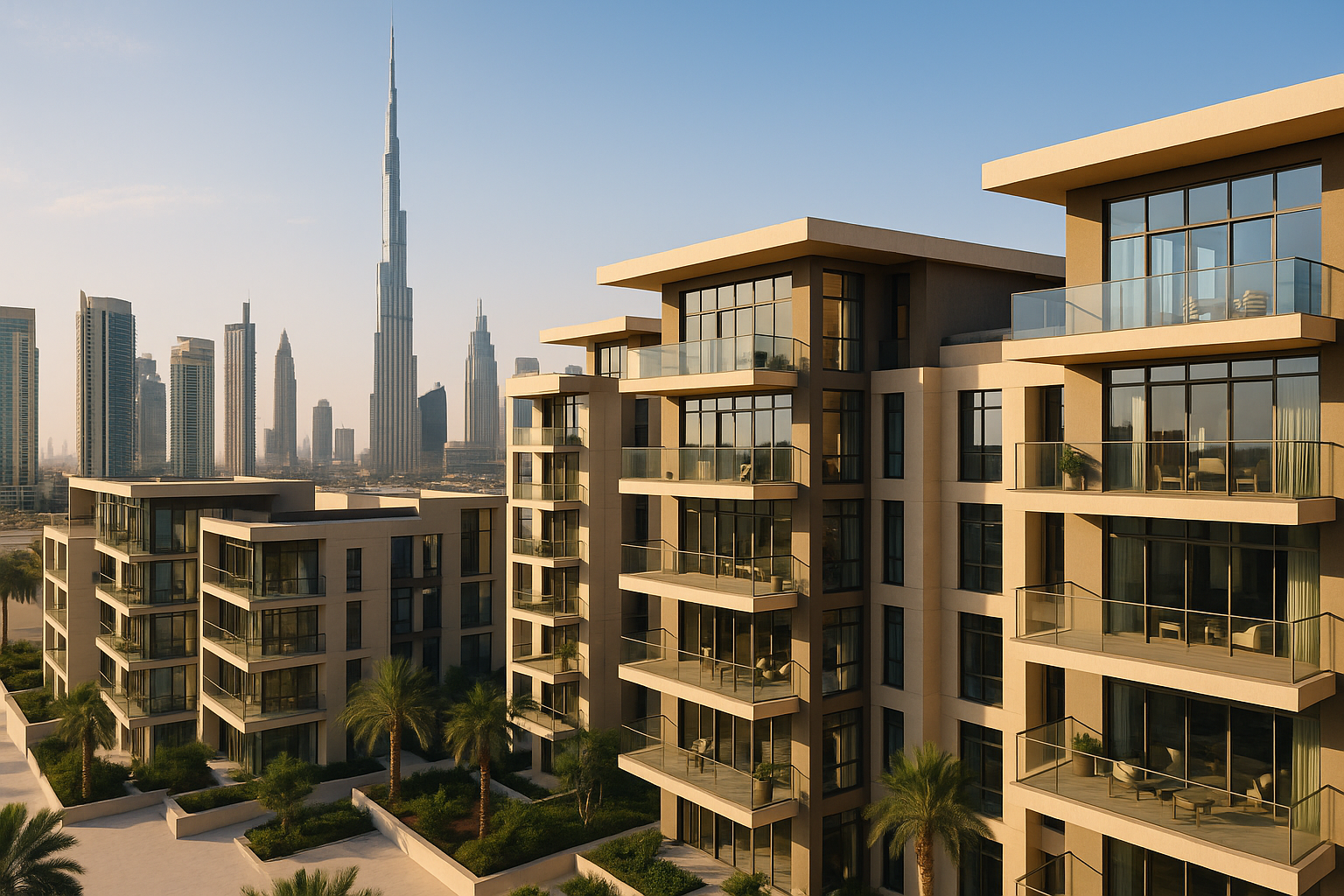
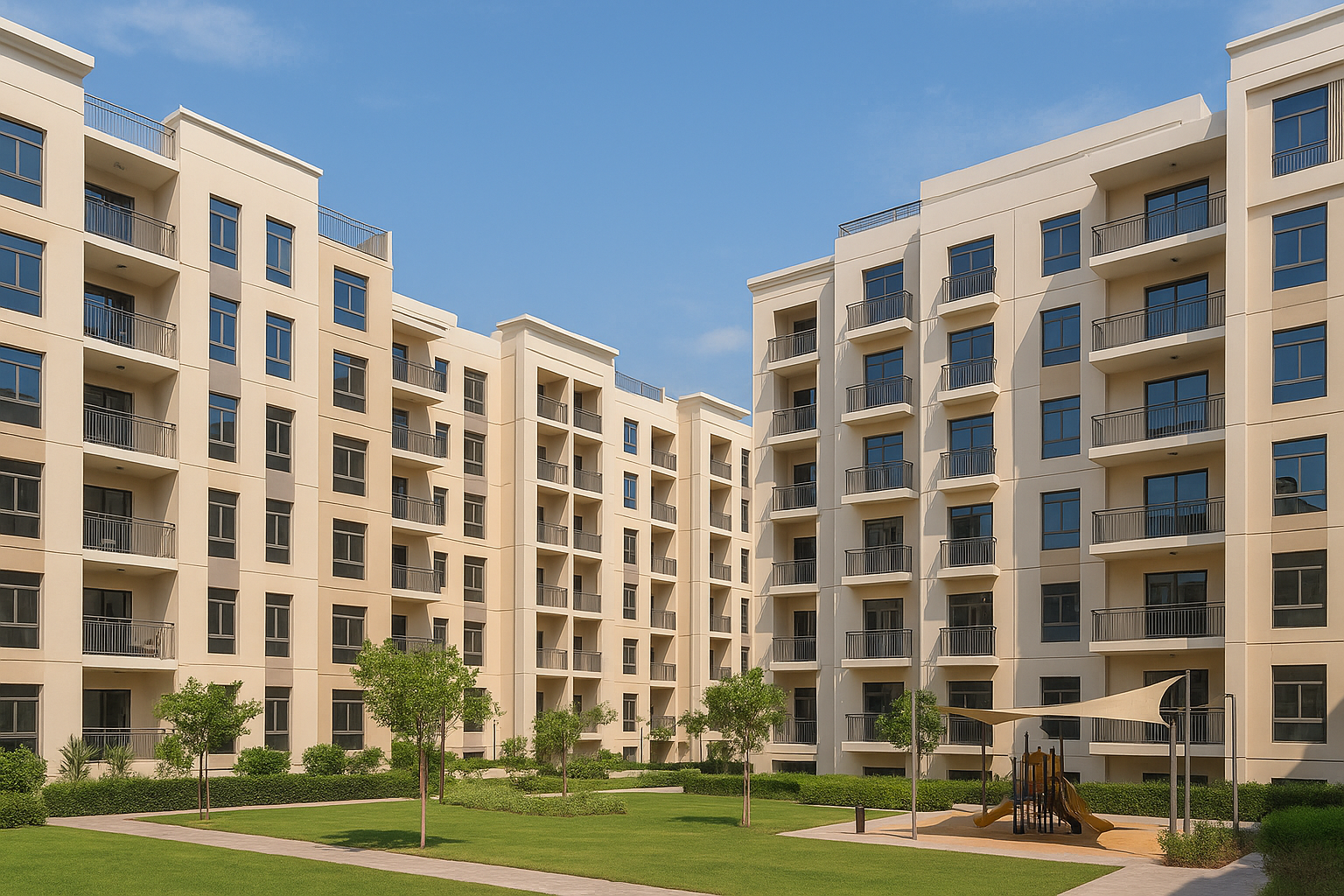
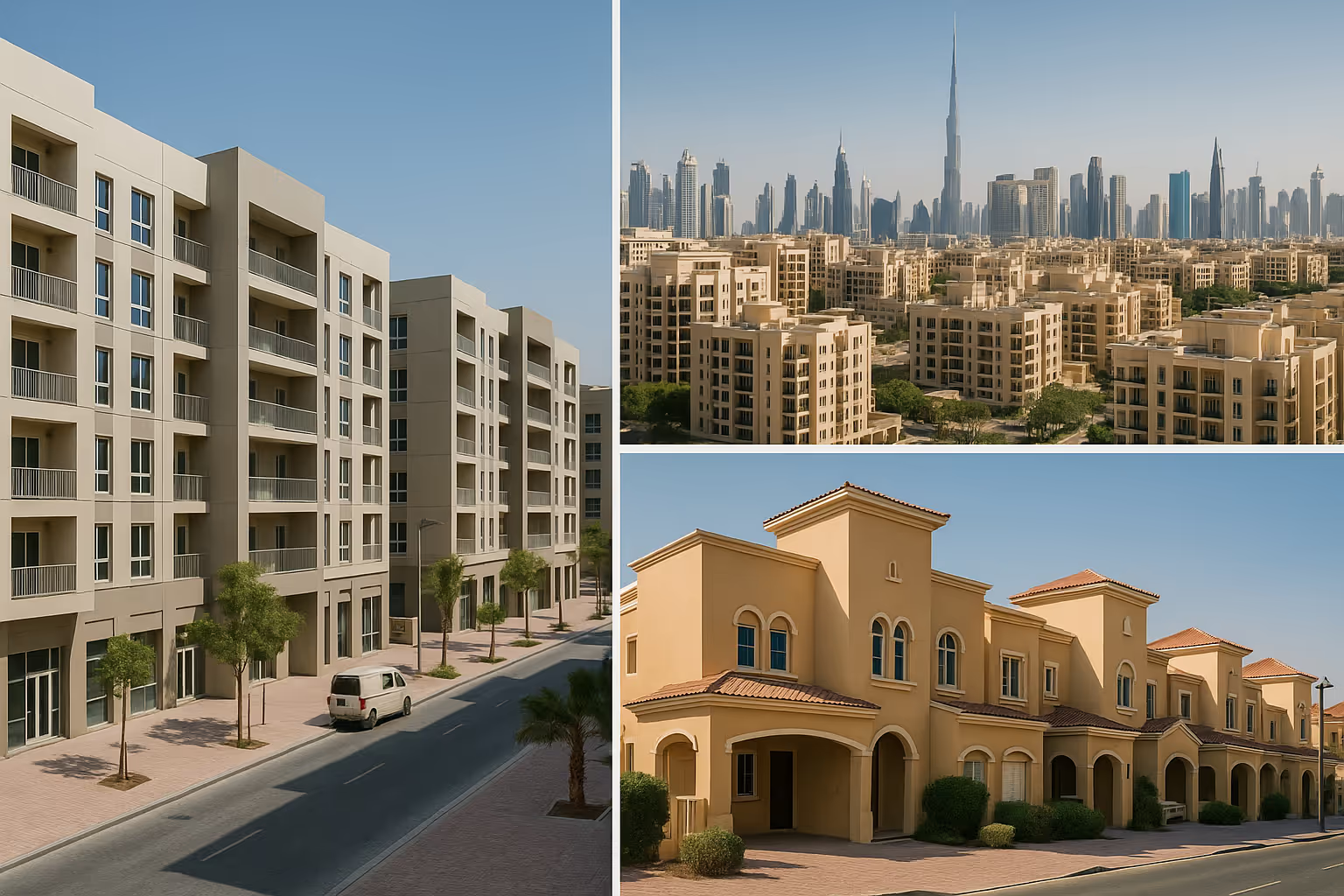
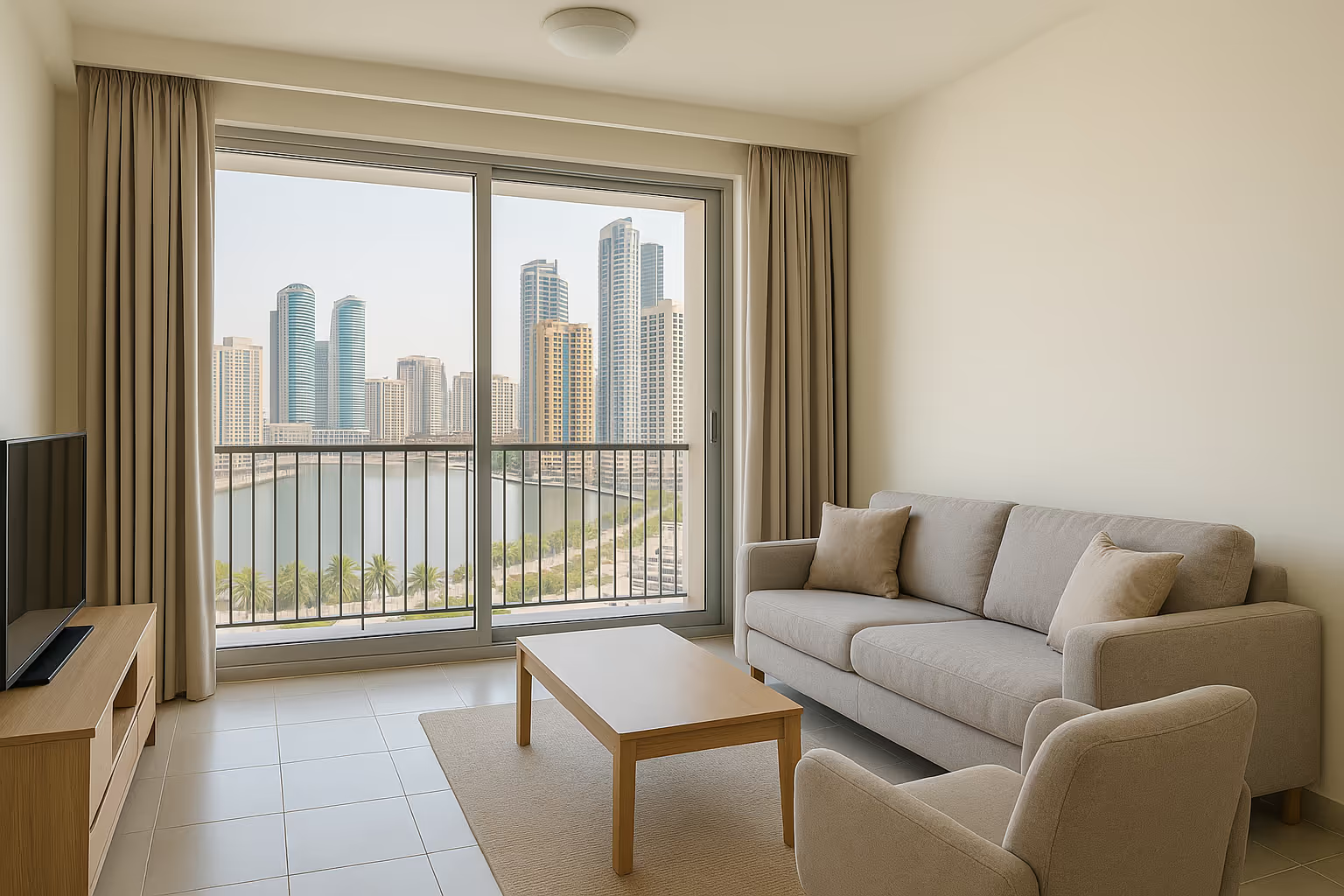
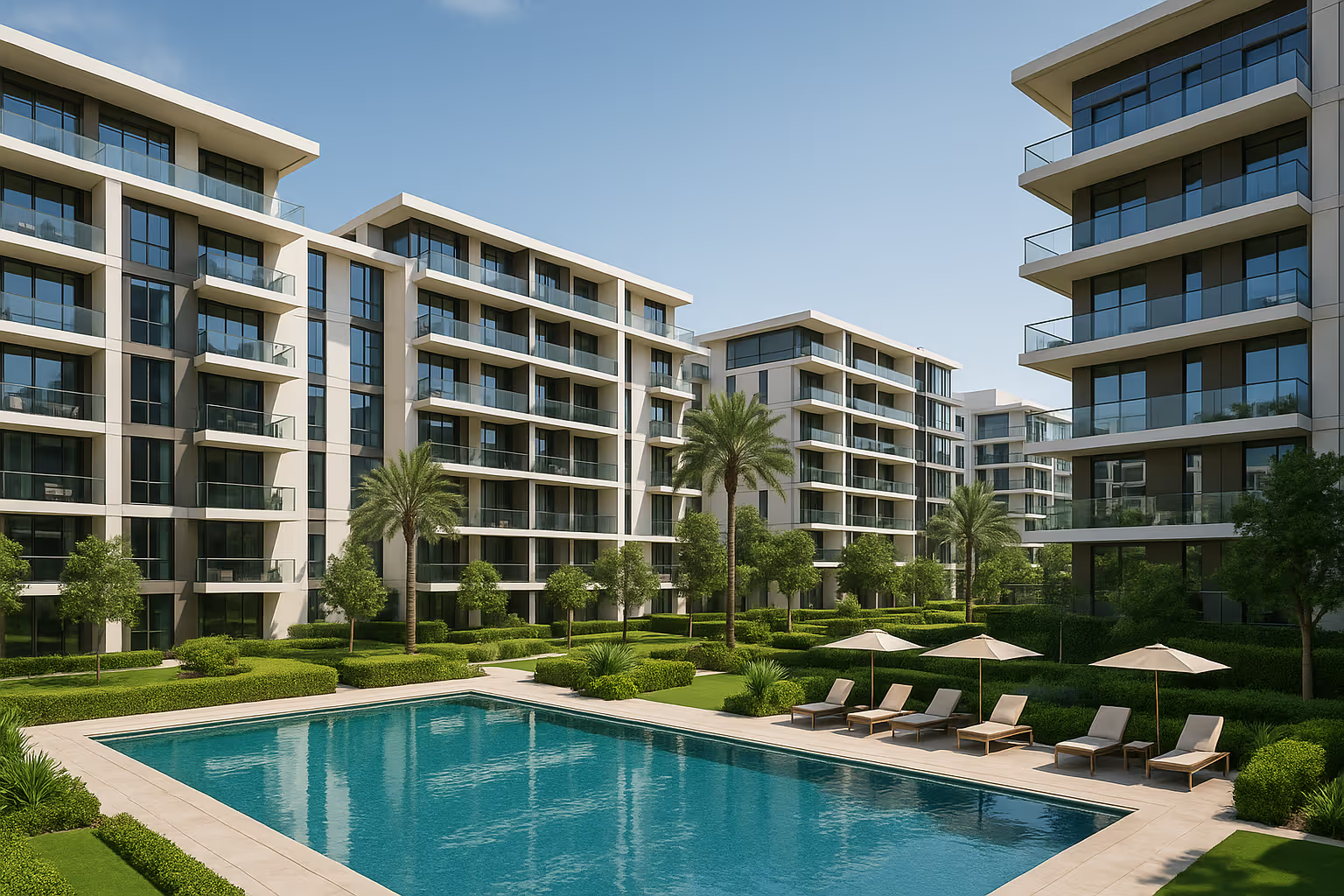
Downtown Dubai biedt een grote verscheidenheid aan appartementen en andere huurwoningen die inspelen op verschillende smaken en budgetten. Zo vind je hier naast compacte studio’s ook ruime penthouses met panoramisch uitzicht op de stad. Expats die alleen of met een partner verhuizen, kiezen vaak voor een modern ingerichte studio of een appartement met één slaapkamer. Deze woningen bieden doorgaans toegang tot gedeelde faciliteiten zoals een fitnessruimte, zwembad en eventueel een kinderspeelplaats voor jonge gezinnen. Mensen die behoefte hebben aan meer ruimte en privacy kunnen kiezen voor grotere appartementen met twee of drie slaapkamers, die vaak extra voorzieningen bieden zoals aparte gastentoiletten, extra bergruimte en afgewerkte keukens.
Nog een belangrijke categorie zijn gemeubileerde appartementen. Deze zijn populair bij expats die voor hun werk tijdelijk in Dubai verblijven of die simpelweg niet de moeite willen nemen om meubilair en apparatuur te kopen. Gemeubileerde appartementen in Downtown zijn meestal voorzien van moderne interieurs en comfortabele meubels, wat het verhuisproces een stuk eenvoudiger maakt. Bovendien stimuleren sommige eigenaren de verhuur door extra diensten aan te bieden, zoals wekelijkse schoonmaak of wasservice.
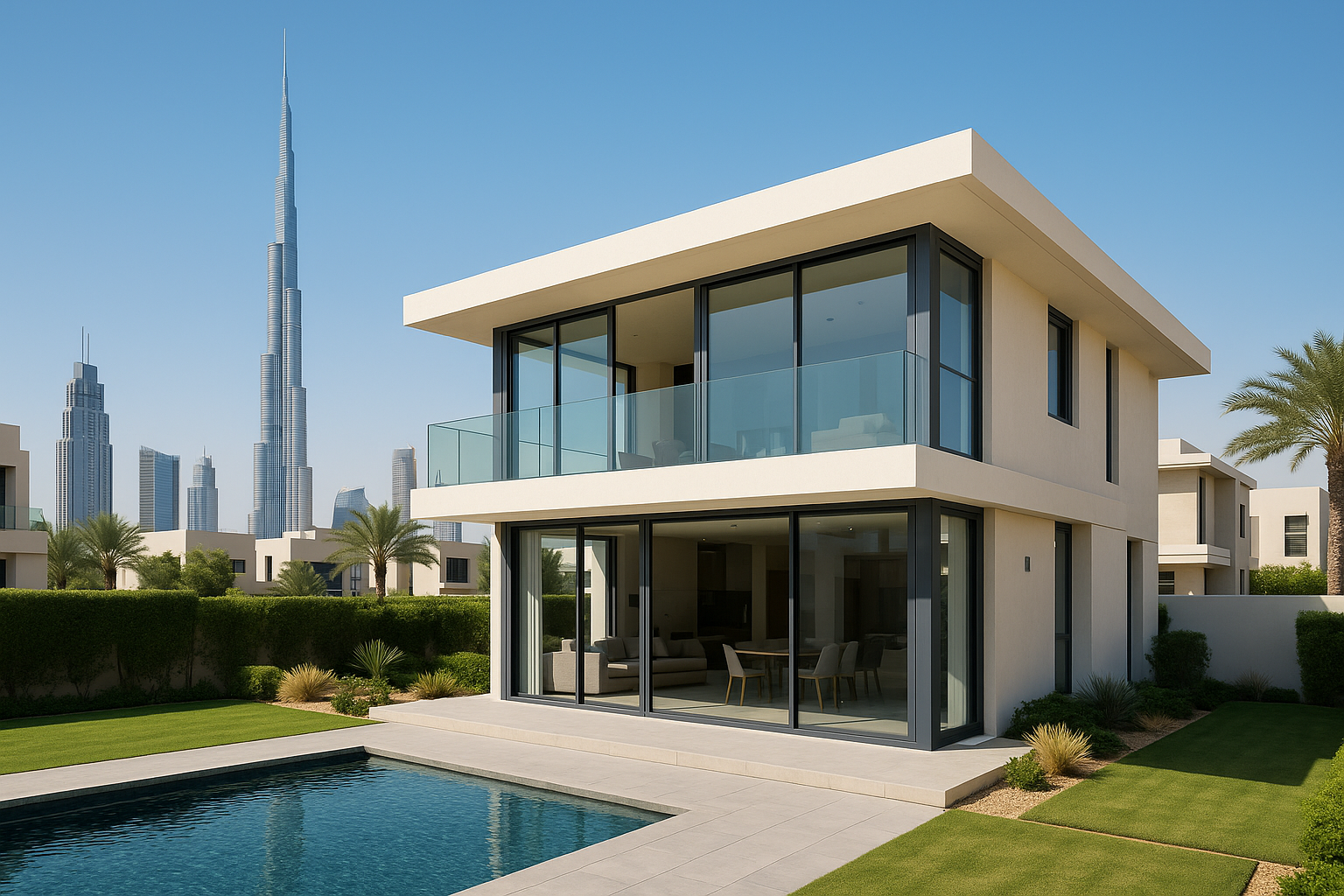
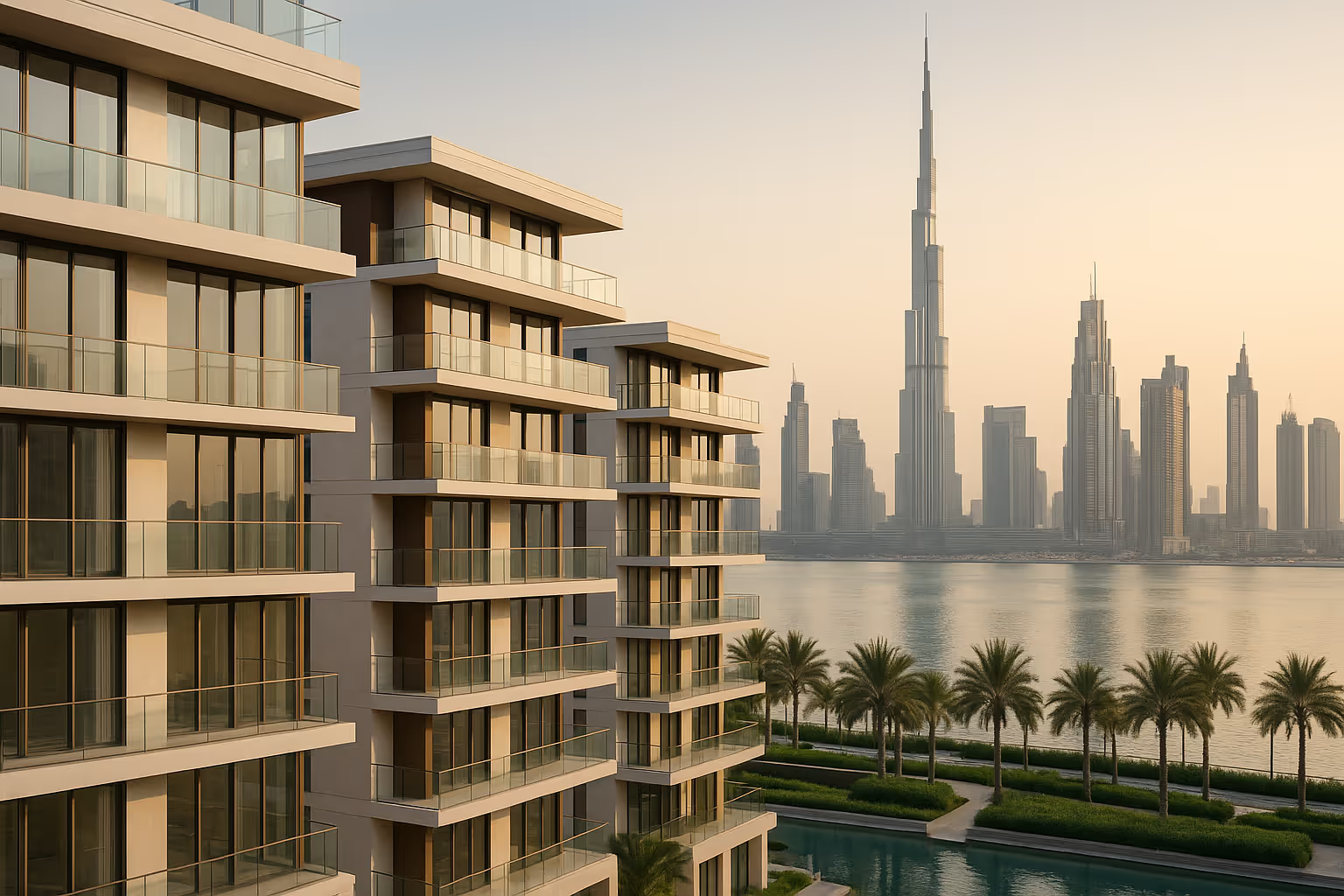
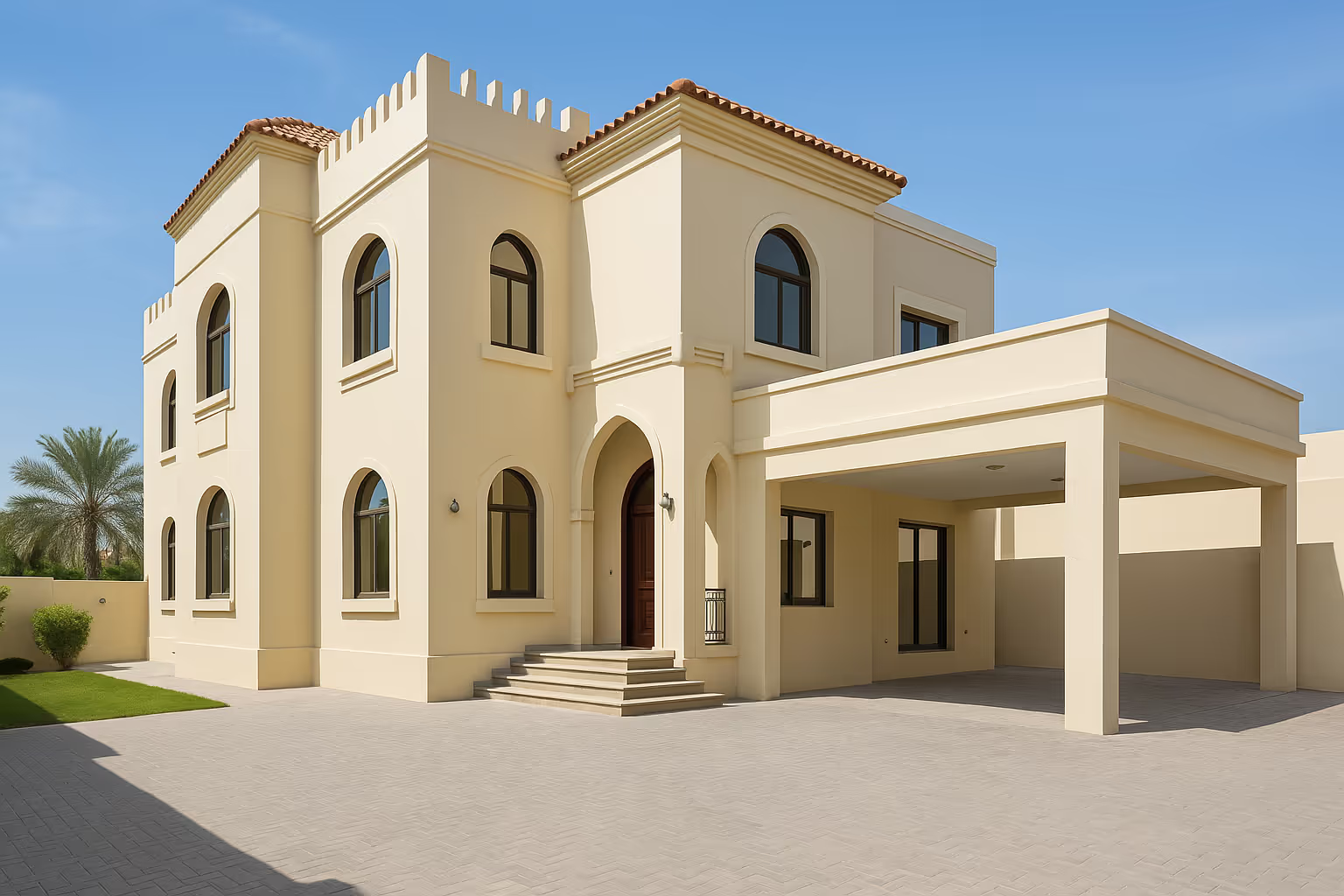
Naast appartementen bestaan er in en rond Downtown ook diverse townhouse-complexen en gezinswoningen voor wie wat meer ruimte en een eigen tuin wenst. Deze zijn echter aanzienlijk schaarser in het hart van Downtown zelf; je vindt ze eerder in de omliggende wijken die nog steeds vlot bereikbaar zijn met de metro of bus. Voor liefhebbers van luxe zijn er bovendien high-end torens met gepersonaliseerde conciërgediensten en exclusieve voorzieningen, zoals privé-skydecks, luxe spa’s en valet parking. Volgens het Khaleej Times-nieuws is er de laatste jaren een toenemende vraag vanuit jonge professionals en vermogende gezinnen naar deze luxueuze woonoplossingen, mede door de internationale uitstraling van Dubai en de investeringen in hoogwaardige architectuur.
Of je nu kiest voor een gemeubileerd appartement, een compacte studio of een groter familieverblijf, Downtown Dubai biedt een aantrekkelijke lijst van voordelen. Denk aan de wandelafstand tot grote zakelijke districten, culturele gebeurtenissen en internationale scholen. Ook voor de dagelijkse boodschappen vind je volop opties in de wijk zelf: van kleine buurtwinkels tot uitgebreide supermarkten. In onze vergelijking tussen Vastgoedbeheer in Nederland vs. Dubai: Waarom Dubai de voorkeur verdient kun je lezen dat de luxe en service die typisch is voor het wonen in Dubai, aanzienlijk hoger ligt dan wat men in veel Europese steden gewend is. Deze variatie in vastgoed zorgt ervoor dat Downtown als woonbestemming breed toegankelijk is, ongeacht je budget of gezinssamenstelling.
Woningkeuze Downtown Dubai: factoren om rekening mee te houden
Het kiezen van de juiste huurwoning in Downtown Dubai hangt af van meerdere factoren, zoals locatie, budget, voorzieningen en gezinssamenstelling. In de eerste plaats is het cruciaal te bepalen wat je belangrijkste prioriteit is: wil je bijvoorbeeld dicht bij een metrostation zitten, of vind je juist de nabijheid van parken en speelgelegenheden voor kinderen belangrijk? In Downtown vormen de stations van de RTA een uitstekende manier om snel door de stad te reizen. Daarnaast zijn er diverse buslijnen en taxi’s die dag en nacht beschikbaar zijn. Deze hoge mate van bereikbaarheid helpt met name expats die net in de stad arriveren en zich nog moeten oriënteren.
Een tweede factor is de gewenste faciliteit in het gebouw. Veel moderne residenties in Downtown bieden zwembaden, sportscholen en gemeenschappelijke lounges. De aanwezigheid van 24-uurs beveiliging en dito receptie is voor veel gezinnen een extra geruststelling. Houd bij de beslissing rekening met de servicekosten, aangezien deze kosten bovenop je huur kunnen komen. Als je een gezin hebt, is het raadzaam te informeren naar de aanwezigheid en nabijheid van scholen. In en rondom Downtown zijn diverse internationale scholen te vinden, wat voor expat-gezinnen een belangrijk pluspunt is. Een korte reistijd kan het dagelijkse woon-werk- en schoolverkeer aanzienlijk vergemakkelijken.
Verder speelt de grootte van de woning uiteraard een rol. Wil je een ruimte voor een thuiskantoor? Of heb je meerdere slaapkamers nodig om bezoek te kunnen ontvangen? In het centrum van Dubai varieert het woningaanbod sterk en liggen de prijzen over het algemeen hoger naarmate je dichter bij populaire bezienswaardigheden woont. Het is verstandig om een afweging te maken tussen de hogere huurprijzen en het gemak van wonen in het hart van de stad. In onze gedetailleerde analyse over De bevolkingsgroei van Dubai lees je dat de druk op de woningmarkt vooral in centrale gebieden toeneemt, wat kan leiden tot prijsstijgingen. Het is dus slim om voor je zoektocht een helder beeld te hebben van je maximale budget, gewenste locatie en lijst van must-have voorzieningen.
Tot slot is het verstandig om slim te onderhandelen over de huur, zeker wanneer je langer in Dubai wilt blijven. Hoewel Downtown bekendstaat als een premiumlocatie, kan het eventueel stilzetten van een groeiend aantal nieuwbouwprojecten de onderhandelingsruimte vergroten. Door te vergelijken en eventueel verschillende woningtypes of locaties te bezichtigen, krijg je een beter beeld van wat er mogelijk is. Ook kun je denken aan het opbouwen van een goede relatie met de verhuurder of een erkend makelaarskantoor, wat je kan helpen bij het verkrijgen van flexibelere voorwaarden of extra’s zoals een gratis maand huur. De details lees je in onze posts en in de diverse analyses van de ontwikkelingen in de stad, waaronder Nieuwe ontwikkelingen in de Dubai metro.
Huurcontract Dubai – belangrijke zaken om te weten
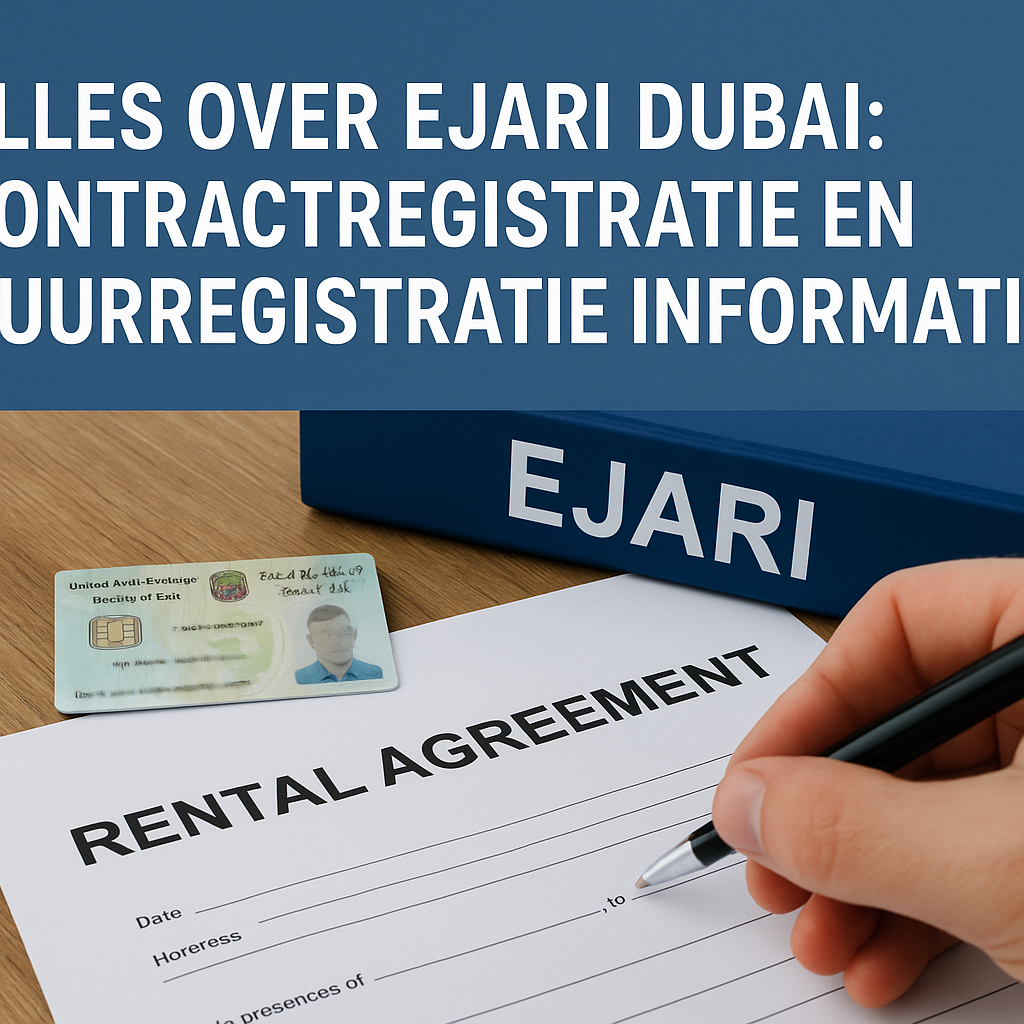
Bij het huren van een appartement in Downtown Dubai is het raadzaam om je te verdiepen in de belangrijkste wettelijke details en formules. Het Ejari-systeem, beheerd door het Dubai Land Department, is een verplicht registratiesysteem voor huurovereenkomsten. Het zorgt ervoor dat de huurcontracten rechtsgeldig en transparant zijn. Als huurder krijg je na registratie een officieel Ejari-document, wat je bijvoorbeeld nodig hebt bij het openen van nutsvoorzieningen. Zorg er ook voor dat je contract voldoet aan de normen van de Real Estate Regulatory Agency (RERA). Deze organisatie stelt standard contracten en richtlijnen op om geschillen tussen huurder en verhuurder te minimaliseren.
Expats die niet bekend zijn met de lokale taal en regelgeving doen er goed aan een makelaar of advocaat in de arm te nemen die de lokale huurwetgeving kent. Zo’n expert kan adviseren over de voorwaarden, zoals borgstelling, het aantal cheques voor betaling en eventuele indexeringen van de huurprijs. In Dubai is het gebruikelijk dat huur in meerdere termijnen wordt betaald met postdated cheques, al begint men steeds vaker bankoverschrijvingen te accepteren. Besef dat te late betalingen of een gestuitte cheque serieuze gevolgen kunnen hebben. Controleer daarom altijd de financiële verplichtingen voordat je een contract tekent. Voor meer informatie over juridische aspecten en de verschillen tussen de Nederlandse en de Dubaanse praktijk, check ons artikel Vastgoedbeheer in Nederland vs. Dubai: Waarom Dubai de voorkeur verdient.
Daarnaast kan het voorkomen dat je aparte afspraken wilt maken over onderhoud of reparaties. In sommige contracten ligt de verantwoordelijkheid voor klein onderhoud bij de huurder, terwijl groot onderhoud voor rekening van de verhuurder is. Ook moeten internationale huurders letten op de contractduur. In Dubai is het normaal dat huurcontracten jaarlijks worden vernieuwd, waarbij de prijsindex van RERA kan bepalen of er een huurverhoging mogelijk is. Dit systeem houdt rekening met markttrends en de gemiddelde huurprijzen in de wijk. Informeer jezelf dan ook over de actuele index bij het vernieuwen van de huurtermijn. Mocht je tussentijds willen opzeggen, kijk dan goed in de overeenkomst of er een boeteclausule van toepassing is.
Ten slotte is het verstandig je contract te laten vertalen naar het Engels indien het origineel in het Arabisch is opgesteld. Veel contracten zijn tegenwoordig tweetalig, wat de communicatie vergemakkelijkt en misverstanden kan voorkomen. Denk eraan dat, hoewel de Engelstalige versie gebruikt wordt voor de dagelijkse praktijk, bij een juridisch geschil vaak de Arabische tekst leidend is. Zorg dus voor een goede check voordat je iets definitief ondertekent, en bewaar alle contractdocumenten en betalingsbewijzen zorgvuldig. Zo kom je niet voor onaangename verrassingen te staan.
Verhuizen naar Downtown Dubai: praktische tips
Verhuizen naar Downtown Dubai vraagt om een gedegen voorbereiding, zeker wanneer je met gezin en al van plan bent om je hier te vestigen. Een van de eerste zaken die je moet regelen, is het verkrijgen van de juiste visa en werkvergunningen. In veel gevallen kom je als expat het land binnen op een toeristenvisum, om deze later om te zetten naar een verblijfsvisum gesponsord door je werkgever of door jezelf als ondernemer. Wil je met het hele gezin verhuizen, dan dien je ook de sponsorregelingen te controleren, zodat je familiezaken als zorgverzekering en kindervisa tijdig kunt regelen. Ga voor meer informatie naar onze uitgebreide gids Dubai: verhuizen met je gezin - visumgids 2025 voor Nederlandse burgers.
Bij zo’n grote verhuizing is het verder essentieel om logistieke zaken te stroomlijnen. Denk hierbij aan het verschepen van je inboedel, het afsluiten van lokale verzekeringen en het regelen van nutsvoorzieningen zoals water, elektriciteit en internet. Downtown Dubai wordt in hoge mate ondersteund door moderne infrastructuur, dus de installatie van nutsvoorzieningen verloopt redelijk vlot. Mogelijk moet je wel een borgsom betalen bij de betreffende nutsbedrijven, dus houd daar rekening mee in je budgetplanning. Verder kan het verstandig zijn om te overwegen of het praktischer is om inboedel te verschepen of ter plaatse nieuw aan te schaffen. Aangezien Downtown veel gemeubileerde opties biedt, kiezen sommige huurders ervoor om alleen hun persoonlijke bezittingen mee te nemen en de rest lokaal te regelen.
Voor gezinnen met jonge kinderen zijn er extra aandachtspunten. De nabijheid van een geschikte school kan prioritair zijn in de woonkeuze. Bovendien is het handig om te kijken naar de verschillende kinderopvangmogelijkheden in de wijk. Downtown heeft een groot aanbod aan recreatieve faciliteiten, maar ook naburige wijken bieden volop speelmogelijkheden. Het plannen van de verhuizing zelf kost tijd: een vroege oriëntatie, het opzeggen van bestaande abonnementen in je land van herkomst en het regelen van transport zijn stappen die je ruim van tevoren wilt afronden. Hoe beter je voorbereid bent, hoe vlotter de overgang verloopt.
Eenmaal aangekomen is het raadzaam je te verdiepen in de cultuur en gebruiken van de Verenigde Arabische Emiraten. Hoewel Dubai modern en internationaal georiënteerd is, zijn er sociale en religieuze normen waarmee rekening moet worden gehouden. Respect voor lokale gebruiken en wetten is belangrijk om je snel thuis te voelen. Om je inburgering te vergemakkelijken, kun je deelnemen aan lokale expat-groepen of buurtactiviteiten. Zo leer je direct nieuwe mensen kennen en ontdek je de wijk vanuit het perspectief van andere bewoners. Binnen de kortste keren voel je je helemaal thuis in het hart van de stad.
Openbaar vervoer in Dubai en impact op woonkeuze
Een van de grote voordelen aan wonen in Downtown Dubai is de uitstekende bereikbaarheid. De wijk beschikt over meerdere metrostations die deel uitmaken van een efficiënt netwerk, beheerd door de Roads & Transport Authority. Daarnaast rijden er verschillende buslijnen en kun je gebruikmaken van de tram, vooral handig in gebieden dichter bij de kust. Deze infrastructuur heeft een directe invloed op de woonkeuze van veel expats en gezinnen: hoe beter de vervoersmogelijkheden, hoe sneller en makkelijker men in het dagelijkse leven kan bewegen zonder afhankelijk te zijn van een eigen auto. Met name wie werkt in nabijgelegen business-districten of zich veel verplaatst voor zakelijke afspraken, profiteert van de goede verbindingen.
De gemeente Dubai investeert continu in nieuwe metrolijnen en renovatieprojecten voor bestaande stations. Zo wordt de bekende Blue Line, zoals beschreven in het artikel Nieuwe ontwikkelingen in de Dubai metro, gezien als een toekomstgerichte stap om de stad nog beter te ontsluiten. Bewoners van Downtown kunnen hierdoor de drukke hoofdwegen vermijden en behoorlijk wat tijd besparen tijdens de spitsuren. Bovendien zijn veel wooncomplexen in Downtown enkele minuten lopen van een metro- of bushalte, wat vooral gezinnen met kinderen helpt om veiliger en sneller te reizen. Ook voor dagelijkse behoeften, zoals boodschappen doen, kan het openbaar vervoer uitkomst bieden als je niet over een eigen auto beschikt.
Daarnaast heeft de nabijheid van trein- of busstations invloed op de huurprijs. Gebieden die direct grenzen aan een metrostation, staan vaak bekend om hun hogere prijzen, omdat de vraag naar dergelijke locaties groot is. Wie bereid is iets verder te lopen, vindt soms voordeligere opties met nog steeds een prima verbinding. Hetzelfde geldt voor de nabijheid van andere voorzieningen zoals supermarkten en winkelcentra. Downtown Dubai is echter behoorlijk compact, waardoor de afstanden sowieso relatief klein blijven. De impact van het openbaar vervoer strekt zich ook uit tot de structuur van de stad: winkels, horecagelegenheden en andere faciliteiten vestigen zich graag in buurten die gemakkelijk te bereiken zijn. Daardoor profiteer je in Downtown van een integrale leefomgeving, waar je voor je dagelijkse leven niet telkens de auto hoeft te pakken. Dat draagt bij aan de hoge levenskwaliteit die velen in deze buurt ervaren.
Kosten en prijzen: wat kost het om een appartement te huren in Downtown Dubai?
De huurprijzen in Downtown Dubai variëren sterk, afhankelijk van het type appartement, de afmetingen, de leeftijd van het gebouw en de beschikbare voorzieningen. Volgens recente rapporten van Knight Frank kun je voor een relatief compacte studio in een gemiddeld torencomplex al snel rekenen op een jaarlijkse huur die begint rond de 65.000 AED, terwijl luxere studio’s of appartementen met Burj Khalifa-zicht fors hoger kunnen uitvallen. Voor gezinnen die zoeken naar grotere woningen, bijvoorbeeld met twee of drie slaapkamers, kunnen de kosten per jaar oplopen tot boven de 150.000 AED, afhankelijk van de locatie en het serviceniveau. Houd er rekening mee dat deze cijfers aan schommelingen onderhevig zijn, mede door vraag en aanbod en het algehele economisch klimaat.
Nebenkosten spelen eveneens een rol. Zo rekenen veel gebouweigenaren servicekosten die bijdragen aan het onderhoud van de faciliteiten zoals het zwembad, de sportschool en de gemeenschappelijke ruimtes. Daarnaast dien je vaak een waarborgsom te betalen, meestal ter hoogte van vijf procent van de jaarhuur, waarvan je de details kunt terugvinden in het huurcontract. Het is belangrijk deze bijkomende kosten mee te nemen in je totale budgetberekening. Verder zijn de energierekeningen (elektriciteit en water) in Dubai doorgaans niet toegevoegd aan de huur, dus daar moet je zelf aparte contracten voor afsluiten. De installatie is vrij simpel, maar kost in het begin wel tijd en borg. In ons artikel De toekomst van Dubai: Een visionaire groei naar 2040 bespreken we hoe de stad zich op lange termijn verder zal ontwikkelen, wat invloed kan hebben op de toekomstige huurprijzen.
Aangezien Downtown een van de duurste buurten van de stad is, is het slim om te bepalen wat je maandelijkse uitgavenlast kan zijn. Expats met een ruim budget kiezen vaak voor high-end appartementen met panoramisch uitzicht, conciërgeservice en luxe voorzieningen. Gezinnen zoeken soms naar een middenweg: redelijke huurprijzen, maar wel voldoende vierkante meters en een prettige locatie. Door het ongelooflijk brede aanbod is er echter sprake van een competitieve markt, zodat je diverse opties kunt vergelijken om een goede deal te sluiten. Overweeg ook om, indien je langer blijft, het gesprek met de verhuurder aan te gaan als je na het eerste jaar besluit door te huren. Soms krijg je dan betere voorwaarden of een kleinere huurverhoging. Het is echter niet ongewoon dat populaire gebouwen juist een hogere huur gaan rekenen bij verlenging, zeker wanneer de vraag van andere potentiële huurders hoog is.
Een goed inzicht in de lokale prijstrends en mogelijke toekomstige ontwikkelingen kan je helpen om financiële verrassingen te vermijden. Zo kan het gunstig zijn om te verhuizen vlak voor het laagseizoen of eerder in het jaar, als sommige expats Dubai verlaten. Dan is de kans groter dat je betere voorwaarden en prijzen kunt bedingen. Al met al blijft Downtown Dubai een premiumlocatie, maar bij een grondige voorbereiding en een zorgvuldige vergelijking vind je vaak een appartement dat volledig aansluit bij je wensen en budget.
Conclusie
Een appartement huren in Downtown Dubai biedt talloze voordelen: een bruisende omgeving, uitstekende verbindingen met het openbaar vervoer en toegang tot tal van voorzieningen. Voor expats en gezinnen die op zoek zijn naar een stadse levensstijl met een internationaal tintje, is Downtown zonder meer een aantrekkelijke optie. Het is echter van belang om goed voorbereid te zijn. Onderzoek de marktsituatie, bedenk vooraf wat jouw essentiële woonwensen zijn en vergeet niet rekening te houden met bijkomende kosten. Daarnaast is het verstandig om je te verdiepen in het huurcontract, zodat je weet welke rechten en plichten je hebt.
Voor wie nog twijfelt, is het raadzaam om advies in te winnen bij erkende makelaars en de officiële bronnen zoals het Dubai Land Department te raadplegen. Op die manier kun je grondig nagaan wat de regels en procedures zijn. Ook het raadplegen van ervaringsverhalen van andere expats kan helpen. In deze blog hebben we de voornaamste aspecten voor je op een rij gezet: van de soorten huurwoningen en de kosten tot het verhuizen met het hele gezin. Door kritisch te kijken naar je budget en behoeften, en door je grondig voor te bereiden, kun je met vertrouwen een passend appartement in Downtown vinden. Zo geniet je optimaal van de unieke lifestyle die Dubai te bieden heeft.
FAQ
Welke documenten heb ik nodig voor een huurcontract in Dubai?
Je hebt in de regel een geldige identiteitskaart of paspoort nodig, een verblijfsvisum en soms een bewijs van inkomen of werkgeversverklaring. Het huurcontract wordt vervolgens geregistreerd in het Ejari-systeem. RERA-erkende formulieren waarborgen dat het contract voldoet aan de lokale regelgeving. In veel gevallen vraagt de verhuurder ook om een borgsom en meerdere postdated cheques ter betaling.
Kan ik met mijn gezin in Downtown Dubai wonen, gezien de drukte?
Absoluut. Downtown Dubai is niet alleen geschikt voor jonge professionals, maar ook zeer aantrekkelijk voor gezinnen. Er zijn kinderfaciliteiten, internationale scholen en rustige wooncomplexen met speelruimtes aanwezig. Daarnaast liggen veel parken en sportvelden in de directe omgeving. Het is belangrijk om bewust een gebouw of buurt te kiezen die expliciet gezinsvriendelijke voorzieningen biedt, zodat iedereen zich thuis voelt.
Hoe onderscheidt de huurmarkt zich van die in Nederland?
Een belangrijk verschil is dat in Dubai de huurprijzen vaak jaarlijks worden vastgesteld en dat langdurige contracten minder gebruikelijk zijn. Ook is het gebruik van postdated cheques heel normaal, terwijl in Nederland huur doorgaans maandelijks wordt betaald via automatische incasso. Verder maakt het Dubai Land Department gebruik van specifieke registratie- en indexeringssystemen, zoals Ejari, waardoor er meer centralisatie en transparantie is over de huurmarkt.
Is openbaar vervoer echt voldoende in Downtown Dubai, of heb ik een auto nodig?
Downtown Dubai is zeer goed bereikbaar via metro, bus en taxi. Veel wooncomplexen liggen op loopafstand van een halte, waardoor een auto niet per se noodzakelijk is. De nieuwe ontwikkelingen, waaronder de Blue Line van de RTA, verbeteren de verbindingen verder. Toch kiezen sommige bewoners ervoor een eigen auto te rijden, zeker als ze buiten de stad reizen of flexibiliteit willen bij bezoeken aan plekken zonder directe OV-verbinding.
Hoe lang duurt een gemiddeld huurcontract en wat bij vroegtijdige opzegging?
In de meeste gevallen wordt een appartement in Dubai gehuurd voor een periode van één jaar. Als huurder en verhuurder kun je echter overeenkomen dat het contract automatisch wordt verlengd. Houd wel rekening met mogelijke huurverhogingen volgens de RERA-index. Bij vroegtijdige opzegging kan er een boeteclausule in het contract staan. Deze clausule bepaalt meestal dat je een bepaald bedrag moet betalen wanneer je voor het eind van de overeengekomen periode vertrekt. Lees dus altijd de voorwaarden grondig door voordat je tekent.
Meer weten over investeren in Dubai vastgoed?
Wil je dit onderwerp toepassen op jouw situatie? Download de gratis Dubai vastgoed gids, bekijk het actuele Dubai vastgoed aanbod of plan een gratis gesprek met Dubai-Property.nl.
















.png)
.png)

.png)






.avif)
.avif)











.svg)
.svg)
.svg)