
.svg)
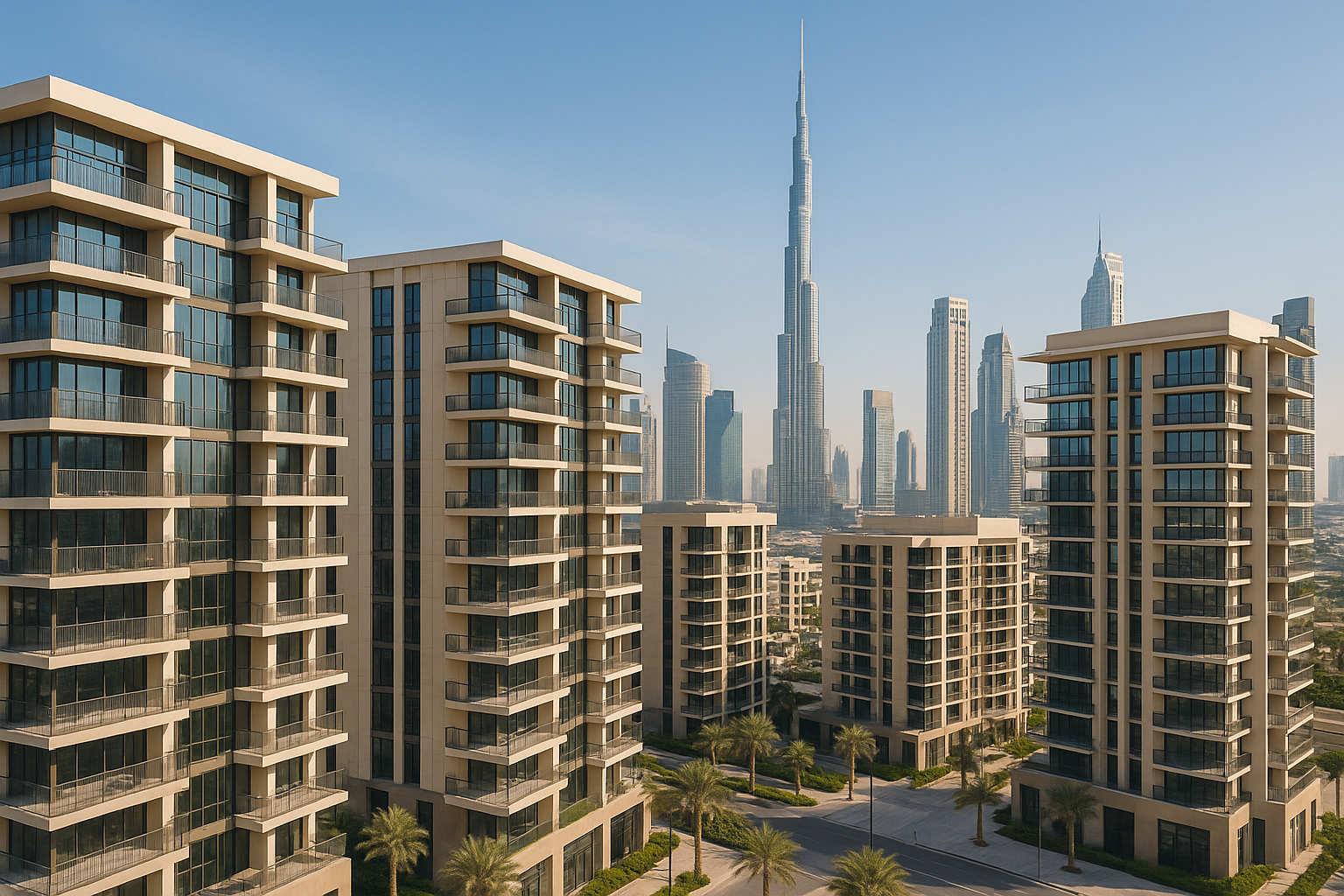


Off-plan vastgoed in Dubai is een aantrekkelijk concept voor investeerders die op zoek zijn naar groeikansen, waardestijging en de mogelijkheid om tegen concurrerende prijzen de markt te betreden. De term 'off-plan' verwijst naar eigendomsobjekten die nog onder constructie zijn en worden verkocht voordat de bouwwerkzaamheden volledig zijn voltooid. Dit staat in contrast met zogenaamde kant-en-klare eigendommen in Dubai, die direct na aankoop kunnen worden bewoond of verhuurd. De populariteit van off-plan vastgoed is de afgelopen jaren aanzienlijk toegenomen, vooral vanwege betaalbare toegangskosten, gefaseerde betalingsstructuren en het potentieel voor waardegroei tijdens de constructiefase. Het investeren in off-plan vastgoed brengt echter ook risico's met zich mee, zoals mogelijke vertragingen en marktschommelingen, waardoor grondige research en een solide strategie onmisbaar zijn. In deze uitgebreide gids belichten we alle belangrijke aspecten van off-plan vastgoed in Dubai, van betalingsplannen en investeringsmogelijkheden tot de belangrijkste risico's die elke investeerder moet overwegen.
Wat is off-plan vastgoed in Dubai?
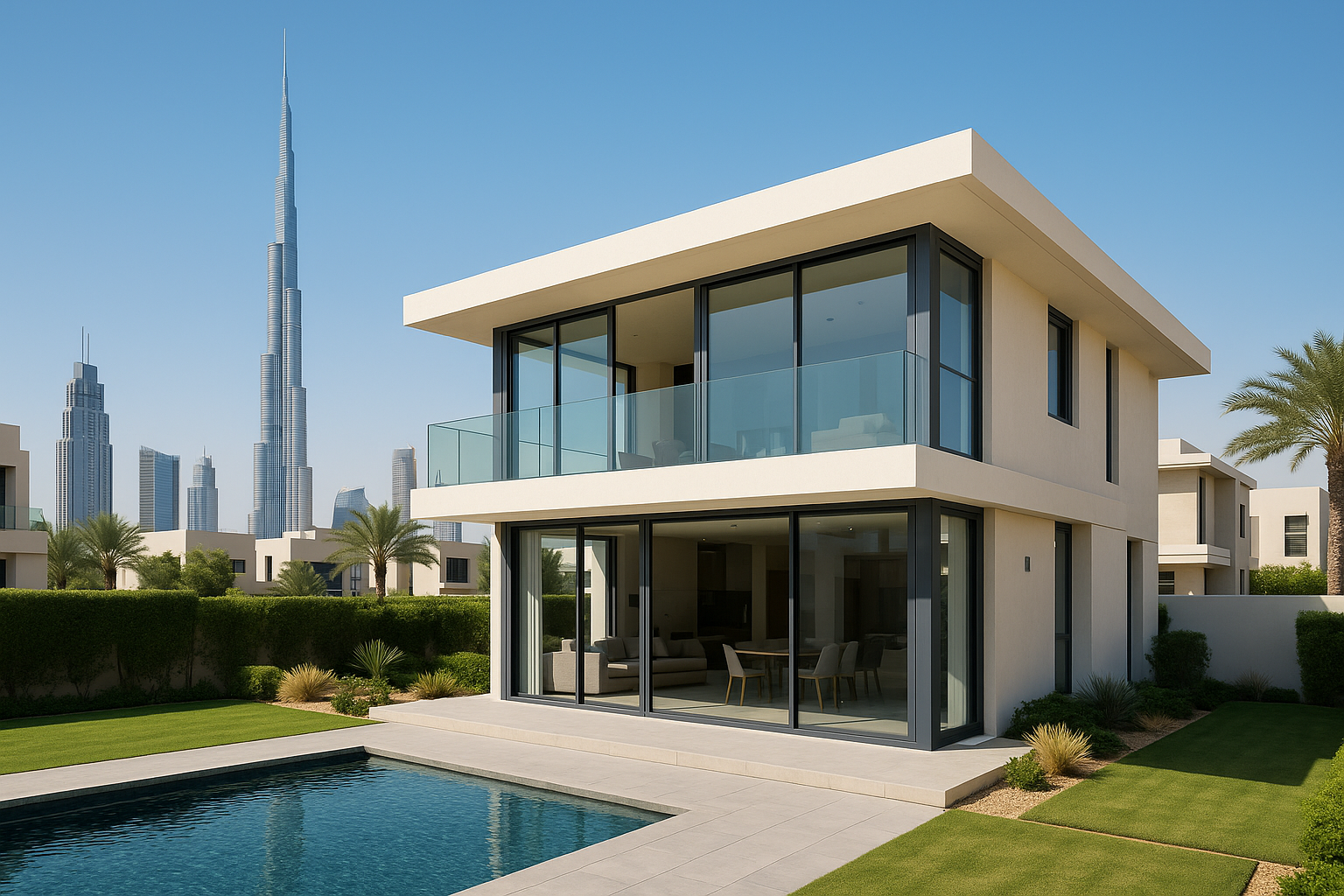
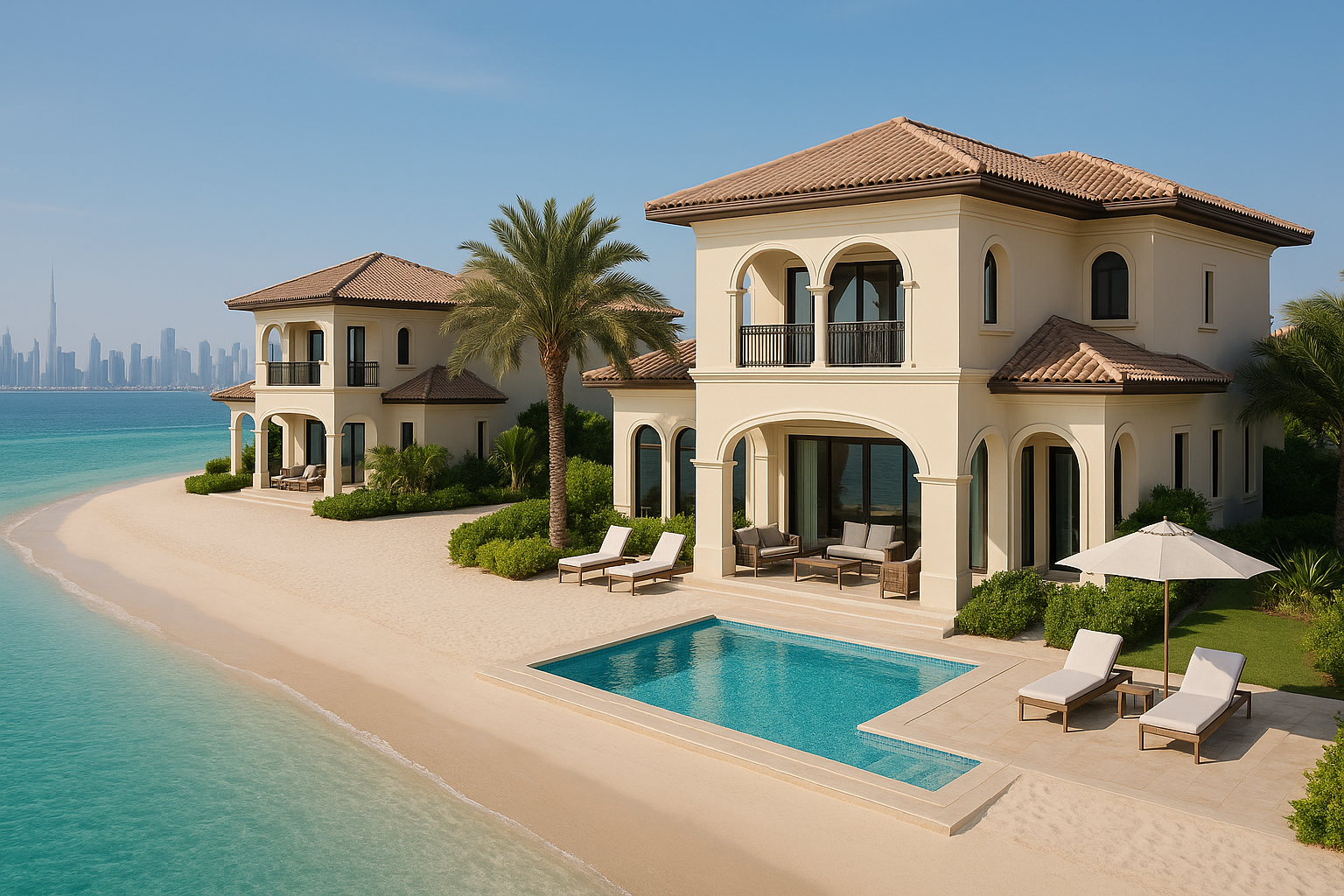
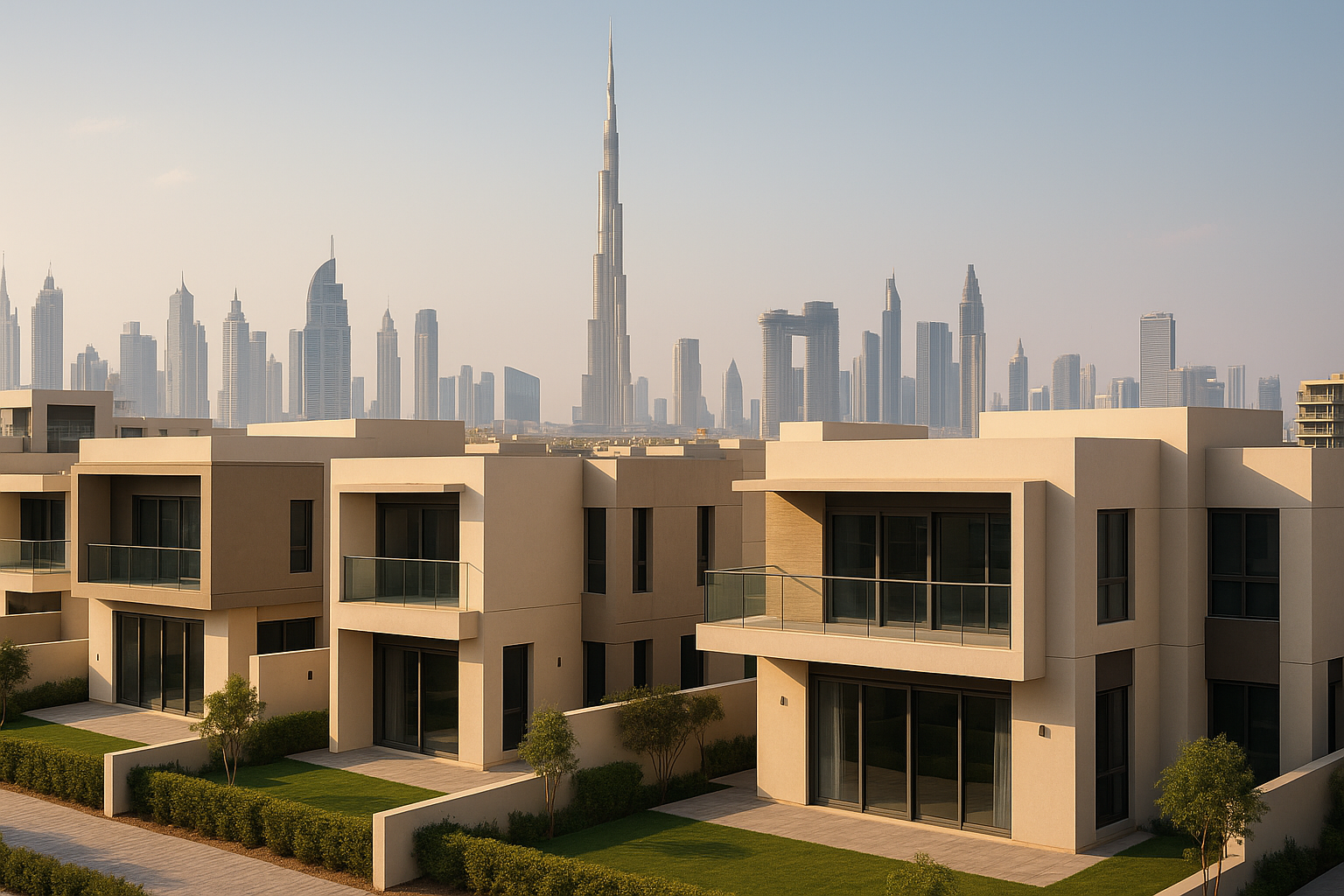
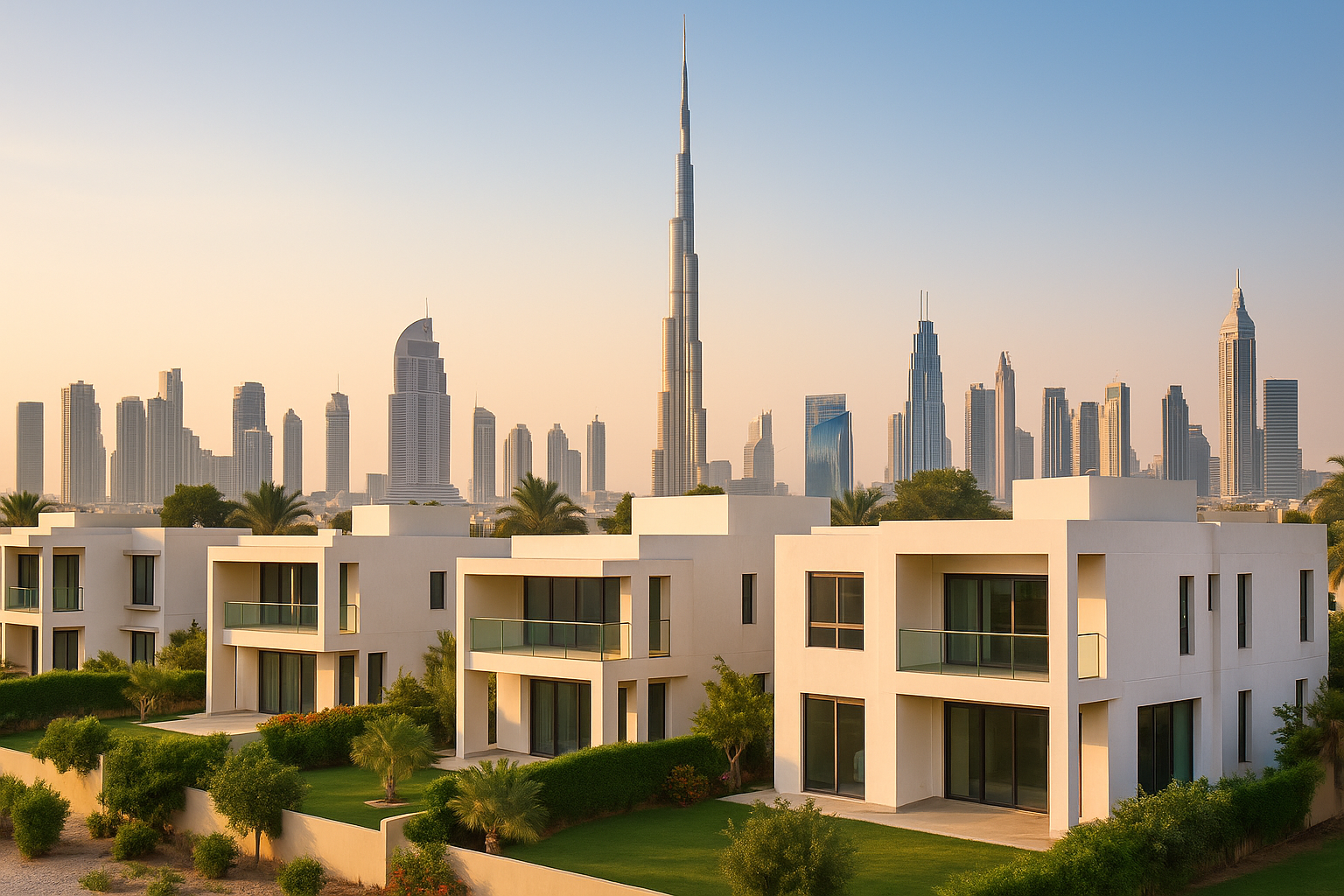
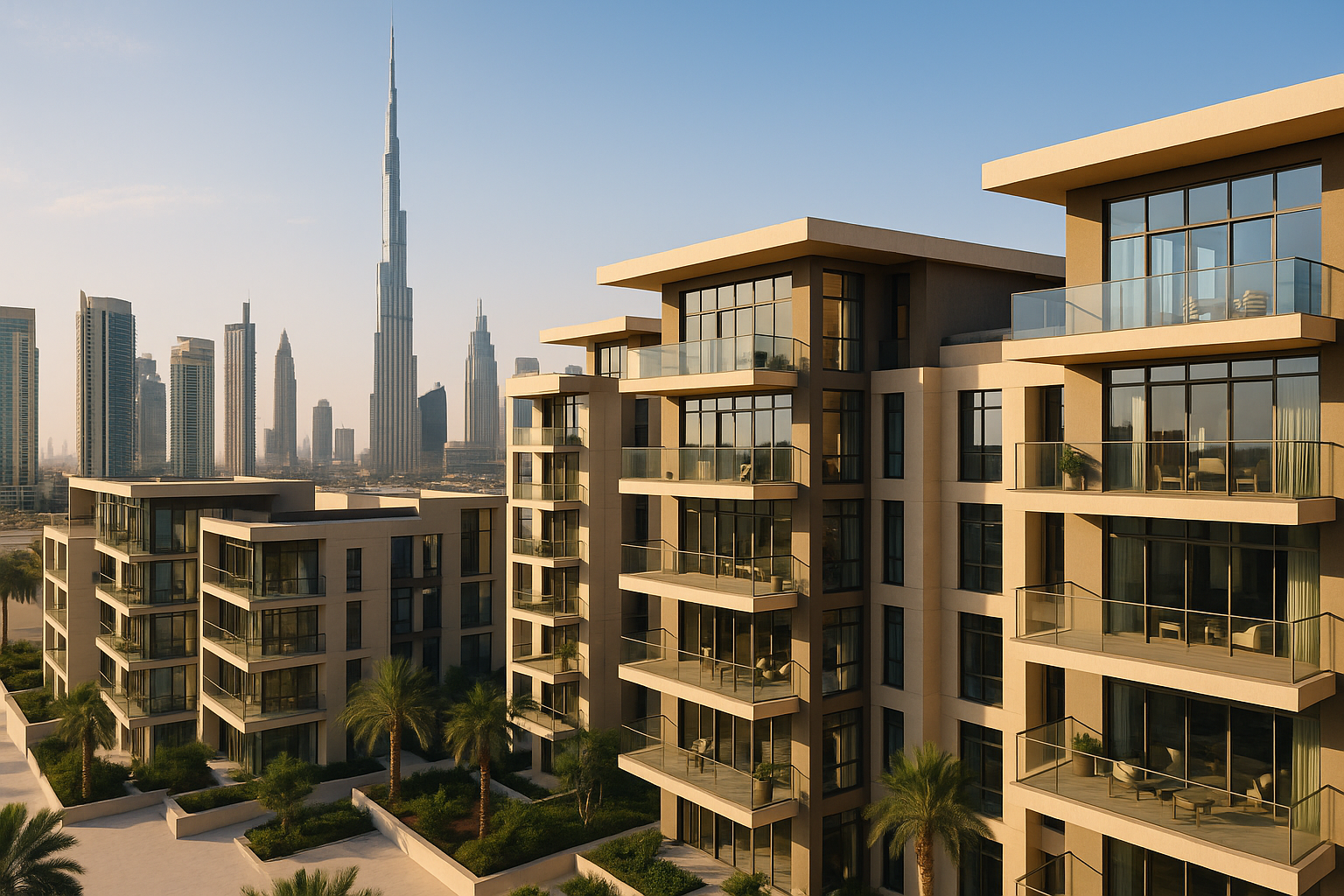
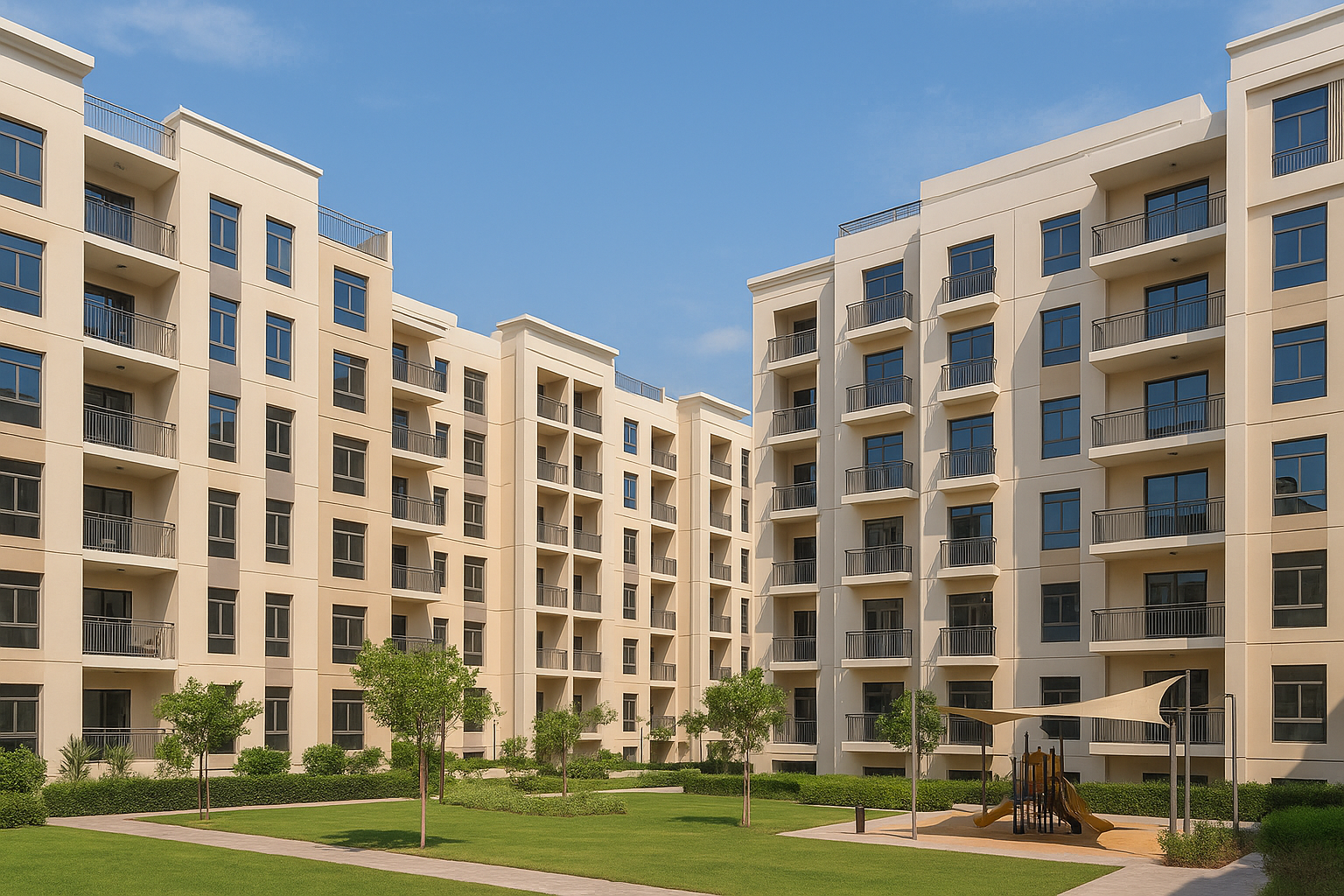
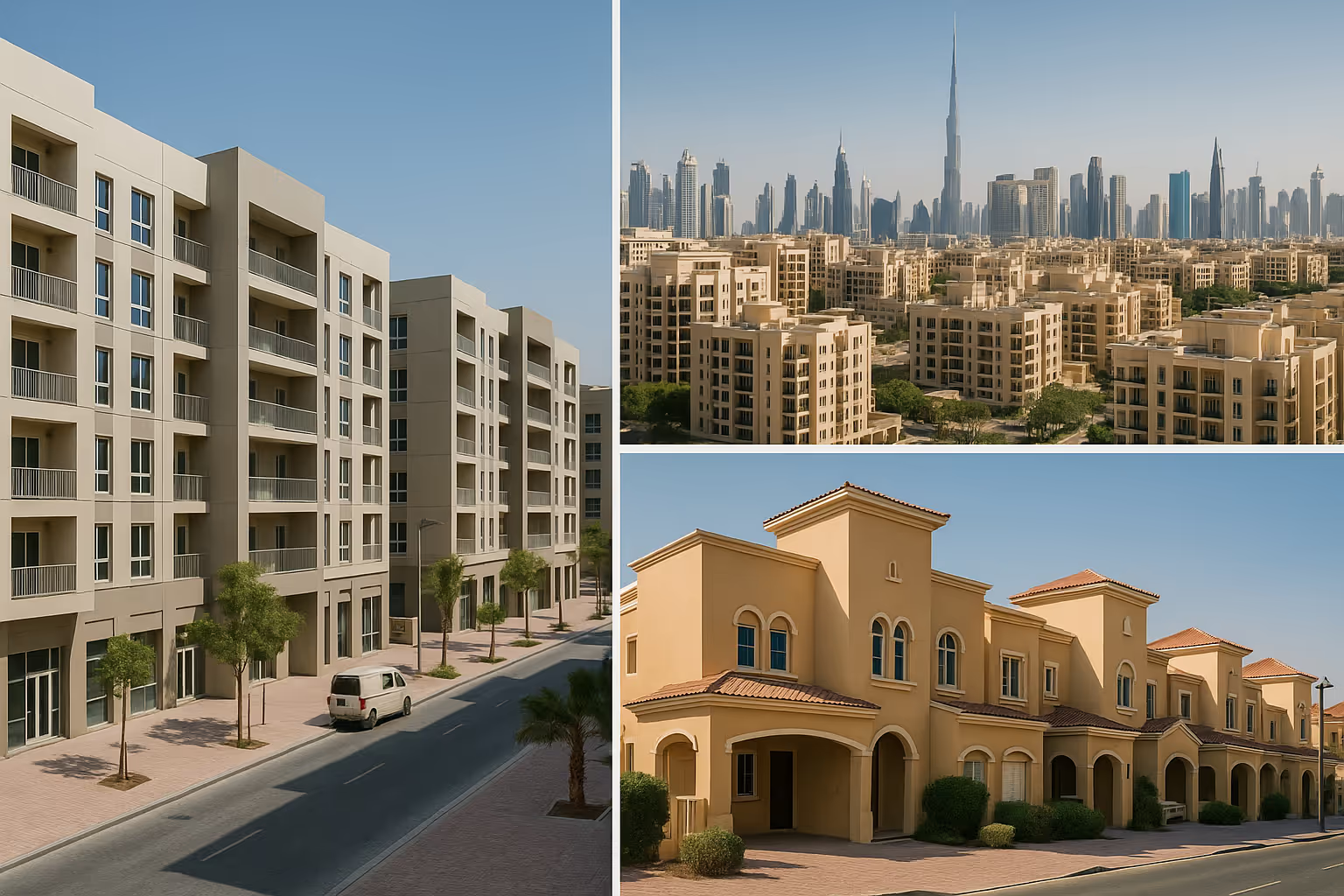
Off-plan vastgoed in Dubai kan worden beschreven als eigendommen die op het moment van aankoop nog niet volledig zijn afgebouwd. In de meeste gevallen bevindt een project zich in een vroeg constructiestadium of bestaat het misschien zelfs alleen op papier. Het voordeel van kopen in zo'n vroeg stadium is dat de prijs doorgaans lager is dan bestaande woningvoorraad, waardoor het investeren in onroerend goed in Dubai toegankelijk wordt voor een breder publiek. Projectontwikkelaars gebruiken deze aanpak om kapitaal veilig te stellen voor verdere voltooiing van het project. Off-plan vastgoed in Dubai kan variëren van appartementencomplexen en luxe penthouses tot villa's en townhouse-ontwikkelingen. Vanwege de enorme groei van de stad zijn er ontelbare nieuwbouwprojecten te vinden in verschillende wijken.
Veel investeerders worden naar Dubai getrokken omdat het emiraat een progressief onroerend goedbeleid handhaaft en beschikt over een bloeiende economie. De combinatie van belastingvoordelen, infrastructuurprojecten, expat-vriendelijke regelgeving en een groeiende vraag naar huurprojecten maakt het aankopen van off-plan eigendommen bijzonder aantrekkelijk. Voordat je tot aankoop overgaat, is het echter essentieel om de reputatie van de ontwikkelaar, de verwachte opleverdatum en de geografische ligging binnen de stad te onderzoeken. Dit beperkt het risico op tegenslagen en stelt je in staat om voluit te profiteren van het potentieel dat off-plan vastgoed in Dubai biedt.
Voordelen en nadelen
De populariteit van off-plan vastgoed in Dubai is deels te danken aan verschillende belangrijke voordelen. Ten eerste kun je vaak een lager initiële aanbetaling doen, waardoor de investeringsdrempel wordt verlaagd. Bovendien is het betalingsplan flexibeler, met periodieke betalingen gespreid over de constructieperiode en soms zelfs tot na oplevering. Dit zogenaamde post-handover plan biedt kopers de mogelijkheid om het resterende bedrag over een langer periode af te betalen, wat de liquiditeitsdruk vermindert. Bovendien bieden sommige projectontwikkelaars aantrekkelijke stimulansen aan, zoals verlaging van kosten of gratis interieuropties, om kopers aan te trekken.
Desondanks zijn er risico's verbonden aan het investeren in off-plan vastgoed in Dubai. Een belangrijk punt van zorg is de onzekerheid rondom de opleverdatum. Bouwprojecten kunnen vertragingen ondervinden als gevolg van materiaalschaarste, logistieke uitdagingen of vergunningsvereisten van de Dubai Land Department. Er is ook het risico dat de waarde van het pand niet zo sterk stijgt als verwacht, of zelfs kan dalen door een plotselinge marktcorrectie. De betrouwbaarheid en reputatie van de projectontwikkelaar spelen ook een cruciale rol. Investeerders doen er goed aan zich in te lezen in eerdere projecten van de projectontwikkelaar, zodat zij kunnen beoordelen hoe betrouwbaar en financieel gezond deze partij is. Het samenspel tussen marktomstandigheden, reputatie van de projectontwikkelaar en bouwvorderingen maakt voorzichtig risicobeheer en due diligence onmisbaar.
Betalingsplannen voor off-plan vastgoed
Een van de meest aantrekkelijke aspecten van de aankoop van off-plan vastgoed in Dubai is de beschikbaarheid van flexibele betalingsplannen. In veel gevallen start je met een aanbetaling van ongeveer 10 tot 20 procent, gevolgd door gefaseerde betalingen tijdens de constructiefase. Deze betalingen kunnen gekoppeld zijn aan constructiemijlpalen, zoals het voltooien van de fundering of het bereiken van een bepaald aantal verdiepingen. Dit verspreidt het risico voor zowel kopers als de projectontwikkelaar. De structuur van het betalingsplan kan per project verschillen: sommige projectontwikkelaars bieden vaste termijnen met specifieke data aan, terwijl anderen betalingen baseren op percentages gekoppeld aan de voortgang van het complex.
Een onderscheidend kenmerk van de Dubai-vastgoedmarkt is het post-handover plan. Onder deze regeling wordt een deel van de koopprijs pas na oplevering betaald, vaak over een periode van een tot drie jaar. Dit kan bijzonder aantrekkelijk zijn voor kopers die verwachten inkomsten uit verhuur te genereren, die zij vervolgens kunnen gebruiken om (een deel van) de resterende betalingen te dekken. Zorg echter goed dat je op extra rente of kosten let die door de projectontwikkelaar kunnen worden berekend. Het is raadzaam om alle voor- en keerzijden en voorwaarden zorgvuldig door te nemen en zo nodig juridisch advies in te winnen. Dit helpt je onprettige verrassingen te voorkomen en zorgt ervoor dat je betalingsplan aansluit bij je financiële mogelijkheden en investeringsdoelen.
- Sommige projecten bieden kortingen op de koopprijs wanneer je in een vroeg stadium een groter percentage betaalt.
- Let op voor late-betalingsboetes - deze kunnen zich opstapelen en je rendement aanzienlijk beïnvloeden.
- Onderhandel altijd over de voorwaarden; er is vaak ruimte voor aanpassingen in de timing van termijnen.
- Verifieer of er een bankgarantie voor de constructie is, zodat je investering beschermd is tegen mogelijke tegenslagen voor de projectontwikkelaar.
Voor gedetailleerde informatie over off-plan betalingsplannen, bezoekt je deze pagina, waar je meer details vindt over typische betalingsstructuren en belangrijke aandachtspunten tijdens onderhandelingen.
Financiering van vastgoed in Dubai
Naast betalingsplannen is het afsluiten van een hypotheek ook een optie voor wie in onroerend goed in Dubai wil investeren. Verschillende banken in de Verenigde Arabische Emiraten bieden hypotheken aan zowel expats als lokale inwoners, maar de voorwaarden kunnen aanzienlijk afwijken van wat men in Europa of elders gewend is. Om voor een hypotheek op off-plan vastgoed in Dubai in aanmerking te komen, moet je doorgaans aan strenge vereisten voldoen. Banken beoordelen je maandelijks inkomen, werkzekerheid, verblijfsstatus en kredietwaardigheid. Bovendien passen zij vaak lagere lening-waarderatio's (LTV) toe voor off-plan projecten, wat betekent dat je een groter eigen vermogen nodig heeft in vergelijking met de aankoop van een bestaand pand.
Rentetarieven in Dubai kunnen per bank variëren en worden deels beïnvloed door wereldwijde economische ontwikkelingen. Het is daarom verstandig om verschillende banken te vergelijken en te overwegen een gespecialiseerde hypotheekadviseur in te schakelen. Houd er rekening mee dat banken bij off-plan hypotheken often verifiëren dat de projectontwikkelaar een sterke reputatie heeft. Sommige financiële instellingen zijn terughoudend om off-plan vastgoed te financieren wanneer de projectontwikkelaar niet op hun lijst van goedgekeurde partijen staat, of als het project zich nog in een zeer vroeg stadium bevindt. In dergelijke gevallen kan het aantrekkelijker zijn om gebruik te maken van een post-handover plan en een deel van de financiering op een later moment via een hypotheek in te regelen. Meer details en vergelijkingen van financieringsopties vind je in dit artikel: bron.
Als je een buitenlandse investeerder bent, moet je ook rekening houden met mogelijke wisselkoersfluctuaties bij het uitstippelen van je financiering. Als je in euro's of dollars verdient maar in Dirham terugbetaalt, kunnen wisselkoersbewegingen je maandelijkse kosten beïnvloeden. Sommige investeerders kiezen daarom om hun kapitaal om te zetten voordat zij zich tot betalingsverplichting verbinden, om verrassingen te voorkomen. Al met al is het financieren van off-plan vastgoed in Dubai zeker mogelijk, maar het vereist extra voorbereiding, het vergelijken van rentetarieven en voorwaarden, en het nauwgezet in de gaten houden van mogelijke wisselkoersbewegingen.
Vergelijking van off-plan vastgoed en kant-en-klare eigendommen
Bij het investeren in de Dubai-vastgoedmarkt staat je voor de keuze tussen off-plan vastgoed en kant-en-klare eigendommen. Beide opties hebben hun eigen kenmerken, voordelen en risico's. Off-plan vastgoed is vaak goedkoper, biedt doorgaans flexibelere betalingsplannen en biedt groter potentieel voor waardestijging tegen de tijd dat het project is voltooid. Bovendien kunnen kopers soms voordeel hebben van speciale promoties of kortingen, vooral bij binnenkomst in een vroeg stadium van de constructie. Aan de andere kant moet je wachten tot de constructie is afgerond voordat je het pand kunt bewonen of verhuren, en bestaat altijd de kans op bouwvertragingen. Bovendien bestaat de mogelijkheid dat de markt na oplevering onverwacht in een neergang terechtkomt, waardoor de uiteindelijke waardestijging beperkt blijft of zelfs tot een verlies leidt.
Voltooide woningen daarentegen zijn onmiddellijk beschikbaar en geven je de mogelijkheid om direct huurinkomsten te genereren of zelf in te trekken. Het is ook gemakkelijker om de staat van de woning in te schatten, omdat deze al gebouwd is en kan worden bezichtigd. Het nadeel is dat de aankoopprijs hoger kan liggen en je een groter bedrag vooraf moet investeren of een hogere hypotheek nodig heeft. Voltooide woningen zijn vaak gemakkelijker te verkopen, omdat je niet gebonden bent aan opleverings- en overdrachtstermijnen en potentiële kopers direct kunnen intrekken. Uiteindelijk draait het om de balans tussen directe opbrengsten en de vooruitzichten op toekomstige waardestijging. Voor wie in de groei van Dubai gelooft en bereid is te wachten en meer risico te accepteren, kan off-plan vastgoed zeer lucratief zijn. Wil je liever directe zekerheid en stabiliteit, dan kan een voltooide woning aantrekkelijker zijn. Het is raadzaam om eerst grondig marktonderzoek uit te voeren, bijvoorbeeld via onderliggende marketrapporten, voordat je beslist in welke richting je wilt investeren.
Belangrijkste risico's bij beleggen
Elke investering draagt risico's met zich mee, en vastgoed in een dynamische stad als Dubai is hierop geen uitzondering. De primaire risico's hebben betrekking op markt- en economische ontwikkelingen. Wanneer de economie floreert en de vraag naar woningen toeneemt, kunnen vastgoedwaarden aanzienlijk groeien. Maar bij een economische neergang, veranderende regelgeving of een overaanbod aan nieuwe ontwikkelingen kan de markt afkoelen, resulterend in prijsdalingen en langdurige leegstand.
Het juridische en regelgevingslandschap kan ook uitdagingen opleveren. Hoewel het Dubai Land Department en de Real Estate Regulatory Agency (RERA) de vastgoedmarkt reguleren, kunnen de wetten afwijken van die in westerse landen. Het is van cruciaal belang om de regelgeving rond eigendomsrechten, bouwvergunningen en juridische procedures bij geschillen goed te begrijpen. Het inschakelen van professionele adviseurs of advocaten wordt daarom sterk aanbevolen.
Een specifiek risico voor off-plan vastgoed in Dubai is de afhankelijkheid van de ontwikkelaar. Wanneer een ontwikkelaar financiële problemen ondervindt of met structurele tegenslagen wordt geconfronteerd, kan dit het bouwproces vertragen of zelfs stilleggen. Het is daarom verstandig om eerst de track record van een ontwikkelaar te onderzoeken: hoe hebben hun eerdere projecten zich ontwikkeld, zijn zij binnen de gestelde termijn en tegen de beloofde kwaliteit afgerond? De manier waarop middelen worden beheerd op escrow-rekeningen geeft ook aan welk beschermingsniveau kopers genieten. Onder de regelgeving van Dubai moet er een aparte rekening zijn onder toezicht van een escrow-partij, wat garandeert dat de bouw niet abrupt stilvalt door misbruik van kapitaal. Dit naleven van deze regelgeving is echter iets wat je zelf goed moet monitoren.
Externe factoren, zoals politieke instabiliteit in de regio of grote mondiale gebeurtenissen, kunnen ook de vastgoedmarkt van Dubai beïnvloeden. Hoewel het emiraat zijn veerkracht heeft aangetoond door zijn gediversifieerde economie en rol als zakencentrum, is het voorzichtig om te erkennen dat onvoorziene scenario's altijd kunnen optreden. Beleggen alleen met geld dat je kunt missen en zorg voor een gezonde spreiding van je vermogen over verschillende sectoren of geografische regio's. Een goed doordachte aanpak en de betrokkenheid van experts kunnen de meeste risico's beperken, maar een zekere mate van onzekerheid blijft onvermijdelijk bij het betreden van commercieel of residentieel onroerend goed.
Conclusie en advies
Off-plan vastgoed in Dubai kan een zeer lucratieve belegging zijn voor degenen die de dynamische vastgoedmarkt begrijpen en bereid zijn de potentiële risico's te dragen. Dankzij flexibele betalingsplannen, mogelijke waardegroei en het vooruitzicht op huurinkomsten na oplevering, is er aanzienlijk potentieel voor gezonde rendementsmogelijkheden. Het is echter belangrijk om als belegger grondig te werk te gaan. Voordat je een overeenkomst ondertekent, is het raadzaam om de reputatie van de ontwikkelaar te verifiëren en de juridische regelingen van het Dubai Land Department door te nemen. Dit minimaliseert de kans op onaangename verrassingen tijdens de bouwfase.
Bovendien is het essentieel om je financiële situatie en risicoprofiel zorgvuldig in te schatten. Overweeg bijvoorbeeld of je voldoende liquiditeit hebt om aan tussentijdse termijnen te voldoen of een deel van het saldo na oplevering af te betalen. Weeg ook af of je liever directe opbrengsten met voltooide woningen wilt bereiken of wilt speculeren op waardestijging met off-plan vastgoed in Dubai. In veel gevallen is het de moeite waard om professioneel advies in te winnen van advocaten, hypotheekadviseurs of vastgoedconsulenten, vooral als je niet al vertrouwd bent met de specifieke procedures in Dubai. Uiteindelijk hangt de keuze tussen off-plan en voltooide woningen af van je persoonlijke doelstellingen, je financiële situatie en je vooruitzichten op de groei van de vastgoedmarkt in deze levendige metropool. Voor degenen die vertrouwen hebben in de blijvende populariteit van Dubai en hiervan op lange termijn willen profiteren, kan off-plan vastgoed een bijzonder aantrekkelijk pad zijn naar een succesvol vastgoedportfolio. Verdere inzichten en gerelateerde informatie over vastgoedbeleggingen in Dubai zijn te vinden op dit platform.
Veelgestelde vragen
Is het moeilijk om een hypotheek voor off-plan vastgoed in Dubai te krijgen?
Het verkrijgen van een hypotheek voor off-plan vastgoed in Dubai kan moeilijker zijn dan voor bestaande woningen. Banken stellen strengere vereisten, zoals lagere LTV-ratio's en uitgebreide controles op de ontwikkelaar. Toch zijn er zeker banken die off-plan projecten financieren, vooral wanneer de ontwikkelaar een sterke reputatie heeft. Het is verstandig om verschillende aanbieders te vergelijken en indien nodig professioneel advies in te winnen.
Kan ik mijn off-plan vastgoed vóór voltooiing van de bouw verkopen?
Ja, in veel gevallen is het mogelijk om een off-plan woning vóór voltooiing te herverkopen, maar dit hangt af van de contractvoorwaarden en de regels van de ontwikkelaar. Sommige contracten vereisen dat een bepaald percentage van de aankoopprijs is betaald voordat je het contract mag doorverkopen. Controleer altijd de voorwaarden en eventuele kosten of overdrachtskosten die van toepassing kunnen zijn.
Wat gebeurt er als de oplevering van mijn off-plan vastgoed vertraagd is?
Bouwvertragingen zijn niet ongebruikelijk. Ontwikkelaars kunnen vertraagd raken door tekorten aan bouwmaterialen, vergunningen of financiële problemen. Het contract geeft vaak aan welke compensatie of annuleringsmogelijkheden beschikbaar zijn in geval van extreme vertraging. Het Dubai Land Department houdt toezicht, maar het is vooral belangrijk om zelf waakzaam te blijven, de voortgang te monitoren en waar nodig juridisch advies in te winnen.
Zijn er aanvullende kosten bij het beheer van een off-plan belegging?
Ja, naast de aankoopkosten kunnen je servicekosten, onderhoudsbijdragen en verzekeringen tegenkomen. Deze kosten zijn tijdens de bouwfase vaak lager, maar kunnen na voltooiing toenemen. Wil je de woning verhuren, dan komen daar ook beheerskosten bij. Het is verstandig om deze kosten vooraf in te kalkuleren en een realistische schatting van je netto-rendement te maken.
Hoe zorg ik voor een solide exitstrategie voor off-plan vastgoed?
Een solide exitstrategie begint met het kiezen van een gewilde locatie en een project van een gerenommeerde ontwikkelaar. Zorg vervolgens voor flexibiliteit in je contract zodat herverkoop mogelijk is vóór voltooiing van de bouw. Hou daarnaast de markttrends nauwlettend in de gaten om vast te stellen of het slimmer is om kort na voltooiing te verkopen of eerst je woning te verhuren en later te verkopen. In beide gevallen zijn grondig marktonderzoek en timing cruciaal om optimale rendementsmogelijkheden te behalen.
Meer weten over investeren in Dubai vastgoed?
Wil je dit onderwerp toepassen op jouw situatie? Download de gratis Dubai vastgoed gids, bekijk het actuele Dubai vastgoed aanbod of plan een gratis gesprek met Dubai-Property.nl.




















.png)
.png)

.png)







.avif)
.avif)











.svg)
.svg)
.svg)