
.svg)
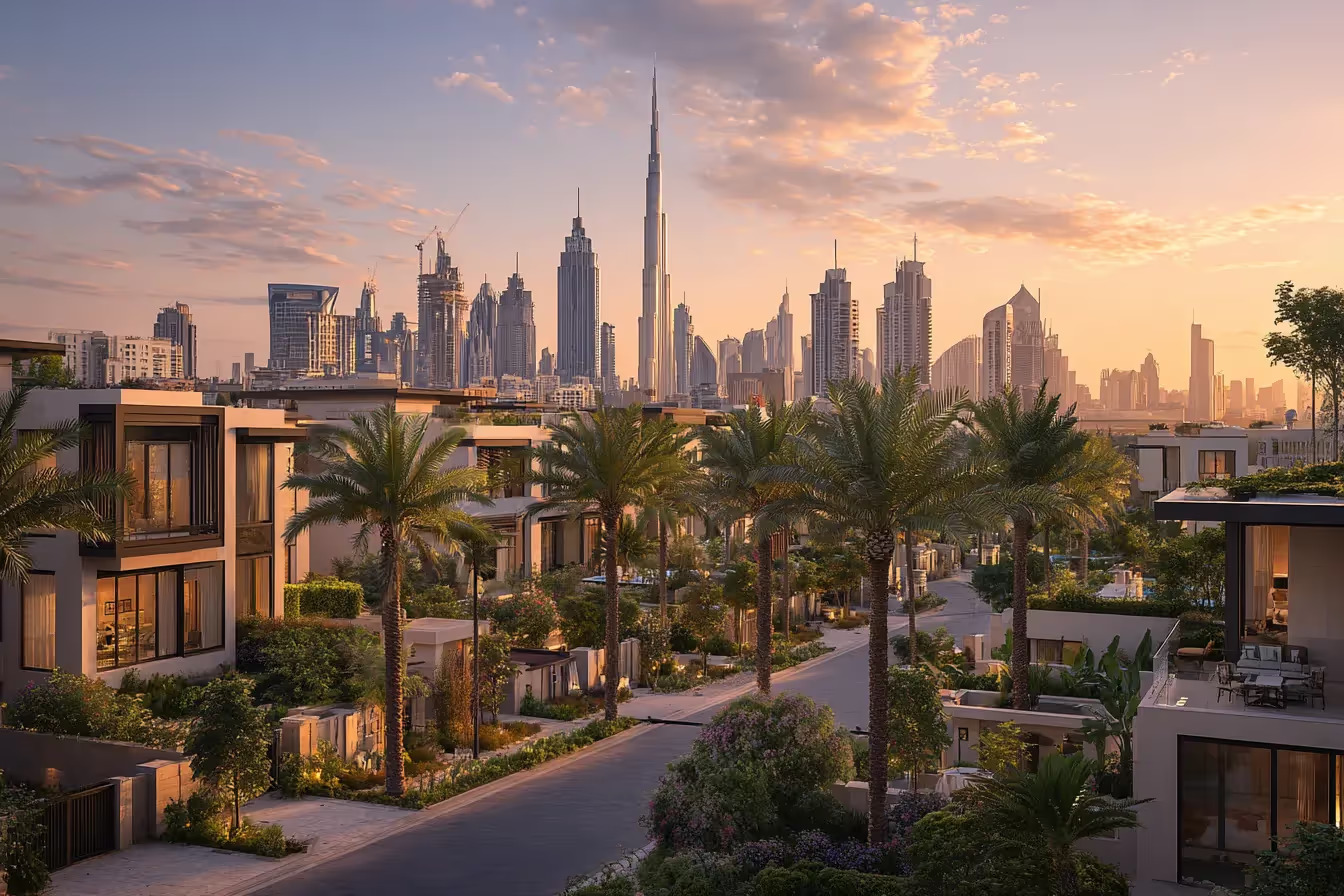


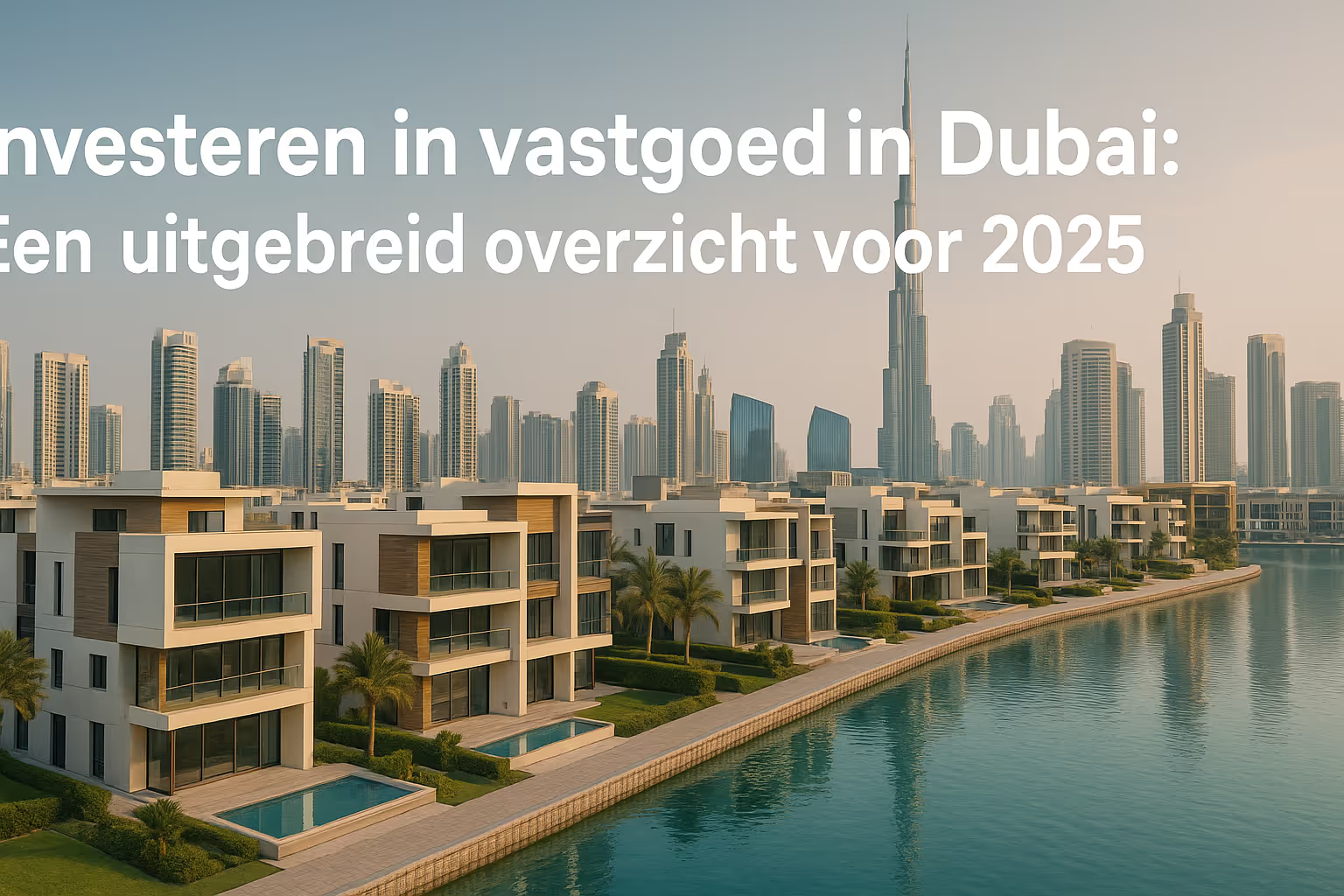
De vastgoedmarkt van Dubai bloeit en biedt een breed scala aan eigenschappen die perfect kunnen aansluiten bij je investeringsdoelstellingen. Voor internationale investeerders die zich buiten hun thuismarkt willen wagen, zijn townhouses en villa's twee bijzonder aantrekkelijke opties. Beiden bieden meer ruimte en privacy dan een appartement, maar het is essentieel om de specifieke voordelen en overwegingen voor je als investeerder grondig te begrijpen.
Waarom in Dubai investeren als internationale koper?
Voordat we dieper ingaan op townhouses en villa's, is het belangrijk om te begrijpen waarom Dubai een 'gouden kans' voor internationale investeerders vertegenwoordigt. De vastgoedmarkt hier heeft zich in recente jaren uitzonderlijk stabiel en groeigericht bewezen, dankzij een aantal cruciale factoren die het onderscheiden van traditionele westerse markten:
- Aantrekkelijke rendementen - Dubai biedt consequent hogere huurrendementen (gemiddeld 5-8% voor appartementen en 4-7% voor villa's in 2024, met pieken boven 8% in bepaalde gebieden zoals JVC) in vergelijking met veel Europese markten, waar rendementen vaak tussen 3-4% liggen. Dit resulteert in een aanzienlijk hoger passief inkomen, wat zeer aantrekkelijk is voor investeerders die beter rendement op hun kapitaal zoeken.
- Belastingvriendelijke omgeving - Een van de grootste voordelen is de afwezigheid van inkomstenbelasting op huurinkomsten, geen winstbelasting bij verkoop, en geen jaarlijkse vastgoedbelasting. Dit stelt je in staat om je winsten te maximaliseren. (Opmerking: raadpleeg altijd een belastingadviseur gespecialiseerd in internationaal belastingrecht voor je specifieke belastingpositie).
- Stabiele economie en groei - Dubai's economie groeit sneller dan het wereldwijd gemiddelde, aangedreven door een voortdurende instroom van internationale professionals en investeringen. Plannen als de Dubai Economic Agenda (D33) zijn gericht op het verdubbelen van de economie tegen 2033, wat de vraag naar vastgoed alleen maar zal stimuleren en een dynamisch investeringsklimaat creëert.
- Gestroomlijnde verblijfsvergunning (Golden Visa) - Met een minimale investering van AED 2 miljoen (ongeveer €500.000-€550.000, afhankelijk van de wisselkoers) in vastgoed, kun je mogelijk kwalificeren voor een langetermijnverblijfsvergunning (de "Golden Visa") van 10 jaar. Dit biedt ongekende flexibiliteit als je overweegt om deels of volledig in Dubai te wonen, of als je je vastgoedmanagement ter plaatse wilt optimaliseren. Voor veel ondernemers en vermogendeindividuen is dit een aantrekkelijke optie.
- Transparantie en regelgeving - Het Dubai Land Department (DLD) garandeert een transparante en goed gereglementeerde markt. Nieuwe wetten voor 2025 maken processen nog digitaler, verplichten escrow-rekeningen voor off-plan projecten, en bieden snellere geschillenbeslechting. Dit biedt zekerheid en bescherming voor internationale kopers, wat verder het vertrouwen van investeerders versterkt.
Wat is een townhouse in Dubai?
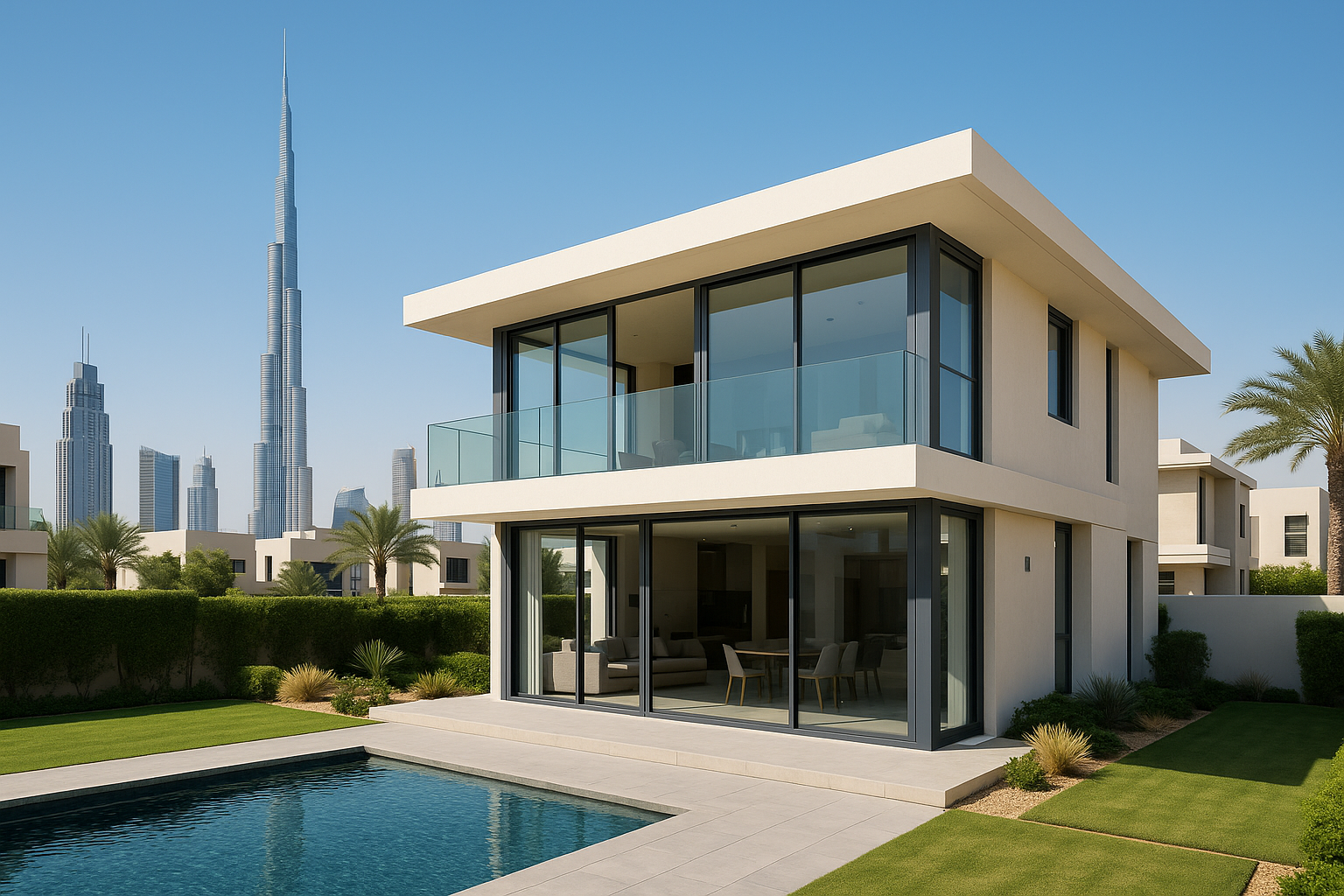
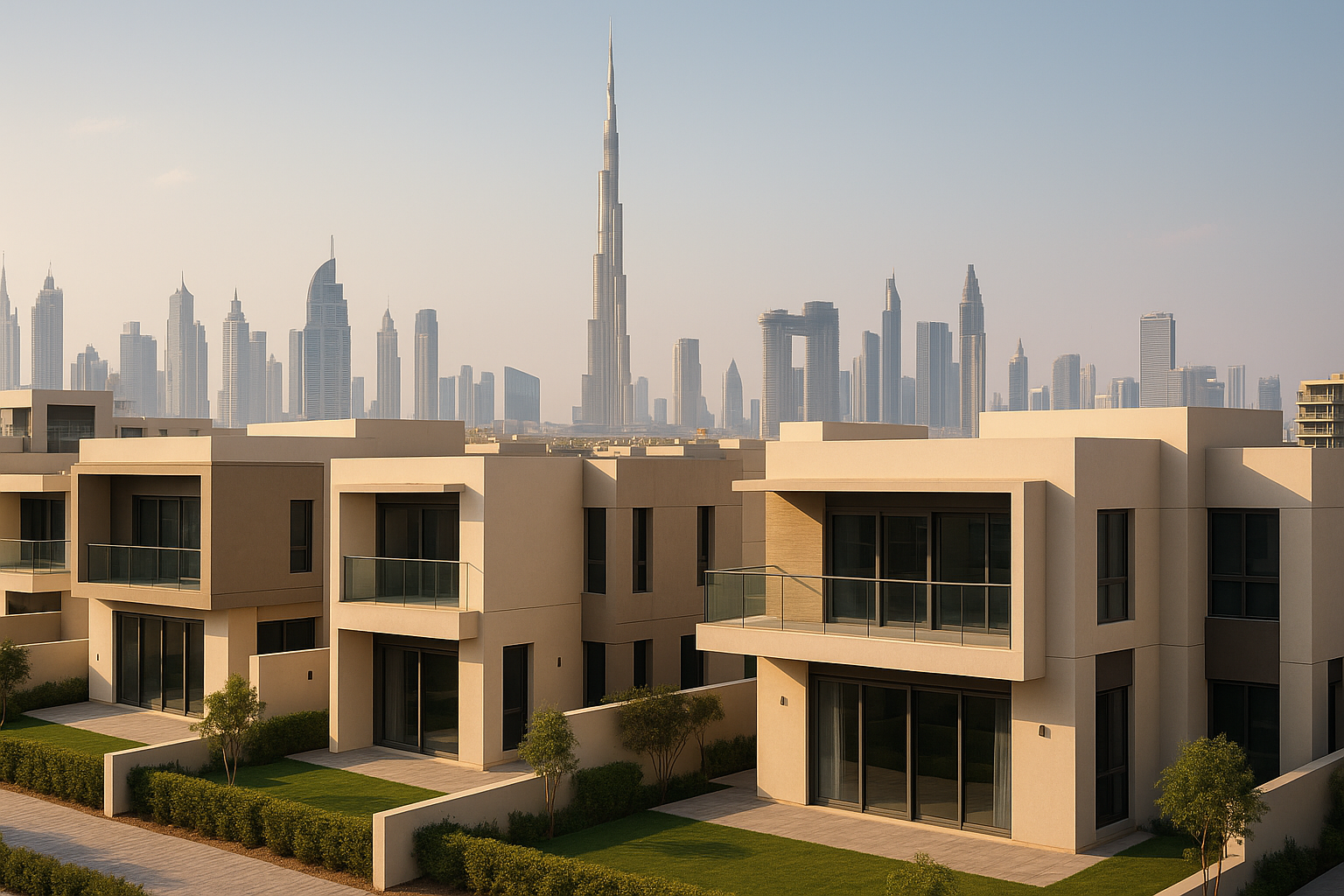
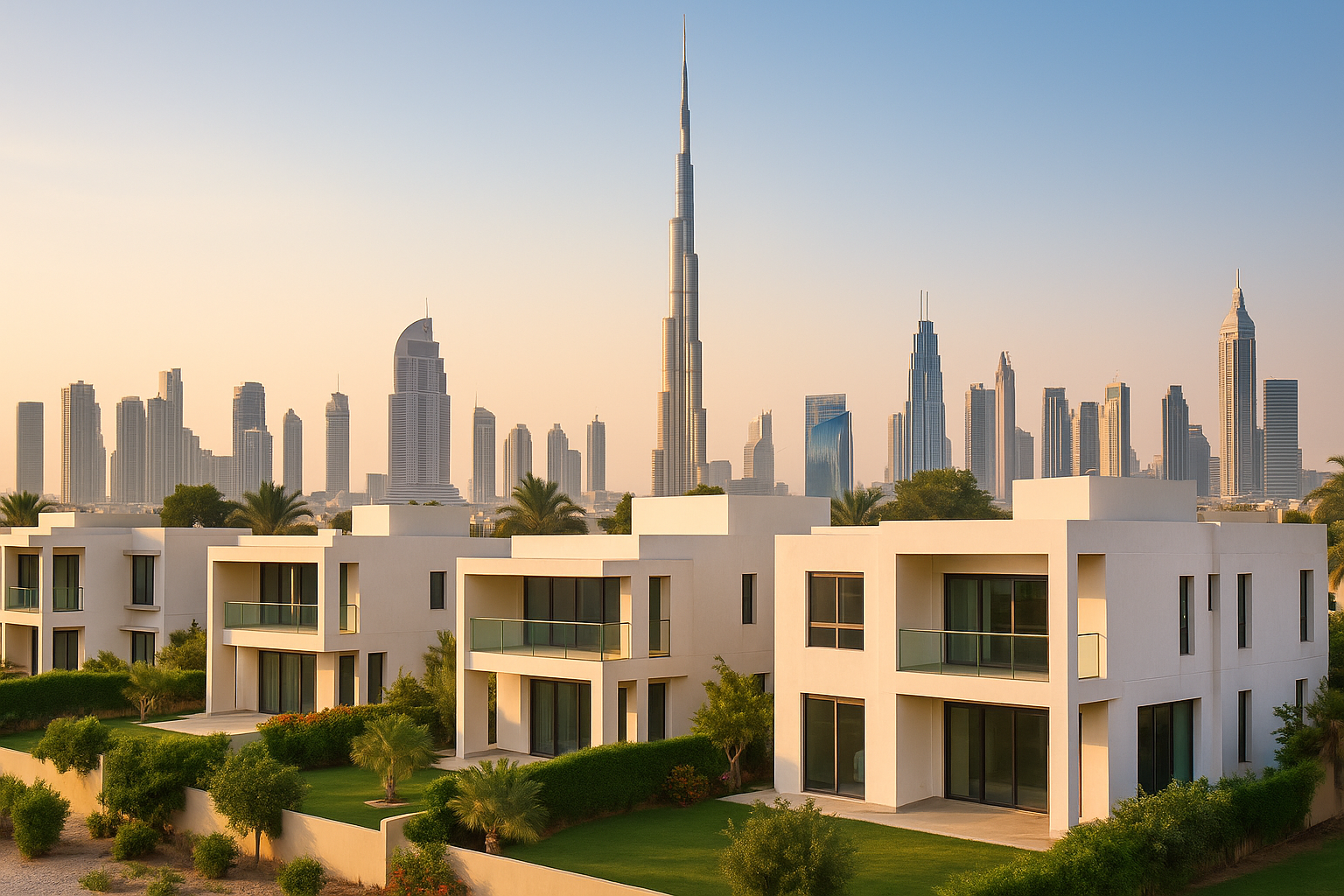
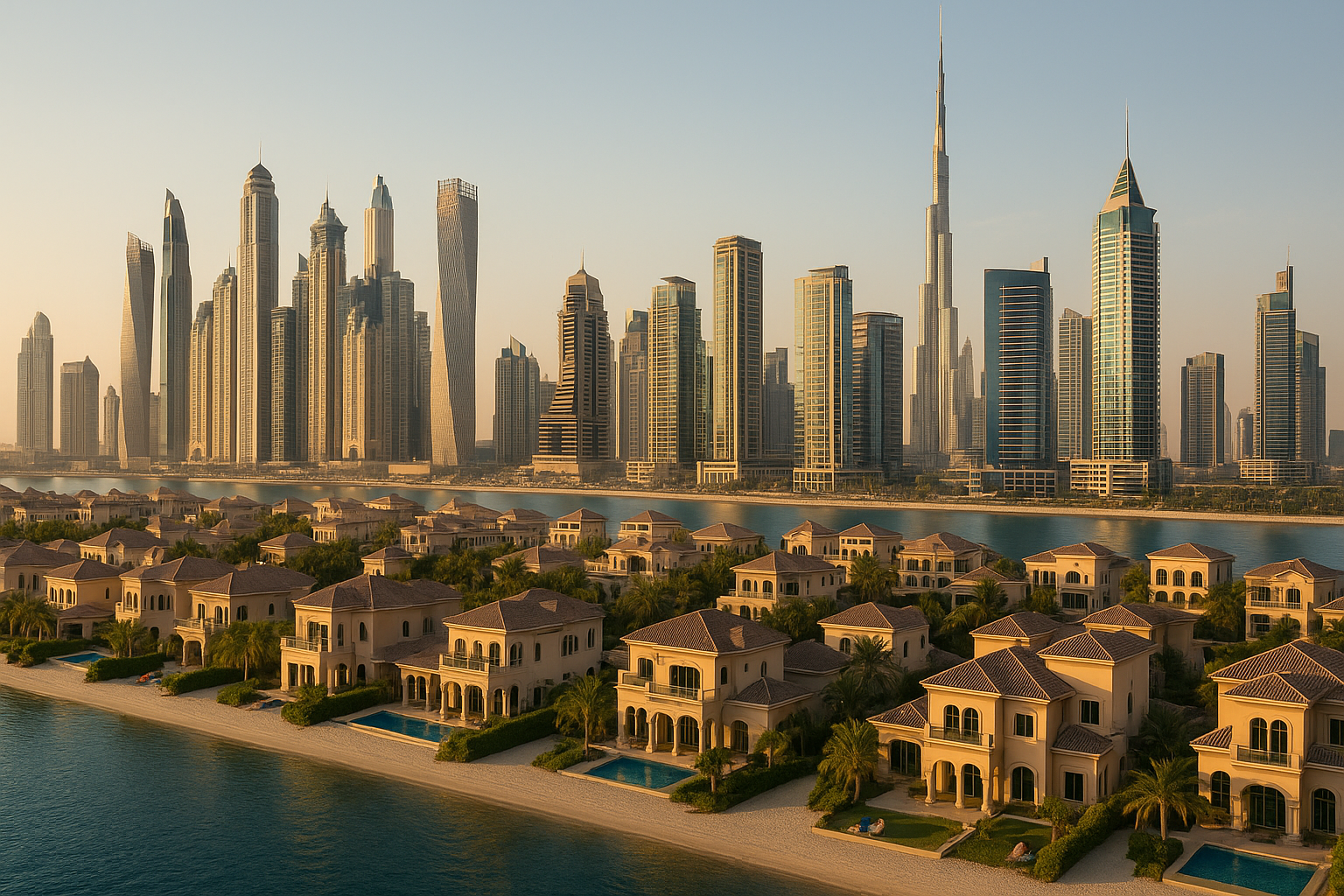
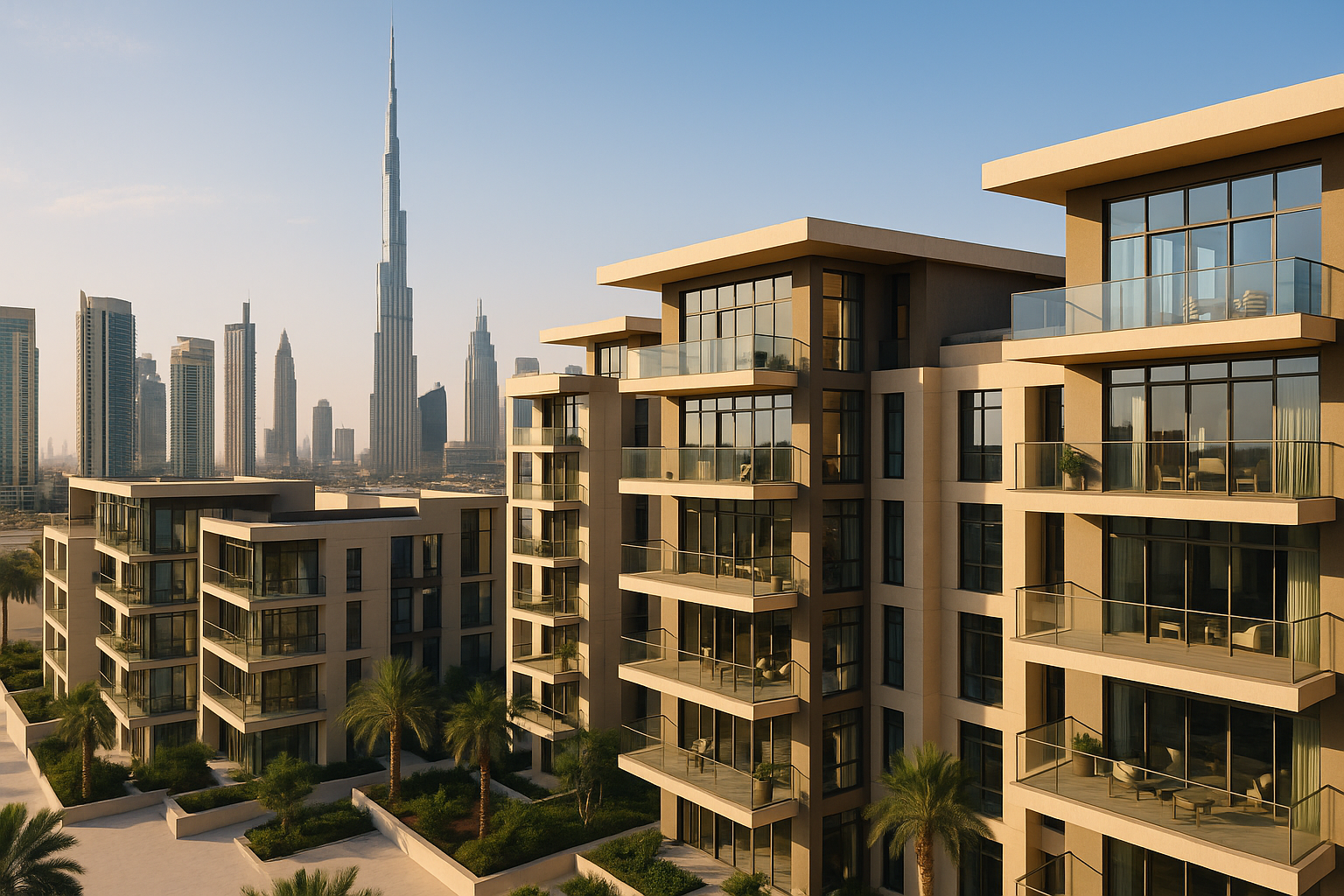
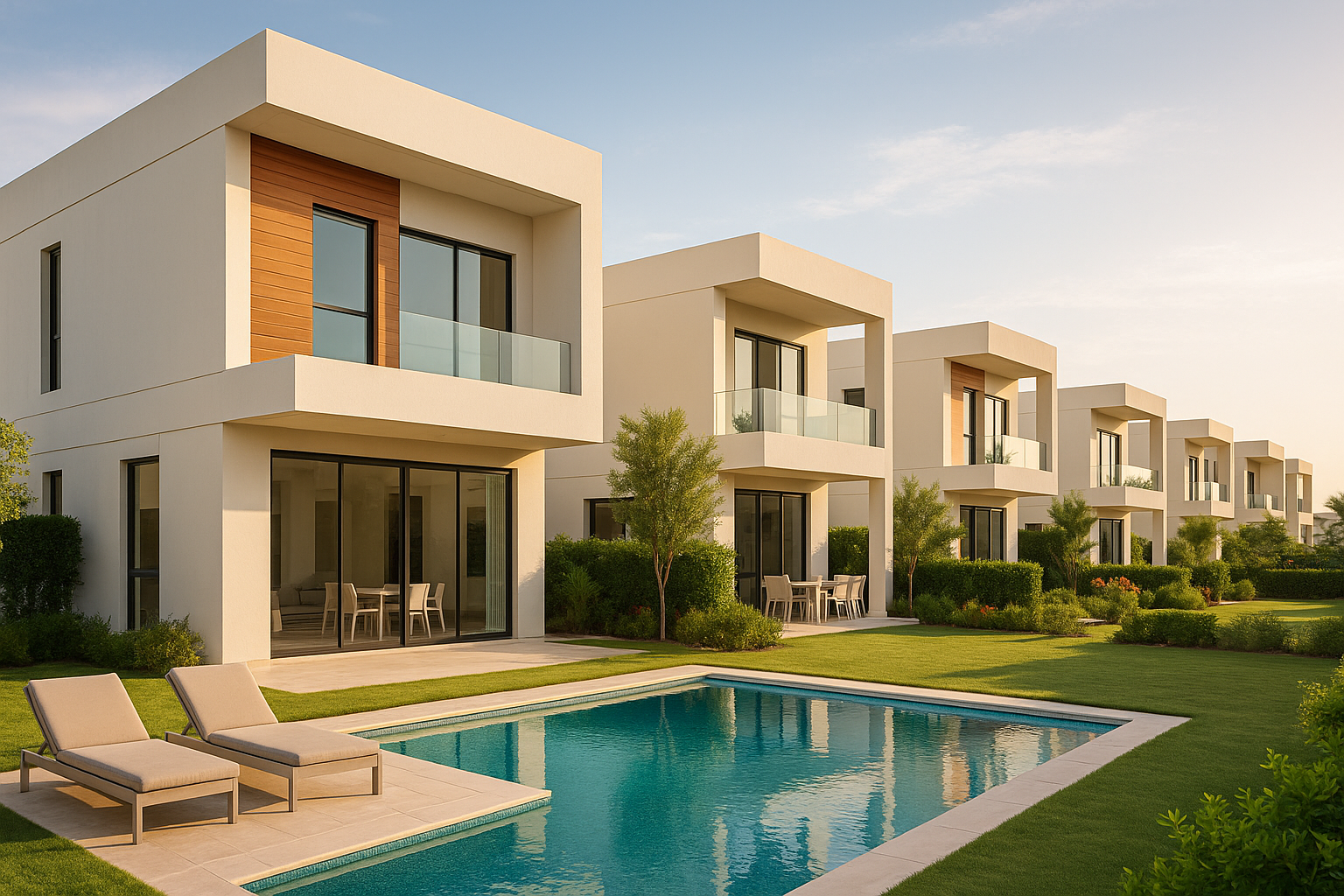
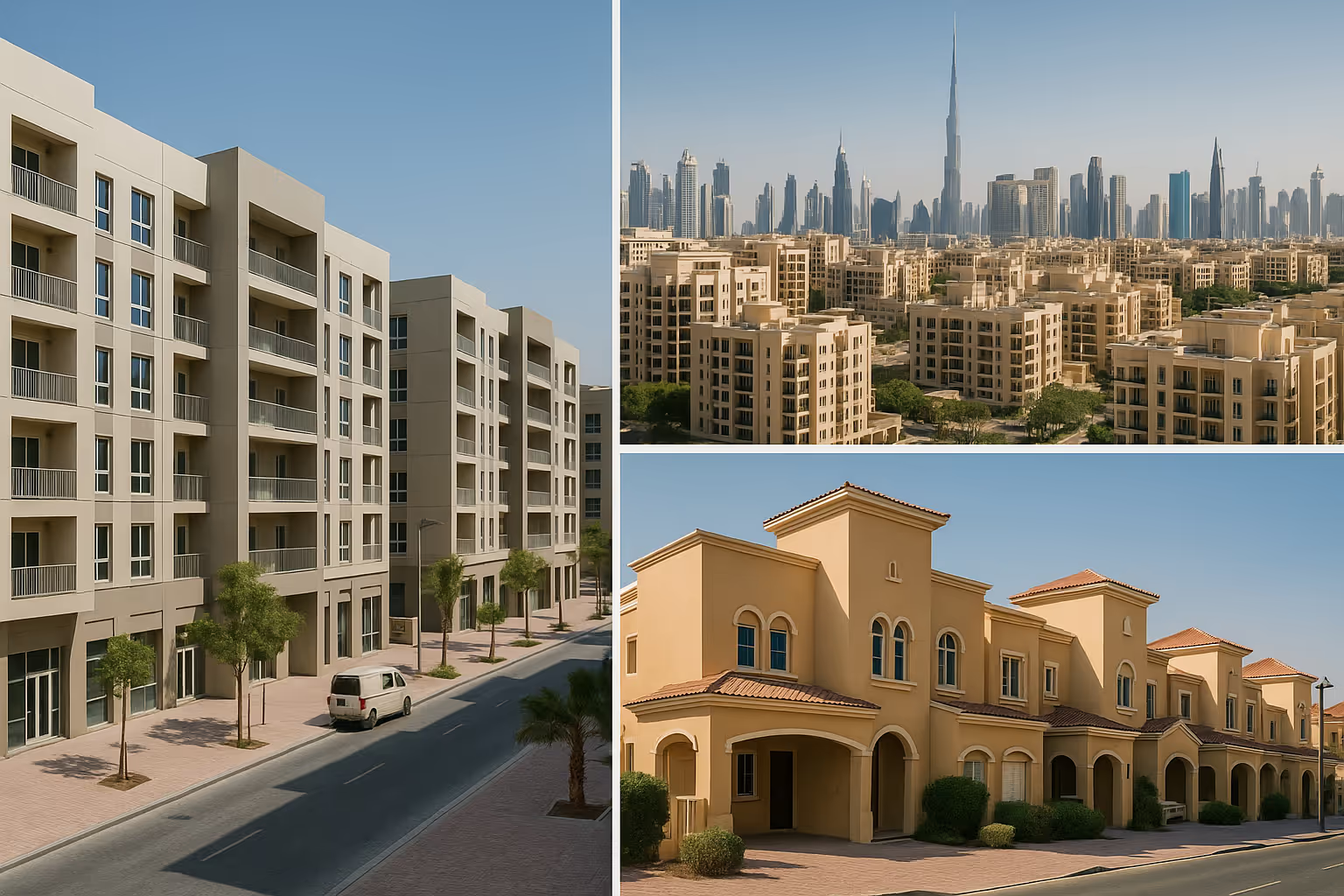
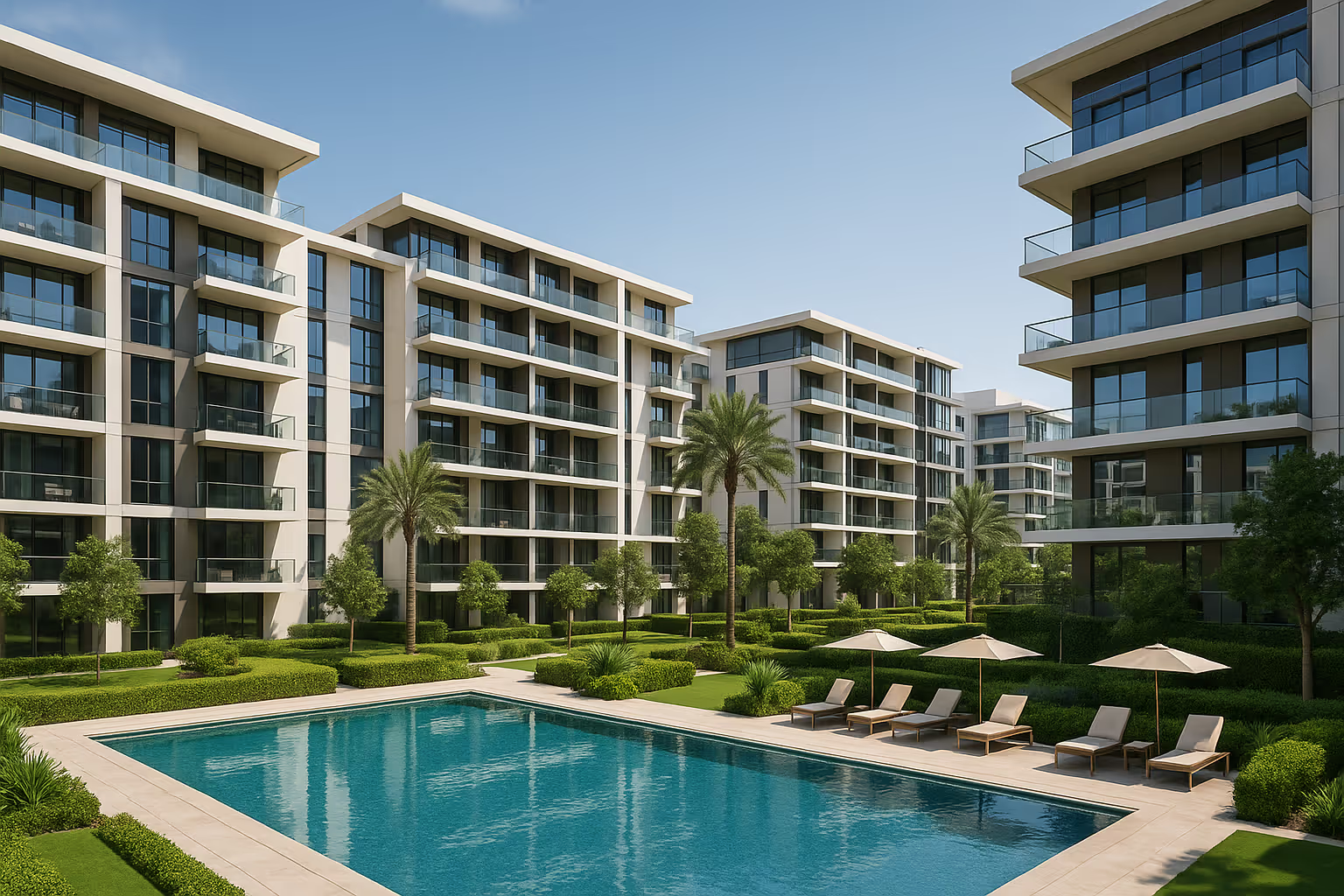
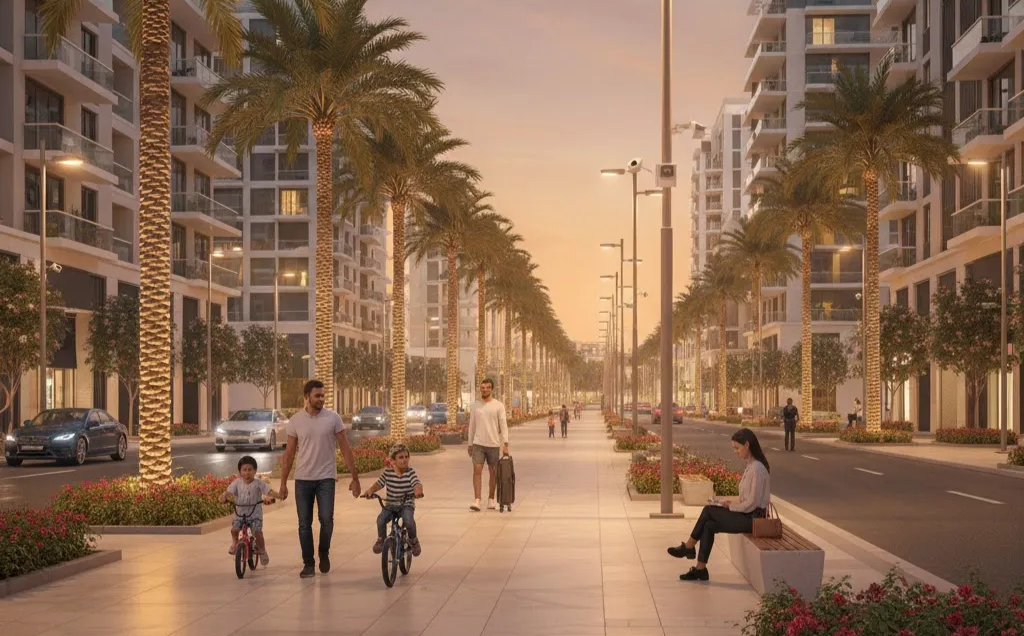
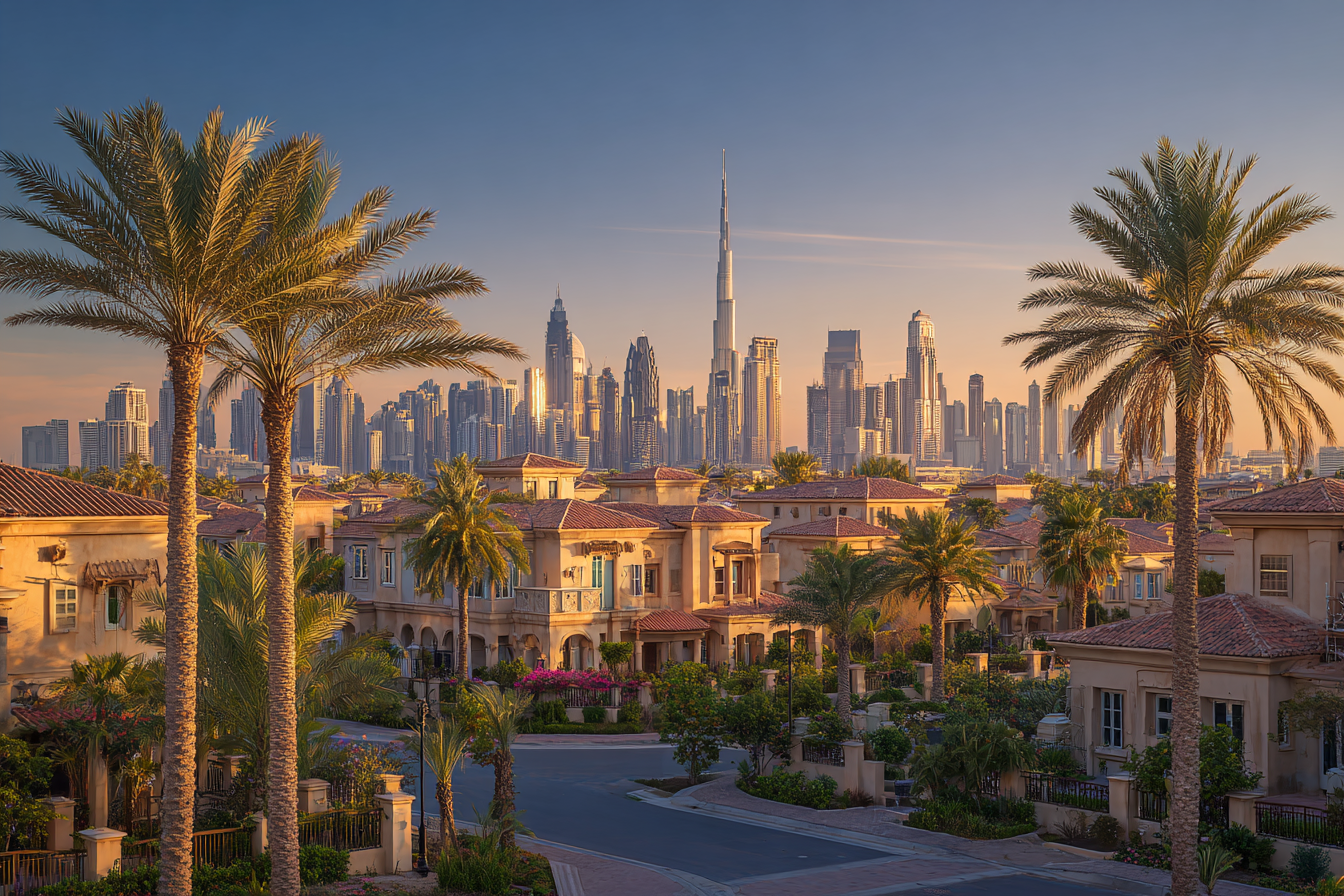
Een townhouse is doorgaans een meerdere verdiepingen tellende woning die één of meer muren deelt met aangrenzende woningen. Ze maken vaak onderdeel uit van zorgvuldig geplande gemeenschappen met gedeelde voorzieningen, die een aantrekkelijke woonomgeving creëren.
Voordelen van een townhouse voor de internationale investeerder:
.png)
- Betaalbare instapcondities - Townhouses zijn over het algemeen goedkoper dan vrijstaande villa's. Dit maakt ze een toegankelijke investering om voet aan de grond te krijgen op de vastgoedmarkt van Dubai zonder veel kapitaal vooraf te hoeven vastleggen. Ideaal voor diversificatie van de portefeuille, zelfs met een gemiddeld budget.
- Gemeenschappelijke voorzieningen - Veel townhouseontikkelingen bieden toegang tot zwembaden, parken, sportfaciliteiten en speelplaatsen. Dit draagt bij aan een aantrekkelijke huurmarkt voor gezinnen en expats die een compleet woonervaring waarderen. De aanwezigheid van goed onderhouden gemeenschappelijke voorzieningen is een sleutelfactor voor huurders, wat de bezettingsgraad en huurzekerheid ten goede komt.
- Lagere onderhoudskosten - Het onderhoud van de buitenkant en gemeenschappelijke gebieden wordt doorgaans beheerd via onderhoudskosten. Dit minimaliseert de directe beheerslast voor je als buitenlandse eigenaar, anders dan het bezit van een alleenstaande woning waar al het onderhoud op je schouders rust.
- Stabiele waardegroei - Volgens het DLD vertonen townhouses in gezochte gebieden consistente waardegroei (recente gegevens duiden op jaarlijkse groei van 10-20% in bepaalde segmenten). Dit vormt een solide basis voor waardestijging, ondersteund door sterke onderliggende economische factoren.
- Brede huurdermarkt - Met meerdere slaapkamers en vaak een kleine tuin zijn townhouses zeer geschikt voor gezinnen. Dit garandeert brede en stabiele vraag naar huurpanden, wat essentieel is voor consistente opbrengsten en snelle verhuur van je bezit.
Waarom kiezen voor een villa als internationale investeerder?
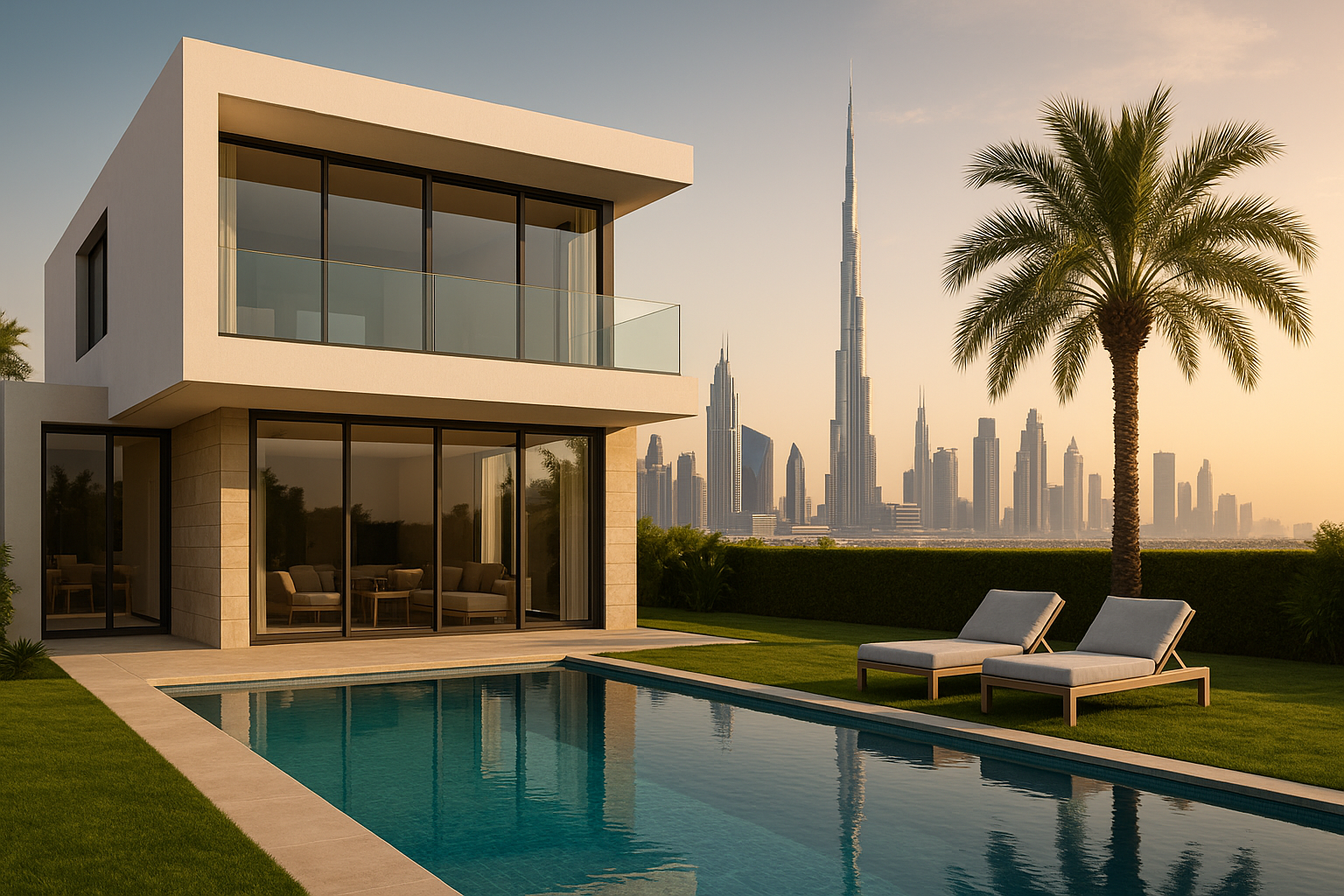
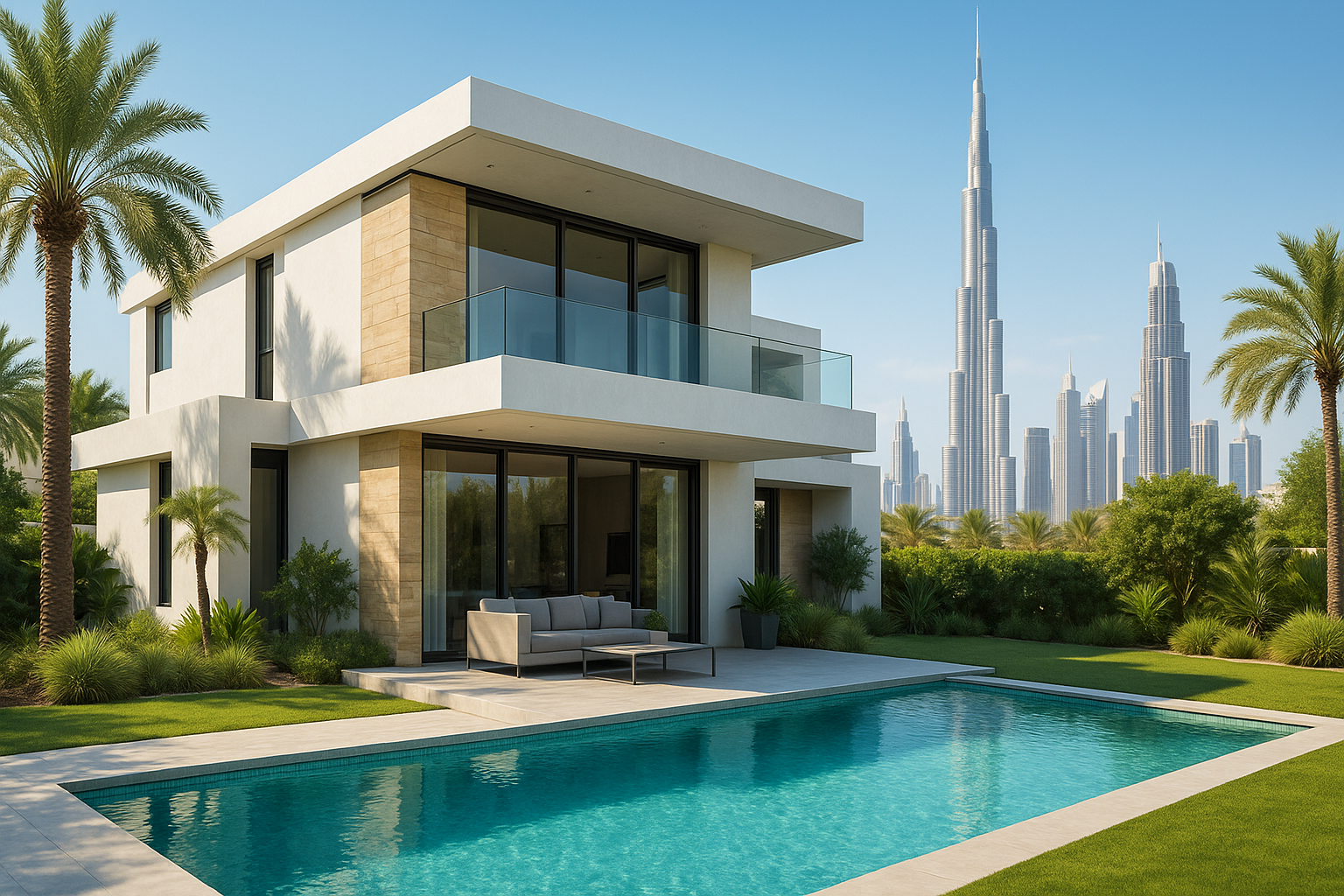
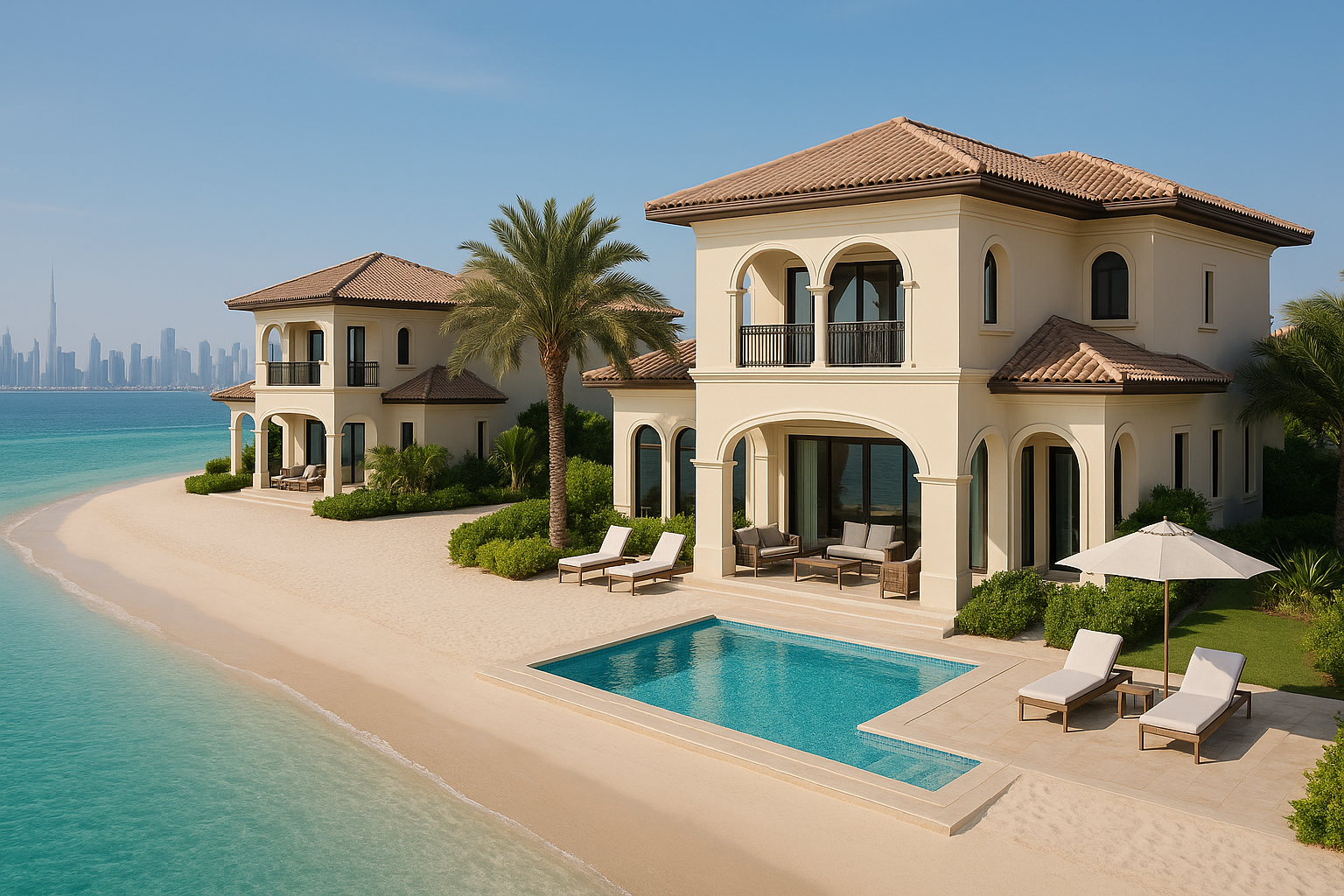
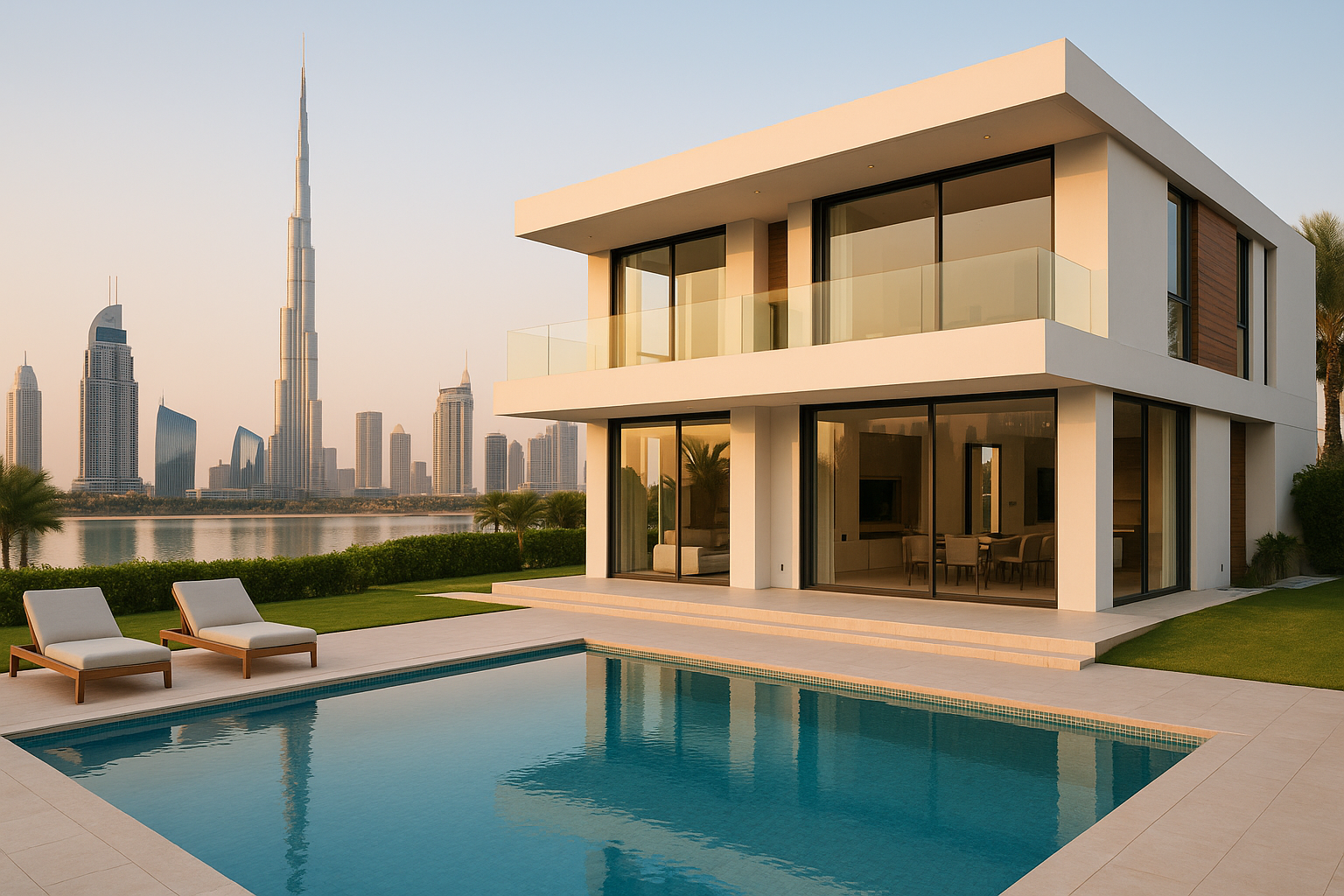
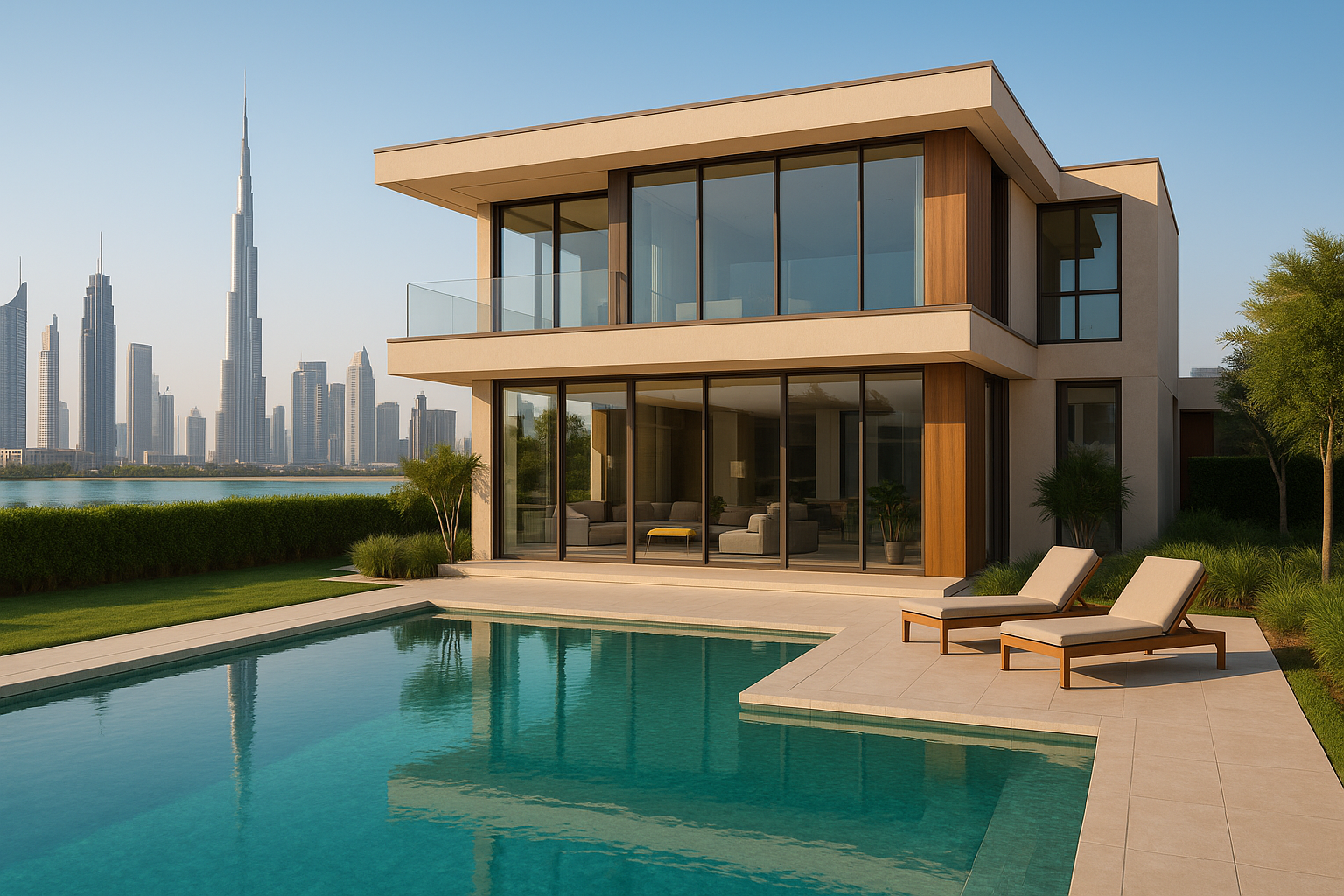
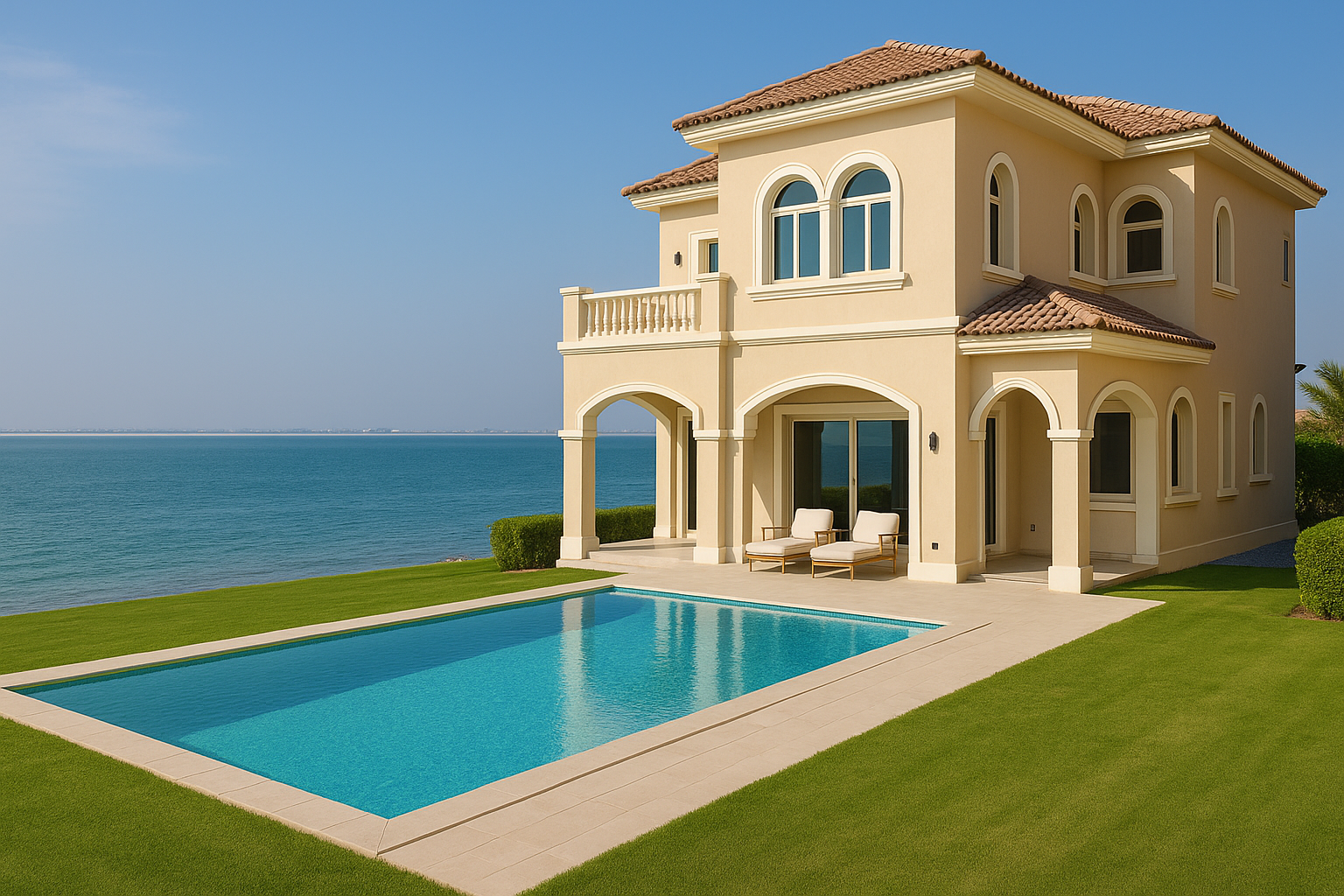
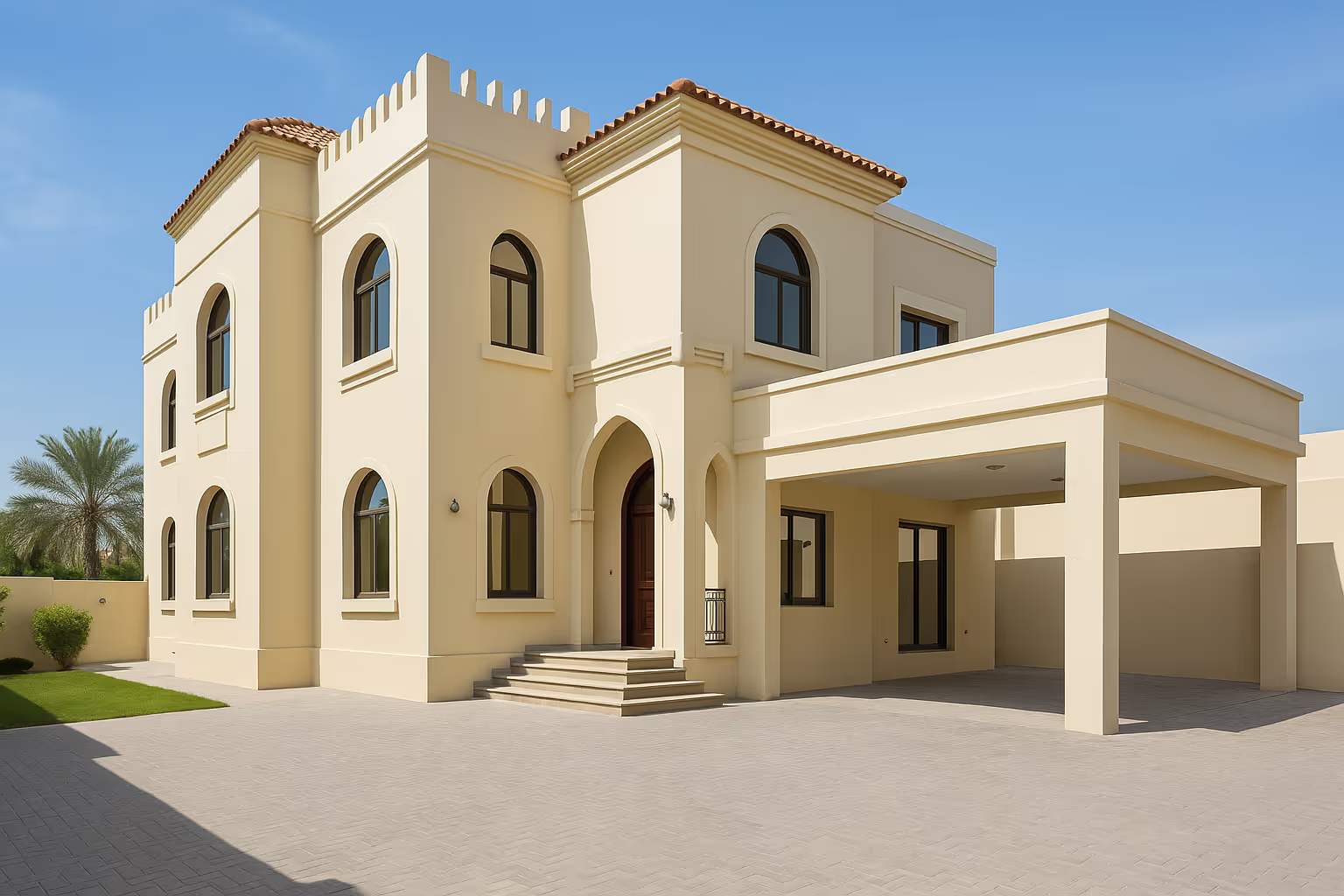
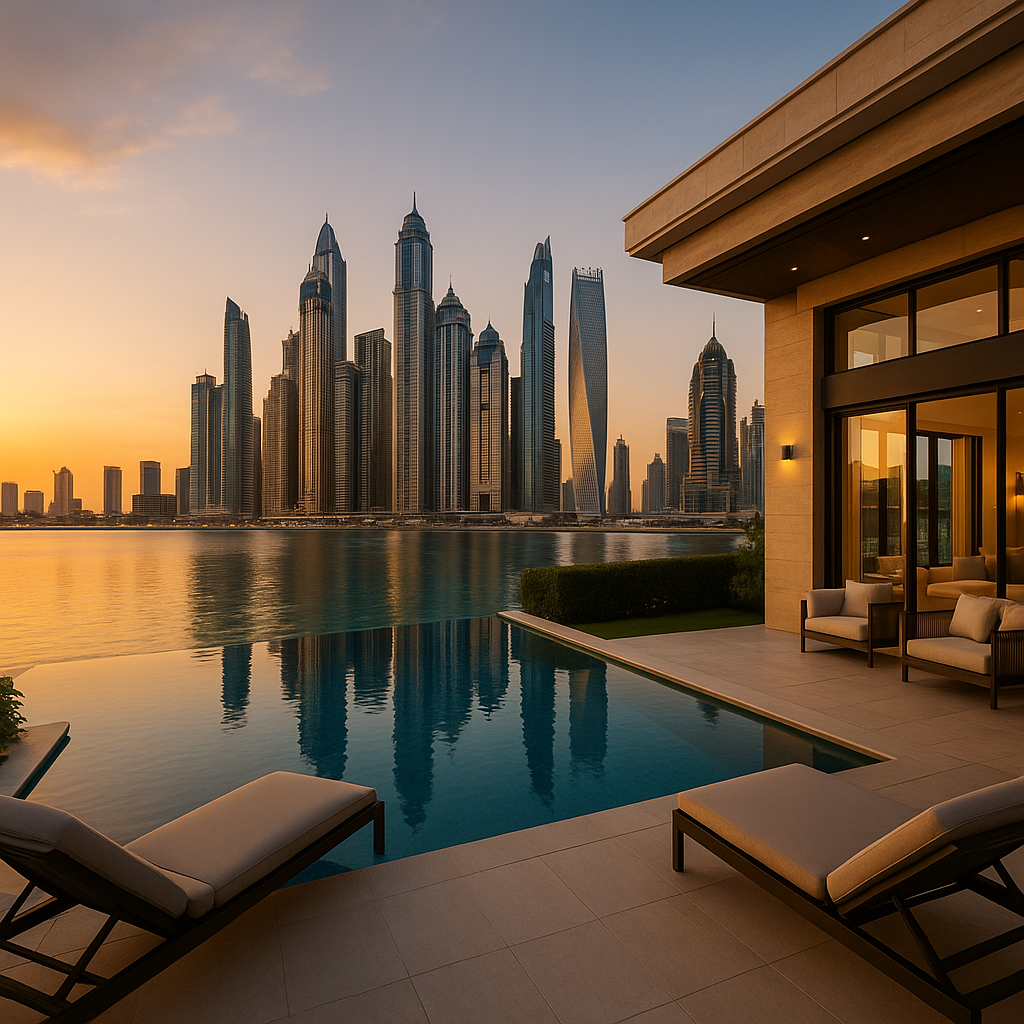
Een villa is een vrijstaande woning met een ruim perceel, veel privacy, en vaak luxe voorzieningen zoals een privétuin, zwembad en royale leefruimten.
Voordelen van een villa voor de internationale investeerder:
- Maximale privacy en exclusiviteit - Geen gedeelde muren en veel ruimte zowel binnen als buiten. Dit is ideaal voor grotere gezinnen of vermogendeindividuen die naar rust en exclusiviteit zoeken - een zeldzaam luxe in dicht bevolkte steden en een belangrijke drijfveer voor het aantrekken van welgestelde huurders.
- Volledige vrijheid in ontwerp - Als eigenaar hebt je de vrijheid om het interieur en de tuin volledig naar je smaak aan te passen en te personaliseren. Dit kan aanzienlijk de aantrekkingskracht en waarde van de woning voor het premium huurmarksegment of bij doorverkoop verhogen, waardoor je een unieke aanbieding kunt creëren.
- Sterke waardegroei in het luxesegment - Historische gegevens van het DLD laten zien dat villa's, vooral op primaire locaties, een hogere waardestijging ervaren dan andere vastgoedtypen (soms 20-75% over enkele jaren in premium gebieden). Dit biedt uitstekende kansen voor aanzienlijke langetermijnwaardeverhogingen, waardoor je op een krachtige manier vermogen kunt opbouwen.
- Luxe levensstijl en premium huurmarksegment - Wonen in een villa betekent een hoge levensstijl. Dit trekt een welgestelder huurderssegment aan, resulterend in hoger en stabieler huurinkomen. Als je zich richt op het hoogste deel van de huurmarkt, is een villa vaak de beste keus.
- Langetermijninvestering met hoge rendementen - Door hun stabiele waarde en superieure verhuurpotentieel zijn villa's een zeer aantrekkelijke optie voor investeerders die naar solide rendementen en langetermijnvermogensopbouw streven. Ze dienen vaak als waardebewarende activa in een gediversificeerde portefeuille.
De dynamiek van Dubai's vastgoedmarkt voor internationale investeerders
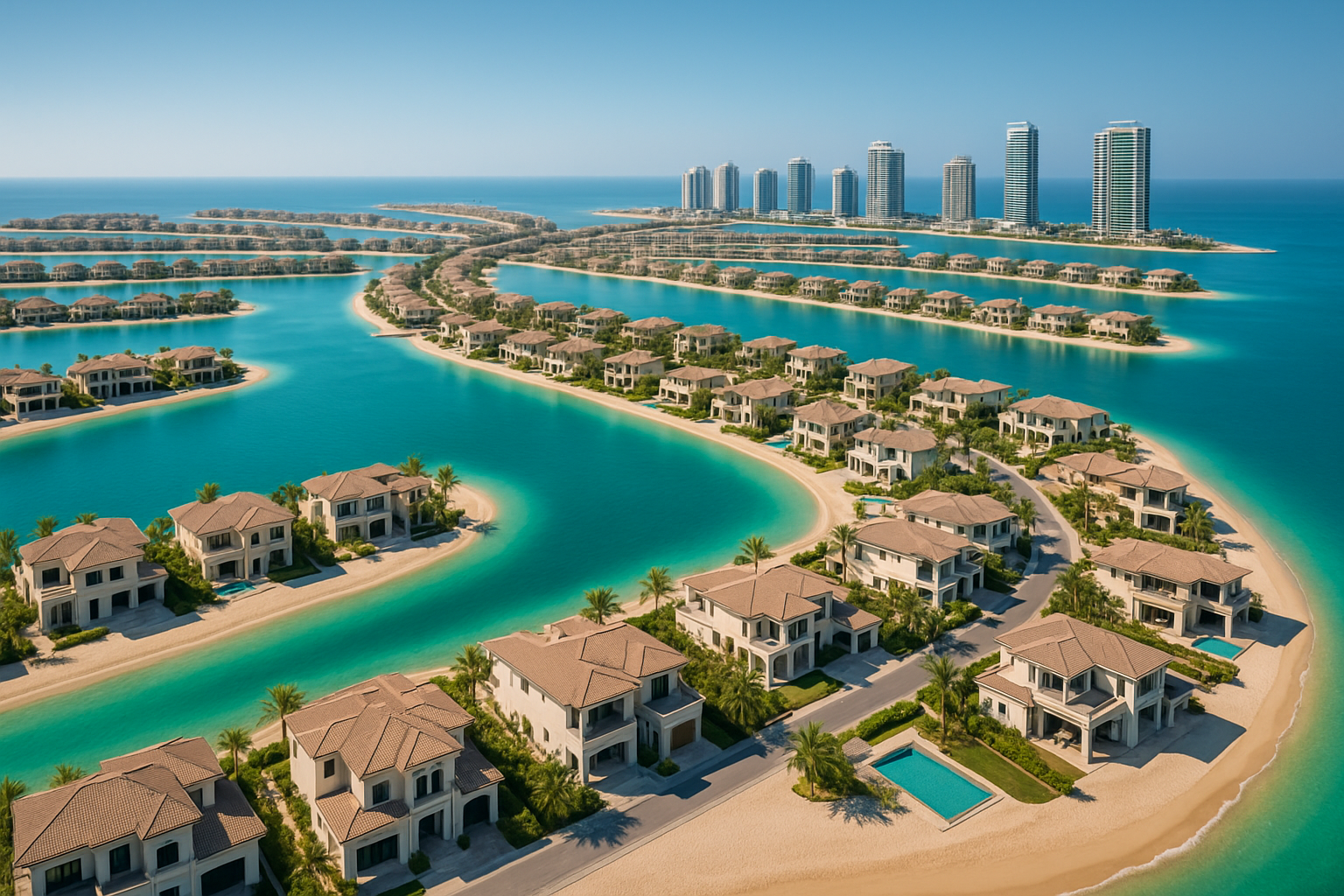
De vastgoedsector van Dubai ervaart voortdurende ongekende groei en trekt investeerders van over de hele wereld aan. Recent gegevens van het DLD bevestigen aanzienlijke waardestijgingen voor villa's en townhouses, wat onderstreept dat er grote vraag is naar meer ruimtelijke woningen buiten traditionele appartementen.
Waarom deze trends cruciaal voor je zijn:
- Veranderde woonvoorkeuren - Net als op andere wereldwijde markten is de vraag naar meer ruimte, privacy en buitenruimte sinds de pandemie aanzienlijk gestegen. Townhouses en villa's voldoen perfect aan deze vraag, wat duurzame vraag en lage leegstandspercentages garandeert. Deze verschuiving in voorkeur is een wereldwijde trend die structureel vraag naar dit type eigendom ondersteunt.
- Beperkt aanbod - Hoewel veel nieuwe ontwikkelingen lopende zijn, blijft het aantal onmiddellijk beschikbare villa's en townhouses - vooral in gevestigde en gezochte buurten - relatief beperkt vergeleken met de vraag. Dit creëert een natuurlijk prijseffect, wat gunstig is voor je waardestijging.
- Regeringsbeleid en investeraarvertrouwen - Het investeringsvriendelijk beleid van de VAE, zoals de genoemde Golden Visa en de transparante regelgeving door het DLD, versterken aanzienlijk het vertrouwen onder buitenlandse kopers. Je investeert in een markt die vastgoedstabiliteit en eigendomsbescherming hoog aanslaat - een belangrijk factor voor investeerders gewend aan goed gereglementeerde omgevingen.
Populaire investeringsgebieden (met hoge ROI's):
Als internationale investeerder wil je misschien weten waar de beste kansen liggen voor optimale rendementen:
- Dubai Hills Estate - Luxe villa's en townhouses, vaak dicht bij golfbanen en moderne voorzieningen. Biedt uitstekende ROI in het hogere segment en trekt een kapitaalkrachtig publiek aan.
- Arabian Ranches - Een gezinsgerichte hub met een breed scala aan villa's en townhouses, bekend om zijn stabiele waardegroei en consistente verhuurvraag.
- DAMAC Hills: Premium residences met uitgebreide faciliteiten, waaronder golfbanen en community voorzieningen. Biedt een sterke balans tussen luxe en rendement.
- Jumeirah Village Circle (JVC): Een snel groeiend gebied met zowel betaalbare als mid-range townhouse opties. Het staat bekend om zijn hoge huurrendementen (tot 7-8% voor villa's en 7-8% voor 1-3 slaapkamer townhouses in 2024) en populariteit onder gezinnen, wat het een zeer aantrekkelijke optie maakt voor stabiele cashflow.

De juiste keuze maken voor je beleggingsportefeuille
De keuze tussen een townhouse en een villa als internationale investeerder hangt af van je budget, risicotolerantie, gewenste rendement en persoonlijke voorkeuren:
- Kies een townhouse als je op zoek bent naar een meer toegankelijk startpunt op de vastgoedmarkt van Dubai, waarde hecht aan een levendige community en eenvoudig beheer door lagere onderhoudskosten. Dit kan een uitstekende optie zijn voor het genereren van stabiele cashflow met beheersbaar risico.
- Kies een villa als je rekening houdt met een hoger initieel investeringsbedrag, maximale privacy en personalisatie waardeert, en gericht bent op aanzienlijke lange-termijn kapitaalgroei in het luxesegment. Dit type investering kan substantiële vermogensgroei opleveren.
Belangrijke overwegingen voor internationale investeerders:
- Belastingplanning is cruciaal: hoewel Dubai geen lokale onroerendgoedbelastingen heft, moet je mogelijk je wereldwijde vermogen (inclusief onroerend goed in Dubai) aangeven in je thuisland. Belastingverdragen tussen je land en de VAE kunnen verlichting bieden tegen dubbele belasting. De specifieke berekeningen kunnen echter van invloed zijn op de effectieve belastingdruk op je totale vermogen. Raadpleeg altijd een gespecialiseerde internationale belastingadviseur om verrassingen te voorkomen.
- Financiering: hoewel lokale hypotheekopties beschikbaar zijn in Dubai (tot 50-60% loan-to-value voor niet-ingezetenen), kiezen veel internationale investeerders voor eigen kapitaal of financiering via banken in hun thuisland (indien mogelijk) voor extra flexibiliteit en verminderd wisselkoersrisico.
- Een lokale expert is essentieel: werk samen met een gerenommeerd makelaar of vastgoedadviseur die niet alleen de Dubaiese markt binnenstebuiten kent, maar ook ervaring heeft met internationale investeerders. Zij kunnen je begeleiden bij het aankoopproces (inclusief de 4% DLD-overdrachtsbelasting), vastgoedbeheer en mogelijke aanvraag voor een Golden Visa, waardoor de transactie soepeler en veiliger verloopt.
De vastgoedmarkt van Dubai biedt ongeëvenaarde kansen voor internationale investeerders die op zoek zijn naar alternatieven voor traditionele markten. Met een gunstig belastingklimaat, hoge rendementen en een stabiele economische omgeving, is het een waardevolle overweging voor de diversificatie en groei van je vermogen.
Meer weten over investeren in Dubai vastgoed?
Wil je dit onderwerp toepassen op jouw situatie? Download de gratis Dubai vastgoed gids, bekijk het actuele Dubai vastgoed aanbod of plan een gratis gesprek met Dubai-Property.nl.










.png)
.png)

.png)

.avif)
.avif)









.svg)
.svg)
.svg)