
.svg)
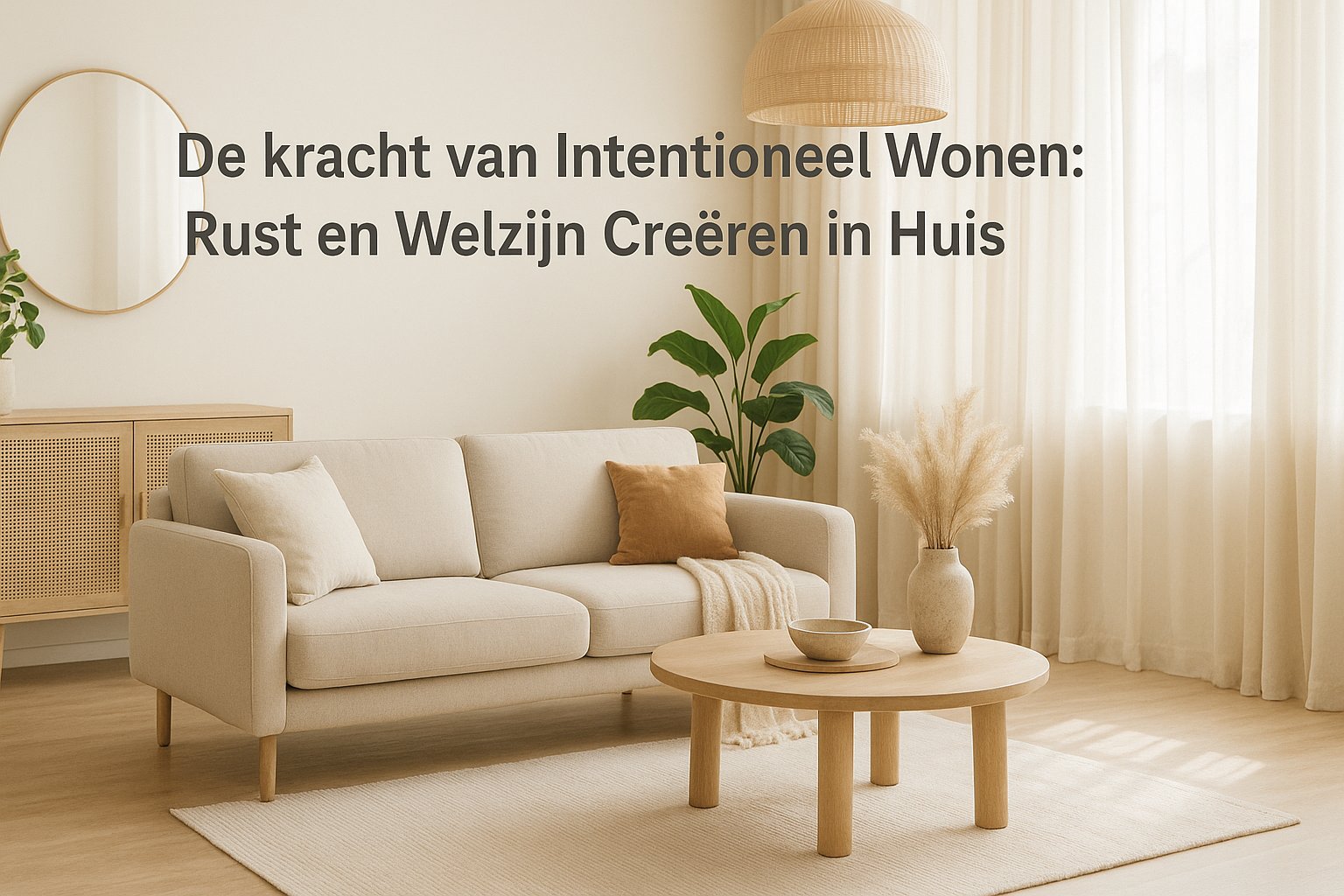


De Kracht van Bewust Wonen: Vrede en Welzijn Thuis Creëren
Introductie
Steeds meer mensen zoeken naar manieren om hun huis om te vormen tot een oase van rust en welzijn, en een methode die steeds meer aandacht krijgt, is bewust wonen. Deze benadering benadrukt bewust leven thuis en het doelbewuste ontwerp van elke ruimte. Het idee achter bewust wonen is dat je niet simpelweg in een huis leeft - je creëert een omgeving die rust thuis bevordert en dient als dagelijkse bron van inspiratie. Dit concept biedt een tegenwicht voor het hectische tempo van het moderne leven, waar het gemakkelijk is om meegesleurdt te worden door verplichtingen en prikkels. In dit blog duiken we in de principes van vrede en welzijn in je leefomgeving, zodat je zelf de kracht van bewust wonen kunt ervaren. Lees verder om tips en inzichten te ontdekken die je helpen om in het moment te leven, afscheid te nemen van troep en onnodige stress, en de positieve invloed van een doordacht ontworpen huis te omarmen.
Wat Is Bewust Wonen?
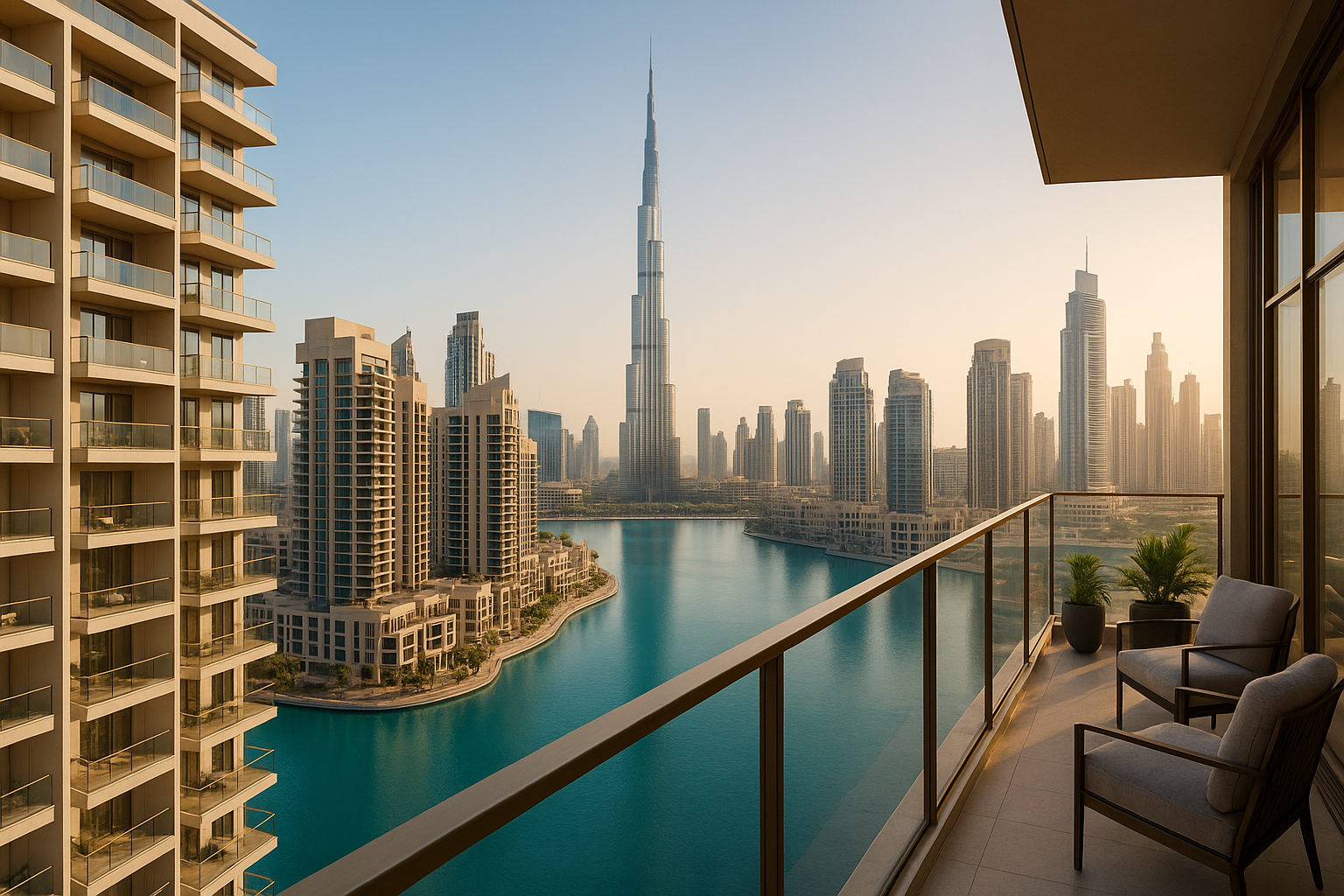
Bewust wonen gaat over het maken van bewuste keuzes in hoe je je huis inricht, beheert en ervaart. De meesten van ons leven in een ruimte die min of meer spontaan tot stand is gekomen: de bank eindigt ergens, taken stapelen zich op, en het interieur stamt uit willekeurige aankopen of voorbijgaande trends. Met bewust wonen keer je dit proces om en stel je jezelf vragen zoals: 'Welke sfeer wil ik in mijn huis creëren?' en 'Hoe kan mijn leefruimte mijn dagelijks leven verrijken?' Door deze vragen te beantwoorden en erop in te handelen, ga je van simpelweg wonen over naar een manier van leven waar elk item en elke hoek van de kamer je welzijn ondersteunt. Dit kan betekenen dat je afstand doet van bepaalde bezittingen, maar het kan ook betekenen dat je ervoor kiest om specifieke gemakken in te bouwen. Op deze manier maak je je dagelijks leven doelbewuster en vrij van afleiding. Dit principe komt tot uiting in wereldsteden waar bewoners hun huizen met oog voor bewust leven benaderen. Een voorbeeld is te vinden in het blog over Appartement huren Downtown Dubai - complete gids voor expats en gezinnen, waar welzijn en woonplezier centraal staan.
De essentie is dat je voortdurend reflecteert op wat je echt nodig hebt en welk gevoel je wilt bereiken. En dit geldt niet alleen voor grote veranderingen - zelfs kleine aanpassingen, zoals het verplaatsen van een meubel of het creëren van een gezellige leeshoek, kunnen je levenskwaliteit al verbeteren. Door dit principe toe te passen, verschuif je de focus van 'een huis dat willekeurig oogt' naar 'een woning die je gemoedsrust voedt'. Als je al lange tijd van rust thuis en mentale helderheid droomt, kan bewust wonen dit proces versnellen en verdiepen.
De Rol van Bewust Leven Thuis
Bewust leven thuis hangt nauw samen met bewust wonen. Het betekent actief aandacht besteden aan hoe je je kamers gebruikt. Staat de televisie centraal en prominent voor het kijken, of geef je liever de voorkeur aan conversatie en samenzijn? Wil je een rustig thuiskantoor creëren of een ruimte waar je creatief kunt werken zonder afleiding? Zelfs de kleinste actie - zoals je ochtendritueels of de manier waarop je je persoonlijke bezittingen opbergt - kan onderdeel worden van een groter plan. Door deze inzichten in je leefomgeving in te bouwen, creëer je meer rust thuis. Overweeg ook om rommeligheid tot een minimum te beperken en kies voor warme, natuurlijke materialen die een gevoel van sereniteit bevorderen.
Wanneer je bewust in je eigen huis leeft, word je alerter op stressbronnen. Een volle zolder, rommelige keuken of onhandig ingedeelde woonkamer kan onbewust een gevoel van onrust oproepen. Door proactief deze problemen aan te pakken, is de invloed op je gemoedsrust enorm. In het blog Villa huren Al Mushrif: Centraal Wonen en Complete Comfort in Abu Dhabi komt dit aspect bijvoorbeeld tot uiting in de manier waarop bewoners rust weven in hun dagelijkse routines - een concept dat niet alleen in Nederland maar wereldwijd relevant is. Maak ruimte voor de dingen die je blij maken en verwijder wat alleen maar frustratie veroorzaakt.
De Ontwerpfilosofie Achter Bewust Wonen
In het hart van bewust wonen ligt een doordachte ontwerpfilosofie. Hier overweeg je elk detail - van de keuze van materialen tot de manier waarop natuurlijk licht een ruimte binnenkomt. Een goed ontworpen ruimte is niet alleen mooi, maar ook uitnodigend, rustgevend en ondersteunend voor je mentale welzijn. Architectuur speelt een rol: open ruimtes, natuurlijke lichtbronnen en efficiënte layouts voorkomen dat je huis voelt als een verzameling muren. Bovendien dragen zachte kleurtonen en texturen bij aan een algehele sfeer van comfort en rust thuis. Deze ontwerpprincipes worden toegepast om het dagelijks leven te vereenvoudigen en te verrijken.
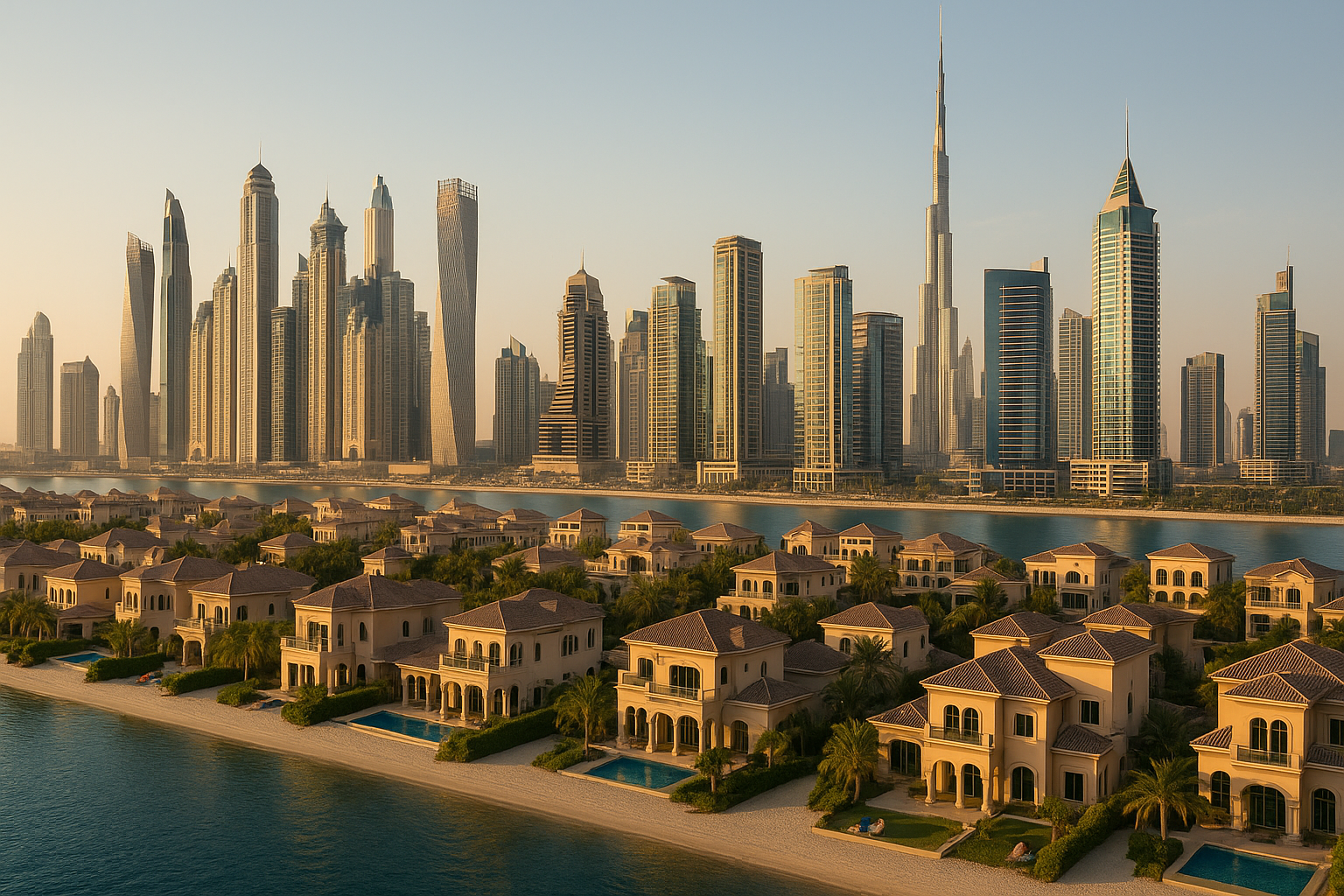
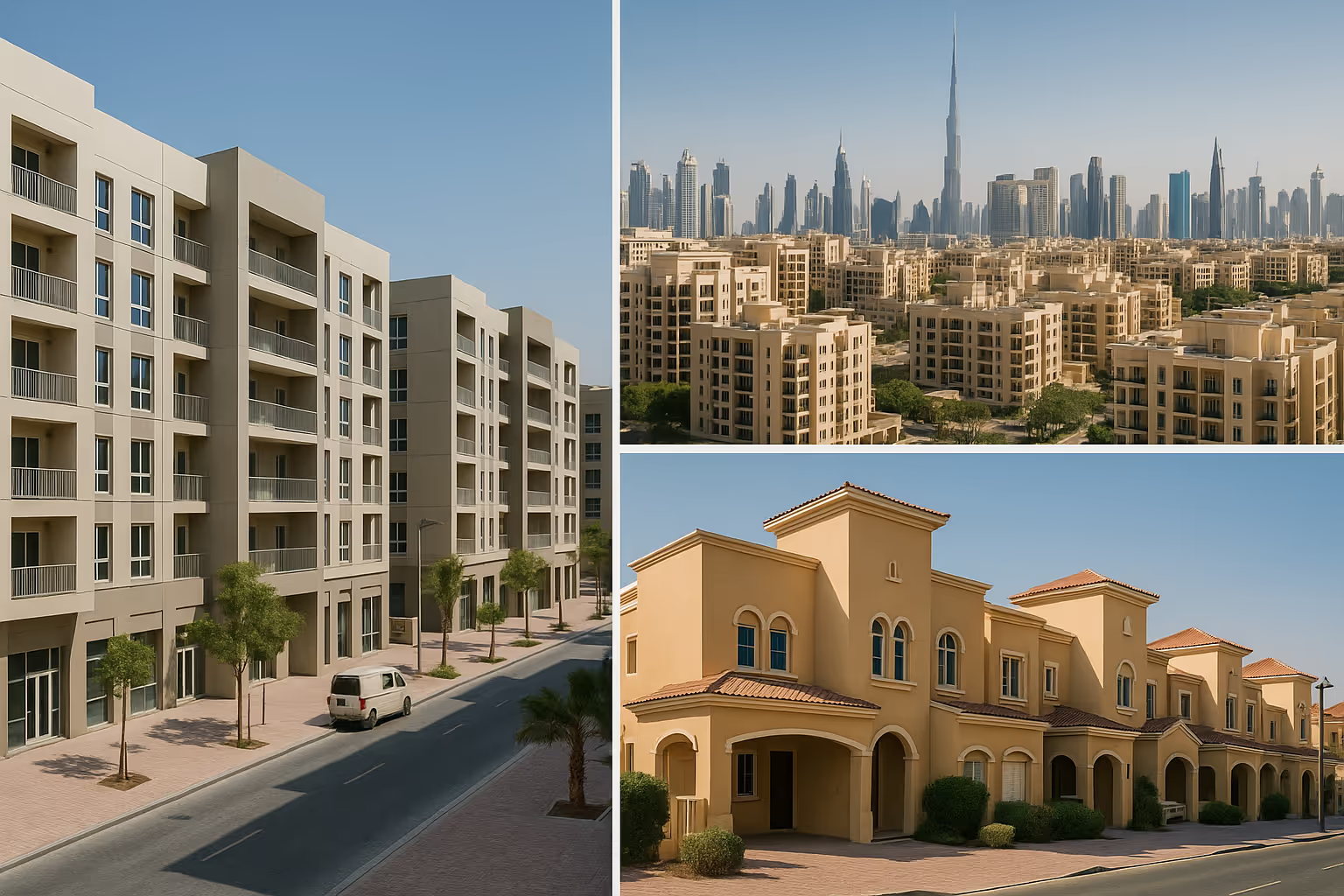
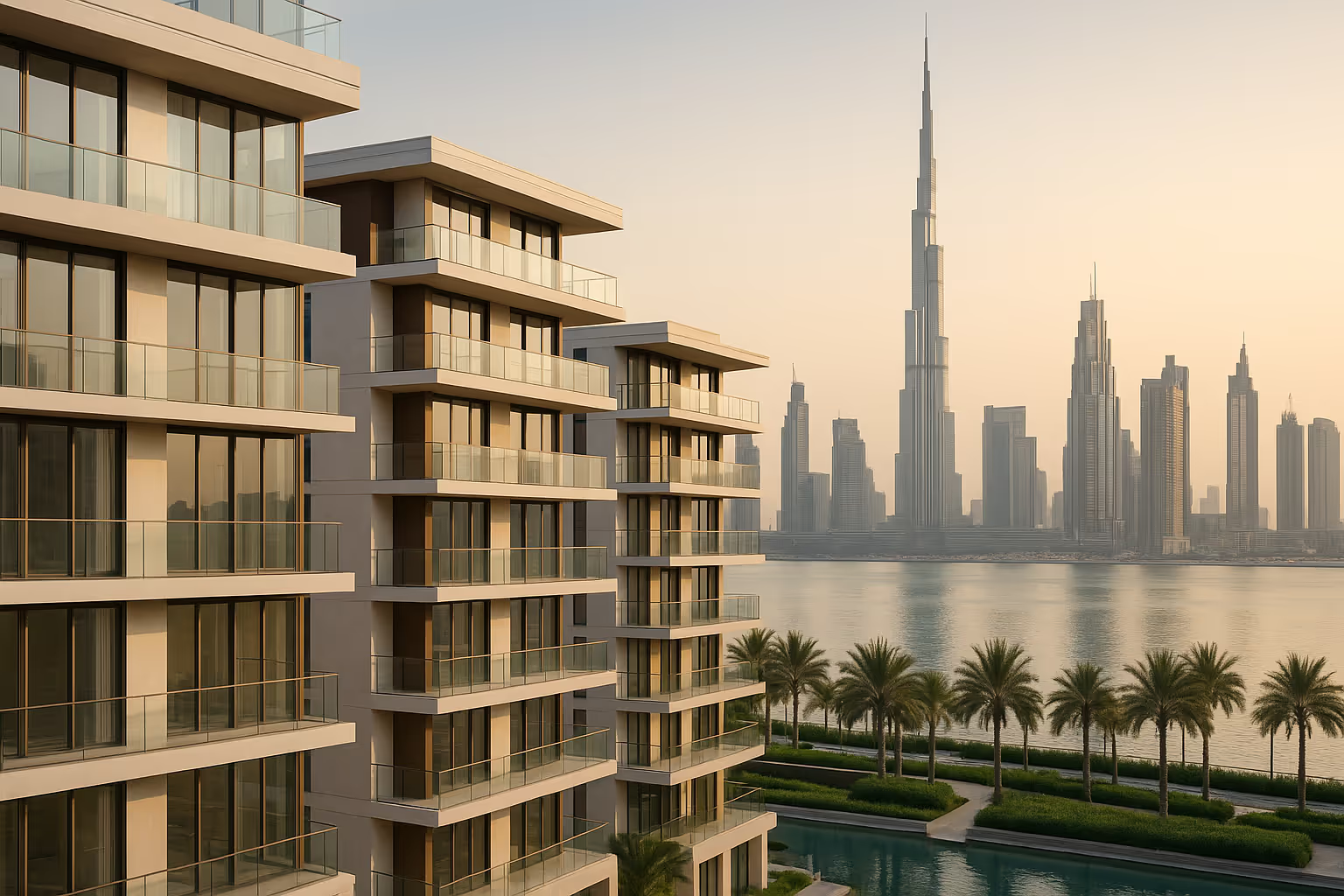
In een stad als Dubai is deze ontwerpfilosofie duidelijk zichtbaar, met ruime woonkomplexen en stedelijke projecten die kwaliteit van leven vooropstellen. Kijken we naar Khaleej Times, dan zien we hoe technologische innovaties en duurzame koelsystemen extra comfort bieden. Woningontwikkelingen die rekening houden met sociale verbinding en groene zones nemen ook toe, wat bewijst dat high-tech luxe woningen en een rustige leefomgeving hand in hand kunnen gaan. Volgens Gulf News en Arabian Business zal dit alleen maar belangrijker worden voor toekomstige generaties die zoeken naar een balans tussen technologie, duurzaamheid en welzijn in hun huizen. Op dezelfde manier kunnen we elementen aan onze eigen huizen toevoegen die een warme, geruststellende basis bieden.
Dit samenspel tussen architectuur en welzijn is overigens niet nieuw. Eeuwenlang hebben mensen bouwmaterialen en ruimtelijke indelingen gebruikt die naar natuurlijke harmonie streven. Denk aan de principes van Feng Shui of de Scandinavische ontwerpfilosofie die minimalisme, functionaliteit en comfort in hoog aanzien houdt. Hoe je het ook benadert, het centrale idee blijft dat bewust gekozen ontwerp stress vermindert, energie stimuleert en de algehele levenskwaliteit verbetert. Wie inspiratie zoekt, kan ook kijken naar stedelijke ontwikkelingen, zoals die in het blog over de bevolkingsgroei van Dubai en de impact op woningmarkt en vastgoed en de toekomstvisie 2040, die aantonen hoe ontwerp en stedenbouw steeds meer ingezet worden voor welzijn en comfort.
Hoe je een Ontspannen Interieur Creëert
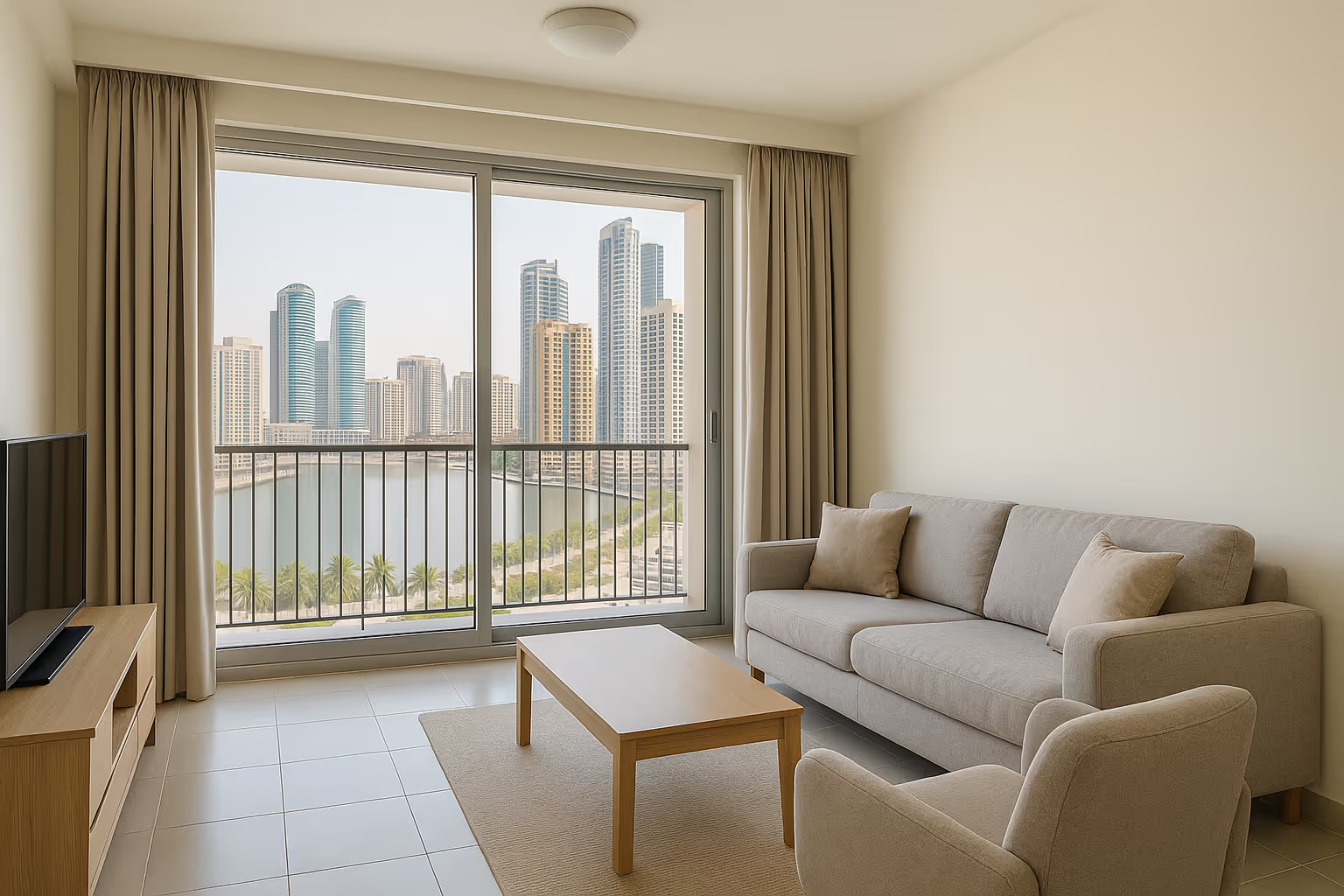
Een ontspannen interieur vormt de hoeksteen van rust thuis. Waar begin je als je deze rustige sfeer wilt bereiken? Ten eerste is kleurkeuze van groot belang. Zachte aardetonen, pastelkleuren of subtiele grijstinten creëren een rustgevend gevoel. Materialen zoals hout, linnen, katoen en wol dragen bij aan een warm uiterlijk, terwijl metaal en hard plastic de neiging hebben een cool en soms afstandelijk effect te produceren. Door deze natuurlijke elementen te gebruiken en overmatige decoratie te verwijderen, bereik je een ruimte die zich evenwichtig aanvoelt. Experimenteer ook met verlichting: zet overdag zonlicht binnen en kies 's avonds voor sfeervolle, gedimd licht dat een gevoel van gezelligheid oproept.
Een tweede stap is het minimaliseren van chaos. Rommel creëert onrust in je geest. Organiseer daarom je kasten, laden en opslagruimtes met een logische, eenvoudige structuur. Overweeg ook de opstelling van meubels: als je een open keuken hebt, kan het slim zijn om verschillende 'zones' voor koken, eten en ontspannen in te stellen. Zet een hoek in met zachte stoelen en een vloerkussen waar je je kunt terugtrekken om een boek te lezen of gewoon even tot jezelf te komen. Op deze manier creëer je in elke kamer een plek die bewust leven thuis en in het moment leven uitnodigt.
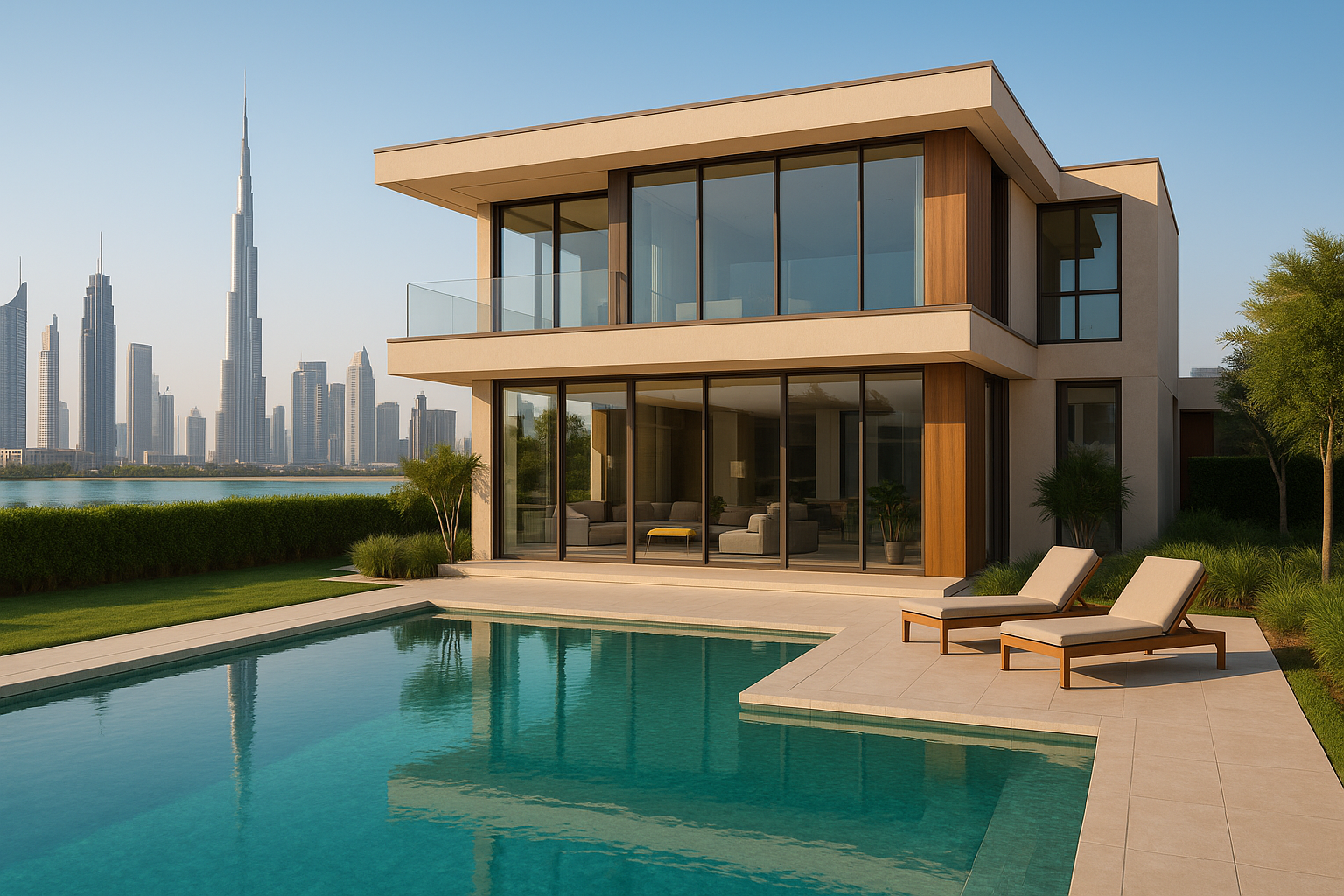
Het gebruik van planten en natuurlijk decor maakt een wereld van verschil en verbetert de luchtkwaliteit. Daarnaast kan een kleine fontein of een geurverdamper met kalmerende geuren zoals lavendel of eucalyptus helpen. Wie op zoek is naar meer luxe of ruimte voor een groot gezin, kan deze principes uiteraard ook toepassen in grotere panden. Een mooi voorbeeld is te vinden in het blog Villa kopen Dubailand: de ultieme gezinswoning en beleggingskans in Dubai, waar comfort en rust samenkomen in een ruim woonconc ept.
Een veel voorkomend misverstand is dat je dure designermeubels nodig hebt om een zen-achtige sfeer te bereiken. Dat is gewoon niet waar - het gaat om de keuzes die je maakt, niet om het bedrag dat je uitgeeft. Soms is het volstaan om bestaande items opnieuw in te delen en op een nieuwe manier in te richten. Het belangrijkste is dat je interieur voelt als een uitbreiding van jezelf, waar je kunt ontspannen zonder afleiding en je verbonden voelt met je omgeving.
De Relatie Tussen Ontwerp en Welzijn
Een interieur dat je persoonlijkheid en levensstijl weerspiegelt biedt niet alleen een aangenaam uiterlijk, maar kan ook je welzijn naar een hoger niveau tillen. Onderzoek in milieupsychologie toont aan dat het ontwerp van je huis invloed heeft op hartslag, bloeddruk, stresshormonen en zelfs je immuunsysteem. Wanneer je zich thuis comfortabel voelt, dalen je stressniveaus en kun je zich gemakkelijker concentreren op wat werkelijk belangrijk is. Dit wordt ook wel interieurontwerp voor welzijn genoemd - een benadering waarbij functionaliteit, comfort en esthetiek samenkomen.
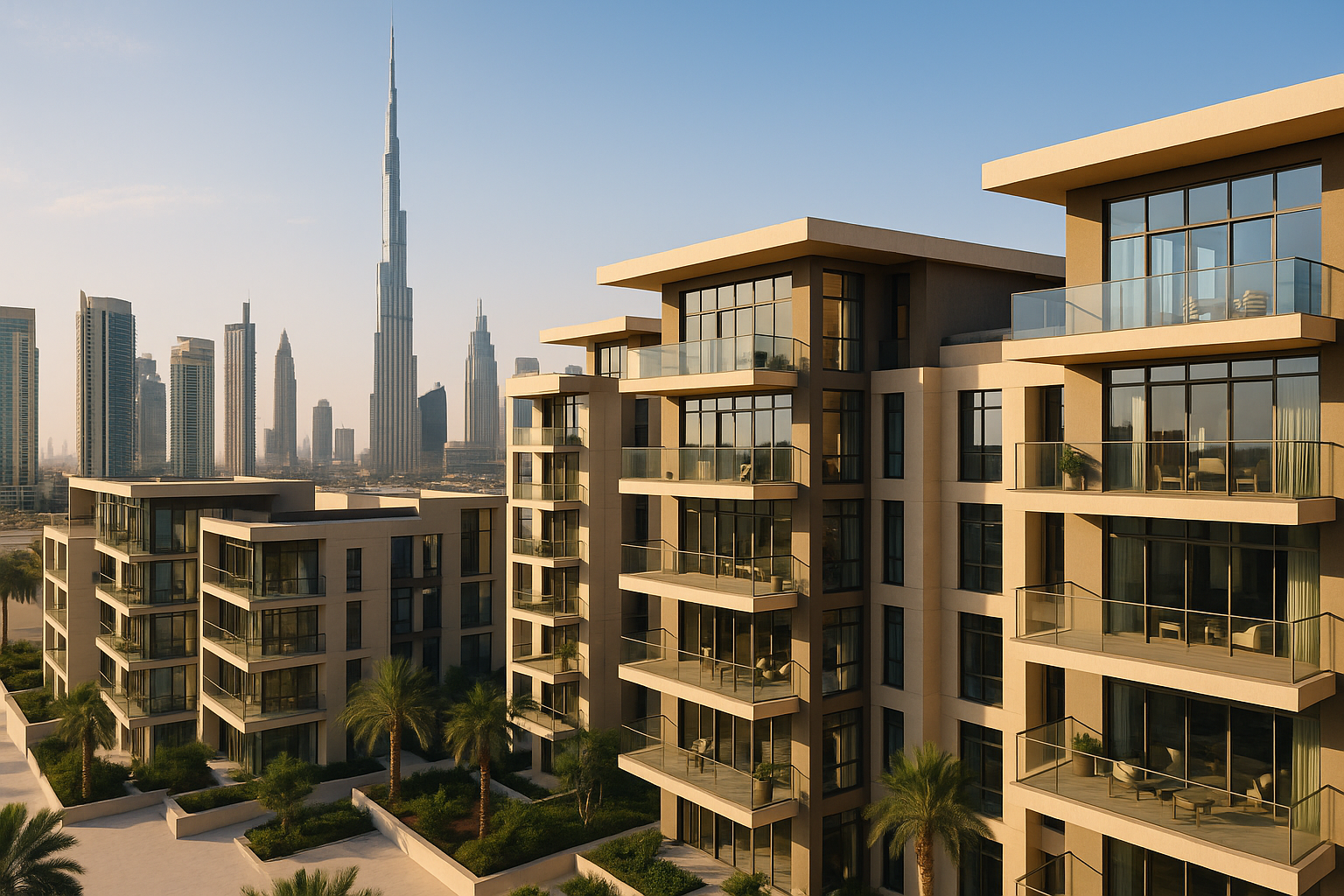
Natuurlijke elementen zoals hout en steen bevorderen een diepere verbinding met de natuur, wat een kalmerend effect op onze hersenen heeft. Licht en geur zijn ook belangrijk: voldoende daglicht ondersteunt een gezonde circadiaanse ritme, en subtiele geuren kunnen je stemming beïnvloeden. Bovendien geven open ruimten met voldoende ruimte om te bewegen je een gevoel van vrijheid, terwijl strak ingedeelde ruimten juist stress kunnen veroorzaken. Voor wie op zoek is naar een nieuw huis waar deze principes ook centraal staan, de Appartement Huren Sharjah-gids
Uiteindelijk gaat het niet alleen om of een kamer er mooi uitgeeft, maar of het ook goed voelt. Een goed doordacht interieur vertaalt zich in ontspanning, helder denken en een aangenaam sfeer voor je gezin. Voeg daar de voordelen voor je sociaal leven aan toe: een uitnodigende, vredige leefruimte moedigt warme gesprekken aan, vermindert afleidingen en maakt het gemakkelijker om van het gezelschap van anderen te genieten. Op deze manier draagt het ontwerp van je huis rechtstreeks bij aan je welzijn - mentaal, emotioneel en sociaal.
In het moment leven door ruimtelijk ontwerp
Bewust leven moedigt aan om in het moment te leven: je geniet van de kleine dingen, je pauzeert meer bewust tijdens dagelijkse rituelen en kunt stress gemakkelijker loslaten. Door je woonruimte in te richten rond rust en focus, maak je het eenvoudiger om activiteiten uit te voeren zonder direct afgeleid te worden. Denk aan een gezellige leeshoek, een plek voor meditatie, of bewust geplaatste kaarsen die je eraan herinneren nu en dan te pauzeren. Zelfs in een drukke stedelijke omgeving of een compact appartement kun je ruimte voor mindfulness creëren - bijvoorbeeld een hoek waar je je telefoon opzij legt en zich concentreert op je ademhaling.
Een interessant voorbeeld hiervan is te vinden in grote, snel groeiende metropolen waar bewoners bewust naar ontspanning zoeken temidden van de dynamiek. De nieuwe ontwikkelingen in de Dubai metro blog laat zien hoe infrastructuur en stedenbouw zich steeds meer richten op het verbeteren van de kwaliteit van leven. Ruimte voor kalmte kan niet alleen binnen de muren van je huis worden gecreëerd, maar ook in de buurt eromheen. Denk aan parken, wandelpaden en andere openbare voorzieningen die tot ontspanning uitnodigen. Door je huis en directe omgeving als geheel te zien, wordt het gemakkelijker om werkelijk in het moment te leven. Een paar minuten wandelen in de frisse lucht, gecombineerd met een doordacht ingerichte woonruimte, kunnen wonderen doen voor je gemoedstoestand.
Het mooie is dat in het moment leven niet iets verhevens hoeft te zijn. Het kan verfrissend eenvoudig en alledaags zijn. Zet een kopje thee, ga bewust aan de eettafel zitten en neem de tijd om het aroma en de smaak te proeven. Of loop door je rustig ingerichte woonkamer en merk op hoe het zonlicht door de ramen valt en de sfeer die het creëert. Deze momenten zijn de bouwstenen van een leven vol aandacht en rust, en bewust leven helpt je die basis te leggen.
Conclusie
Bewust leven is geen abstract concept maar een praktische manier om rust en welzijn in je huis te creëren. Door zorgvuldig na te denken over de indeling, kleurenpalet, materialen en functies van elk vertrek, transformeert je je huis in een plek waar je batterijen worden opgeladen in plaats van leeggelopen. Deze focus op bewust wonen thuis helpt je in het moment te leven en de kleine dingen te waarderen, of je nu in een ruime villa, een compact appartement of iets ertussenin woont.
Deze blog heeft aangetoond dat aandacht voor details - van opruimen tot het slimme gebruik van kleur en licht - een aanzienlijke invloed op je mentale gezondheid heeft. Vaak zijn het juist die kleine aanpassingen die samen een krachtig effect opleveren. Als je naar rust thuis verlangt, is de stap naar bewust leven de moeite waard. Het vereist reflectie en bewuste keuzes, maar leidt uiteindelijk tot een leven met minder stress en meer vervulling.
Zelfs wanneer je overweegt te verhuizen of in het buitenland te investeren, blijft die focus op welzijn en kalmte essentieel. Denk bijvoorbeeld aan de mogelijkheden in de Dubai-regio, waarvoor uitgebreide informatie te vinden is in onze handleidingen over Dubai: verhuizen met je gezin - visumgids 2025 voor Nederlandse burgers en goedkope woningen in Dubai. Of je nu je leven in Nederland een nieuw elan wilt geven of je horizon in een internationaal perspectief wilt verleggen, de principes van bewust leven en mindful wonen thuis kunnen overal worden toegepast. Laat deze inzichten je inspireren om je dagelijks leven mooier, kalmer en zinvoller te maken.
Veelgestelde vragen
Wat betekent bewust leven eigenlijk?
Bewust leven betekent bewust je huis ontwerpen en gebruiken met als doel je welzijn en rust te verbeteren. Het is een manier van leven waarbij elke aanpassing in het huis een duidelijk doel dient en inspeelt op je behoeften, in plaats van een willekeurige verzameling van spullen en decoratie.
Kost het veel geld om je interieur op deze manier in te richten?
Nee, je hoeft niet per se dure designermeubels te kopen. Het gaat allemaal om bewuste keuzes. Soms is het hergebruiken of herschikken van je bestaande meubels al een enorme stap. Concentreer je op wat functioneel is en bijdraagt aan een rustgevende sfeer.
Hoe kan ik onmiddellijk meer rust thuis creëren?
Begin met opruimen en het weggooien van spullen die je niet meer nodig heeft. Creëer vervolgens speciale plaatsen voor ontspanning, zoals een leeshoek of meditatieplek. Kies zachte kleuren, natuurlijke materialen en investeer waar mogelijk in goed licht om een rustige sfeer te bevorderen.
Kan ik deze principes ook toepassen in een klein appartement?
Absoluut. Je kunt bewust leven oefenen zelfs in een klein huis. Denk aan slimme opslagruimten, multifunctioneel meubilair en het behouden van open vloerruimte. Op deze manier kun je zich concentreren op rust en eenvoud, zelfs wanneer de vierkante meters beperkt zijn.
Meer weten over investeren in Dubai vastgoed?
Wil je dit onderwerp toepassen op jouw situatie? Download de gratis Dubai vastgoed gids, bekijk het actuele Dubai vastgoed aanbod of plan een gratis gesprek met Dubai-Property.nl.














.png)
.png)

.png)










.avif)
.avif)












.svg)
.svg)
.svg)