Real estate investment in Dubai: Facts, trends, and opportunities in 2025
Introduction
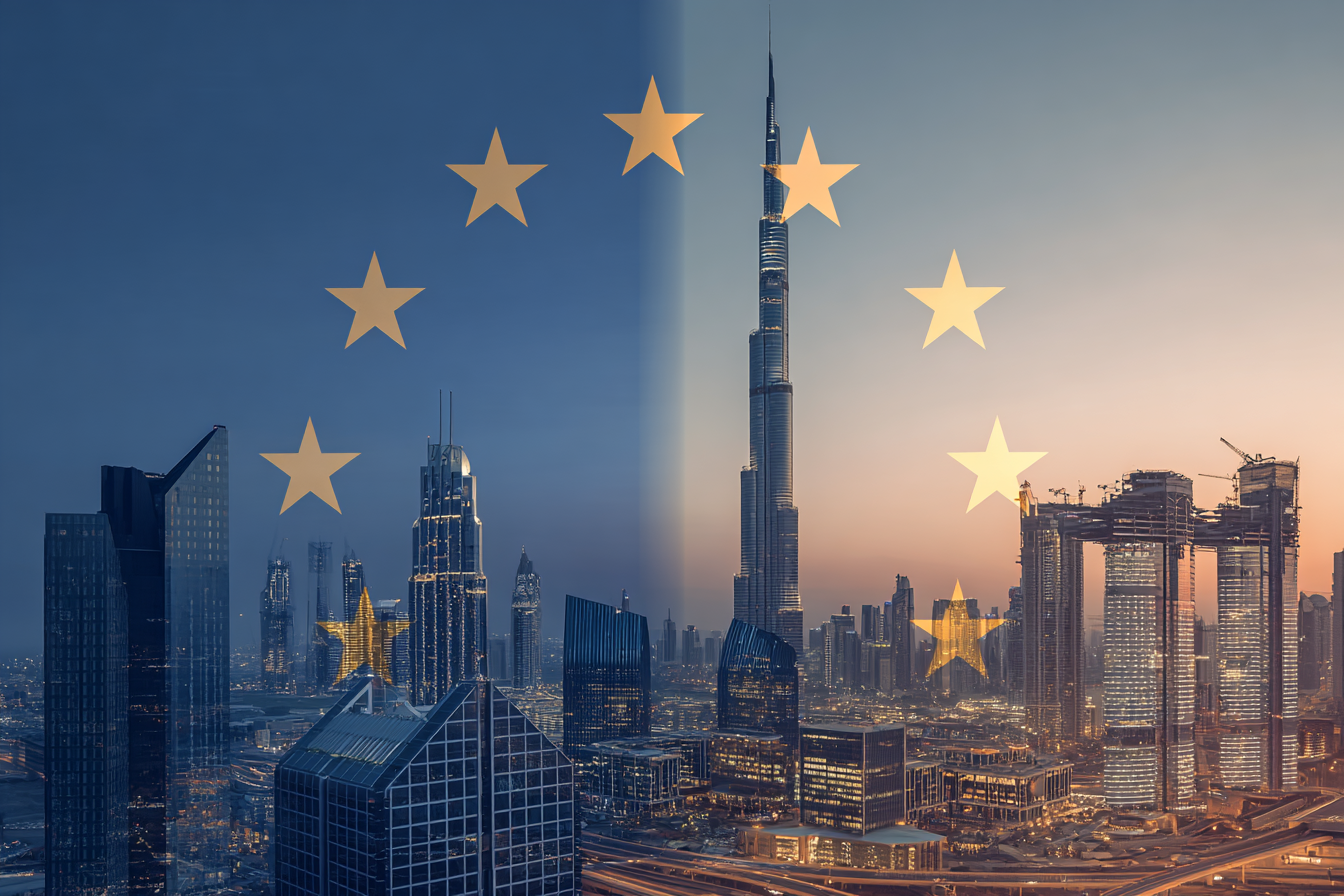
Investing in real estate in Dubai is a topic that attracts a lot of interest from investors around the world. In a short period of time, Dubai has grown into one of the most dynamic places to live and work. The emirate, located in the United Arab Emirates, has experienced significant economic growth in recent years. This has attracted all kinds of investors, from experienced real estate investors to beginners who see a great opportunity. The combination of international trade, tourism, and the favorable business climate makes real estate in Dubai a fascinating topic.
In this blog, we discuss the facts, trends, and opportunities in Dubai's real estate market. We explore what makes this market so unique, how the regulations work, and what benefits await those who take the plunge. We also dive into current market trends towards 2025 and look at the returns that are possible. By bringing this information together, this blog aims to provide a clear picture of the opportunities in Dubai's real estate market. This picture is useful for anyone seriously considering investing.
Many people underestimate how mature Dubai's real estate market actually is. The government and local authorities, such as the Dubai Land Department, are constantly working to improve transparency and reliability. This includes clear ownership rules for foreigners in specific areas and modern registration systems. Furthermore, there are numerous new construction projects responding to growing demand. Expats, who often work for international companies, also ensure a constant stream of people looking for housing. This creates attractive rental markets, and the sales market is rapidly following suit.
Nevertheless, investing in Dubai requires thorough research. Where is the best place to buy? What is the average price per square meter in a particular neighborhood? What about the regulations surrounding ownership in free zones? And how will these aspects develop by the year 2025? All these questions will be addressed. We take a look at official reports and studies from Gulf News, Global Property Guide, Wikipedia, and others. We also briefly discuss topics such as population growth and infrastructure projects. Together, these form the basis for estimating the future value of real estate in Dubai.
The purpose of this blog is not only to tell you that investing in real estate in Dubai is interesting, but also why and how. By highlighting different perspectives, we hope to create a clear and practical picture. The information in this blog has been carefully compiled and provides you with a solid basis for further research. Ultimately, every investment is a personal choice, but knowledge of the market helps you make informed decisions. So let's take a closer look at the ins and outs of this exciting real estate market.
Overview of the real estate market in Dubai
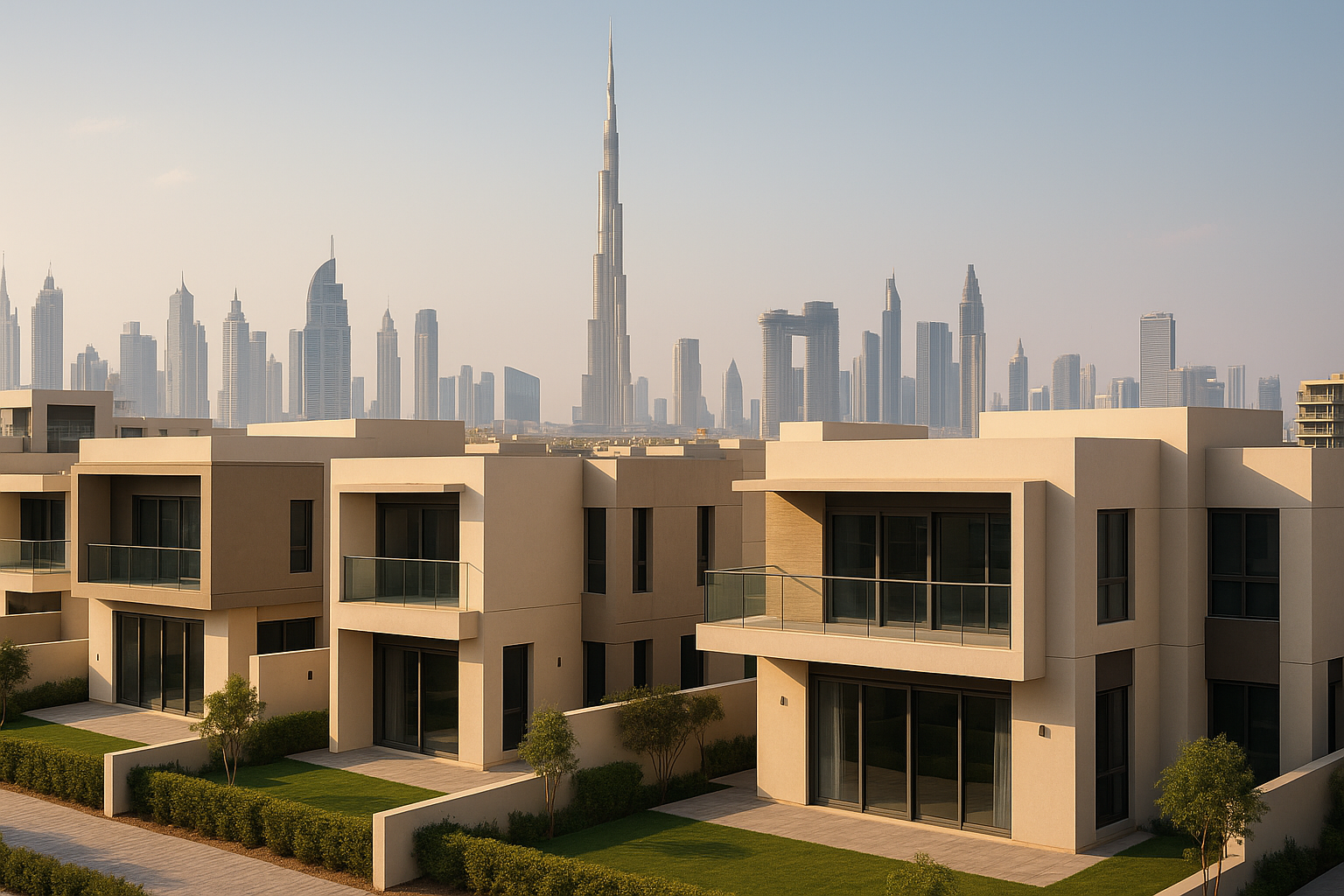
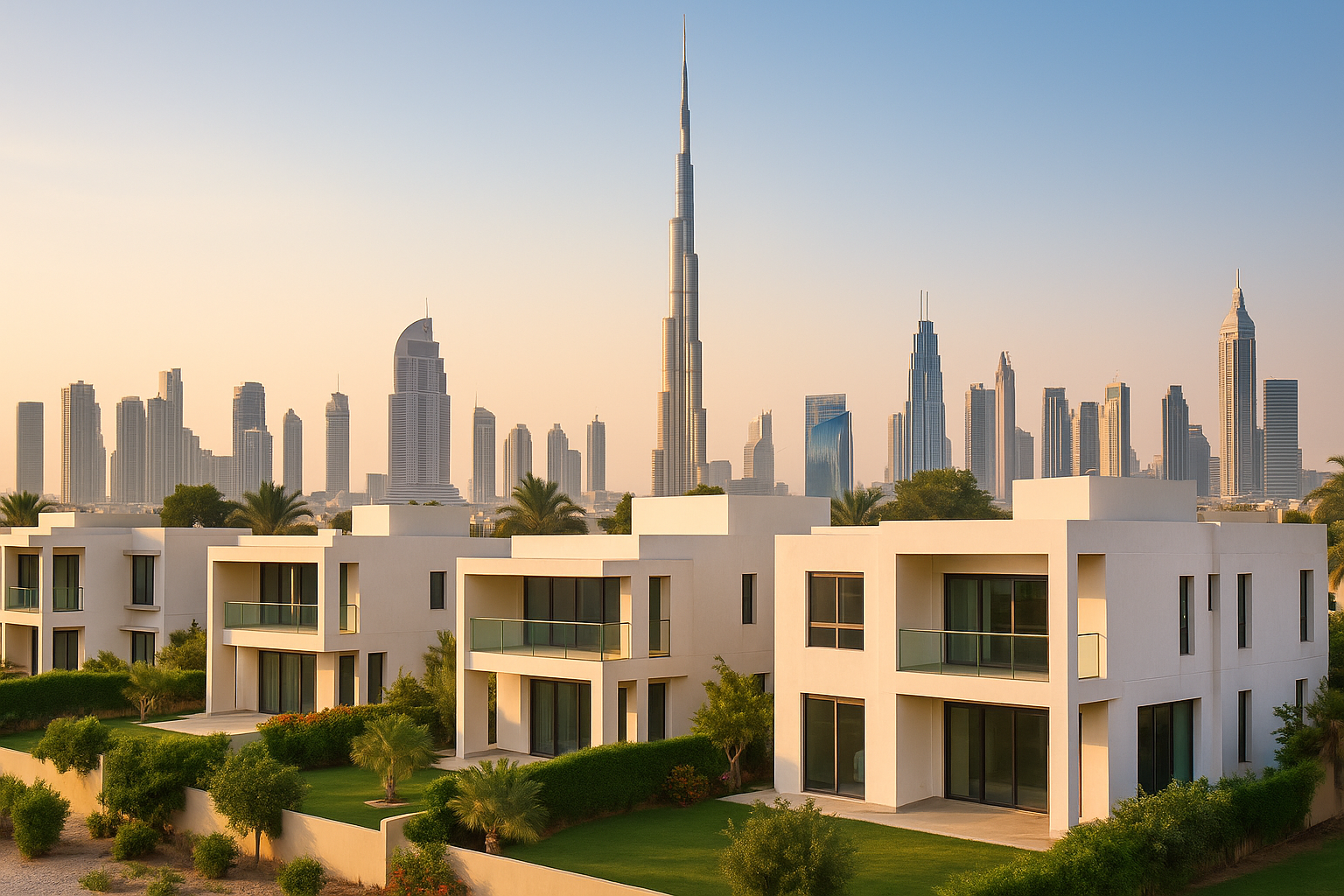
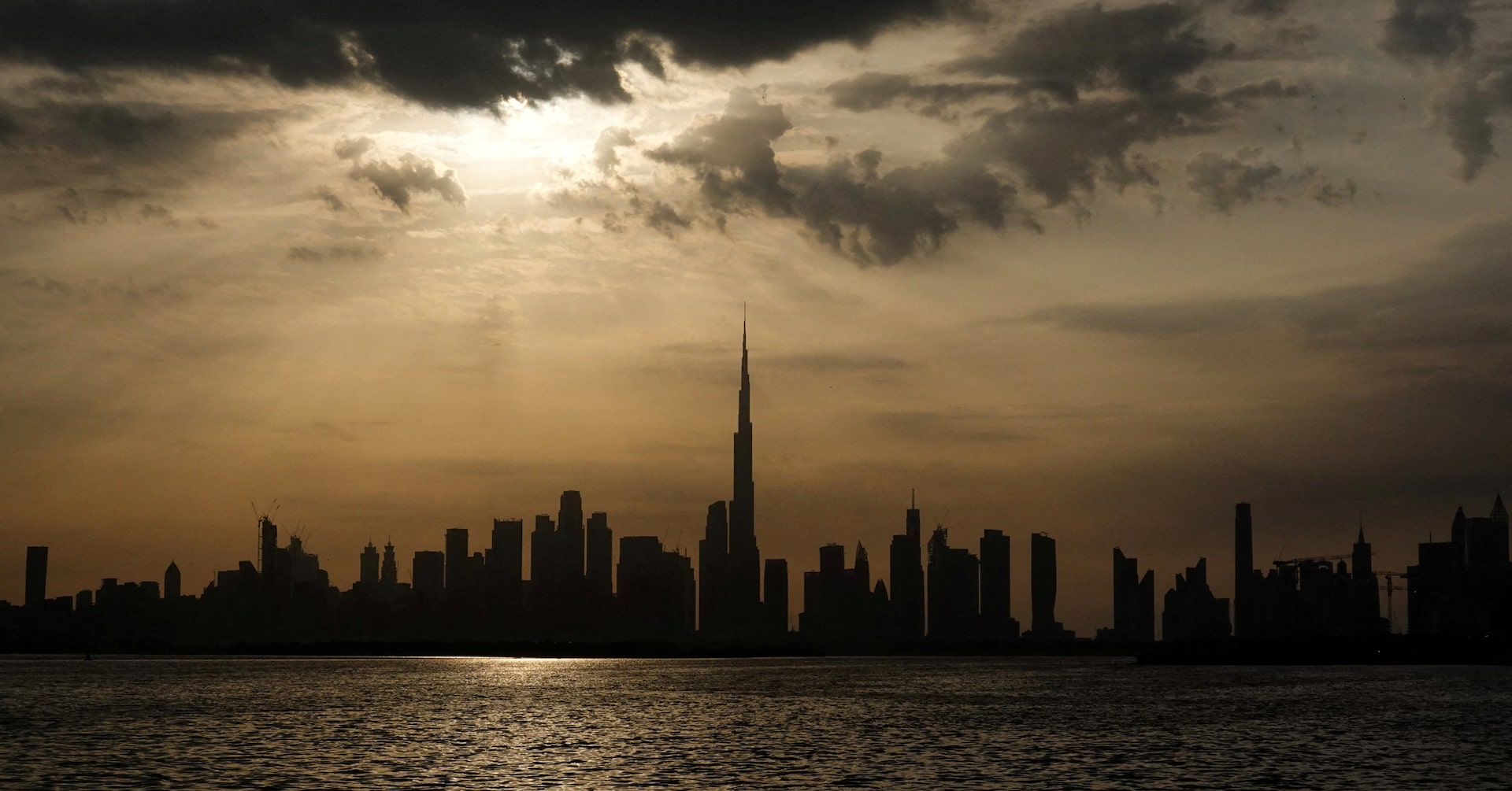
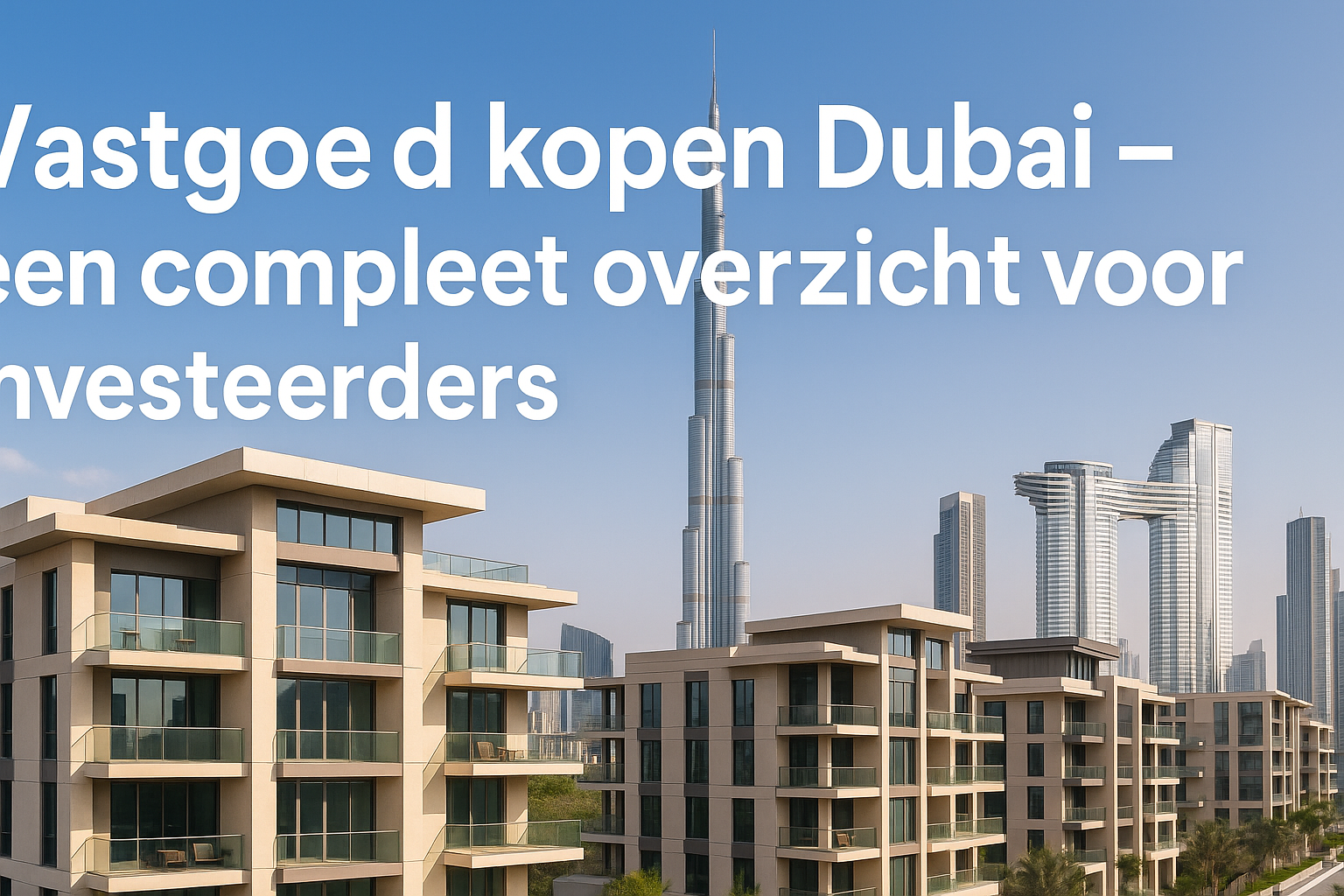
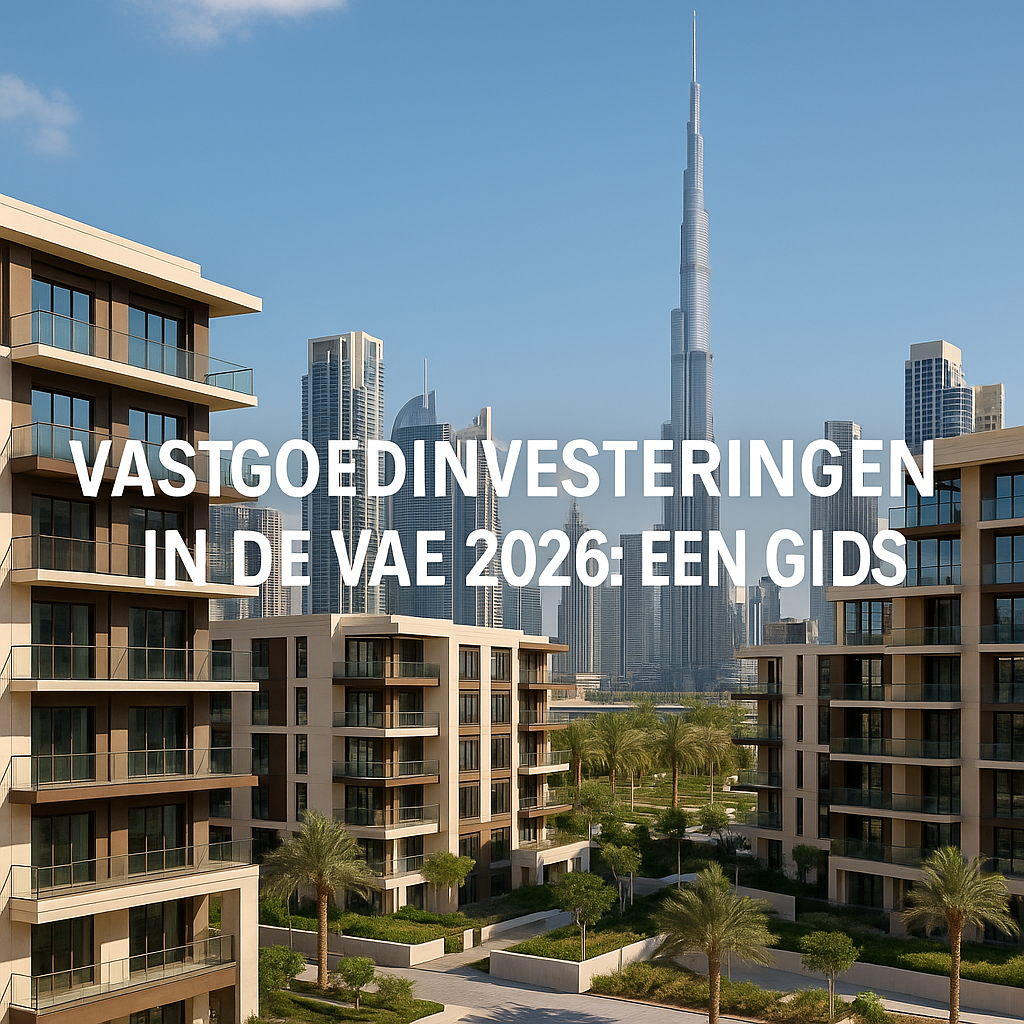
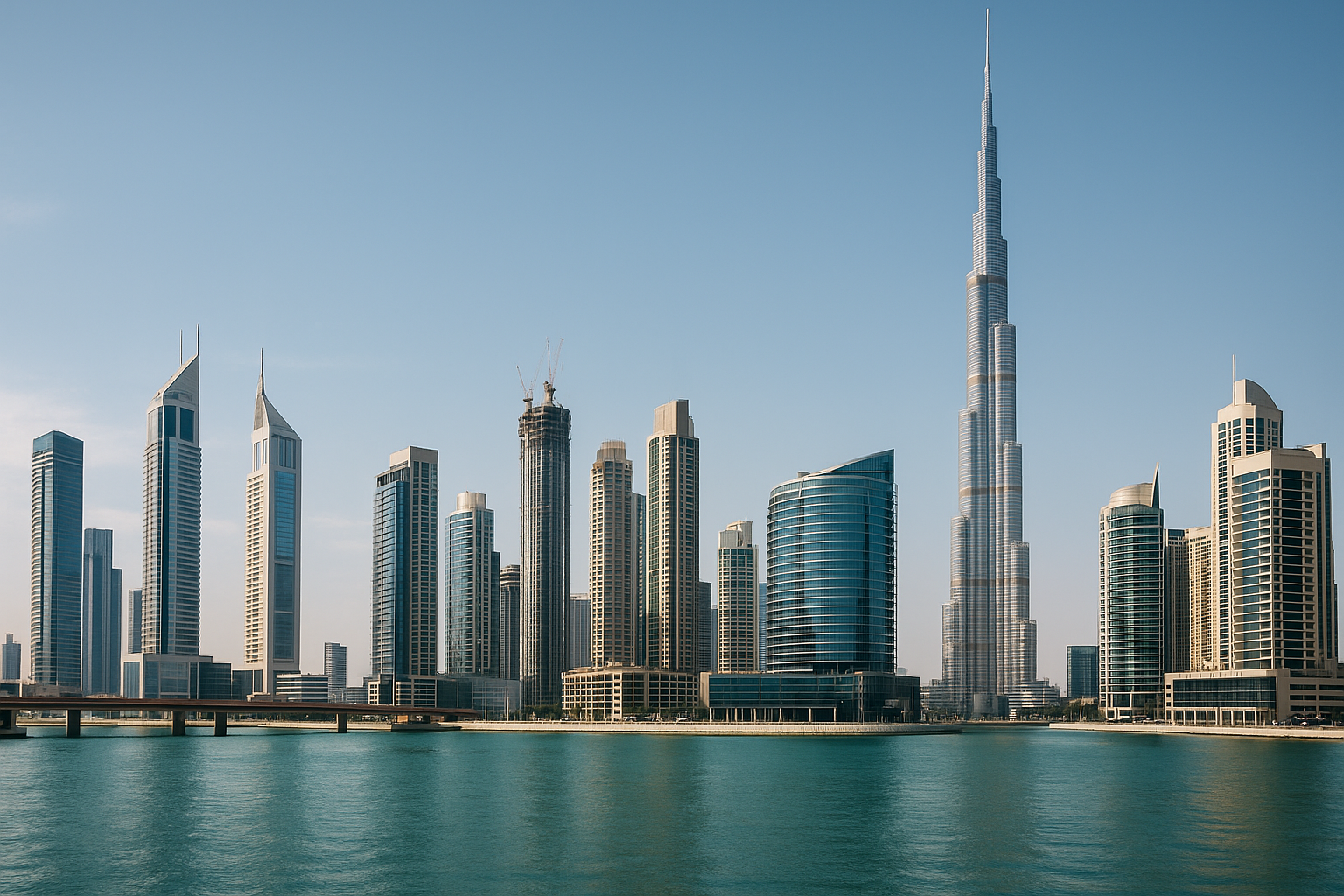
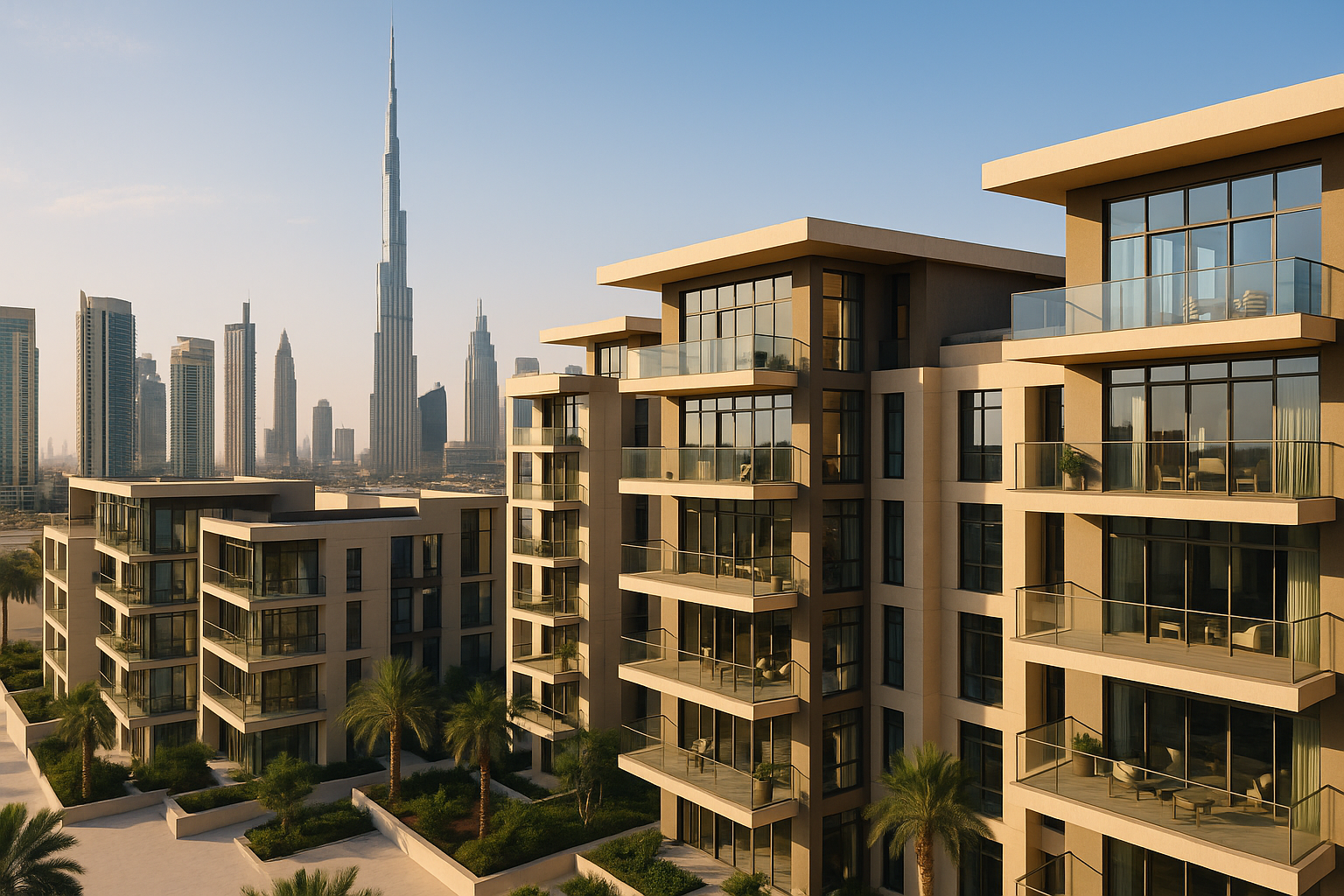
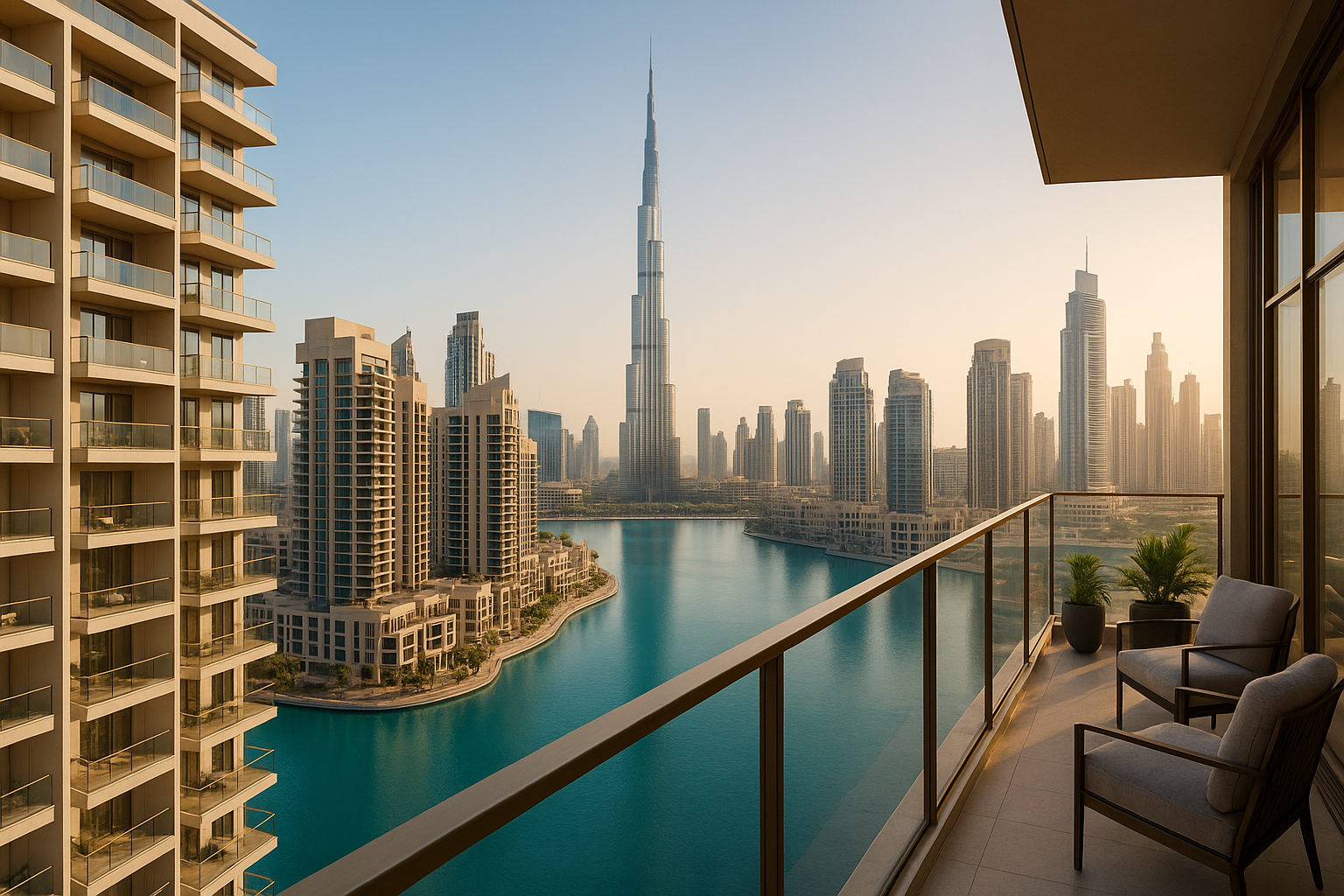
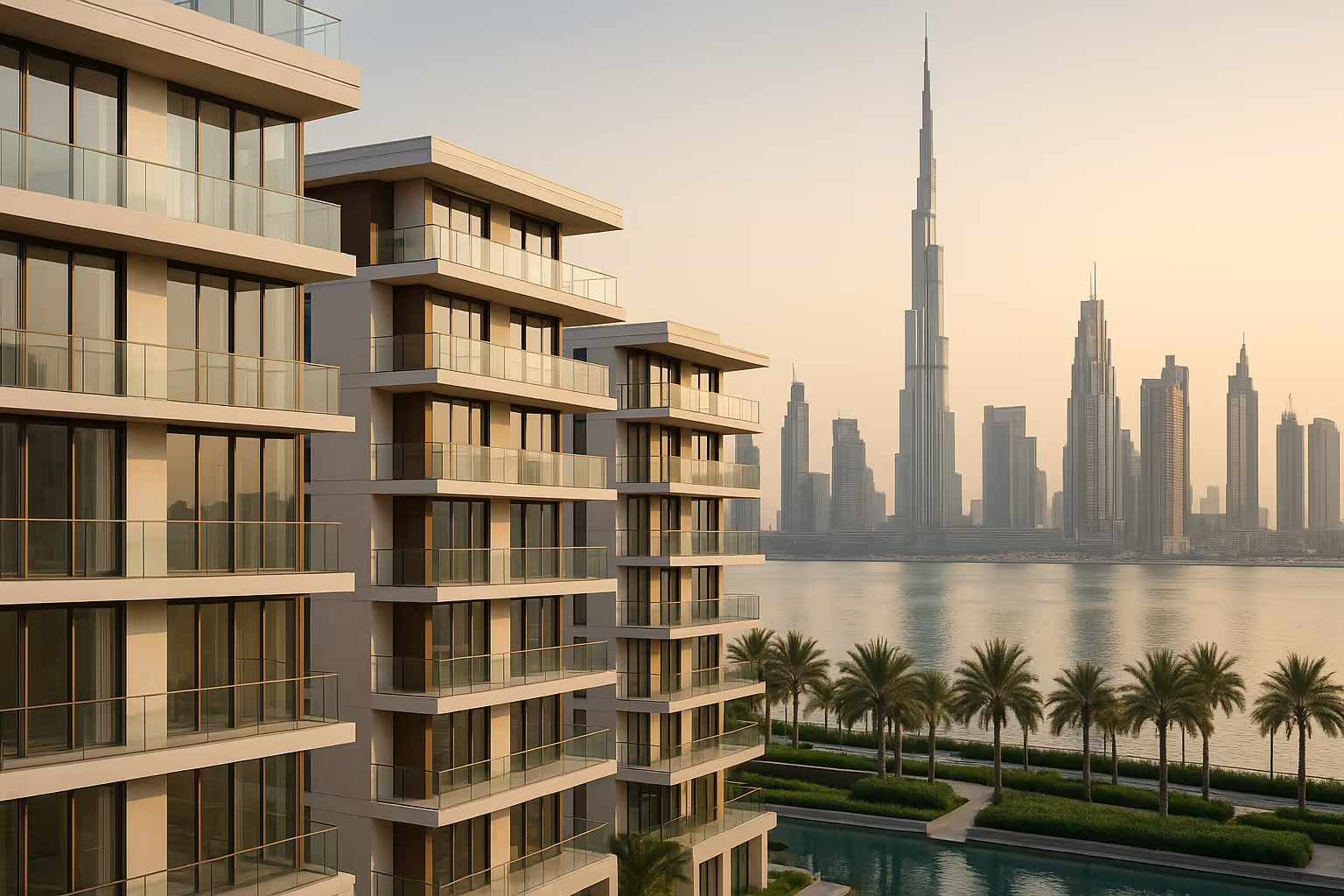
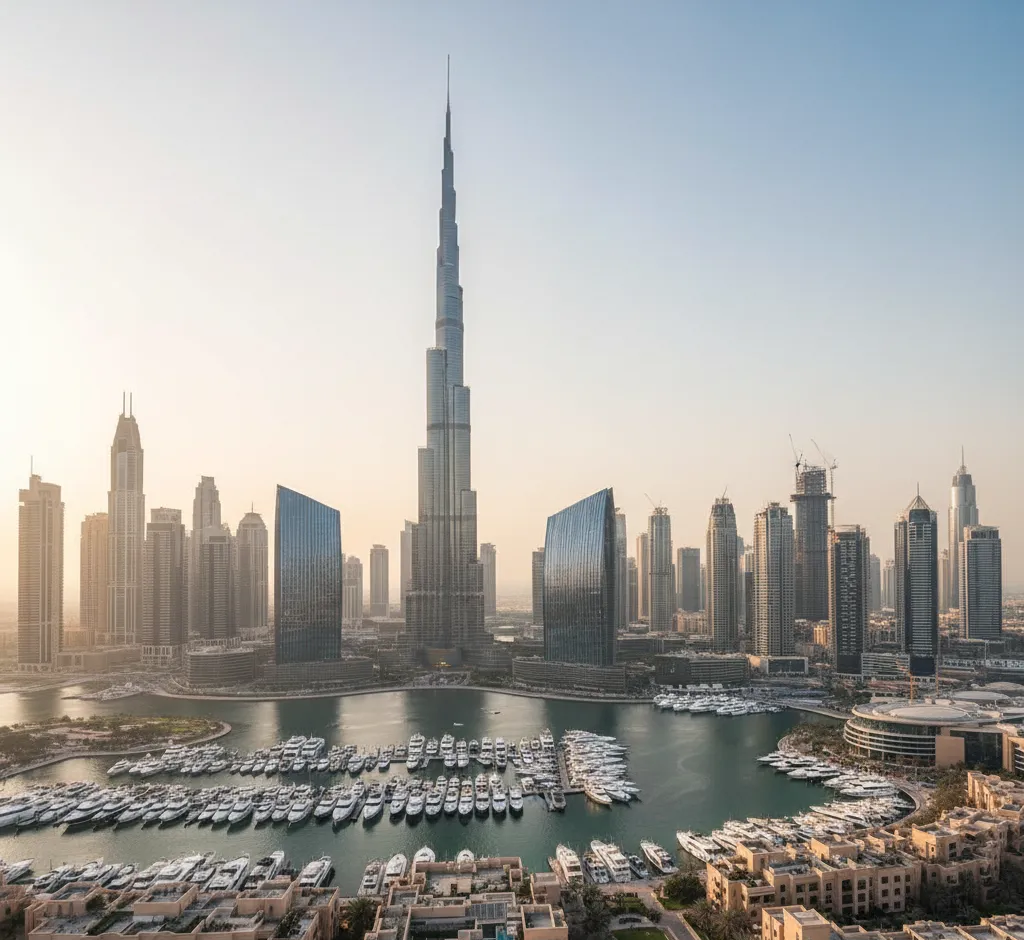
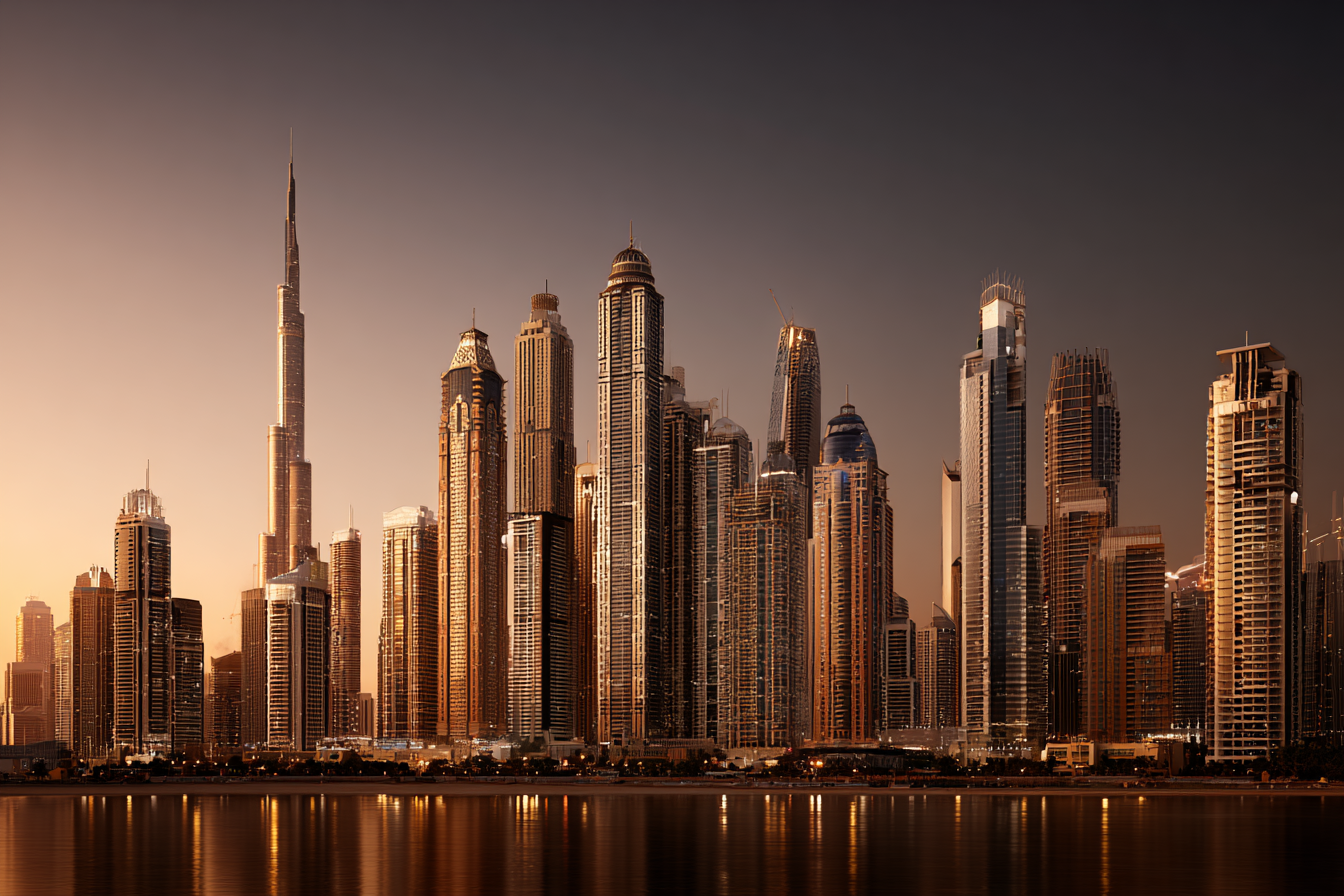
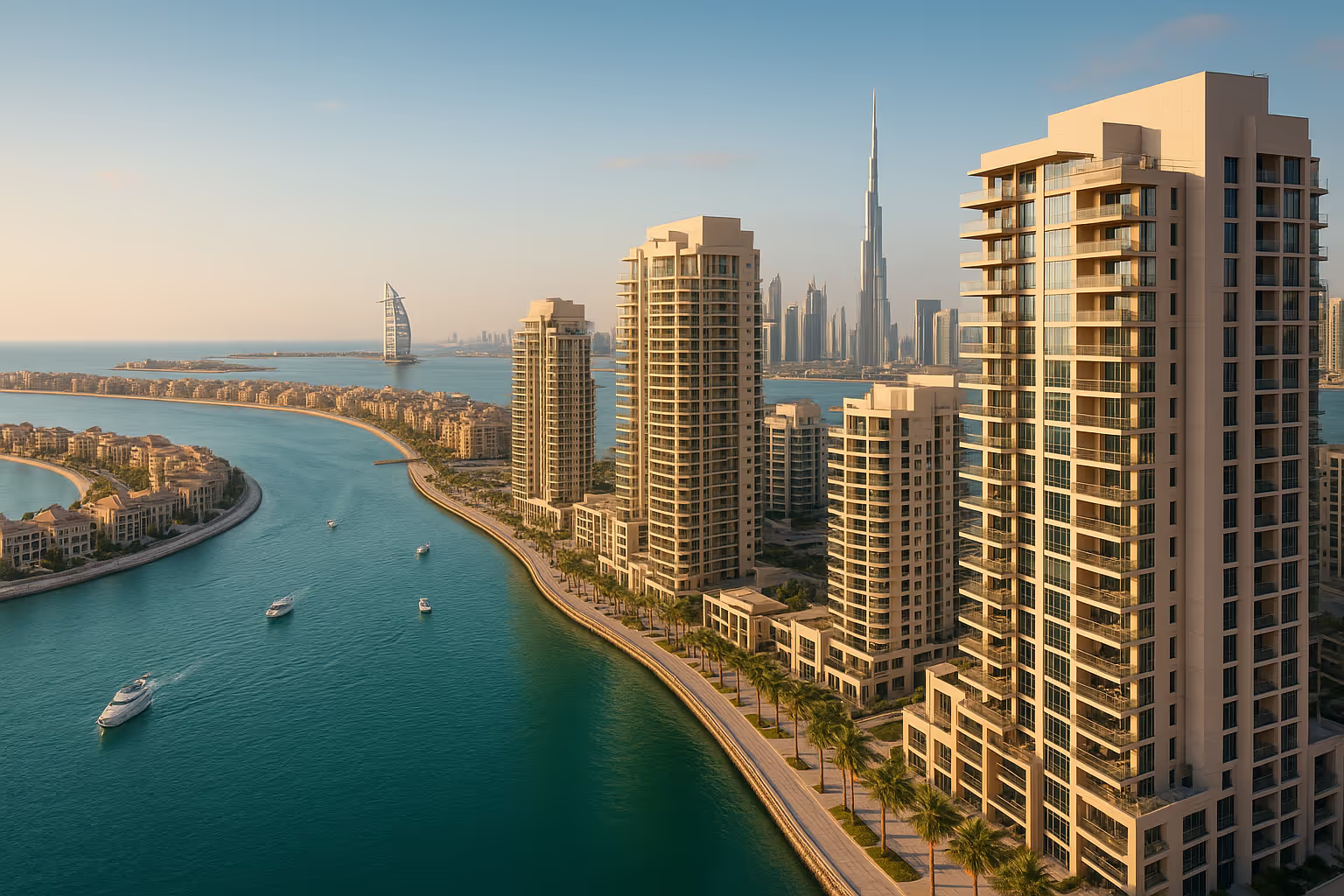
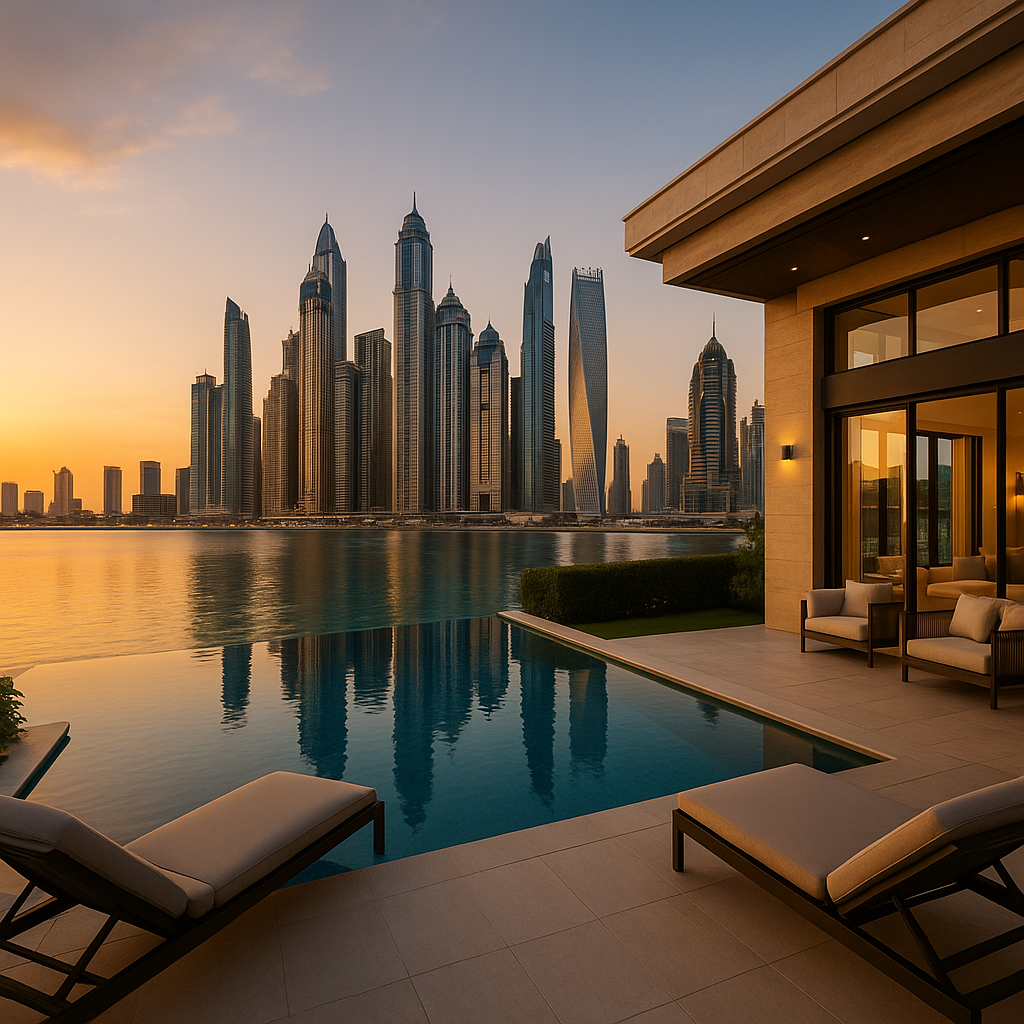
The real estate market in Dubai has undergone a tremendous transformation over the past few decades. Initially, Dubai was primarily known for its oil revenues, but these were only the mainstay of the economy for a short time. Today, the city's economy is primarily driven by tourism, international trade, and real estate. The latter has grown rapidly thanks to an increase in new construction projects and the government's desire to attract foreign investors. Dubai's skyline is literally filled with high-rise projects, iconic buildings, and luxury apartments.
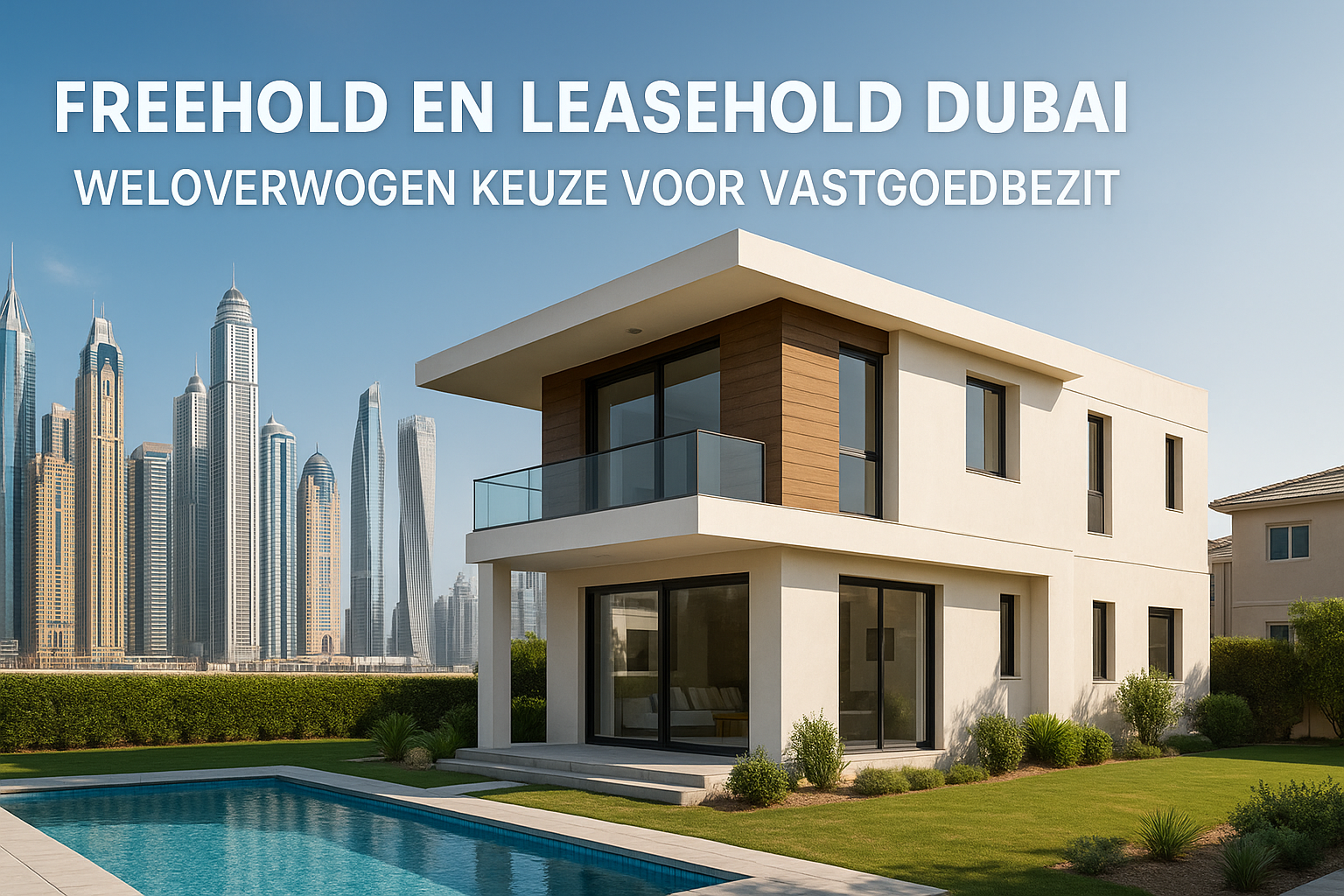
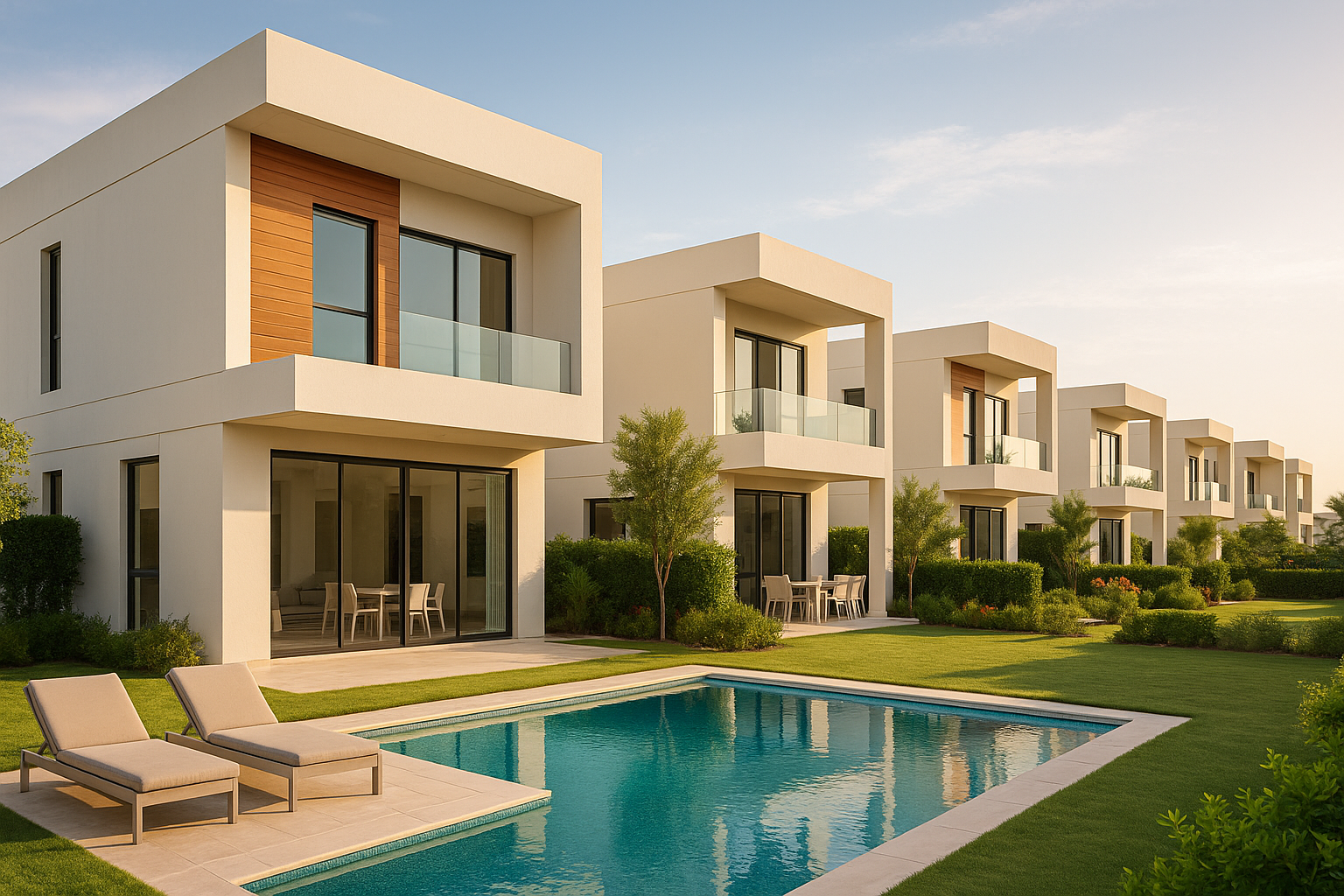
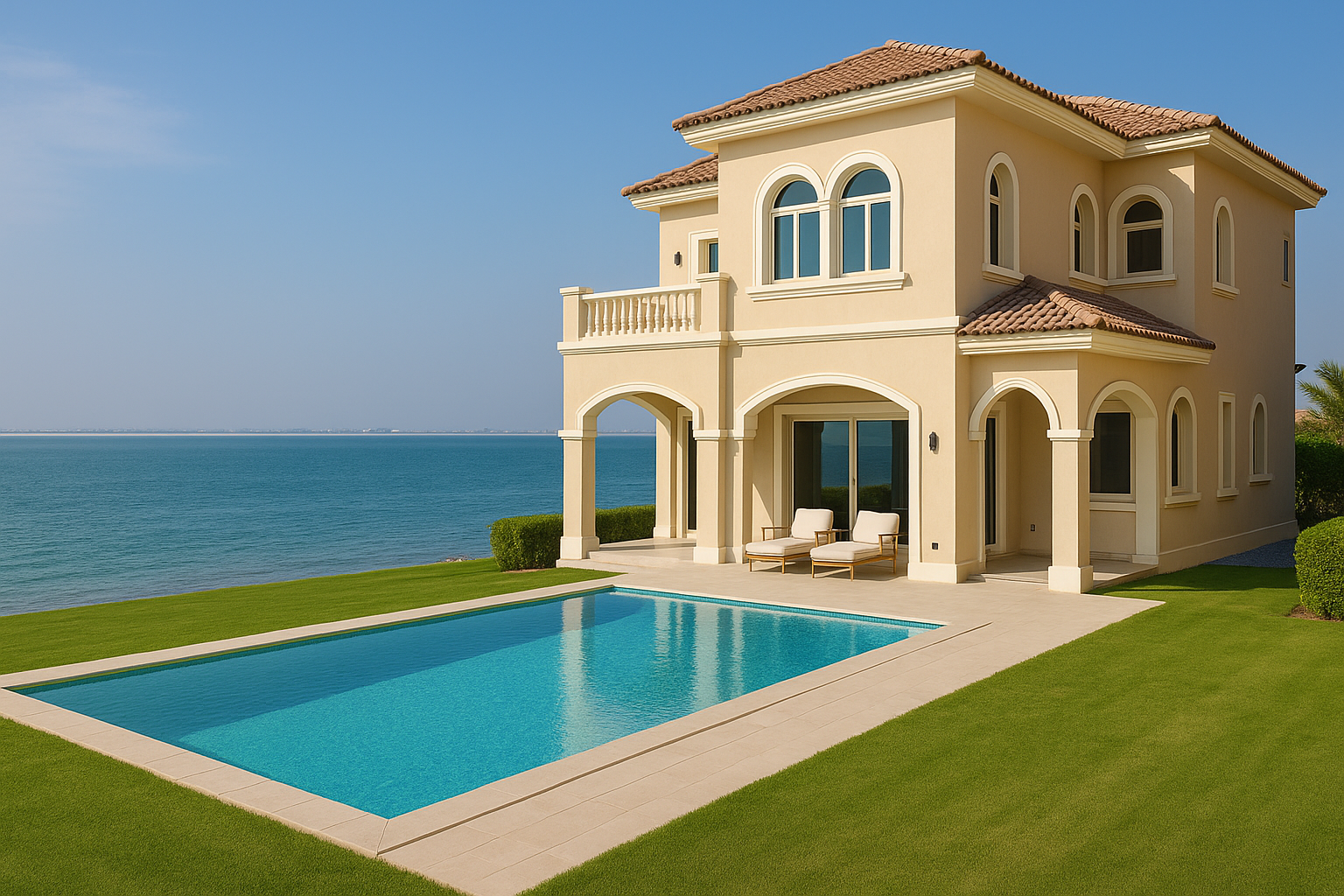
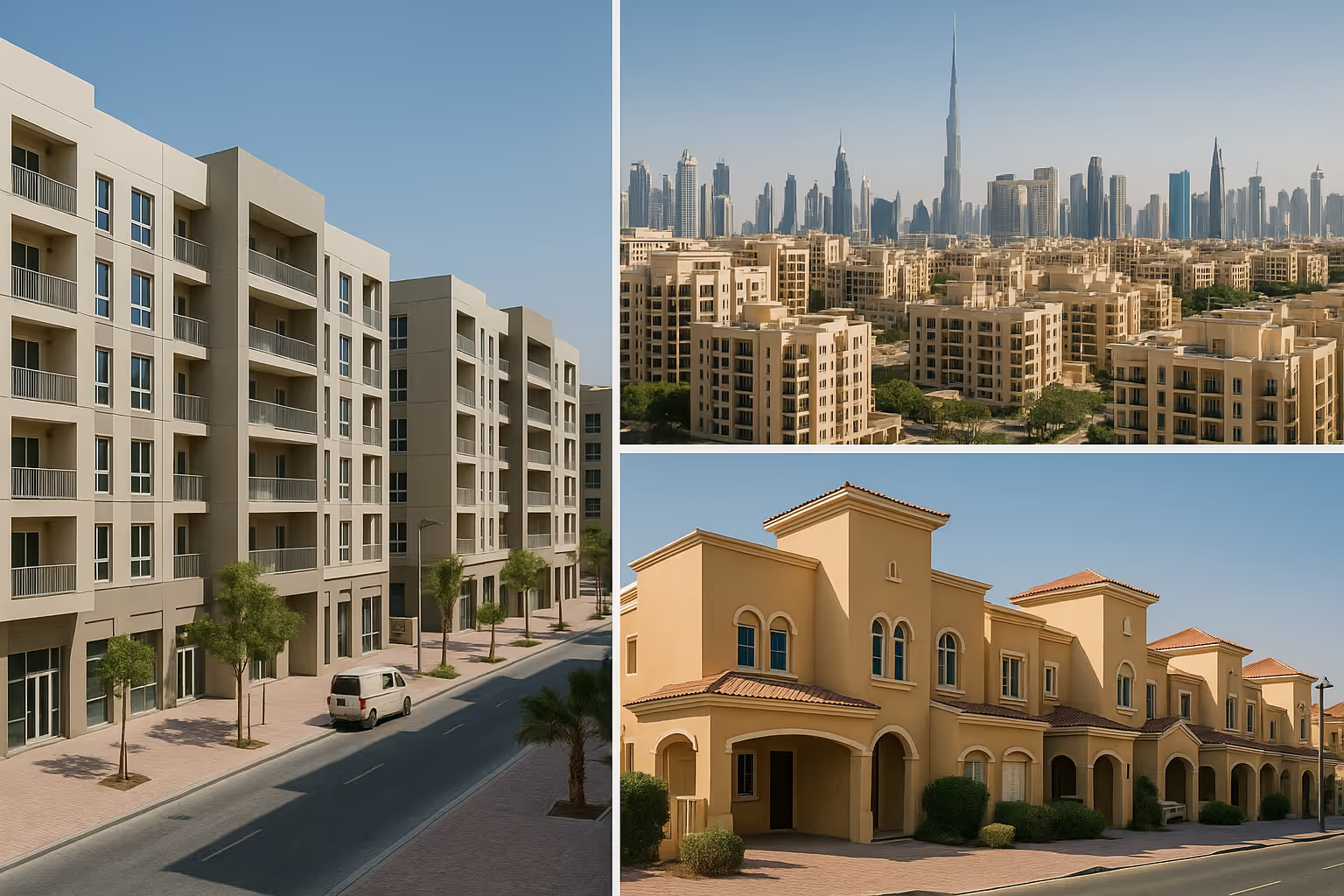
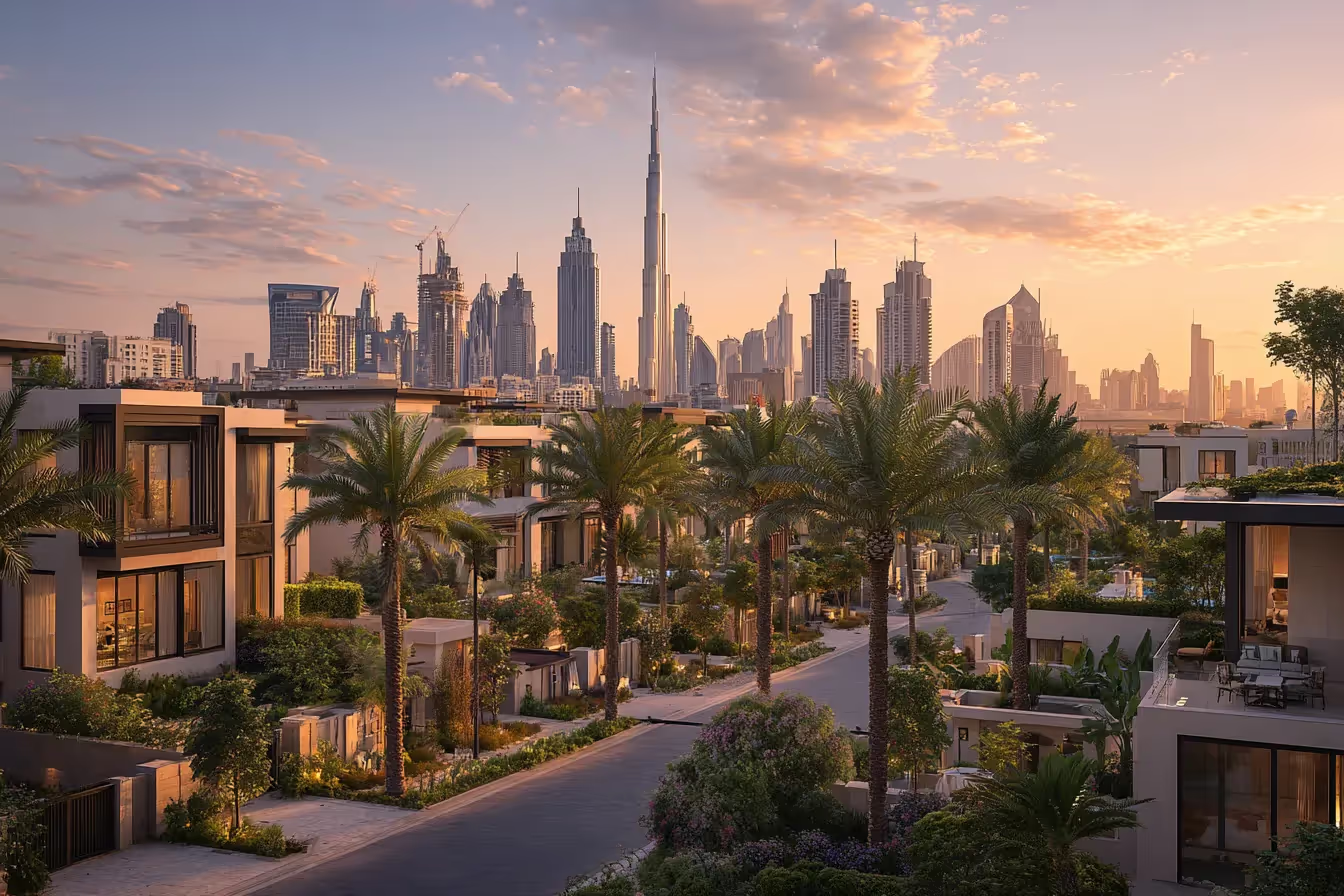
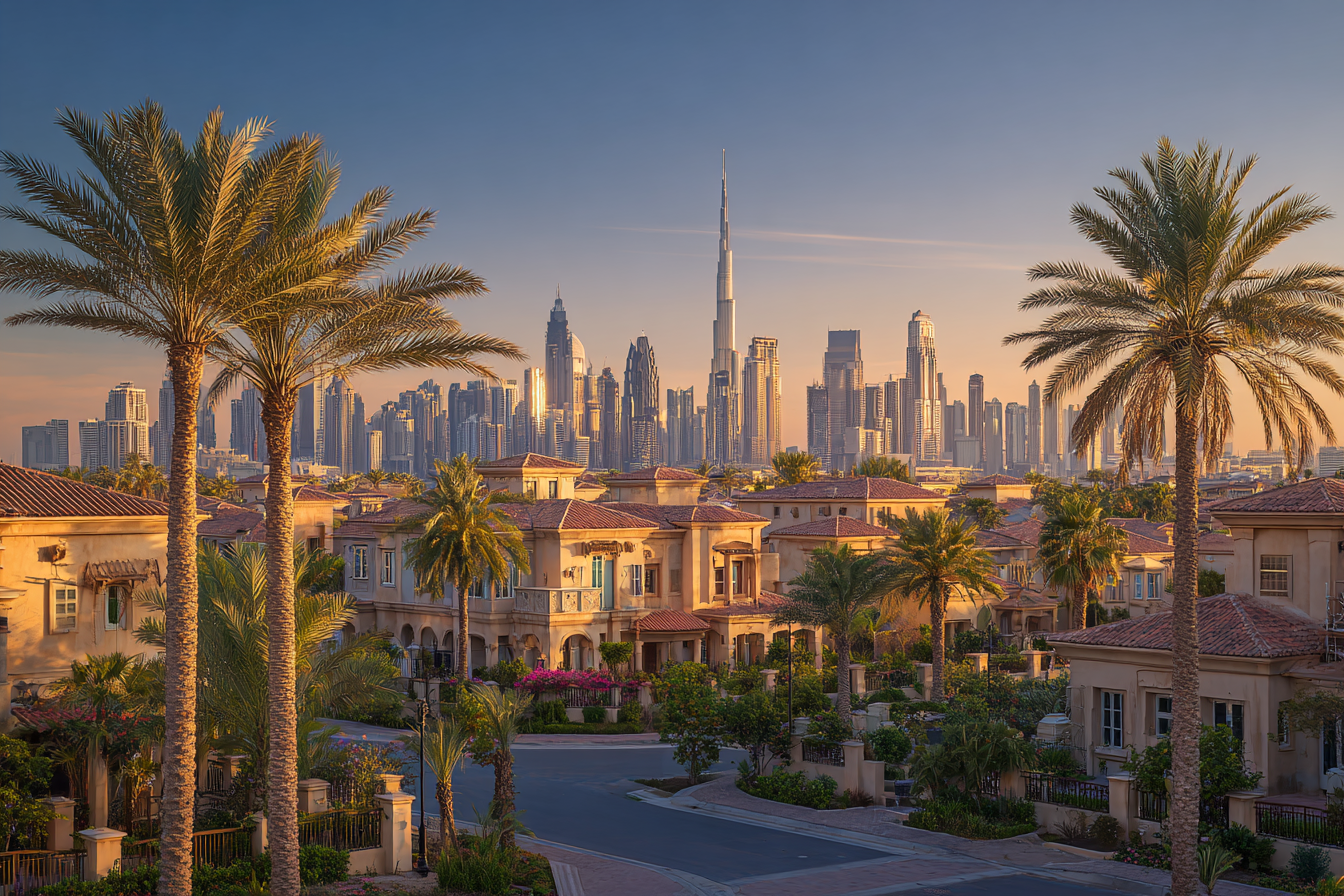
One of the most striking features of the Dubai property market is its diversity. You will find not only luxury penthouses in neighborhoods such as Downtown Dubai, but also more affordable apartments and villas in areas such as Jumeirah Village Circle and Dubai Sports City. There is a type of property to suit every target group. Expats who come to the city for work often choose apartments near the business district. Families who stay longer may look for a more spacious home in residential suburbs. Thanks to the wide variety, there is a constant flow of supply and demand.
The Dubai Land Department plays a crucial role in ensuring the stability and reliability of this market. This government agency registers all real estate transactions and provides insight into market information, such as information about property rights, purchase procedures, and price developments. This allows buyers and sellers to do business in a transparent manner. It also increases confidence when you know that there are official bodies monitoring the processes. This makes it easier to determine where the opportunities lie and how the market is developing.
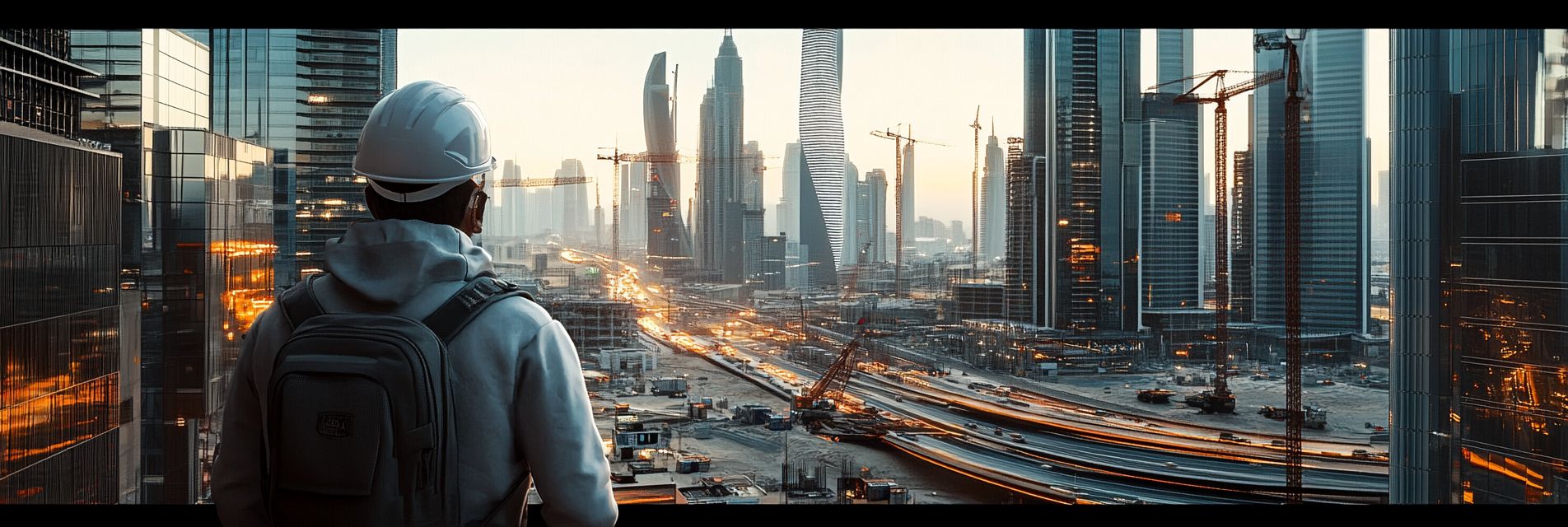
The growth of the real estate market in Dubai is no coincidence. The city council believes in large-scale projects and modern infrastructure. Examples include huge shopping centers, metro line extensions, and the construction of new roads and airports. All these factors stimulate the economy and attract both tourists and business people. In addition, international companies that establish themselves in the city create jobs, which increases the demand for housing. It is therefore a vicious circle of growth, investment, and further development.
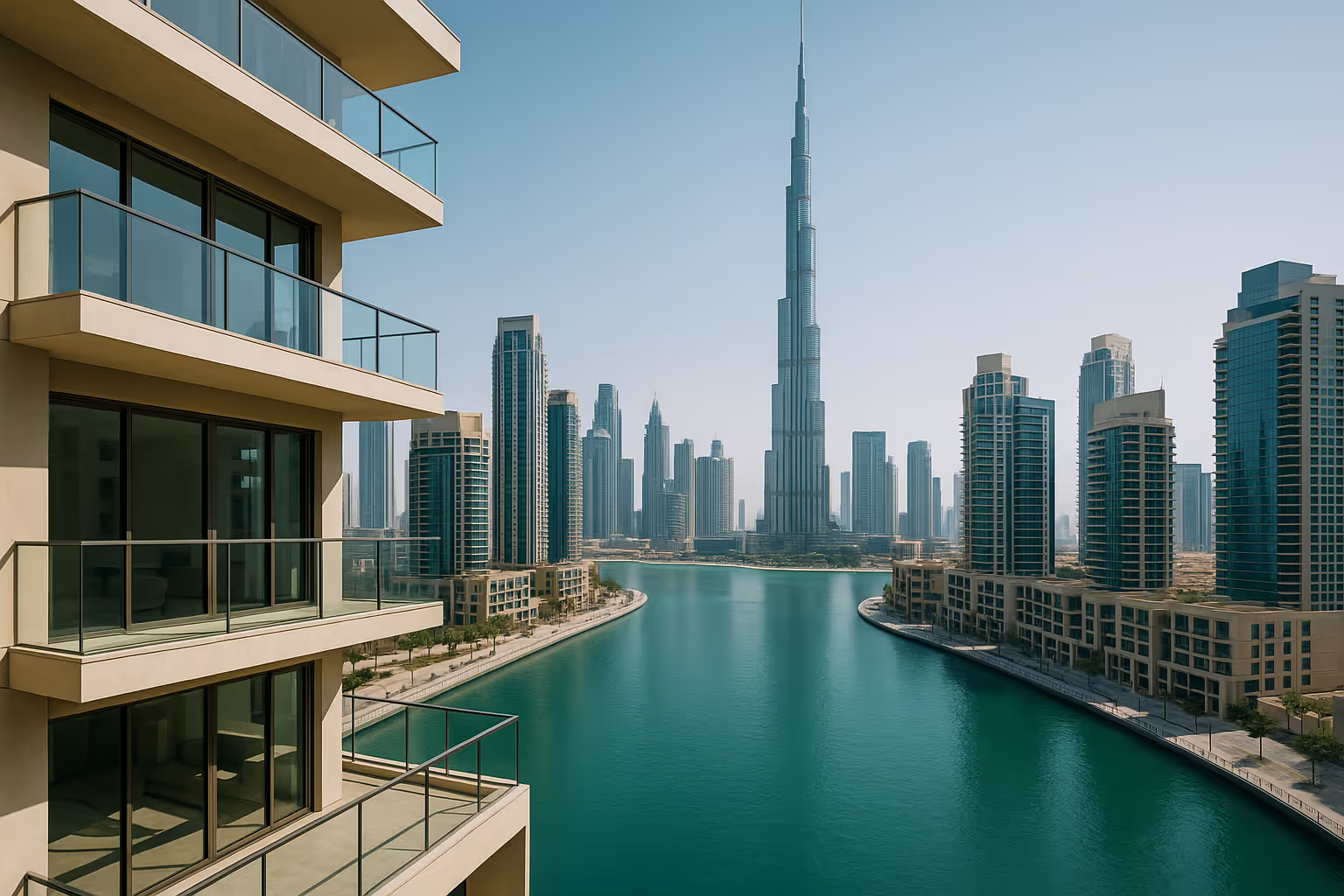
If you look at the market in terms of price and return, you will see that some neighborhoods have higher rents and average purchase prices than others. Luxury locations close to the beach or major business centers, such as Dubai Marina or Business Bay, generally have higher prices. However, these areas also offer strong potential returns if you have the right timing and negotiation strategy. The market is full of opportunities, but it is important to zoom in on the specific neighborhood or project you want to invest in.
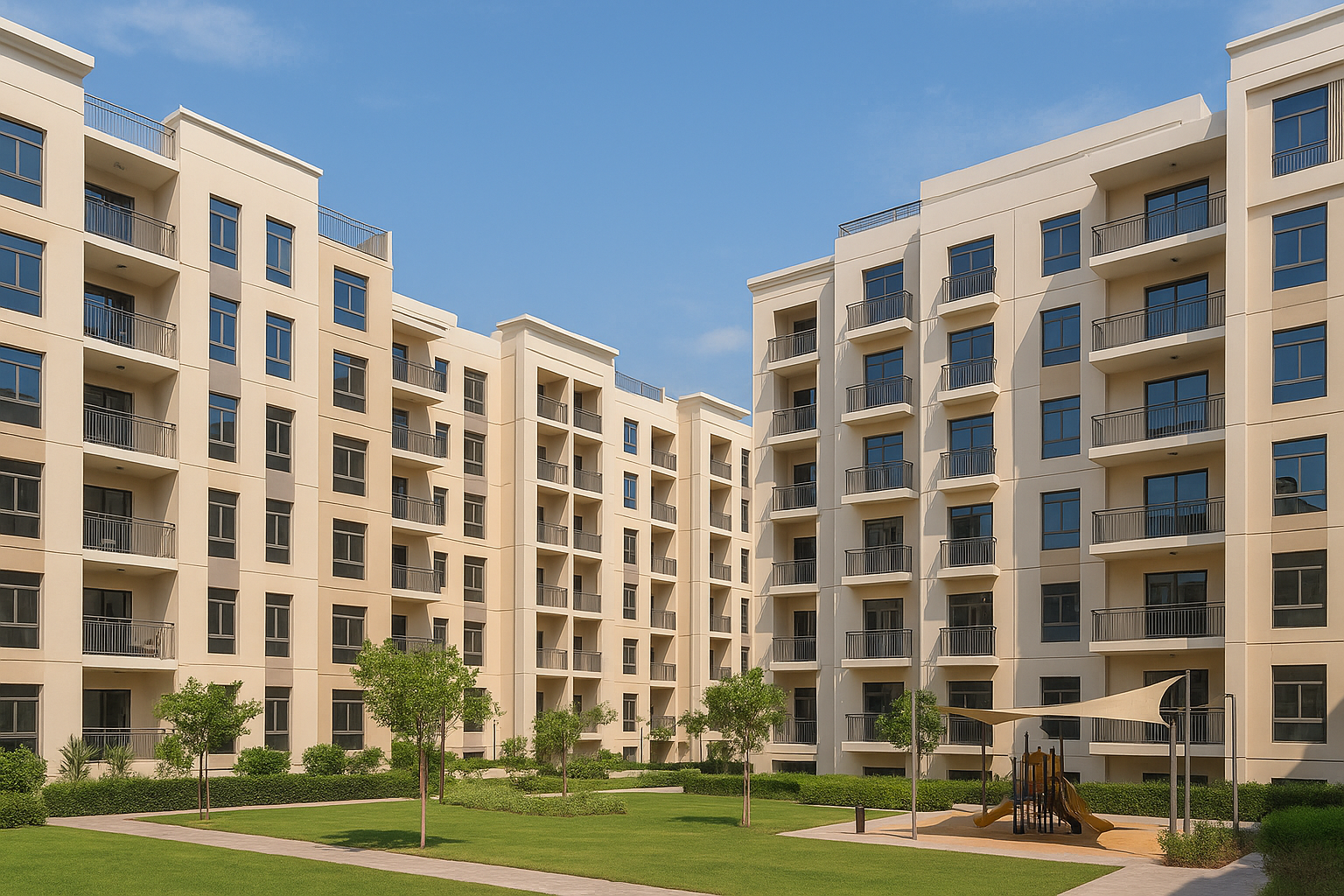
For some buyers, purchasing a property in Dubai is not only an investment, but also a way to stay in the city. Dubai offers various types of visas for homeowners, depending on the value of the property and the conditions set by the government. This can be an additional motivation for policymakers and individuals to choose to invest in real estate in Dubai. After all, if you are there often to manage your investment, it can be nice to have a little more certainty about your residence status.
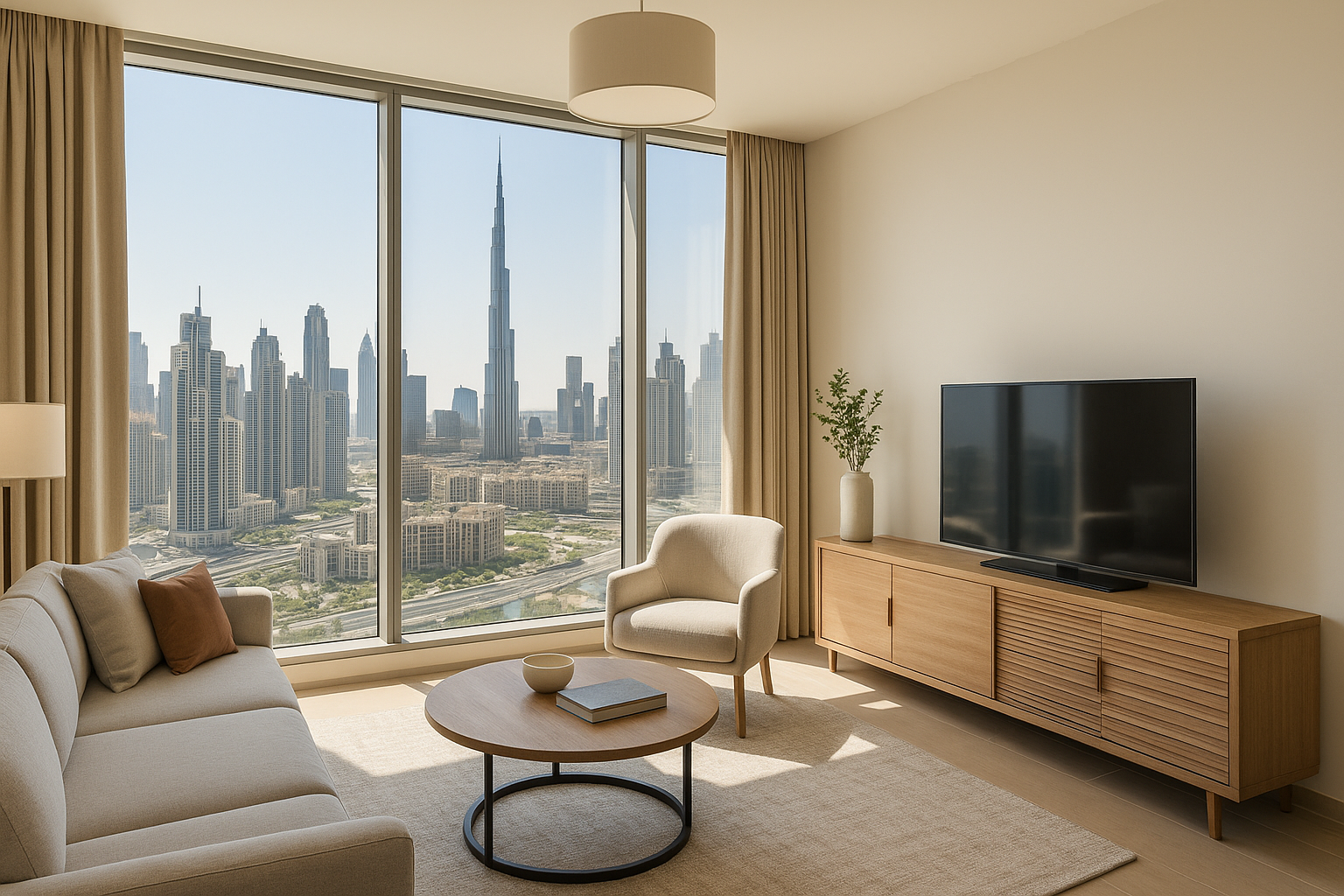
All in all, Dubai's real estate market is robust and diverse. It appeals to many types of investors, with varying budgets and objectives. Above all, it is a market that benefits from the progressive vision of the local government, innovative construction projects, and the ongoing development of infrastructure. These fundamental factors are likely to continue to drive growth for some time to come, certainly towards 2025 and beyond. There is a good chance that the current momentum will generate continued interest, making real estate investment in Dubai an attractive proposition for anyone looking for new opportunities.
Why invest in real estate in Dubai?
An important reason why people invest in real estate in Dubai is the favorable tax climate. In many countries, property owners pay property tax or many other additional costs. In Dubai, this burden is much lower, or sometimes even non-existent. This means that your net return can be higher, because you are not taxed on local property taxes. This allows you to keep more of your rental income or the value you create in the event of a sale.
In addition, Dubai's geographical location is an asset. The city lies at a crossroads between Europe, Asia, and Africa. As a result, the city is bustling with international trade and tourist activities. This creates employment opportunities, which in turn leads to demand for housing and a thriving real estate market. Business travelers and expats are flocking to the city, and these people want to live close to their workplace or popular hotspots. This ensures constant demand for new homes and apartments.
The political and economic climate is also a factor. Dubai is relatively stable compared to some other regions. The government encourages foreign investment, especially in free zones where foreigners are allowed to own property outright. In addition, there are special arrangements for investors with a certain minimum investment value. This stability and openness to foreign ownership increase the city's appeal as an investment destination.
There is also a strong vision for the future. Plans have been made that extend to the year 2040, with an emphasis on urban expansion and innovation. This means that the real estate sector will continue to grow and professionalize. New neighborhoods are being built, infrastructure is being expanded, and investments are being made in sustainability and modern design. This constant renewal means that new opportunities are always emerging in the market. By getting involved now, you could potentially benefit from that future growth.
For investors seeking stable returns, Dubai's real estate market offers interesting opportunities. According to multiple sources, such as Global Property Guide, the average rental yield is often higher than 5%. Compared to other major cities, where returns are sometimes lower, this is an attractive percentage. Especially when you consider the low or even non-existent property tax, this can be relatively favorable. It is important to take service costs and possible maintenance into account, but in many cases the return remains higher than that of European locations.
Another argument for why investing in real estate in Dubai is attractive has to do with the flexibility of the market. Buyers can rent out the property later or resell it after it has increased in value. Downtown Dubai, Dubai Marina, and other well-known areas are known for their rising popularity. In a market environment that continues to evolve, there are opportunities to buy, renovate, or focus on short-stay rentals for tourists. Of course, there are also investors who stay in Dubai periodically themselves and rent out their apartment for the rest of the year. This way, a property can not only generate income, but also serve as a practical base.
The overall quality of life in Dubai is high. There are many amenities, from large shopping malls to excellent healthcare. The weather is warm and sunny, which attracts many tourists. Crime is low, and the city is known for its cleanliness and safety. All of this contributes to a positive image, which can reassure investors and attract residents. People want to live in a city that is safe, modern, and prosperous. As a result, real estate in Dubai can maintain stable demand fairly easily.
All in all, it comes down to a combination of factors: stability, favorable taxes, strong international appeal, and a government-supported vision for the future. These elements make real estate investment in Dubai an option worth serious consideration, especially if you are looking for a market with potential for growth and attractive returns. However, it is always wise to do thorough research or seek advice from experts so that you make the right choices that fit your investment strategy and financial situation.
Current real estate trends in Dubai 2025
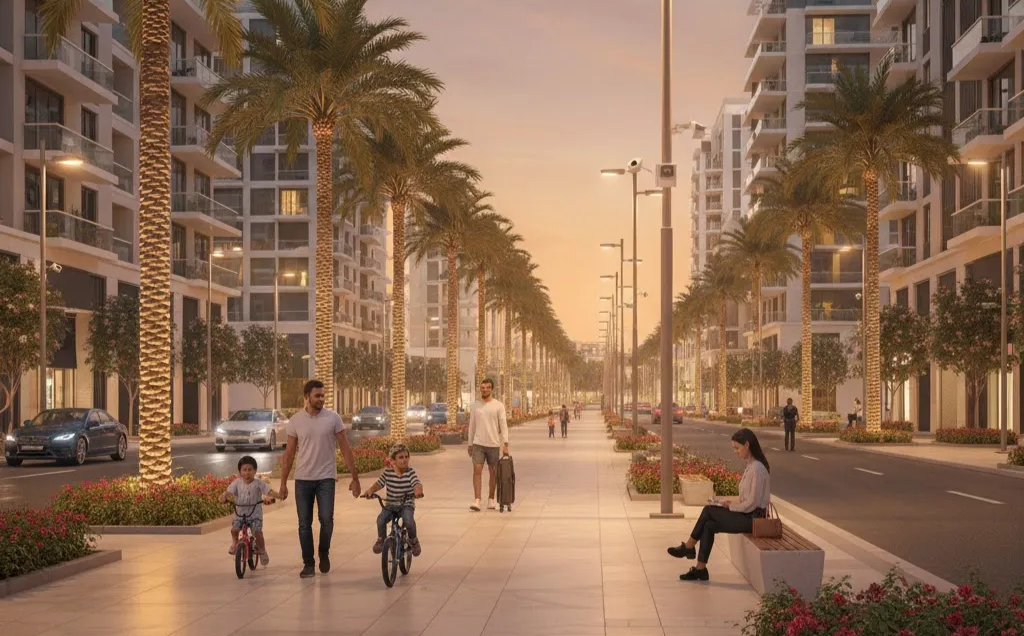
The real estate market in Dubai is experiencing a lot of movement and innovation. According to various analysts and reports, new trends will become apparent around 2025. The first trend is the further development of mixed residential and commercial projects. These are projects that combine offices, shops, and homes. The idea behind this is that people can live, work, and relax in one location. This promotes a community atmosphere and sometimes reduces the need for long commutes.
A second trend concerns the shift from the rental market to the owner-occupied market. Recent articles in Gulf News show that more and more people who were previously renting now want to buy. The reason for this is that mortgage interest rates are relatively favorable and that the increase in value in certain areas can be attractive. Many potential buyers see that renting in popular neighborhoods can be expensive and decide to invest that money in their own home instead. This creates extra demand on the buyer side, which affects prices.
Another notable trend is the rise of sustainable construction. Project developers are trying to respond to the global demand for green and energy-efficient buildings. This means that new construction projects are increasingly being equipped with solar panels, water-saving systems, and high-quality insulation materials. Such sustainable projects are encouraged by the government and can be attractive to investors who want to reduce their ecological footprint. In addition, buyers are sometimes willing to pay extra for a future-proof home.
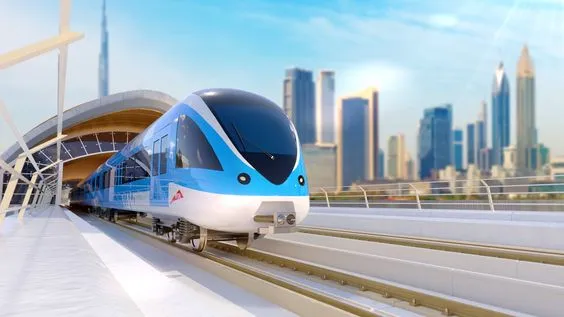
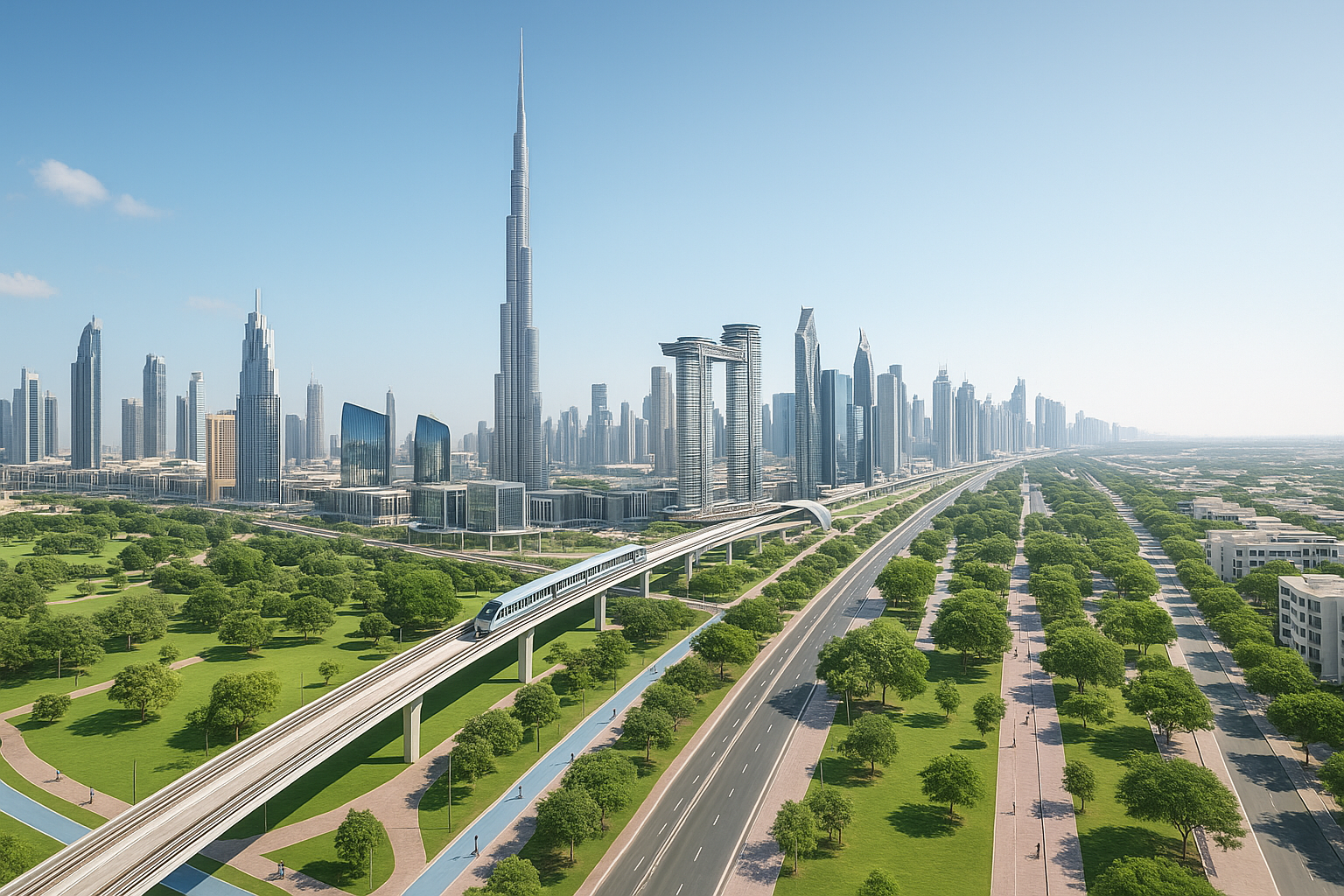
By 2025, infrastructure projects in Dubai will have been further developed. Construction work is constantly underway on metro lines, roads, and bridges to improve mobility. Think of new metro lines connecting important residential and working areas. This makes some neighborhoods particularly attractive because they become more accessible. Historically, real estate prices rise in areas close to public transport locations, because people save on travel time and find such neighborhoods practical.
Another trend is the establishment of international companies. They open branches in Dubai because of its favorable location and the government's pro-investment policy. As more multinationals arrive, this brings with it the necessary expats. Expats will often look for a home that meets certain comfort and proximity criteria, often in modern neighborhoods. As a result, new real estate projects can quickly fill up or increase in value. In addition, this international influx stimulates the middle class and the demand for medium-sized apartments and homes.
We also see that the market in 2025 is likely to be less volatile than in previous years. Whereas house prices could fluctuate significantly in the past, there is now greater stability. The government has introduced various regulatory measures to prevent a major bubble from forming in the real estate sector. More data is also being made public, which means investors are better informed and can make more rational decisions. Transparency ensures a more balanced market with less extreme fluctuations.
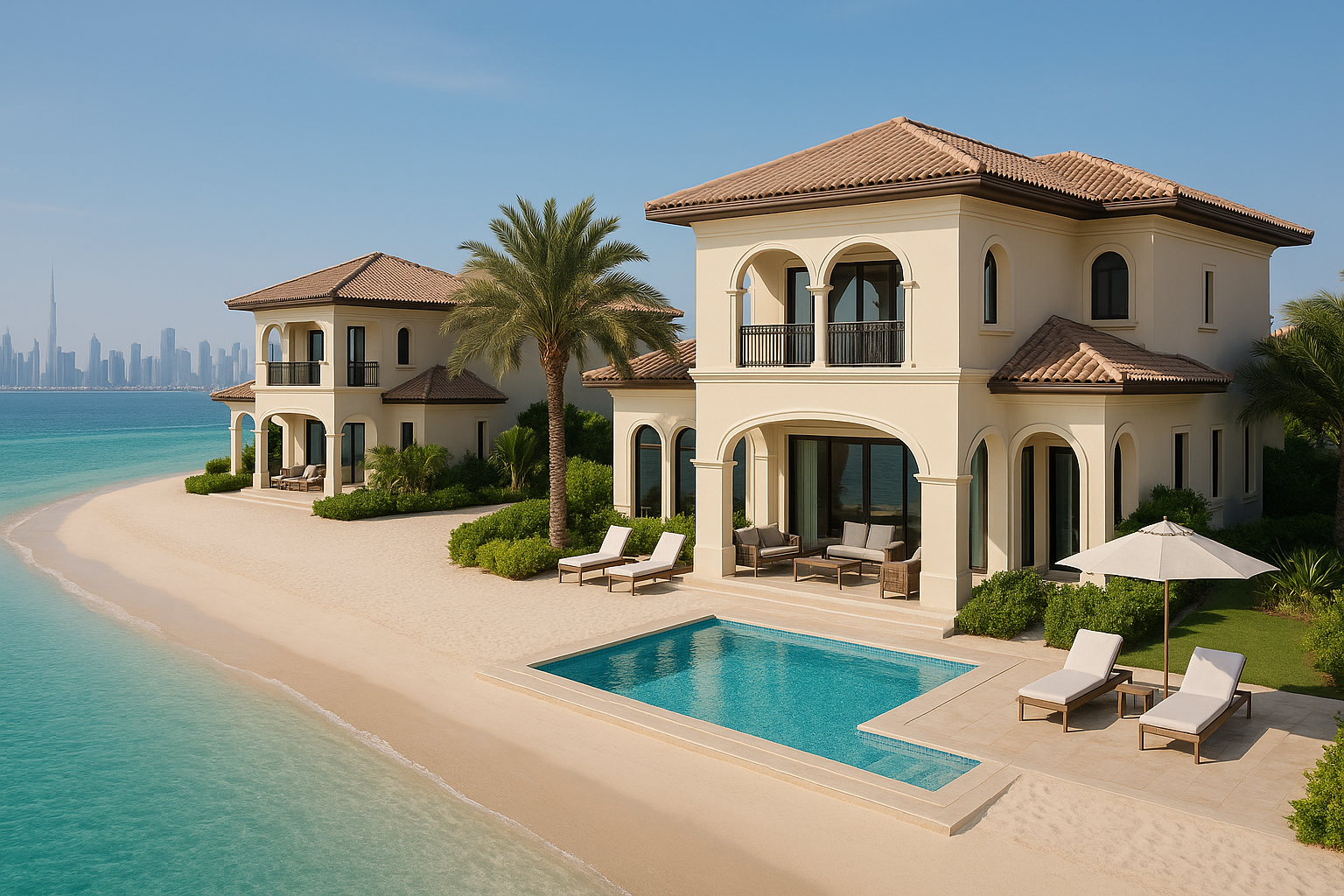
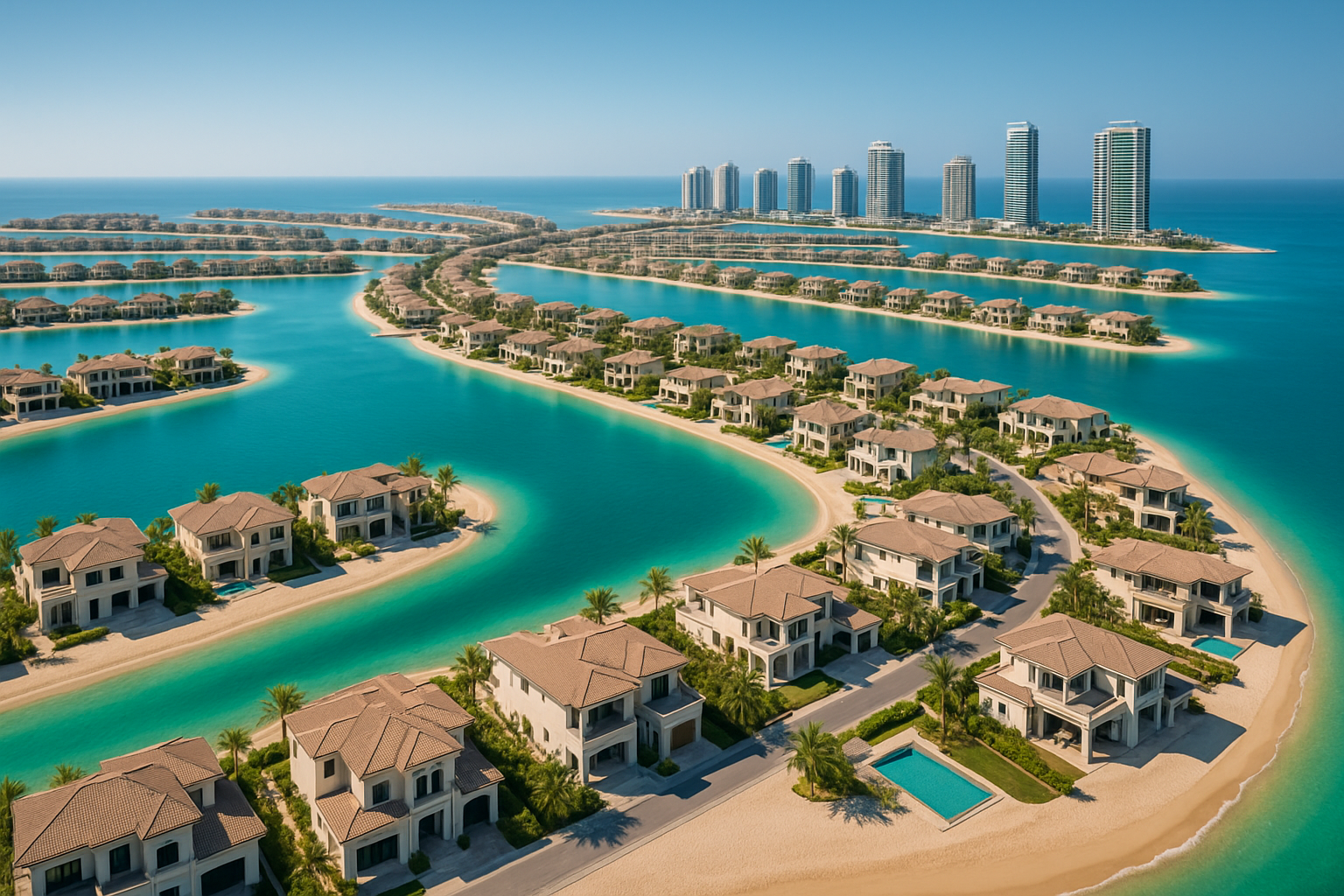
When evaluating trends, it is useful to look at specific neighborhoods. Areas such as Dubai Marina, Downtown Dubai, and Palm Jumeirah remain popular for those seeking luxury. Meanwhile, areas such as Jumeirah Village Circle and Dubai South are growing in popularity among people looking for affordability. This is increasing diversity within the city. This offers opportunities for a wide variety of investors: from high-end to middle class and even the budget segment. The wide range and scale of construction projects are unique compared to other cities.
All these trends show that the market remains in flux. Investing in real estate in Dubai therefore requires an eye on developments in infrastructure, sustainable construction, international migration flows, and government policy. By combining these factors, you can develop a strategy that aligns with the city's vision for the future. Know where major projects or business parks are located, and take into account the possibility of further changes in legislation and regulations. This will enable you to anticipate the needs of future residents looking for a home.
Returns and investment opportunities
One of the biggest attractions of investing in real estate in Dubai is undoubtedly the prospect of a solid return. According to Global Property Guide, the average rental yield in Dubai can be higher than in many Western cities. For some locations in the city, gross yields of 5% or more are reported, and in sporadic cases even higher. For investors, this can mean that you can recoup your investment relatively quickly, provided you take all costs into account.
Not only does the rental market offer opportunities, but there is also the possibility of an increase in value upon resale. If a neighborhood becomes increasingly popular, or if new amenities are added (such as a new shopping center or metro line), this can drive up the sale value. Buying early in an up-and-coming neighborhood can make a big difference. Take, for example, neighborhoods that used to have few buildings but are now seeing lots of new projects get off the ground. A well-chosen apartment or villa can increase significantly in value in just a few years.
One aspect you should not forget is cost control. Consider the service charges that property managers may charge, the costs of any maintenance, and the risks of vacancy. In Dubai, vacancy is sometimes less of a problem than in other markets, thanks to the constant influx of new residents. Nevertheless, it is possible that your apartment may occasionally be vacant, especially during seasons when demand is lower. Be aware that every real estate project has its own characteristics: location, amenities, year of construction, state of maintenance. These factors determine whether you can present an attractive offer in the rental or sales market.
A good strategy for those interested in Dubai real estate returns is diversification. Instead of putting all your capital into one project, you could spread it across multiple locations or different types of real estate. For example, a luxury apartment in the marina area and a more affordable studio closer to a new metro line. By spreading your investments in this way, you are less dependent on the performance of one specific neighborhood. In addition, you can benefit from diverse rental profiles, attracting tourists and business travelers in one neighborhood and families or young professionals in another.
In addition to long-stay rentals, short-stay or vacation rentals can also be lucrative. After all, Dubai is a popular destination for business events, conferences, trade fairs, and, of course, tourism. Some investors choose to offer their apartments through vacation rental sites, which often yields a higher rental return per night. However, this does come with more intensive management, as more frequent maintenance and cleaning are required. You also need to take into account the rules surrounding short-term rentals, which can be stricter in some locations.
For those in the market for commercial real estate, such as offices or retail properties, Dubai may also be of interest. The city is home to countless businesses, some of which are looking to open offices in up-and-coming neighborhoods. Shopping centers attract both residents and tourists, and certain areas are ideal for business activities. Demand for specific types of commercial real estate may increase as the economy continues to grow. The infrastructure plan for 2025 and 2040 plays a role in this, as new connections can bring additional traffic (and customers) to certain areas.
Investing in Dubai's real estate market is not entirely without risk. Global economic fluctuations can also affect Dubai's economy. However, recent years have shown that the city is resilient and recovers quickly. Stricter regulations also reduce the risk of market overheating, as the government intervenes in a timely manner and promotes transparency. All in all, returns are still attractive for many investors, especially when compared to some other major international cities. However, always consider your own financial capacity and goals before deciding where and when to invest.
Practical steps for investing in real estate in Dubai
For those who are serious about investing in Dubai real estate, it starts with thorough research. Read up on the different neighborhoods and, if necessary, seek advice from local real estate agents or other professionals who know the city. Online platforms and websites specializing in the Dubai property market can give you an initial impression of current prices and supply and demand ratios. Look at trends in recent years and try to predict whether a particular location will increase in value.
It is also wise to determine your budget and investment strategy in advance. Are you buying real estate purely to rent out, or do you want to live there yourself later? How long do you want to hold on to the property? These questions are important in determining whether you opt for a luxury property in an expensive neighborhood or a middle-class apartment in a neighborhood with growth potential. Set clear goals before you start looking at properties, so you are not distracted by projects that do not fit your financial plan.
If you have a specific property or project in mind, an on-site inspection is recommended. Try to visit Dubai yourself and talk to locals, real estate agents, and possibly residents of the building. This will give you a feel for the atmosphere, the level of maintenance, and the amenities. Also check whether the neighborhood has good public transport connections and whether there are shops, schools, or hospitals nearby, depending on your target groups. A physical visit can reveal a lot that you cannot immediately glean from photos or brochures.
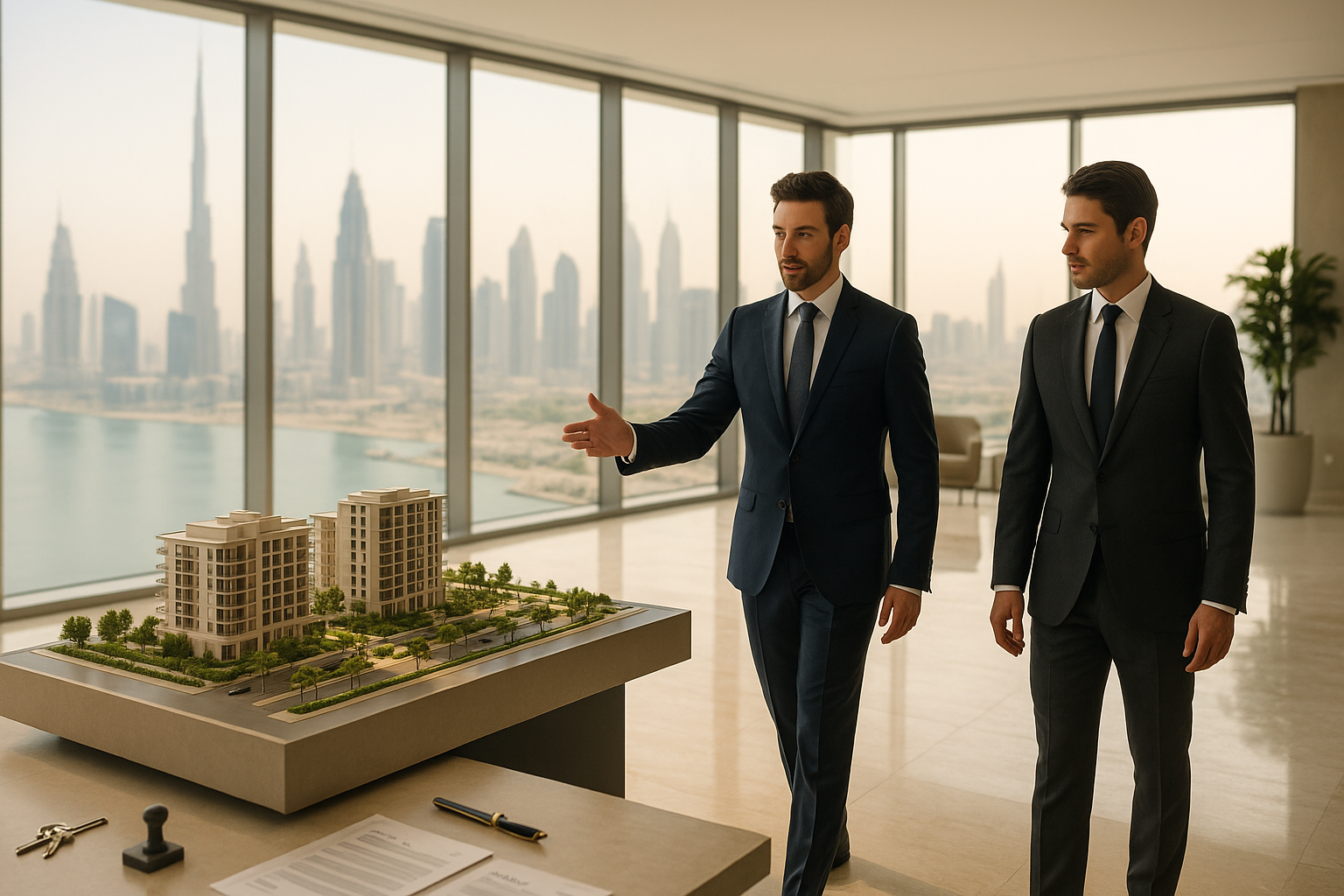
For the formal purchase process, you must take into account the requirements of the Dubai Land Department. Property transfers in Dubai are conducted through official channels, and there are registration fees and administrative costs that you must pay. Ensure you have the correct documents, such as a valid passport and any residence permits. Work with a reputable broker who has experience with foreign buyers. They can often help you draw up contracts and verify whether a project is legal.
Arrange financing in advance if you need a mortgage. In Dubai, there are banks that provide loans to foreigners, but the conditions may vary. Often, a higher down payment is required than in some Western countries, for example, 25% or more. Make sure you compare the mortgage costs and any interest rates between different banks. It can be worthwhile to request quotes and negotiate the terms, especially when it comes to larger amounts.
After the purchase comes the management of your property. You can choose a property management company to handle the rental and maintenance, or you can do it yourself. If you do not live in Dubai permanently, it is often more convenient to hire a local company. They will screen tenants, collect rent, and handle repairs. This saves time, but of course, it also costs money. Include this in your return calculations to get a realistic picture.
Finally, stay informed about new developments and legislation. The rules surrounding ownership and rental can change over time. New projects may also arise that make your neighborhood more attractive or, conversely, more competitive. By keeping an ear to the ground through news sources, real estate agents, and municipal websites, you can respond to trends and manage your real estate portfolio flexibly. This will increase your chances of a successful and sustainable investment in the Dubai real estate market.
Conclusion
Investing in real estate in Dubai is a topic that offers many opportunities for those looking for strong returns, tax benefits, and a dynamic development market. In a short period of time, the city has transformed itself into an important international hub for trade, tourism, and real estate. This growing metropolis offers a wide range of opportunities: from luxury properties on the coast to affordable apartments in quieter neighborhoods. The stable political climate, tax advantages, and the government's progressive vision ensure that Dubai's popularity as an investment destination remains high.
Thanks to the role played by the Dubai Land Department and other government agencies, the market has also become more transparent. Accessibility for foreign buyers in free zones makes it easier for non-residents to invest in residential or office space. All of this increases the likelihood of a stable return, especially when you take into account factors such as location valuation, infrastructure, and economic growth. Regardless of your experience with real estate, it can be rewarding to explore this market, provided you take a level-headed and well-considered approach.
Looking ahead to 2025, market dynamics are likely to remain positive. New infrastructure projects, Dubai's international appeal, and continued population growth are contributing to sustained demand for housing. Although there are always risks involved in investing in real estate, you can manage those risks with sufficient research and a well-thought-out plan. Listen to experts, read official sources, and keep an eye on important trends. With the right preparation and a long-term vision, you can take full advantage of this exciting real estate market.
FAQ
How much of my own money do I need to invest in real estate in Dubai?
Many banks in Dubai require a down payment of 25% to 35% of the purchase price, depending on your residency status and the type of project. You should also take into account registration fees and any notary fees.
As a foreigner, can I own property in Dubai?
Yes, this is possible in the free zones designated by the government. Outside these zones, the rules are stricter. Always check the official guidelines of the Dubai Land Department to see where you are allowed to buy as a foreigner.
Which type of real estate generates the highest rental income?
Location plays the most important role here. Luxury apartments in popular neighborhoods, such as Downtown Dubai or Dubai Marina, often have high rents. At the same time, newer residential areas with lower entry prices can also offer attractive returns, as demand is increasing.
Is sustainable construction important for my investment?
More and more project developers are focusing on sustainable construction. Homes with green features and energy-efficient facilities are considered more attractive by residents, which can increase potential value and rental prices.
How do I keep my investment profitable in the long term?
Stay informed about market developments, maintain your property well, and take into account any changes in legislation and regulations. It may also be wise to diversify across multiple projects to reduce your dependence on a single location.


.avif)
.avif)
.avif)


.avif)


.avif)
.avif)