
.svg)
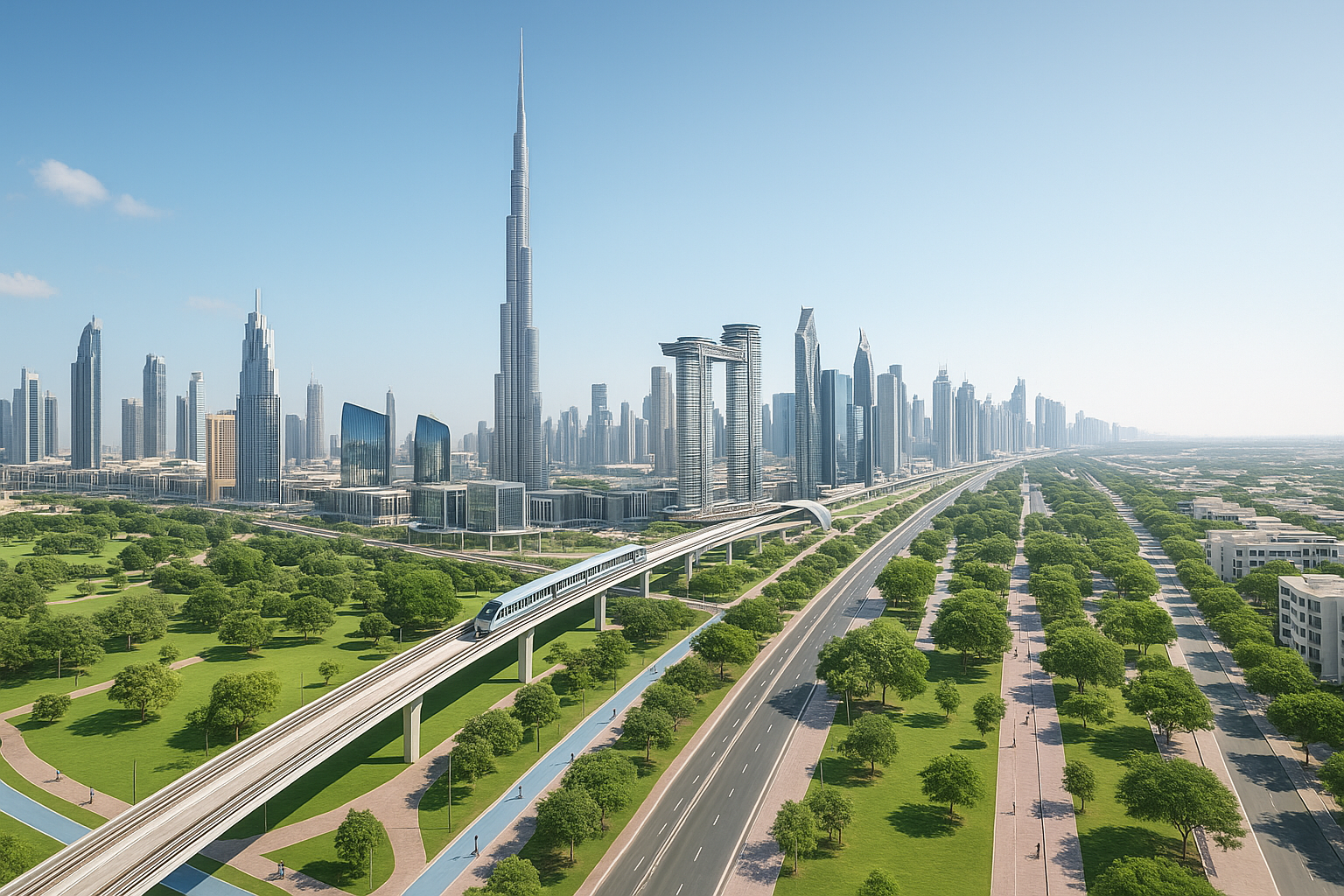


Dubai Urban Master Plan 2040: Het Pad naar een Duurzame en Slimme Toekomst
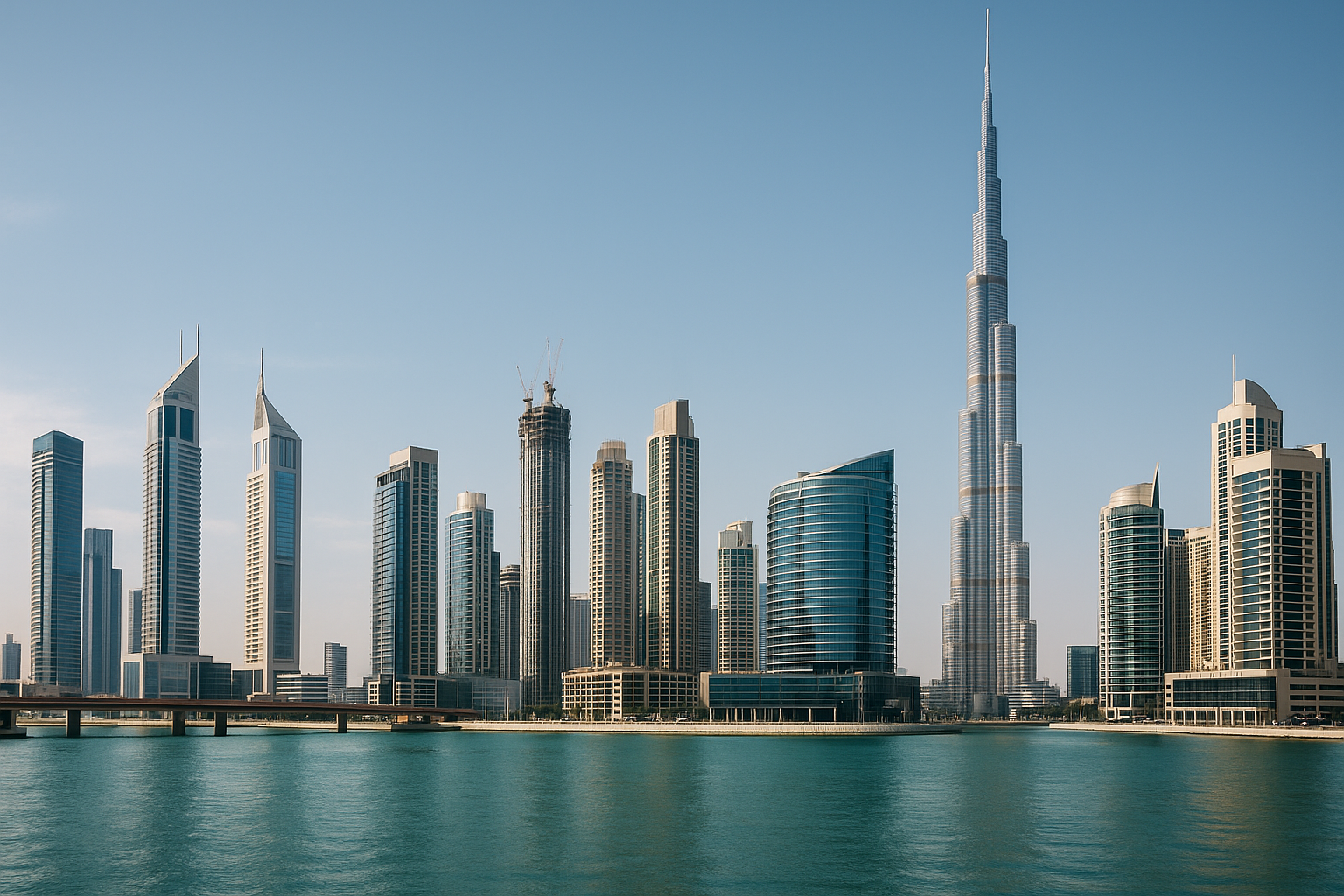
Dubai, een stad bekend om ambitie en snelle ontwikkeling, heeft opnieuw grootse plannen. Het onlangs gepresenteerde Dubai Urban Master Plan 2040 is een uitgebreid blauwdruk voor de groei en ontwikkeling van het emiraat in de komende twee decennia. Dit plan transformeert Dubai in een wereldwijd voorbeeld voor duurzaamheid, leefbaarheid en slimme stadioplossingen. Het gaat veel verder dan alleen uitbreiding; het vertegenwoordigt een strategische verschuiving naar een mens-gerichte, milieubewuste en economisch gediversificeerde stedelijke omgeving.
Een Visie voor Wereldwijde Stedelijke Excellentie
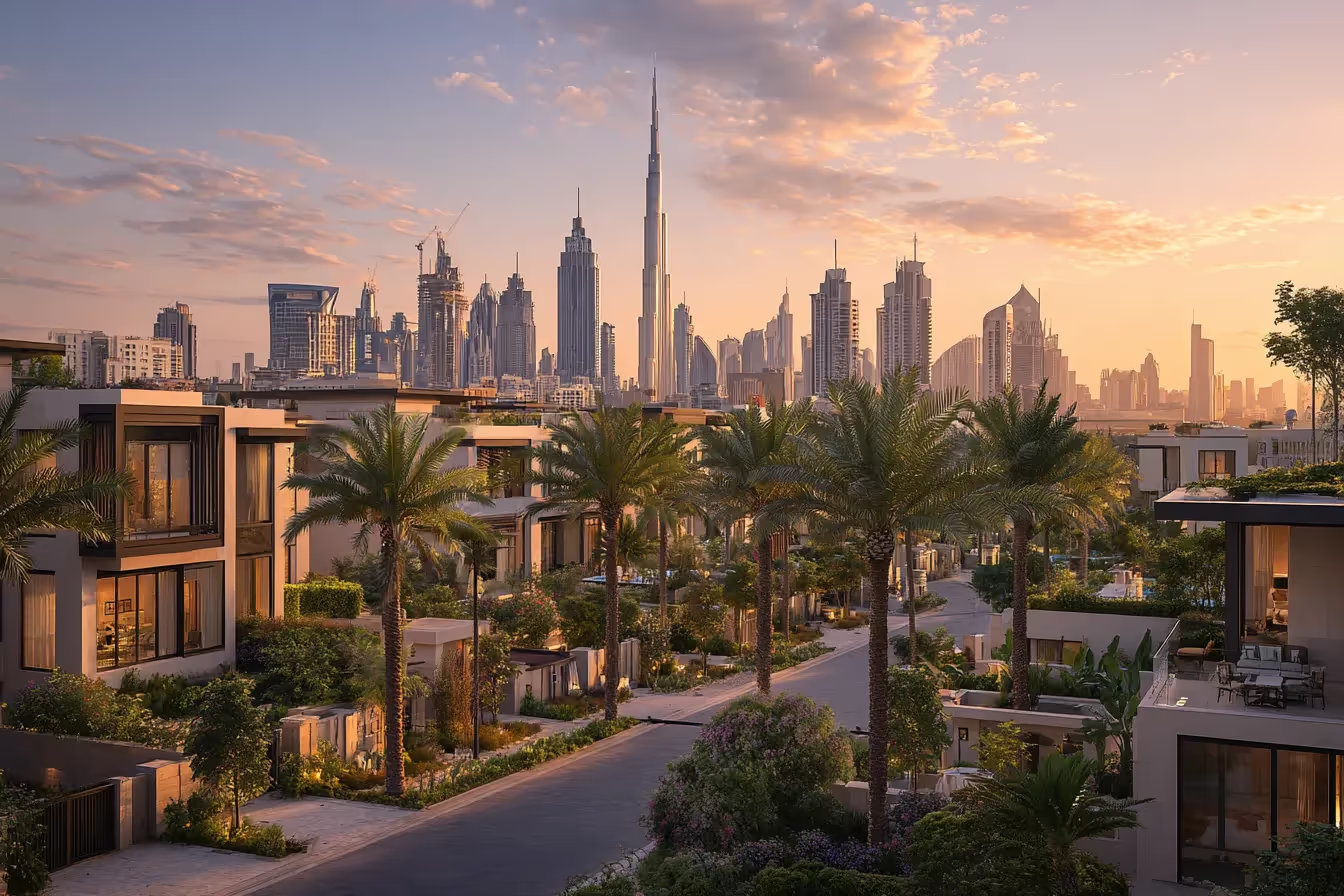
Het hart van het plan is de ambitie om Dubai te positioneren als wereldleider in duurzaamheid en slimme stadioplossingen. In 2040 beoogt Dubai een stad te zijn met uitgebreide groene ruimtes, aanzienlijk verbeterde vervoersnetwerken en gemeenschappen die voorbeeldig zijn voor inwoners, bedrijven en bezoekers.
Kernobjectieven: Pijlers van Transformatieve Groei
Het plan schetst acht objectieven, elk ontworpen om deze visie te verwezenlijken:
- Stedelijke gebieden upgraden: Modernisering van historische wijken (Deira, Bur Dubai) en ontwikkeling van nieuwe hubs (Expo City Dubai, Dubai Silicon Oasis).
- Efficiënt hulpbronnengebruik: Overgang naar hernieuwbare energie en optimalisering van gebouwen en vervoer.
- Levendige gemeenschappen ontwikkelen: Verdubbeling van groene gebieden met inclusieve voorzieningen.
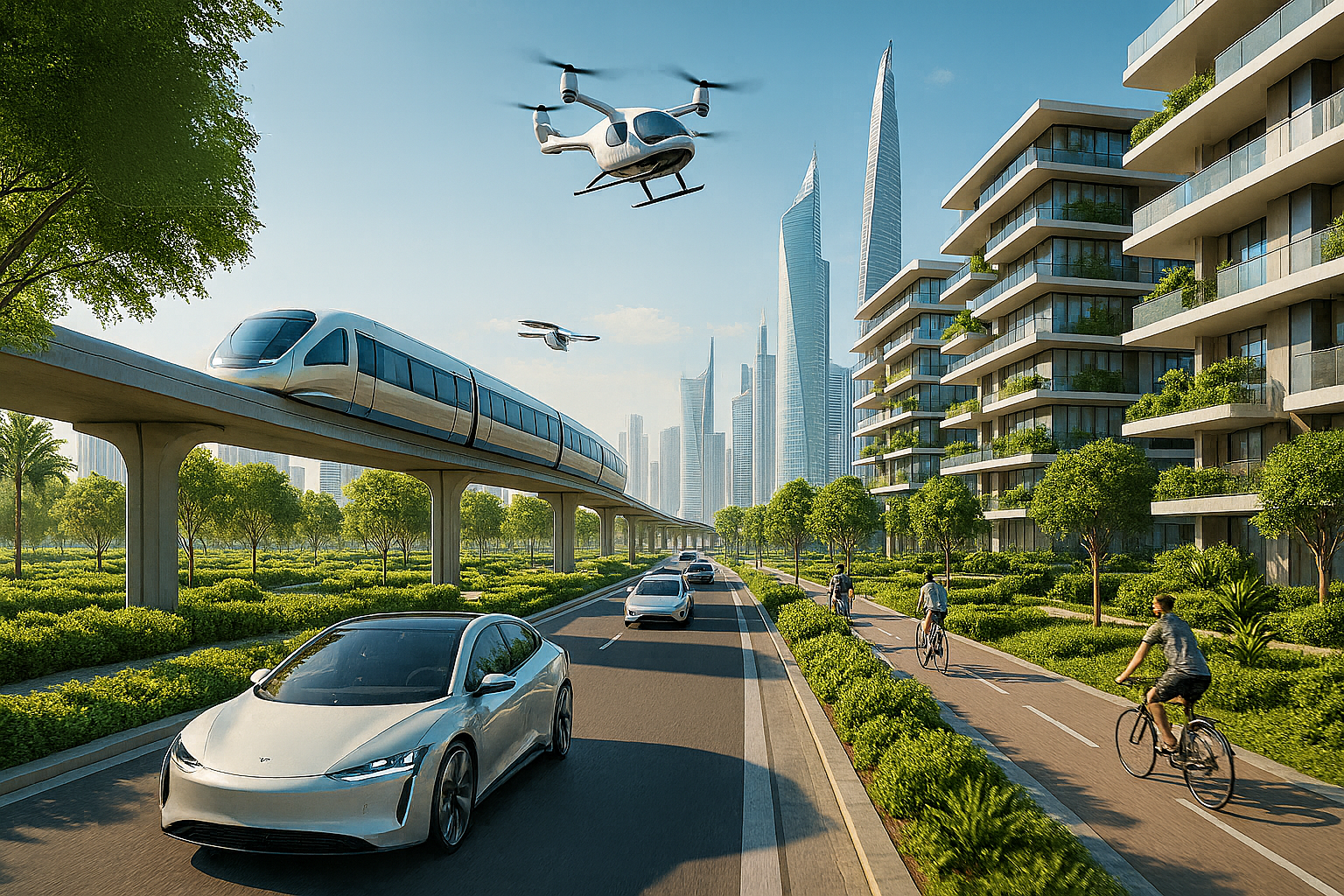
- Duurzame mobiliteit: 55% van de bevolking woont op maximaal 800 meter van openbaar vervoer.
- Wandel- en fietsroutes: Uitbreiding van voetgangers- en fietsnetwerken (inclusief 115 km volgens de kwaliteitsstrategie).
- Economische groei stimuleren: Diversificatie via technologie, groene energie en innovatieve sectoren.
- Milieubestendigheid verbeteren: 60% van het land bestemd voor natuur- en recreatiegebieden.
- Cultureel erfgoed behouden: Restauratie van Deira en Bur Dubai als historische centra.
- Bestuur en regelgeving: Versterking van juridische en stedebouwkundige kaders.
Bevolkingsprognose en Woningvoorraad
De bevolking naar verwachting groeit van 3,3 miljoen in 2020 naar 5,8 miljoen in 2040. De overdag aanwezige bevolking stijgt van 4,5 miljoen naar 7,8 miljoen.
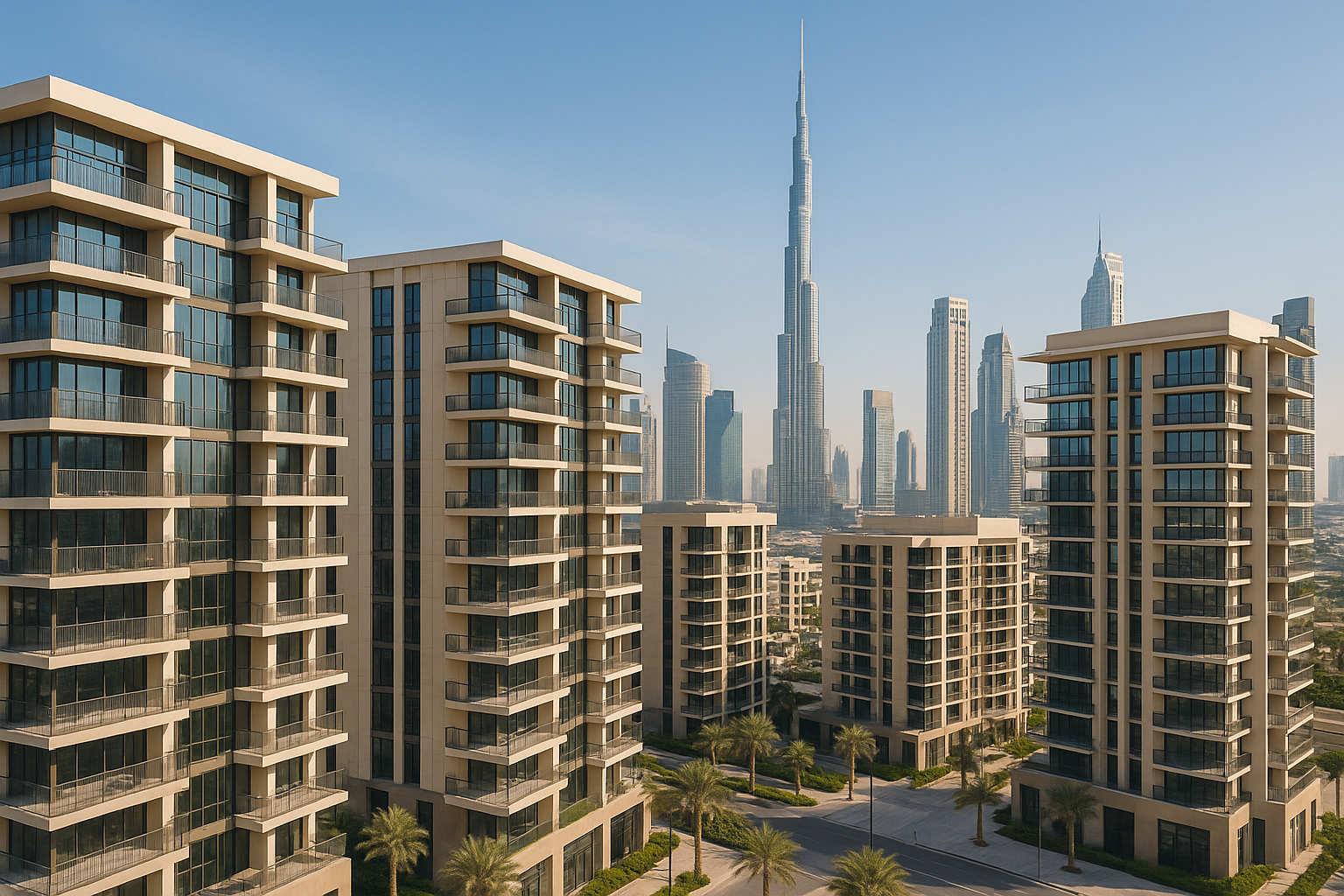
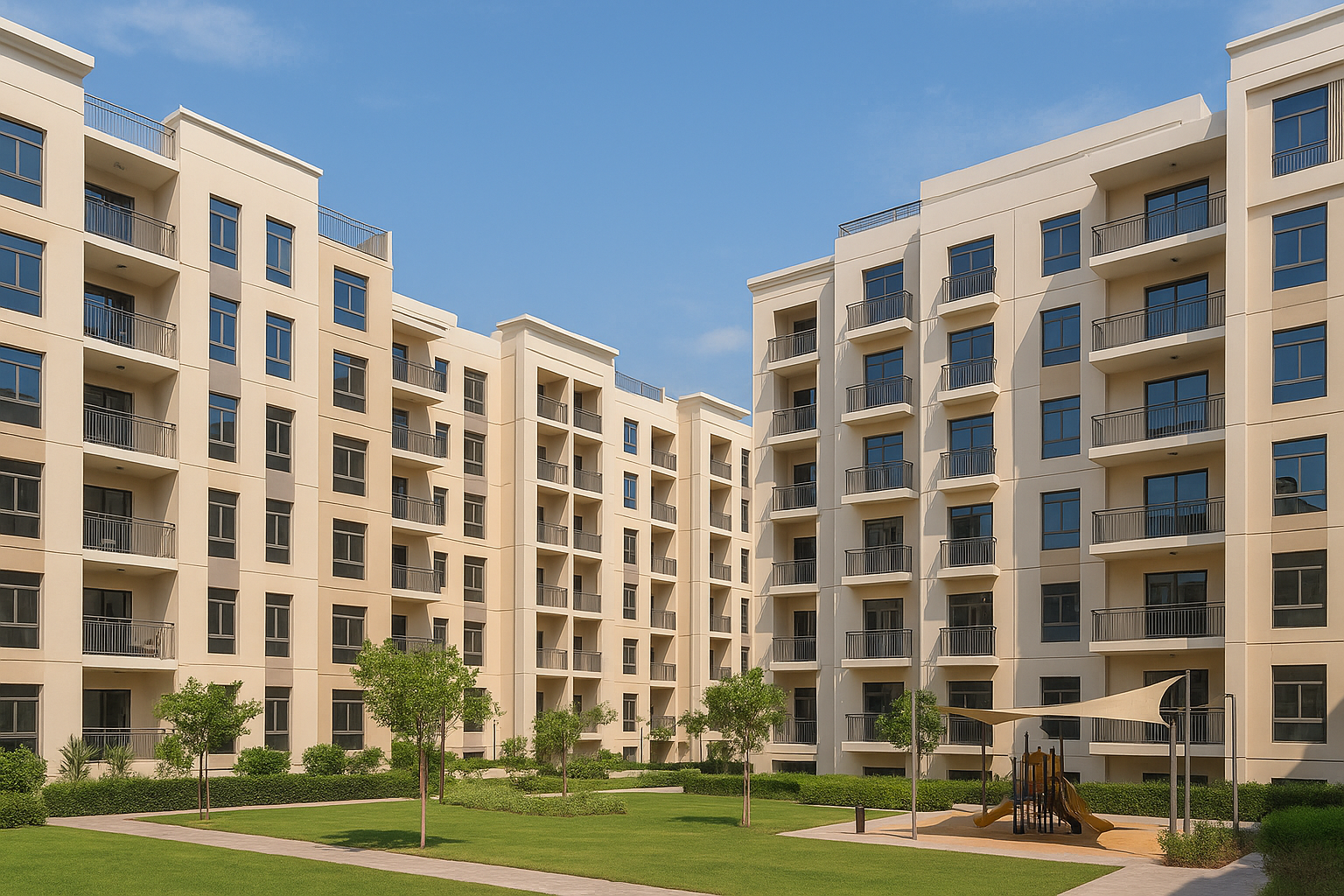
Het plan verdeelt deze groei over vijf stedelijke centra en biedt diverse en betaalbare woningopties. Meer dan 17.000 nieuwe betaalbare woningen zijn gepland in Al Qusais en Al Leyan.
Geavanceerde Infrastructuur en Connectiviteit
Belangrijkste pijlers:
- Groene corridors: Uitbreiding van wandel- en fietsroutes.
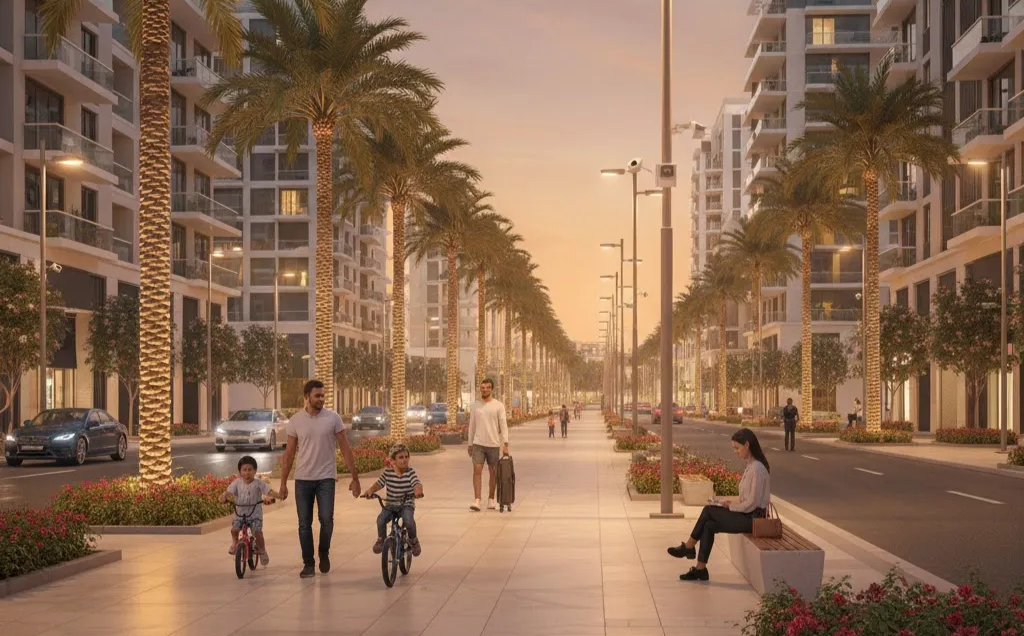
- 20-minutenstad: Dagelijkse benodigdheden bereikbaar binnen 20 minuten lopend of per fiets.
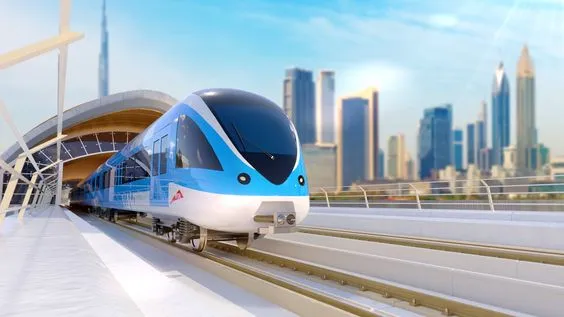
- Uitbreiding openbaar vervoer: Nieuwe metrolijnen en stations.
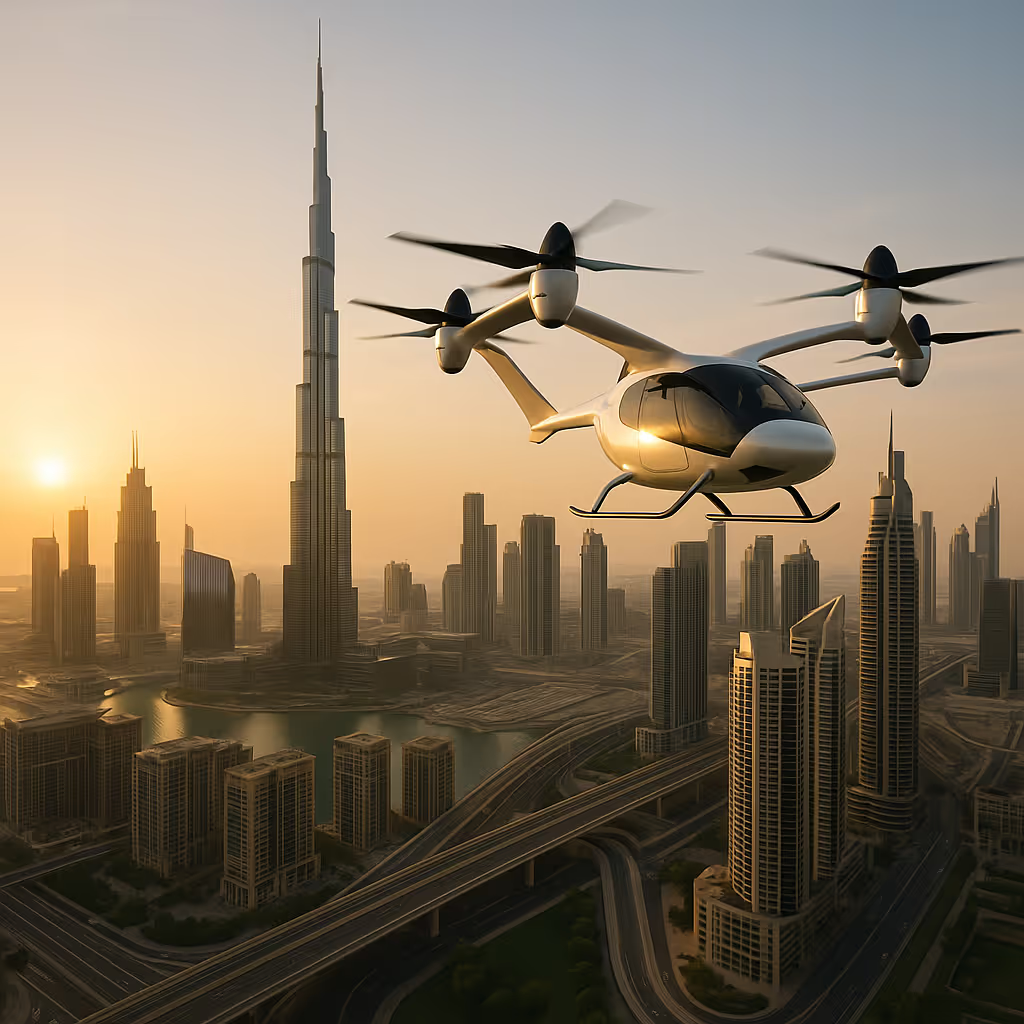
- Mobiliteit van de toekomst: Focus op autonome voertuigen en vliegende taxi's.
- Slimme stadsoplossingen: Implementatie van AI, IoT en digitale diensten.
Belangrijkste Focusgebieden en Herontwikkelingszones
Bestaande Centra
- Deira & Bur Dubai: Historische centra met focus op erfgoedpreservatie.
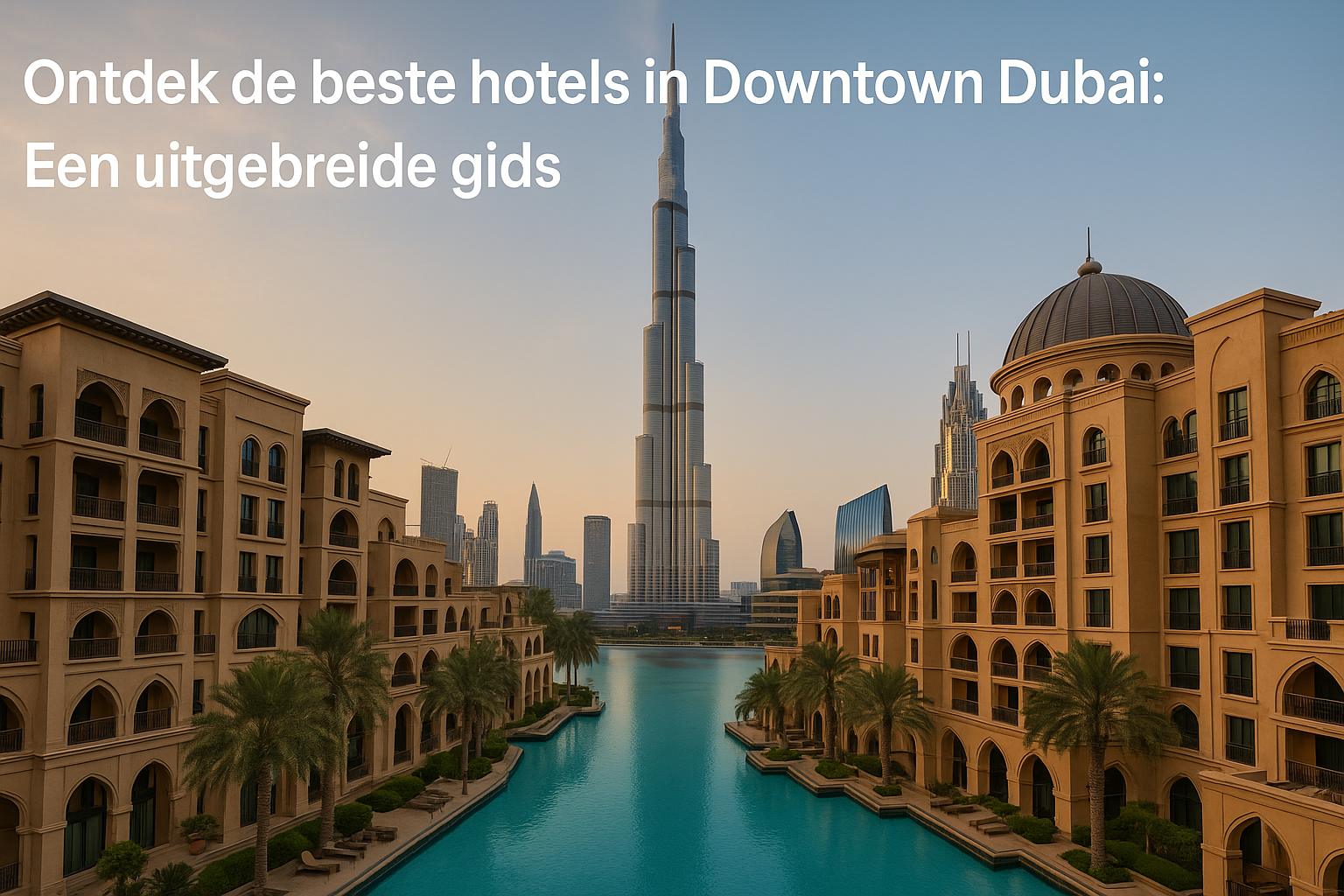
- Downtown & Business Bay: Versterking van hun rol als economische en financiële hubs.
- Dubai Marina & JBR: Ontwikkeling als internationale toeristische bestemmingen.
Toekomstige Centra
- Expo City Dubai: Internationaal platform voor evenementen.
- Dubai Silicon Oasis: Centrum voor wetenschap en technologie.
Flagshipinitiatieven
- Groene ruimtes: Verdubbeling van recreatiegebieden.
- Natuur en parken: 60% van het land gereserveerd voor natuur en parken.
- Openbare stranden: Uitbreiding van openbare stranden van 21 km naar 105 km (+84 km).
- Hatta-plan: Gericht op duurzaam toerisme en erfgoedpreservatie.
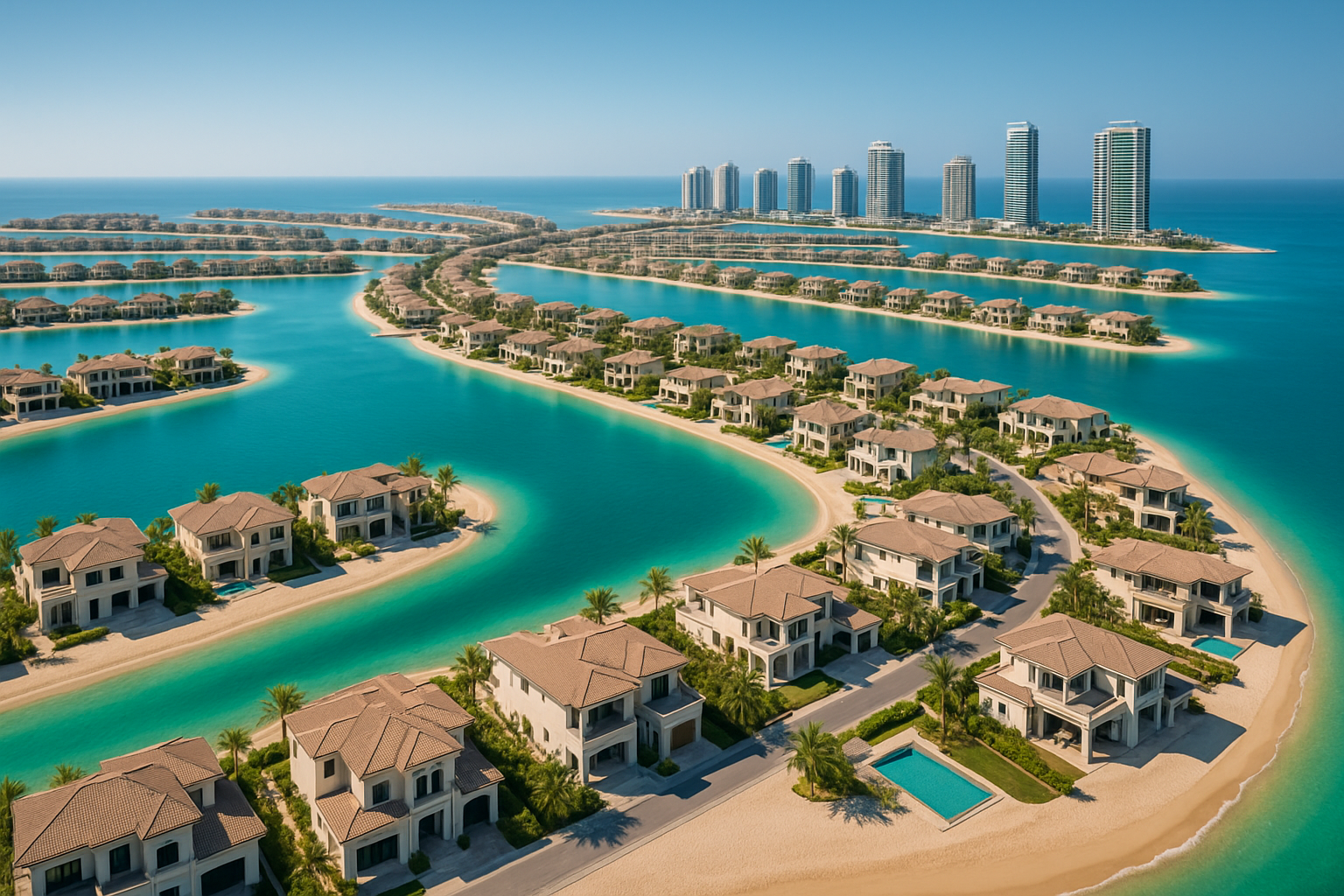
- Palm Jebel Ali: Omvat 80 hotels, resorts en groene gebieden.
- Culturele en creatieve wijken: Hubs voor kunst, cultuur en innovatie.
Effect op Onroerend Goed Waardes en Investeringspotentieel
Het plan is gunstig voor investeerders en beloft groei in vastgoedwaardes en rendement op investering (ROI):
- Stijgende vraag: Bevolkingsgroei verhoogt landwaardes.
- Commerciële kansen: Groei in kantoren en co-workingspaces met 100% eigendomsrechten.
- Belastingvoordelen: Belastingvrijstellingen en lagere kostenstructuren.
- Diversificatie: Ontwikkeling van gemengde gemeenschappen.
- Duurzaamheid: Groeiende vraag naar milieuvriendelijke en slimme woningen.
- Talent aantrekken: Economische diversificatie trekt wereldwijd talent en kapitaal aan.
Belangrijke Mijlpalen en Tijdlijn
De implementatie verloopt in vier fasen, waarbij de eerste fase in 2026 is voltooid.
- Tot 2025: Metrouitbreiding en ontwikkeling van nieuwe groene ruimtes.
- 2030: 30% vermindering van CO₂-emissies ten opzichte van 2015.
- 2040: Volledige implementatie van alle objectieven.
Recente initiatieven: Transitgericht ontwikkelingenplan, Hatta Integraal Plan, Dubai Groenheid- en Openruimtekader.
Zoek je persoonlijk investeringsadvies over vastgoedmogelijkheden afgestemd op Dubais visie op slimme steden? Neem contact met ons op!
Conclusie: Dubais Pad naar Duurzame Stedelijke Ontwikkeling
Het Dubai Urban Master Plan 2040 is meer dan alleen een ontwikkelingsstrategie. Het combineert economische groei, milieuzorg en levenskwaliteit in een geïntegreerde visie. Voor investeerders biedt het een solide basis en aantrekkelijke kansen op een toekomstbestendig vastgoedmarkt.
Meer weten over investeren in Dubai vastgoed?
Wil je dit onderwerp toepassen op jouw situatie? Download de gratis Dubai vastgoed gids, bekijk het actuele Dubai vastgoed aanbod of plan een gratis gesprek met Dubai-Property.nl.









.png)
.png)

.png)
.avif)
.avif)




.svg)
.svg)
.svg)